Stem Cell Therapy in Des Moines: A Closer Look at Regenerative Medicine
Stem cell therapy in Des Moines provides patients with advanced regenerative options primarily for orthopedic and chronic pain conditions. As of 2026, most local clinics utilize autologous treatments, such as bone marrow aspirate conce...
Stem cell therapy in Des Moines provides patients with advanced regenerative options primarily for orthopedic and chronic pain conditions. As of 2026, most local clinics utilize autologous treatments, such as bone marrow aspirate concentrate (BMAC), to address joint degeneration and sports injuries, though FDA-approved applications remain strictly limited to specific hematopoietic disorders.
Contents
Understanding the Landscape of Regenerative Medicine in Iowa
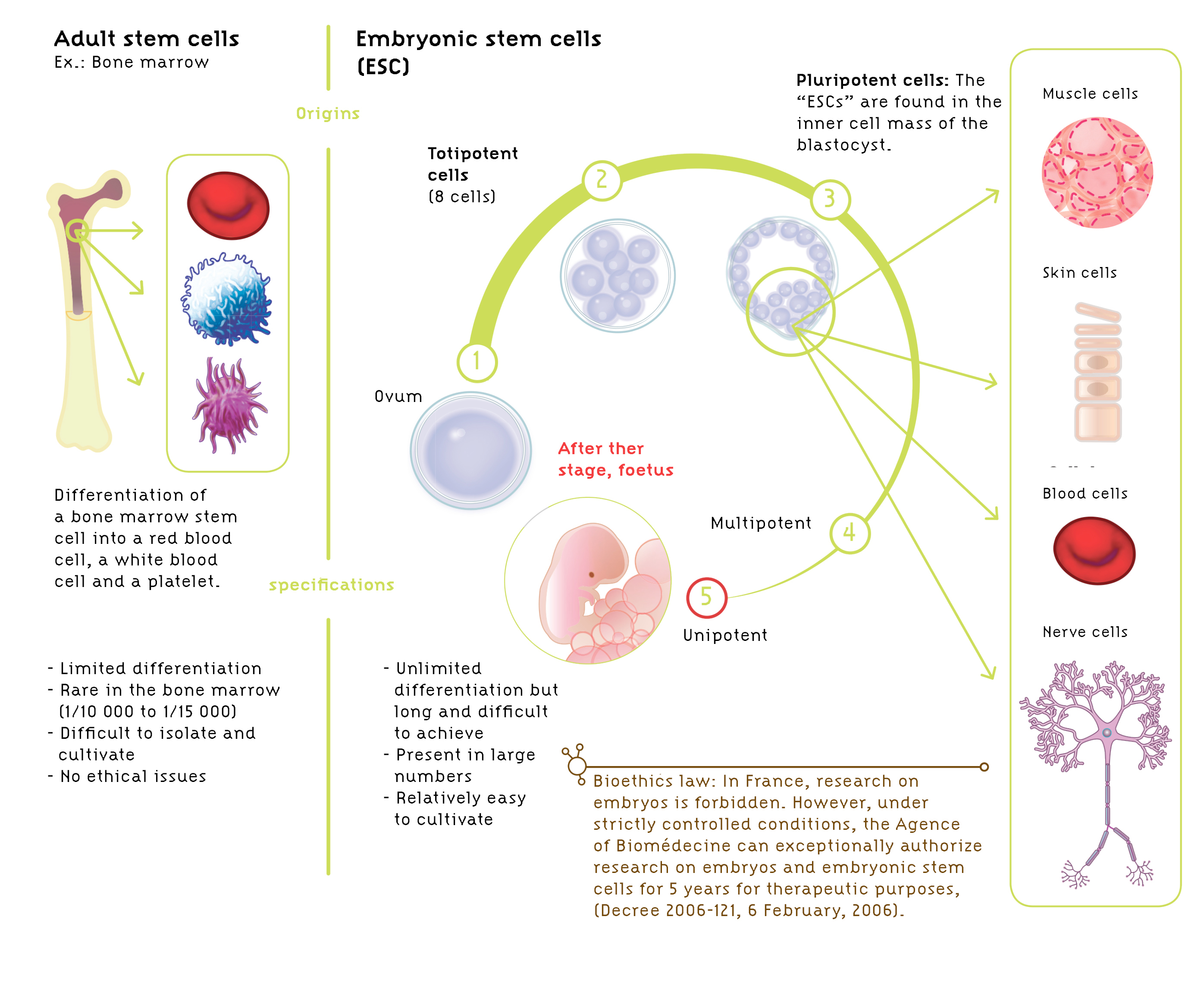
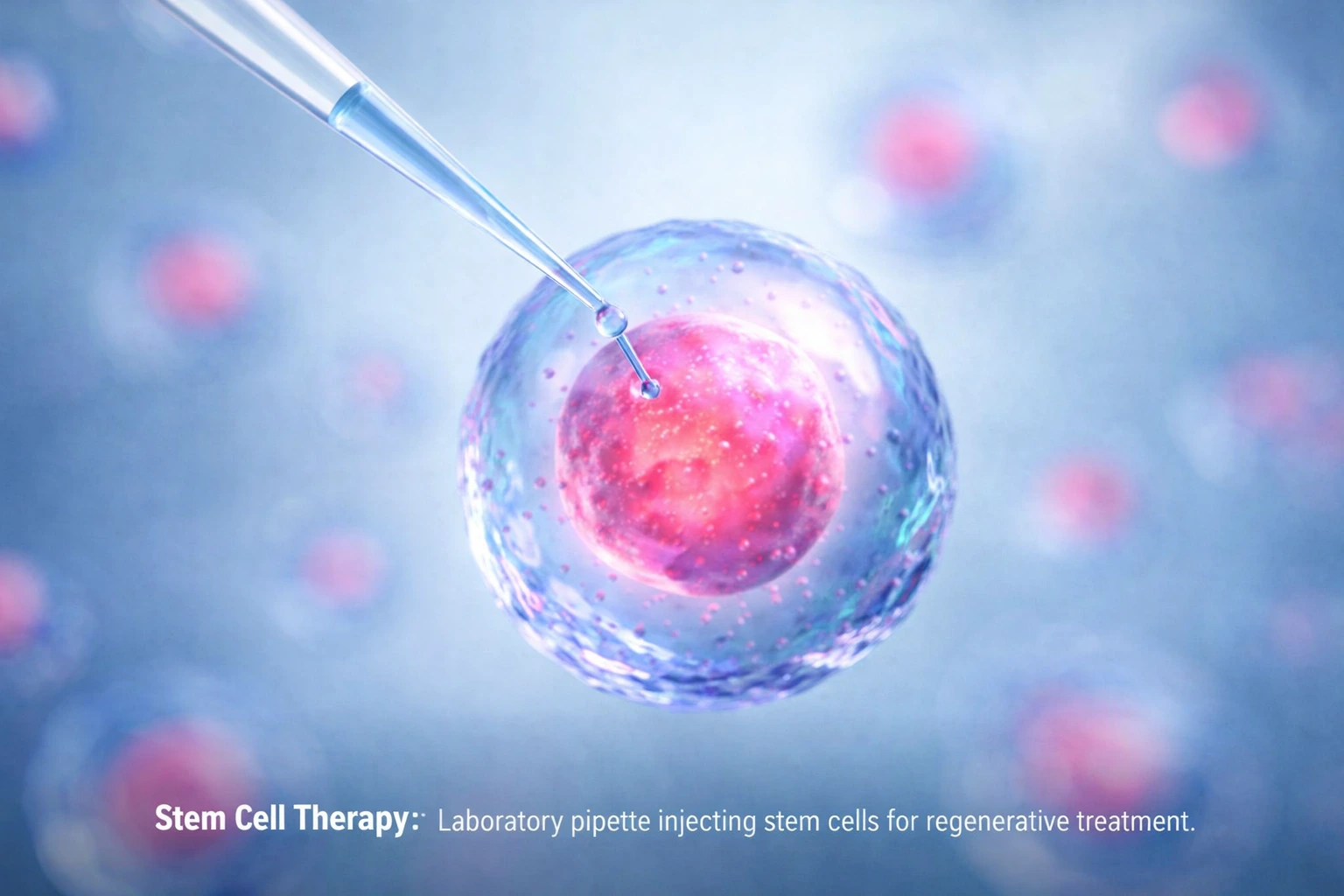
Regenerative medicine has evolved significantly in the Midwest, with Des Moines emerging as a primary hub for patients seeking alternatives to invasive surgery. Stem cell therapy involves using the body's raw materials—cells from which all other cells with specialized functions are generated—to repair or replace damaged tissue. In the Des Moines metropolitan area, the focus has shifted toward high-quality, evidence-based applications, moving away from the "wild west" era of unproven amniotic injections that characterized the early 2020s.
The primary goal of these treatments in local clinics is to modulate the inflammatory environment within a joint or tissue. By introducing concentrated cells into an area of injury, such as a torn meniscus or an osteoarthritic hip, practitioners aim to trigger a healing response that can reduce pain and improve mobility. However, it is essential for patients to distinguish between "stem cell therapy" and other regenerative treatments like Platelet-Rich Plasma (PRP), which are often marketed interchangeably but have distinct biological mechanisms.
FDA Regulations and Legal Framework in 2026
Navigating the legalities of stem cell therapy is critical for patient safety. In 2026, the U.S. Food and Drug Administration (FDA) maintains a strict oversight framework known as the 351 and 352 regulations. These rules dictate how human cells, tissues, and cellular and tissue-based products (HCT/Ps) can be used.
The "Minimally Manipulated" Standard
Most clinics in Des Moines operate under the "minimal manipulation" and "homologous use" exceptions. This means that if a physician harvests your own cells (autologous) and reinjects them during the same surgical procedure to perform the same basic function they originally performed, the process is generally permitted. However, if the cells are "more than minimally manipulated"—such as being grown in a lab for several days or mixed with other chemicals—they are classified as a drug and require a formal Biologics License Application (BLA).
Compliance in Des Moines
Patients should be wary of any clinic in Iowa claiming to "cure" systemic diseases like Alzheimer’s, Parkinson’s, or diabetes through stem cell injections. Currently, the only FDA-approved stem cell products consist of blood-forming stem cells (hematopoietic progenitor cells) derived from umbilical cord blood for use in patients with disorders affecting the hematopoietic system. Most orthopedic uses in Des Moines are technically considered "off-label" or fall under specific surgical exemptions, provided the cells are autologous.
Common Conditions Treated by Des Moines Specialists
The vast majority of regenerative medicine cases in central Iowa pertain to the musculoskeletal system. Clinics often see patients who have exhausted traditional options like physical therapy, corticosteroid injections, or over-the-counter anti-inflammatories.
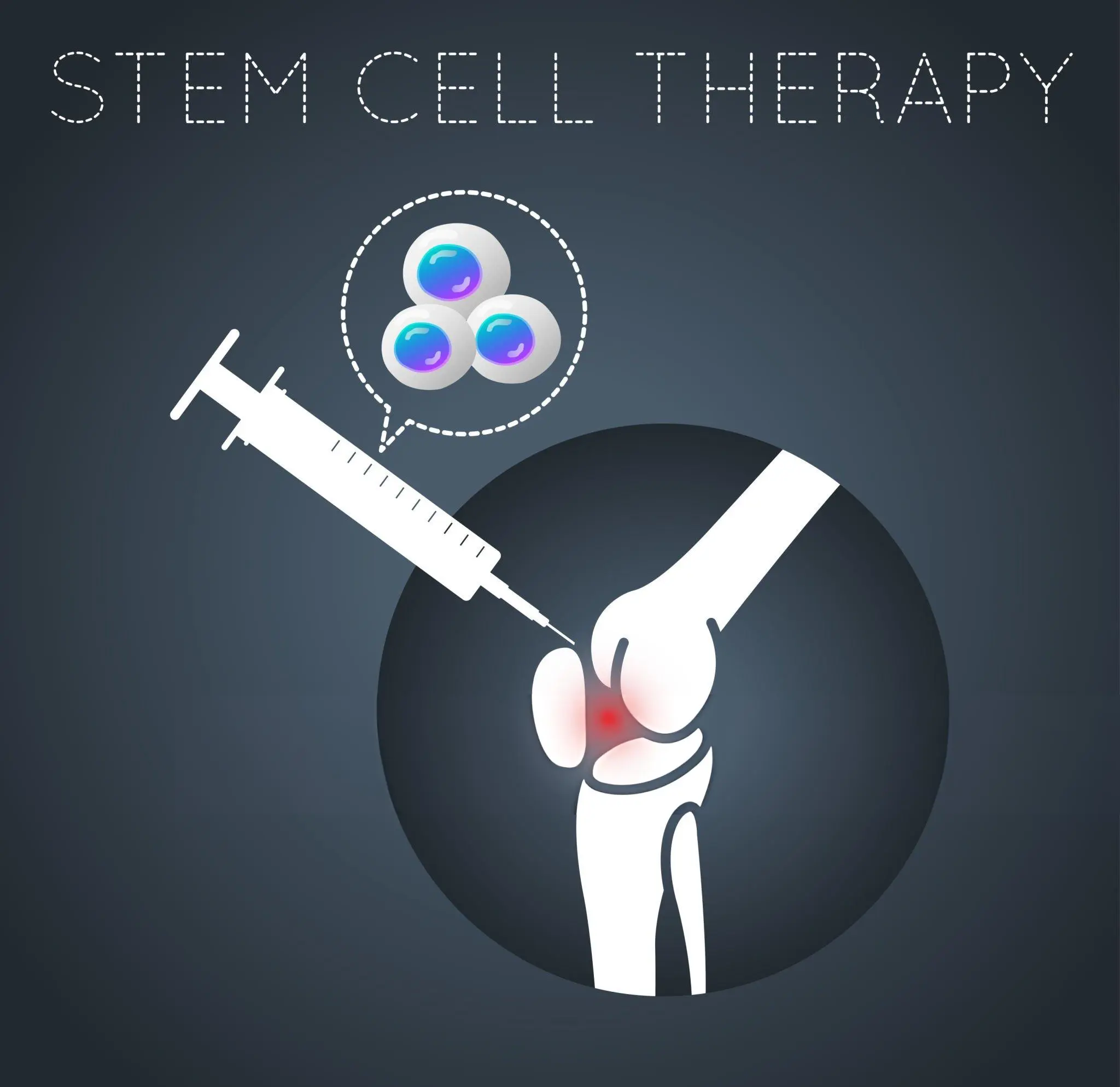
- Osteoarthritis: This is the most common reason for seeking stem cell therapy in Des Moines. Concentrations of bone marrow-derived cells are injected into the knee, hip, or shoulder to address cartilage degradation and chronic inflammation.
- Tendon and Ligament Injuries: Chronic conditions such as Achilles tendonitis, rotator cuff tears, and tennis elbow are frequently treated with regenerative injections to stimulate a healing cascade in tissues that traditionally have poor blood supply.
- Spinal Degeneration: Some specialized centers in the Des Moines area offer intradiscal injections for degenerative disc disease, though this remains a more complex and scrutinized procedure compared to peripheral joint injections.
- Sports Medicine: Athletes in the Des Moines and Ames corridor often utilize these therapies to accelerate recovery from acute injuries, aiming to return to play without the lengthy downtime associated with reconstructive surgery.
Clinical Procedures: What to Expect
If you are considering stem cell therapy in Des Moines, the process typically follows a standardized clinical path. Understanding the stages of treatment can help manage expectations and ensure you are prepared for the recovery period.
Harvesting the Cells
The most common source of stem cells used by reputable Des Moines orthopedists is Bone Marrow Aspirate Concentrate (BMAC). This involves a procedure where a physician extracts bone marrow, usually from the iliac crest (the back of the hip bone). This is performed under local anesthesia or moderate sedation. While it may sound daunting, the extraction is generally a quick procedure with manageable post-operative soreness.
Processing and Concentration
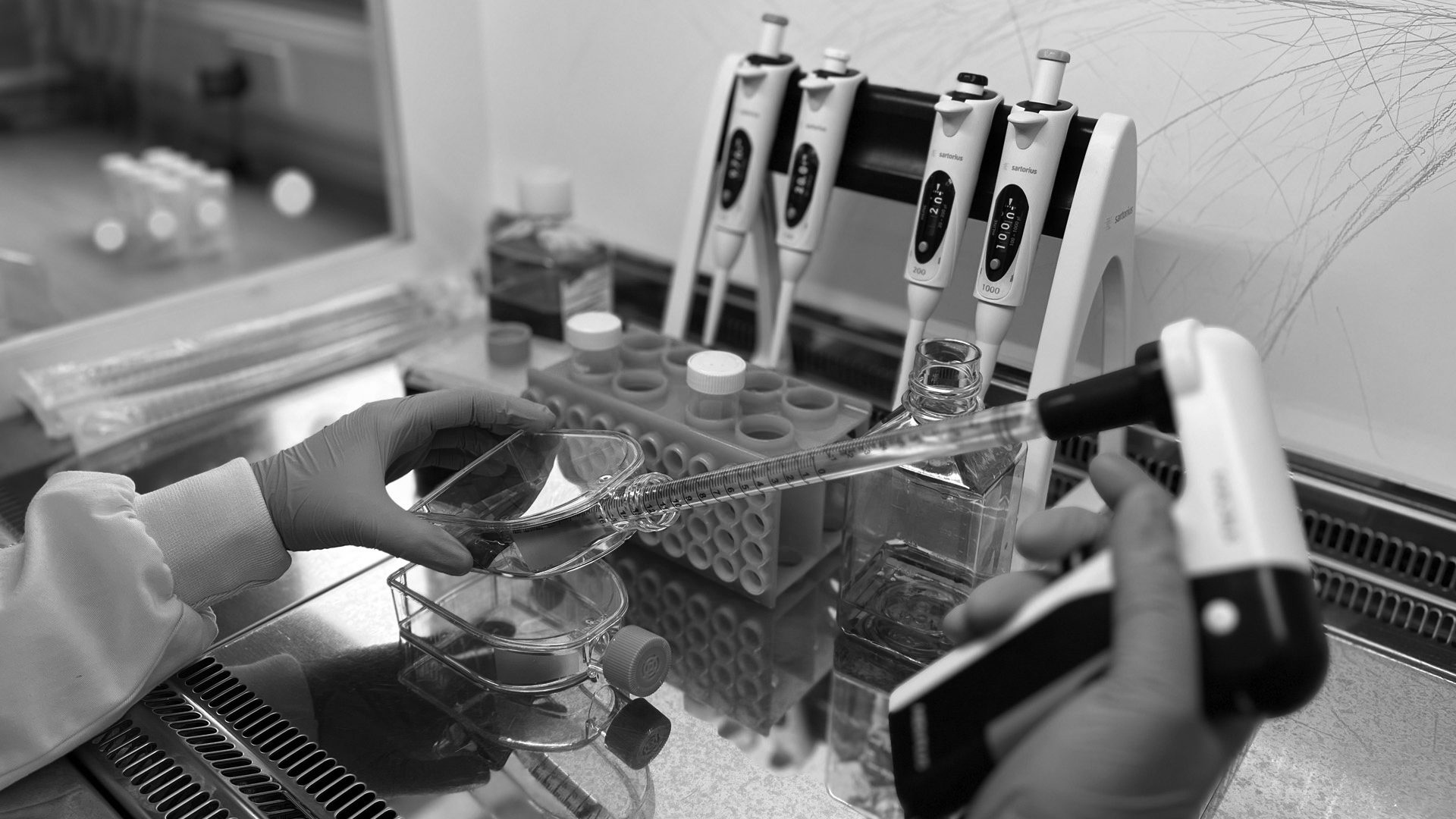
Once the marrow is harvested, it is placed in a specialized centrifuge. This machine spins the marrow at high speeds to separate the different components of the blood and marrow. The goal is to isolate the "buffy coat," which contains a high concentration of mesenchymal stem cells (MSCs), growth factors, and specialized signaling proteins.
The Injection Phase
The concentrated cells are then injected directly into the site of injury. High-quality clinics in Des Moines will use ultrasound or fluoroscopic (X-ray) guidance to ensure the cells are delivered precisely to the damaged tissue. Blind injections (injections done without imaging) are increasingly considered below the standard of care in regenerative medicine because they lack the precision necessary for optimal outcomes.
Comparing Regenerative Options in Des Moines
When visiting a clinic, you may be presented with several options. It is vital to understand the differences in cost, source, and expected efficacy.
| Treatment Type | Source | Common Use Cases | Primary Benefit |
|---|---|---|---|
| Platelet-Rich Plasma (PRP) | Patient's own blood | Mild arthritis, tendonitis | High concentration of growth factors; lower cost. |
| BMAC (Stem Cells) | Patient's bone marrow | Moderate to severe arthritis | Contains live progenitor cells; higher regenerative potential. |
| Adipose-Derived Cells | Patient's fat tissue | Joint pain, plastic surgery | High volume of cells; requires minor liposuction. |
| Amniotic/Umbilical Tissue | Donated birth tissue | Wound care, soft tissue | Strictly regulated in 2026; contains growth factors but usually no live stem cells. |
Cost and Insurance Realities in 2026
A significant hurdle for many Iowa residents is the financial aspect of regenerative medicine. Despite the advancement in technology by 2026, most major insurance providers, including Medicare and private carriers like Wellmark Blue Cross Blue Shield, still categorize many stem cell treatments as "experimental" or "investigational" for orthopedic use.
- Average Costs: In Des Moines, PRP treatments typically range from $700 to $1,500 per injection. Bone marrow-derived stem cell procedures are significantly more expensive, often ranging from $3,500 to $8,000, depending on the complexity of the procedure and the number of joints being treated.
- Financing: Because these are out-of-pocket expenses, many clinics offer medical financing plans. It is important to calculate the total cost, including follow-up visits and any necessary physical therapy.
- Employer Coverage: Some self-insured companies in the Des Moines area have begun to add regenerative medicine to their benefits packages as a way to avoid the higher costs and longer recovery times of total joint replacements, but this remains the exception rather than the rule.
Risks and Ethical Considerations
While generally considered safe because the cells come from the patient's own body (reducing the risk of rejection or communicable disease), stem cell therapy is not without risks. Localized pain at the injection site, swelling, and a temporary increase in inflammation are common side effects.
The ethical landscape in Des Moines is largely focused on transparency. A reputable provider will not promise a 100% success rate or claim that stem cells will regrow a "brand new" joint. Instead, they will present the data on pain reduction and functional improvement. Patients should be cautious of clinics that pressure them into immediate treatment or discourage them from seeking a second opinion from a traditional orthopedic surgeon.
How to Select a Provider in Des Moines
Choosing the right clinic is the most important step in the process. Because regenerative medicine is a multidisciplinary field, you will find providers ranging from board-certified orthopedic surgeons to chiropractors and naturopaths.
- Check Board Certifications: Look for physicians board-certified in Orthopedic Surgery, Physical Medicine and Rehabilitation (Physiatry), or Pain Management.
- Inquire About Imaging: Always ask if they use ultrasound or X-ray guidance for injections.
- Ask About the Lab: Ensure the clinic uses FDA-compliant equipment for cell processing and does not outsource the "culturing" of cells to an external lab, which could violate current regulations.
- Review Patient Outcomes: Ask the clinic for their internal data on patient success rates for your specific condition.
FAQs About Stem Cell Therapy in Des Moines
Is stem cell therapy in Des Moines covered by Medicare?
In 2026, Medicare generally does not cover stem cell injections for orthopedic conditions like knee arthritis or back pain. Medicare only covers stem cell transplants for specific cancers and blood disorders. Patients should expect to pay for regenerative orthopedic treatments out-of-pocket or through a Health Savings Account (HSA).
How long does it take to see results from the treatment?
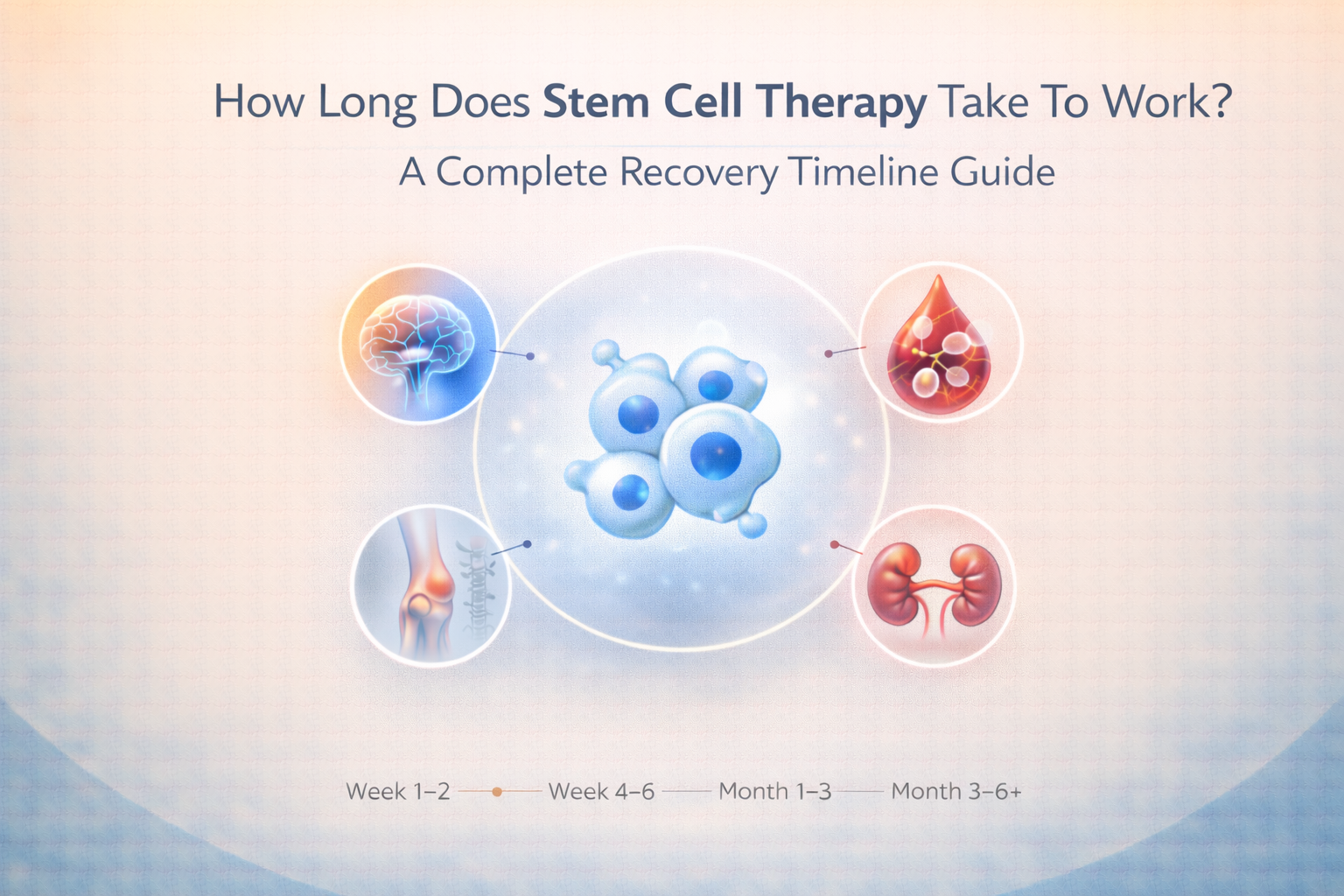
Unlike corticosteroid injections which provide near-immediate relief, stem cell therapy works by modulating the biological environment, which takes time. Most Des Moines patients report beginning to feel improvement between 4 to 8 weeks post-injection, with peak benefits typically occurring at the 6-month mark.
Are the results of stem cell therapy permanent?
The results are generally not considered permanent in the sense that they "stop" the aging process. However, for many patients, a successful procedure can provide significant pain relief and improved function for 2 to 5 years. The longevity of the results depends heavily on the severity of the initial condition and the patient's lifestyle following the procedure.
Is the procedure painful?
The bone marrow aspiration involves a stinging sensation during the numbing process and a pressure sensation during the extraction. Most patients describe it as uncomfortable but manageable. The joint injection itself feels similar to a standard flu shot or a cortisone injection.
Can stem cell therapy replace a total knee replacement?
For some patients with moderate arthritis, stem cell therapy may delay the need for a joint replacement by several years. However, for those with "bone-on-bone" advanced osteoarthritis, the regenerative potential is limited, and a surgical replacement may still be the most effective long-term solution.
Taking the Next Step
For those exploring stem cell therapy in Des Moines, the most prudent next step is to schedule a consultation with a specialist who offers a comprehensive range of treatments—both surgical and non-surgical. This ensures that you receive a balanced recommendation tailored to your specific diagnostic imaging and lifestyle goals. Always request a written summary of the proposed procedure, including the source of the cells and the total cost, before proceeding.
Image Gallery