Canyon Welding and Specialized Metal Joining in Aircraft Repair
Canyon welding in the context of aircraft repair refers to specialized, high-precision fusion techniques—often involving gas tungsten arc welding (GTAW) or laser-based processes—used to restore the structural integrity of airframe comp...
Canyon welding in the context of aircraft repair refers to specialized, high-precision fusion techniques—often involving gas tungsten arc welding (GTAW) or laser-based processes—used to restore the structural integrity of airframe components, engine parts, and landing gear. This practice ensures that metal components subjected to extreme thermal cycling and mechanical stress meet the rigorous safety standards mandated by aviation authorities.
Contents
The Role of Precision Welding in Aviation Maintenance
Aviation maintenance requires a level of precision that transcends standard industrial fabrication. In the aerospace sector, "canyon welding" generally describes deep-penetration, high-integrity weld joints often required when accessing restricted, narrow, or recessed areas of an aircraft component—similar to navigating the tight contours of a canyon.
When a structural part—such as an engine manifold, a structural bracket, or a landing gear support—suffers from fatigue, cracking, or thermal degradation, replacement is not always the most efficient path. Precision welding allows technicians to restore the original metallurgy and geometry of the component. By utilizing controlled heat input, skilled welders can repair base materials like Inconel, stainless steel, or titanium alloys without compromising the heat-affected zone (HAZ), which is critical for maintaining the structural properties required for flight safety.
Technical Requirements for Aircraft Welding
Aircraft repair is heavily regulated by civil aviation authorities, such as the Federal Aviation Administration (FAA) in the United States or the European Union Aviation Safety Agency (EASA). Any welding performed on an aircraft or its components must adhere to strict procedural guidelines.
1. Material Compatibility
The technician must identify the base material and the filler wire to ensure that the coefficients of thermal expansion match. Mismatched materials can lead to residual stresses, which are the primary cause of fatigue failure in aircraft components.
2. Atmospheric Control
Many aerospace alloys are highly reactive at molten temperatures. Canyon welding operations frequently employ inert gas shielding, such as argon or helium, to displace oxygen. In some cases, specialized "trailing shields" are used to keep the weld puddle and the cooling bead protected from atmospheric contamination until the metal temperature drops below the oxidation threshold.
3. Certification and Nondestructive Testing (NDT)
The person performing the weld must hold specific certifications, such as those governed by AWS D17.1 (Specification for Fusion Welding for Aerospace Applications). Furthermore, after the repair, the part must undergo Nondestructive Testing. This often includes:
- Fluorescent Penetrant Inspection (FPI): Used to identify surface-breaking cracks.
- X-Ray or Ultrasonic Inspection: Used to detect internal voids, porosity, or lack of fusion within the weld.
Comparative Methods in Metal Restoration
When deciding between a repair through specialized welding or a complete component replacement, engineers and maintenance directors must weigh several factors. The following table summarizes the decision-making criteria for common aviation metal repairs.
| Feature | Precision Welding Repair | Component Replacement |
|---|---|---|
| Cost Efficiency | High (utilizes existing parts) | Low (procurement costs) |
| Lead Time | Generally faster (in-house) | Variable (supply chain dependent) |
| Regulatory Risk | Requires strict NDT verification | Requires original manufacturer certification |
| Structural Integrity | Equal to original if verified | Guaranteed by OEM standards |
| Material Availability | Dependent on alloy weldability | Dependent on part availability |
Navigating the Repair Process
The life cycle of an aircraft component repair follows a rigid sequence of events. Understanding this process helps maintenance facilities maintain compliance and operational readiness.
- Assessment: The part is inspected for serviceability. The engineer determines if the damage is within the "Limits of Repair" defined by the Component Maintenance Manual (CMM).
- Preparation: The repair area is meticulously cleaned to remove oil, grease, paint, and oxidation. Any existing cracks are removed via grinding or machining, creating a clean "canyon" or groove for the new weld material.
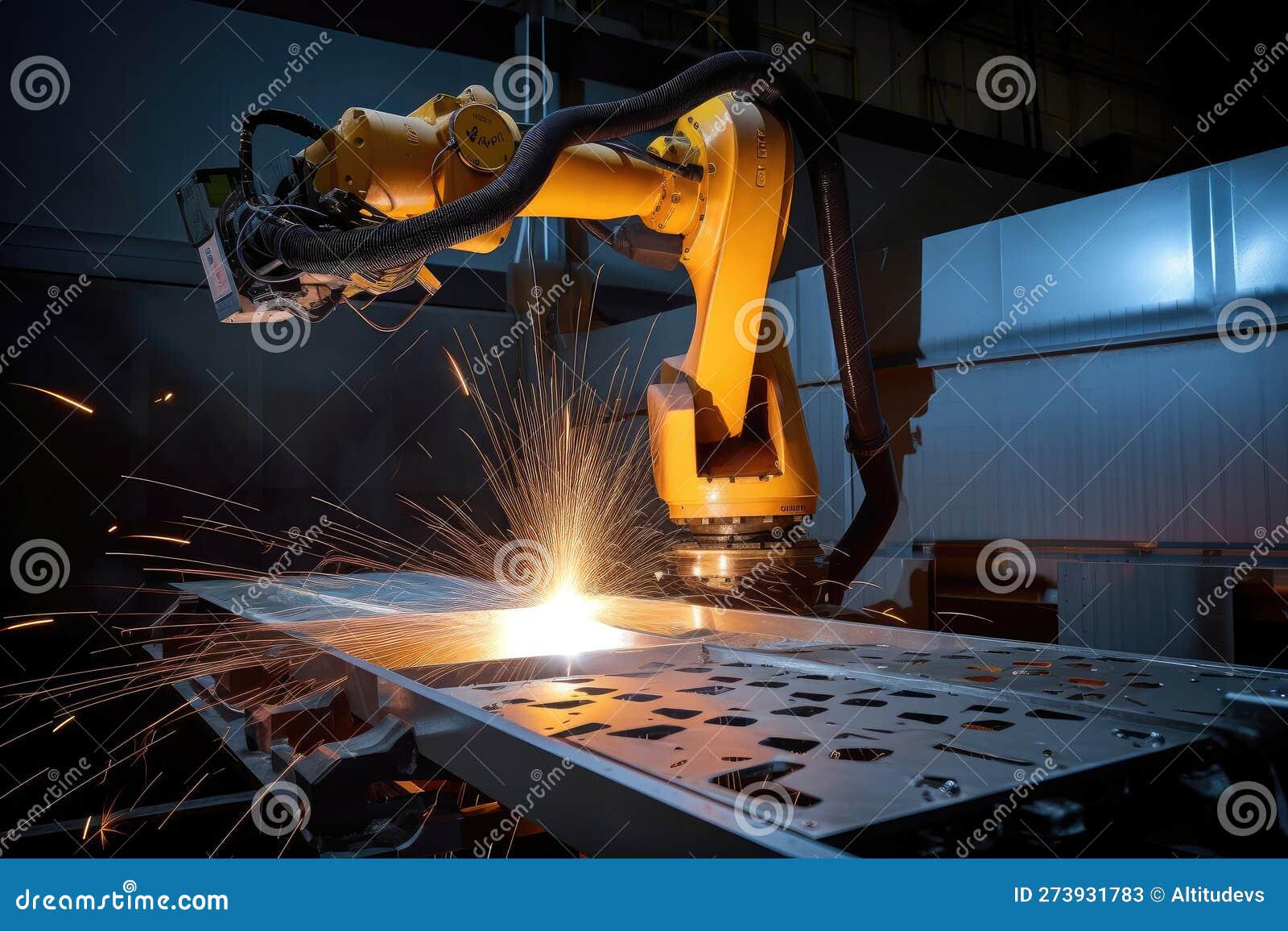
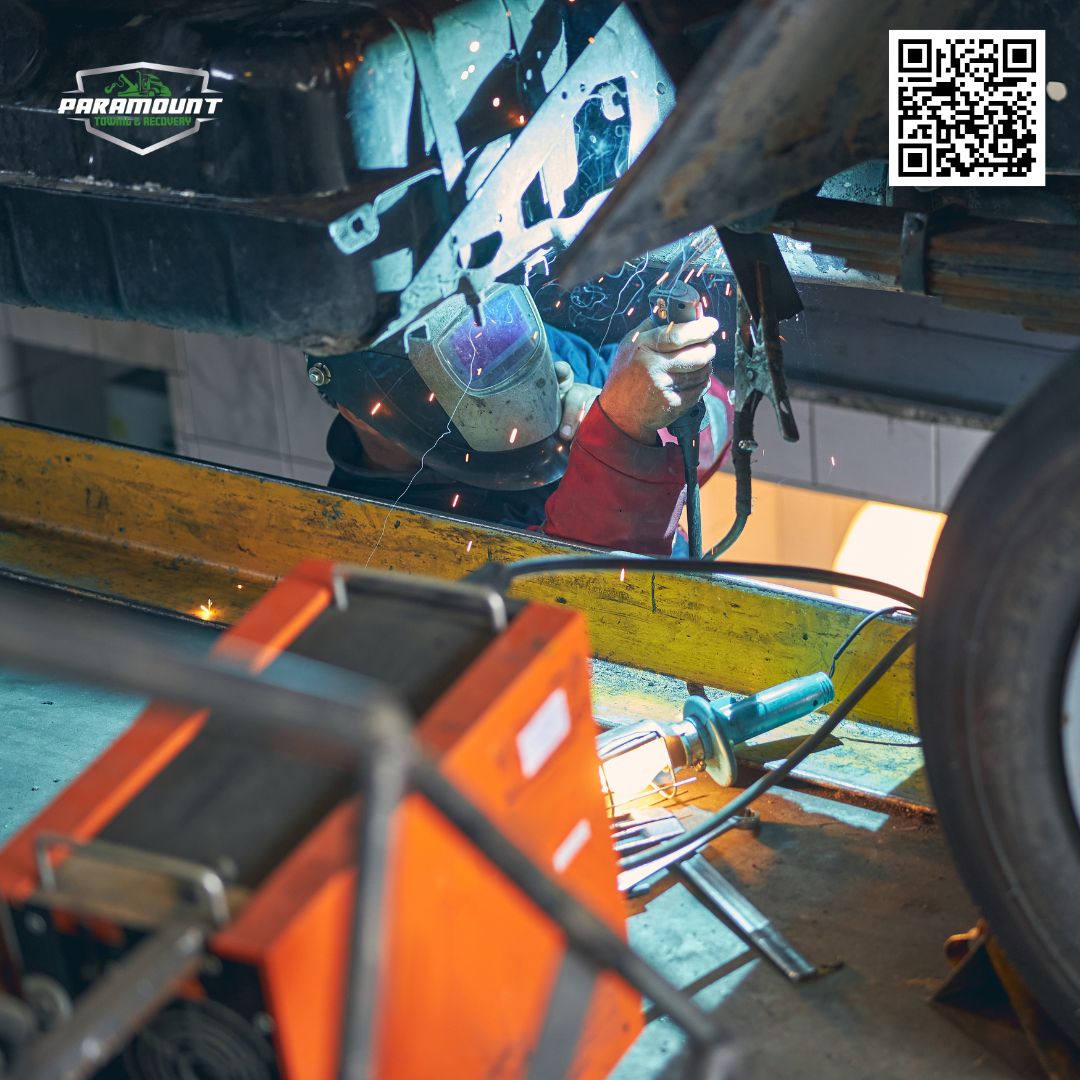
- Welding: The technician applies the weld. In restricted or "canyon" areas, this may require specialized torch heads or robotic positioning to ensure uniform bead appearance and penetration.
- Post-Weld Heat Treatment (PWHT): Many aerospace alloys require controlled cooling or tempering after welding to restore ductility and toughness to the crystalline structure of the metal.
- Final Inspection: The weld bead is dressed to the required profile, and the part is subjected to NDT to verify that the repair is defect-free.
Challenges in Specialized Aircraft Welding
One of the greatest challenges in this field is the evolution of aerospace materials. Modern aircraft are increasingly utilizing advanced composites and superalloys that are notoriously difficult to join. Titanium, for example, is extremely lightweight and strong but requires total atmospheric isolation during the welding process; even trace amounts of nitrogen or oxygen can render the weld brittle and prone to catastrophic failure.
Furthermore, the "canyon" nature of certain repairs—where a crack exists inside a hollow turbine blade or within a deep internal frame—limits the physical reach of standard manual welding torches. Consequently, shops often invest in micro-TIG (Tungsten Inert Gas) systems or fiber-optic laser welding tools, which can deliver focused energy to precise locations without overheating the surrounding structural assembly.
Frequently Asked Questions
Does a welded part retain its original FAA certification? Yes, provided the repair is performed by an FAA-certified repair station according to the approved Technical Data, such as the Original Equipment Manufacturer's (OEM) manual or a supplemental type certificate (STC).
What happens if a weld fails inspection? If a weld fails NDT, the repair area must typically be excavated or removed entirely. Re-welding a failed joint increases the risk of heat-related damage to the base metal, so it is often subjected to more stringent scrutiny or might be deemed scrap depending on the number of previous repairs.
Is canyon welding limited to steel? No, the term applies to the geometry of the work area rather than the material. It is frequently performed on aluminum, titanium, and nickel-based superalloys found in modern jet engines.
What is the most common reason for weld failure in aircraft? The most common cause is improper cleaning. Aircraft components are often exposed to harsh chemicals, hydraulic fluids, and salt air. If these contaminants are not fully removed prior to welding, they can cause porosity, which serves as a stress riser for future fatigue cracking.
Are there specialized certifications for these repairs? Yes, technicians must be qualified under AWS D17.1. Facilities must hold an Air Agency Certificate under 14 CFR Part 145 to legally perform these repairs for commercial aircraft.
Expert Guidance and Next Actions
For maintenance personnel and facility managers, the recommendation is to prioritize the establishment of an in-house or vetted outsourced NDT program before attempting complex structural welds. Do not attempt "experimental" welding on primary flight control structures without explicit approval from the manufacturer or a Designated Engineering Representative (DER).
If you are managing an aircraft repair project, verify that all welding procedures (WPS) are updated to the 2026 standards provided by the manufacturer. Keep comprehensive records of each weld, including the serial number of the part, the welder's certification level, the heat logs, and the final NDT report. This documentation is your primary defense during regulatory audits and is essential for maintaining the airworthiness of the fleet.
Image Gallery