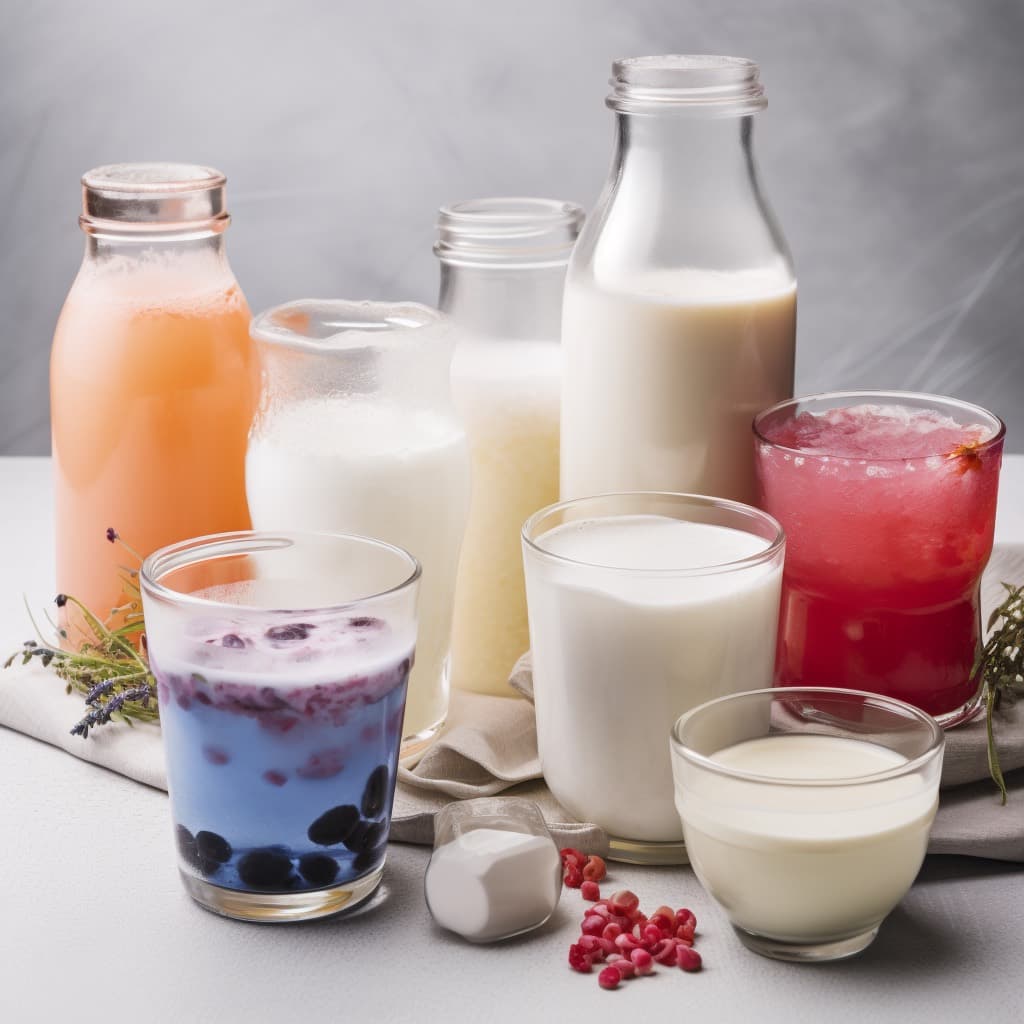
Understanding Natural Probiotic Drinks and Their Real-World Impact
Natural probiotic drinks, such as kombucha, kefir, and kvass, function as vehicles for live microorganisms—primarily bacteria and yeasts—that contribute to the maintenance of the human microbiome. While often marketed for general welln...
Natural probiotic drinks, such as kombucha, kefir, and kvass, function as vehicles for live microorganisms—primarily bacteria and yeasts—that contribute to the maintenance of the human microbiome. While often marketed for general wellness, their real-world impact is defined by the specific strains present, the concentration of active cultures, and the physiological environment of the individual consumer’s digestive tract.
Contents
Defining Natural Probiotic Drinks
Natural probiotic drinks are beverages that undergo fermentation, a process where microorganisms convert carbohydrates into alcohols or acids. This metabolic process acts as a natural preservative and alters the flavor profile, nutrient density, and microbial composition of the base liquid.
Common examples include:
- Kombucha: A fermented tea made using a SCOBY (Symbiotic Culture of Bacteria and Yeast).
- Water Kefir: A fermented beverage made using kefir grains and sugar water.
- Milk Kefir: A fermented dairy drink containing a complex variety of bacteria and yeasts.
- Kvass: A traditional fermented beverage typically made from rye bread or beets.
The "natural" classification implies that the microbial content is derived from the fermentation process itself, rather than through the post-production fortification common in mass-marketed functional yogurts or supplements.
Biological Mechanisms and Microbiome Interaction
The real-world impact of these drinks is rooted in the interaction between ingested microbes and the existing commensal flora in the gastrointestinal tract. Unlike pharmaceutical probiotics, which are often highly concentrated and strain-specific, natural probiotic drinks contain a broader, more variable spectrum of organisms.
When consumed, these microorganisms pass through the acidic environment of the stomach. The survival rate of these microbes depends on the buffering capacity of the drink and the individual’s gastric pH. Once in the intestines, they may transiently interact with the gut-associated lymphoid tissue (GALT), which plays a significant role in the body’s immune response. Current research indicates that the impact is often temporary, as these exogenous microbes do not always permanently colonize the human gut but rather exert "neighborhood" effects, such as competitive inhibition of pathogenic bacteria or the modulation of local mucosal immunity.
Evaluating Real-World Health Impacts
While popular discourse often attributes curative powers to fermented drinks, scientific evidence points to more nuanced outcomes.
- Digestive Regularity: Many individuals report improved digestive transit times. This is often linked to the presence of lactic acid and organic acids, which can lower the pH of the colon, potentially facilitating the growth of beneficial endogenous bacteria.
- Immune Modulation: Regular consumption may influence the production of cytokines, the proteins involved in immune signaling. However, these effects are highly individualized and depend on the baseline composition of the consumer's microbiome.
- Nutrient Bioavailability: Fermentation can break down anti-nutrients found in raw ingredients (like phytates in grains), potentially increasing the bioavailability of vitamins and minerals.
It is critical to note that for individuals with compromised immune systems or specific gastrointestinal conditions like Small Intestinal Bacterial Overgrowth (SIBO), the introduction of high-count live cultures can lead to exacerbation of symptoms, including bloating, gas, and abdominal discomfort.
Comparative Analysis of Common Probiotic Sources
| Beverage | Primary Base | Microorganism Diversity | Typical Flavor Profile |
|---|---|---|---|
| Kombucha | Sweetened Tea | Moderate | Tart, acidic, effervescent |
| Milk Kefir | Dairy Milk | Very High | Tangy, creamy, slightly sour |
| Water Kefir | Sugar Water | High | Light, crisp, slightly sweet |
| Kvass | Beets/Bread | Moderate | Earthy, savory, salty |
Practical Guidance: Integration and Quality Assurance
For those looking to integrate these drinks into a daily routine, the focus should be on consistency rather than quantity. Because the microbial load in natural ferments can fluctuate significantly, massive intake is not necessarily more effective than a moderate, sustained serving.
Prerequisites for Safe Consumption
- Verify Source: When purchasing commercial products, examine the label for "live active cultures." If the product has been pasteurized, the heat-treatment process will have destroyed the very microorganisms that provide the probiotic benefit.
- Monitor Ingredients: Many commercial versions contain significant amounts of added sugar to balance the acidity of fermentation. Excessive sugar intake can negate the metabolic benefits of the probiotics.
- Start Slow: The introduction of fermented foods can cause temporary digestive shifts. Starting with small volumes (4–6 ounces) allows the gut microbiome to adjust.
Troubleshooting Common Issues
If you experience significant bloating or digestive distress after consuming probiotic drinks, it is advisable to pause consumption. Symptoms that persist after discontinuing use should be discussed with a medical professional to rule out underlying conditions such as IBS or food sensitivities.
Legal and Medical Limitations
It is important to emphasize that natural probiotic drinks are classified as food products, not medical treatments. They are not regulated by the FDA or international counterparts as drugs for the prevention or cure of specific diseases. Claims regarding the ability of these drinks to "cure" illness, improve mental health, or drastically alter body weight are generally anecdotal and lack large-scale, peer-reviewed clinical validation.
Medical Disclaimer: The information provided herein is for educational purposes only and does not constitute medical advice, diagnosis, or treatment. Always seek the advice of a physician or other qualified health provider with any questions regarding a medical condition or diet changes.
Frequently Asked Questions
1. Does the shelf-stable version of a probiotic drink still work? Most shelf-stable probiotic drinks have been heat-treated (pasteurized) for safety and shelf-life, which eliminates the live cultures. Always check the label for "refrigerated" or "live cultures" if your intent is to consume active microorganisms.
2. Is there an ideal time of day to consume these drinks? There is no definitive clinical consensus on the "best" time, but some proponents suggest consuming them on an empty stomach to minimize the time the cultures spend in the highly acidic stomach environment, potentially increasing the survival rate of the microbes reaching the intestines.
3. Can I make these at home? Yes, brewing kombucha or kefir at home is common. However, it requires careful attention to sanitation. Contamination by harmful molds or unwanted bacteria can occur if the "starter" or environment is not properly managed. Use sterilized equipment and verified, high-quality cultures.
4. Are these drinks safe for everyone? Generally, they are safe for healthy individuals. However, they are not recommended for individuals who are immunocompromised, pregnant, or nursing without prior consultation with a healthcare provider, due to the presence of live organisms and trace amounts of alcohol produced during natural fermentation.
5. How much should I drink to see results? There is no standardized dosage. Most health-conscious individuals consume between 4 and 8 ounces daily. It is more effective to consume small amounts regularly over time than to drink a large quantity sporadically.
Next Actions
To begin safely incorporating natural probiotic drinks into your diet, identify one type of beverage that aligns with your dietary restrictions—such as dairy-free options like water kefir or kombucha for lactose intolerance. Purchase a reputable, unpasteurized brand, and start with a 4-ounce serving once per day. Keep a simple log of your digestion and energy levels over the course of 14 days. If you experience positive results, you may continue; if you experience discomfort, consider rotating the type of drink or consulting a nutritionist to assess whether your gut environment requires a different approach.
Image Gallery