Navigating Effective Mold Remedies for San Francisco Residents
San Francisco’s unique microclimates, frequent coastal fog, and aging housing stock create an ideal environment for indoor fungal growth. For local property owners and renters alike, implementing targeted mold remedies requires a nuanc...
San Francisco’s unique microclimates, frequent coastal fog, and aging housing stock create an ideal environment for indoor fungal growth. For local property owners and renters alike, implementing targeted mold remedies requires a nuanced understanding of regional weather patterns, building construction styles, and local health codes.
Contents
Managing indoor moisture and fungal contamination in the Bay Area demands a strategic blend of preventative engineering and structural remediation. Because San Francisco experiences high relative humidity alongside cool temperatures—especially during summer fog seasons and winter rainy periods—moisture management differs significantly from drier or strictly tropical climates. Resolving these issues successfully involves understanding how local weather interacts with historic Victorian and Edwardian architecture, identifying the root causes of dampness, applying safe removal techniques, and knowing when to engage licensed professionals.
Understanding San Francisco’s Unique Mold Environment
San Francisco is famous for its distinct microclimates. Neighborhoods like the Sunset and Richmond experience persistent marine layers, cold fog, and high moisture levels year-round, whereas areas like the Mission District or Potrero Hill receive more direct sunlight and warmer temperatures. Despite these regional variations, the city’s overall climate challenges buildings with prolonged ambient humidity.
The Impact of Fog and Ambient Humidity
The persistent marine layer introduces moisture into homes through open windows, unsealed crawlspaces, and porous exterior siding. When warm interior air meets cold exterior walls—a common occurrence in uninsulated or poorly insulated San Francisco homes—condensation forms on glass, window sills, and exterior-facing corners. Over time, this condensation provides the hydration necessary for spores drifting indoors to colonize cellulose-rich building materials such as drywall, wallpaper paste, and wood framing.
Historic Architecture and Hidden Cavities
A significant portion of San Francisco's residential housing stock consists of pre-war construction, including Victorian, Edwardian, and Edwardian-era flats. These structures frequently feature distinct characteristics that complicate mold remediation:
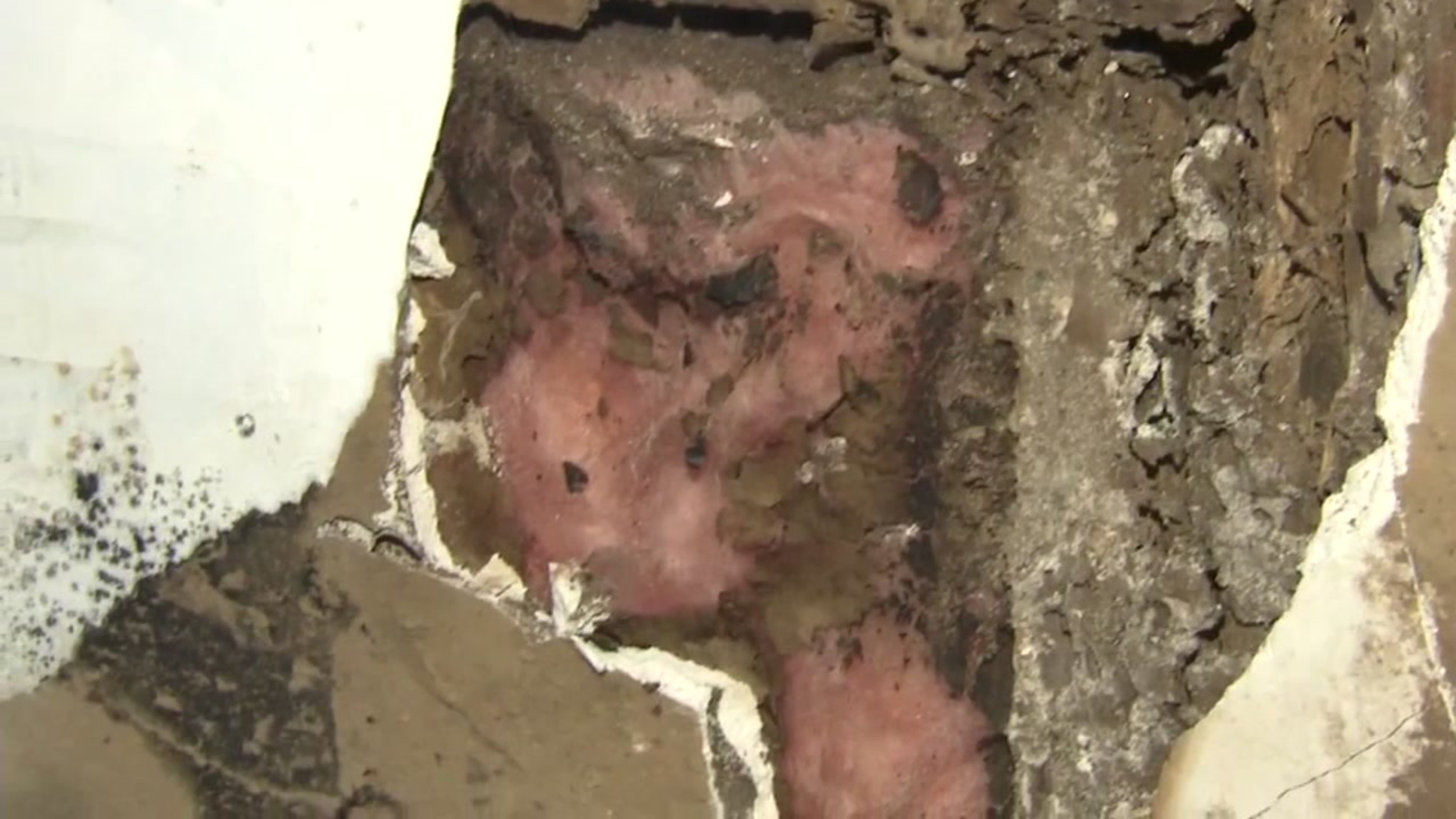
- Plaster and Lath Walls: Older walls often utilize wood lath and heavy plaster. While plaster resists moisture better than modern drywall, the cavities behind these walls can trap condensation without showing immediate surface signs.
- Knob-and-Tube or Older Wiring: When upgrading ventilation systems or running dehumidifiers, older electrical configurations may require safety updates to prevent overloads.
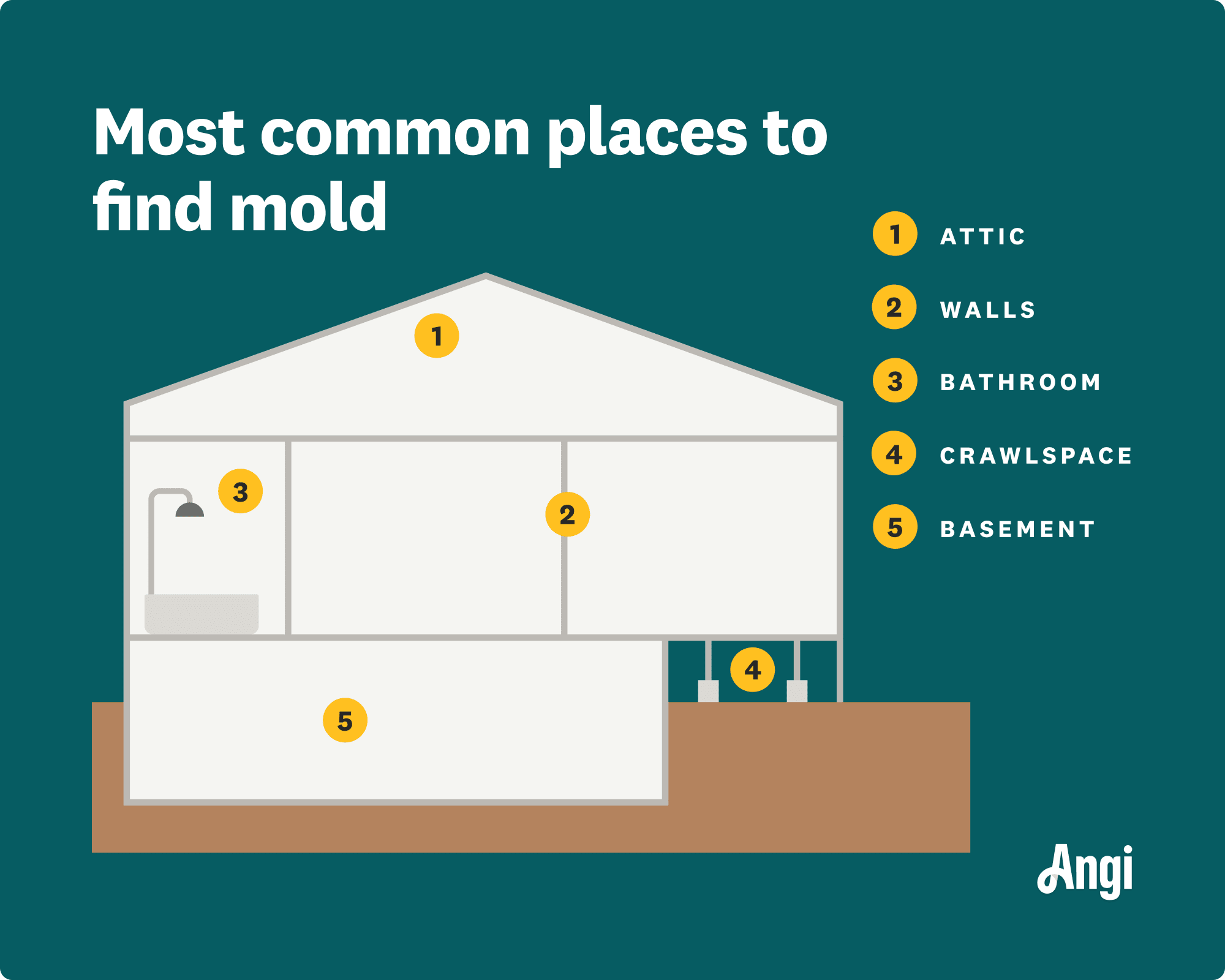
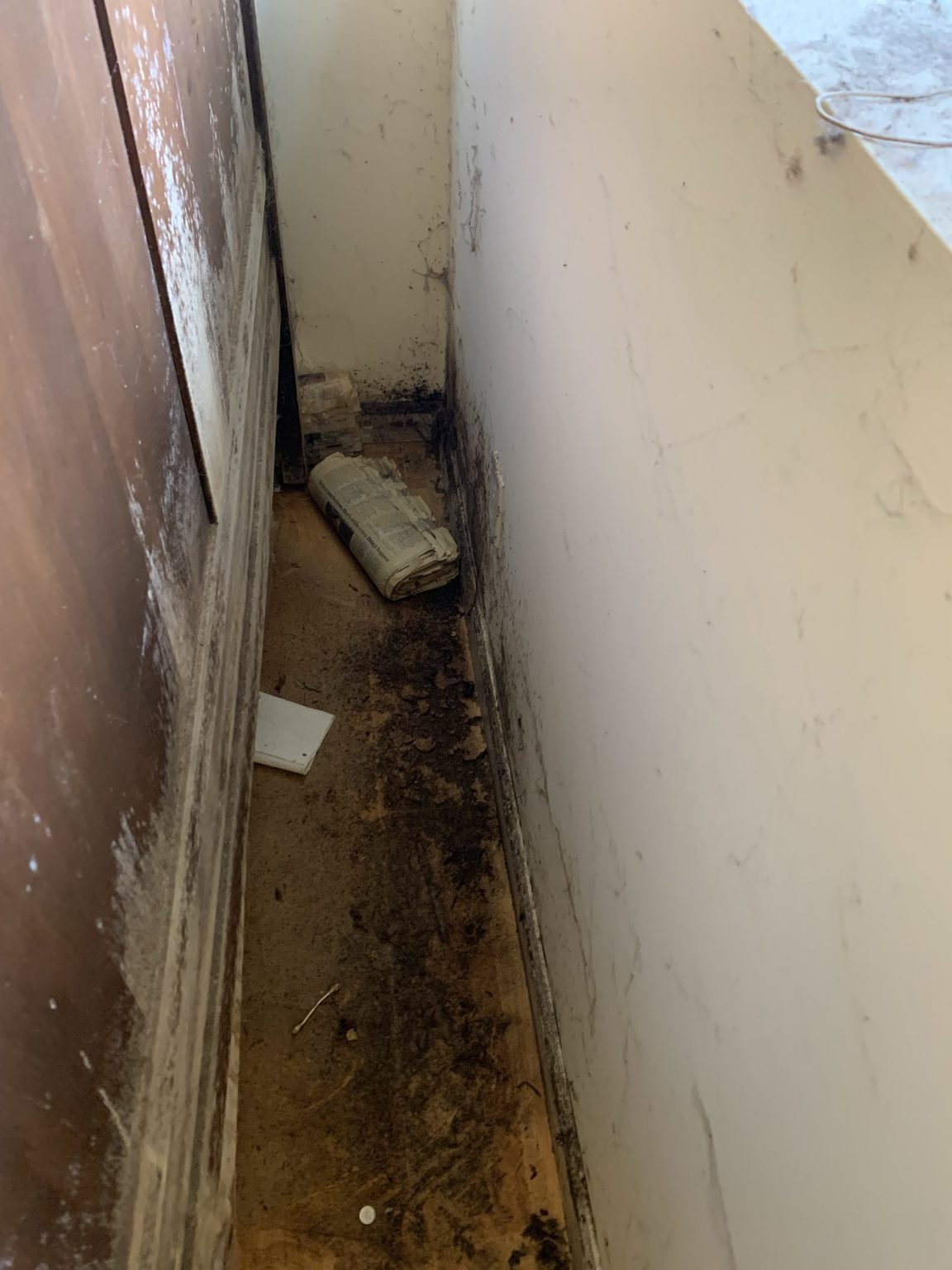
- Raised Foundations and Crawlspaces: Many San Francisco homes sit on raised foundations with open or semi-enclosed crawlspaces. Ground moisture migrating upward can settle in these areas, eventually affecting subflooring and lower living spaces.
Identifying the Root Causes of Indoor Mold
Effective mold remedies begin with diagnosis rather than cosmetic cleaning. Spraying bleach on a wall patch without stopping the underlying water intrusion guarantees that the growth will return.
Common Moisture Sources in Bay Area Homes
- Roof Leaks and Flashing Failures: Winter rainstorms driven by strong winds can expose vulnerabilities in older roofs, flashing around chimneys, and flat roof membranes common on San Francisco flats.
- Plumbing Failures: Aging galvanized or cast-iron pipes in historic homes are prone to pinhole leaks inside walls or beneath floorboards, creating hidden moisture pockets.
- Inadequate Bathroom and Kitchen Ventilation: Many older homes lack mechanical exhaust fans venting directly to the exterior, trapping steam from showers and cooking indoors.
- Window Condensation: Single-pane windows or uninsulated aluminum window frames act as thermal bridges, collecting heavy condensation during cold nights.
Step-by-Step Mold Remediation Protocols
When dealing with contamination, the scale of the infestation dictates the appropriate intervention. According to guidelines from the United States Environmental Protection Agency (EPA), small patches can often be managed by building occupants, whereas extensive colonies require containment and professional remediation.
Small-Scale Remediation (Under 10 Square Feet)
For minor surface growth on non-porous surfaces (such as tile, glass, or metal) or small patches on drywall, occupants can execute a controlled cleanup:
- Personal Protective Equipment (PPE): Wear an N95 respirator mask, protective eyewear, and rubber gloves to avoid inhaling spores or direct skin contact.
- Containment: Close doors to the room and open windows to the outside if weather permits, or isolate the work area with plastic sheeting if using indoor air scrubbers.
- Cleaning Solution: Use unscented detergent and warm water to scrub hard surfaces. Avoid relying solely on chlorine bleach; while bleach kills surface mold on non-porous materials, it does not penetrate porous materials like wood or drywall, and the water content can sometimes exacerbate moisture issues.
- Drying: Dry the area completely within 24 to 48 hours using fans and dehumidifiers.
Large-Scale and Structural Remediation
When contamination exceeds 10 square feet, or when growth stems from sewage backups or contaminated floodwater, specialized intervention is required. Professional remediation firms follow strict containment protocols, establishing negative air pressure containment zones with HEPA-filtered air scrubbers to prevent spores from spreading to uncontaminated rooms during demolition and cleaning.
| Infestation Size | Typical Location | Recommended Approach | Professional Required? |
|---|---|---|---|
| Under 10 sq. ft. | Window sills, bathroom grout, small wall patches | DIY cleaning with detergent, water, and thorough drying | Optional |
| 10 to 100 sq. ft. | Multiple wall sections, behind large furniture | Containment, HEPA vacuuming, porous material removal | Recommended |
| Over 100 sq. ft. | Entire rooms, subflooring, crawlspaces, HVAC ducts | Full commercial containment, negative air pressure, structural drying | Strongly Recommended |
Preventive Engineering for San Francisco Homes
Mitigating future growth requires long-term environmental control tailored to the Bay Area climate.
Humidity and Ventilation Control
Maintaining indoor relative humidity below 50 percent is critical. In San Francisco homes that lack central heating and cooling systems, achieving this requires targeted strategies:
- Dehumidification: Deploying portable or whole-house compression dehumidifiers during the damp summer fog season and winter rainy months.
- Mechanical Ventilation: Installing quiet, humidistat-controlled exhaust fans in bathrooms and kitchens. Ensure these exhaust directly outdoors rather than into attics or crawlspaces.
- Air Circulation: Utilizing interior ceiling fans and keeping interior doors open slightly to encourage airflow through rooms that do not receive direct sunlight.
Insulation and Thermal Upgrades
Addressing cold exterior walls prevents the dew point from forming on indoor surfaces. Upgrading wall cavity insulation (where accessible), installing double- or triple-pane windows, and applying thermal break strips to aluminum window frames significantly reduce condensation risks.
Landlord and Tenant Responsibilities in San Francisco
San Francisco has some of the most robust tenant protection laws in the United States, overseen locally by the San Francisco Rent Board and the Department of Building Inspection (DBI).
The Warranty of Habitability
Under California civil code and local San Francisco ordinances, residential landlords are legally obligated to maintain habitable premises. Severe mold contamination that impacts indoor air quality and poses health risks is legally classified as a substandard housing condition and a breach of the implied warranty of habitability.
Reporting and Enforcement Procedures
- Written Notice: Tenants discovering mold should provide written notice to their landlord or property management company, detailing the location of the growth and requesting an inspection and repair.
- Inspection Request: If a landlord fails to act within a reasonable timeframe (typically 30 days for non-emergencies, or much faster for active water leaks), tenants can contact the San Francisco Department of Building Inspection (DBI) to request an official code enforcement inspection.
- Rent Board Considerations: Persistent unaddressed habitability defects may allow tenants to file petitions for rent reductions through the San Francisco Rent Board until the landlord completes the necessary structural repairs.
Frequently Asked Questions
Does homeowner’s insurance cover mold damage in San Francisco?
Standard homeowner's and renter's insurance policies typically exclude mold damage unless the mold is the direct result of a covered, sudden, and accidental peril, such as a burst pipe. Gradual damage resulting from long-term humidity, chronic roof leaks, or rising groundwater is almost universally excluded from standard policies.
Is black mold a distinct species, and is it more dangerous than other molds?
"Black mold" commonly refers to Stachybotrys chartarum, a greenish-black fungus that thrives on high-cellulose materials soaked by water damage. While it can produce mycotoxins under specific conditions, all indoor mold types—regardless of color—can trigger allergic reactions, asthma attacks, and respiratory irritation in sensitive individuals and should be removed promptly.
Can I use ozone generators to clear mold spores from my San Francisco home?
Environmental health agencies, including the EPA, advise against using ozone generators in occupied spaces. Ozone is a lung irritant that can cause serious health problems at concentrations high enough to kill mold. Mechanical filtration using true HEPA air purifiers is a safer and more effective choice for indoor air quality maintenance.
How can I inspect for hidden mold behind walls before purchasing a San Francisco home?
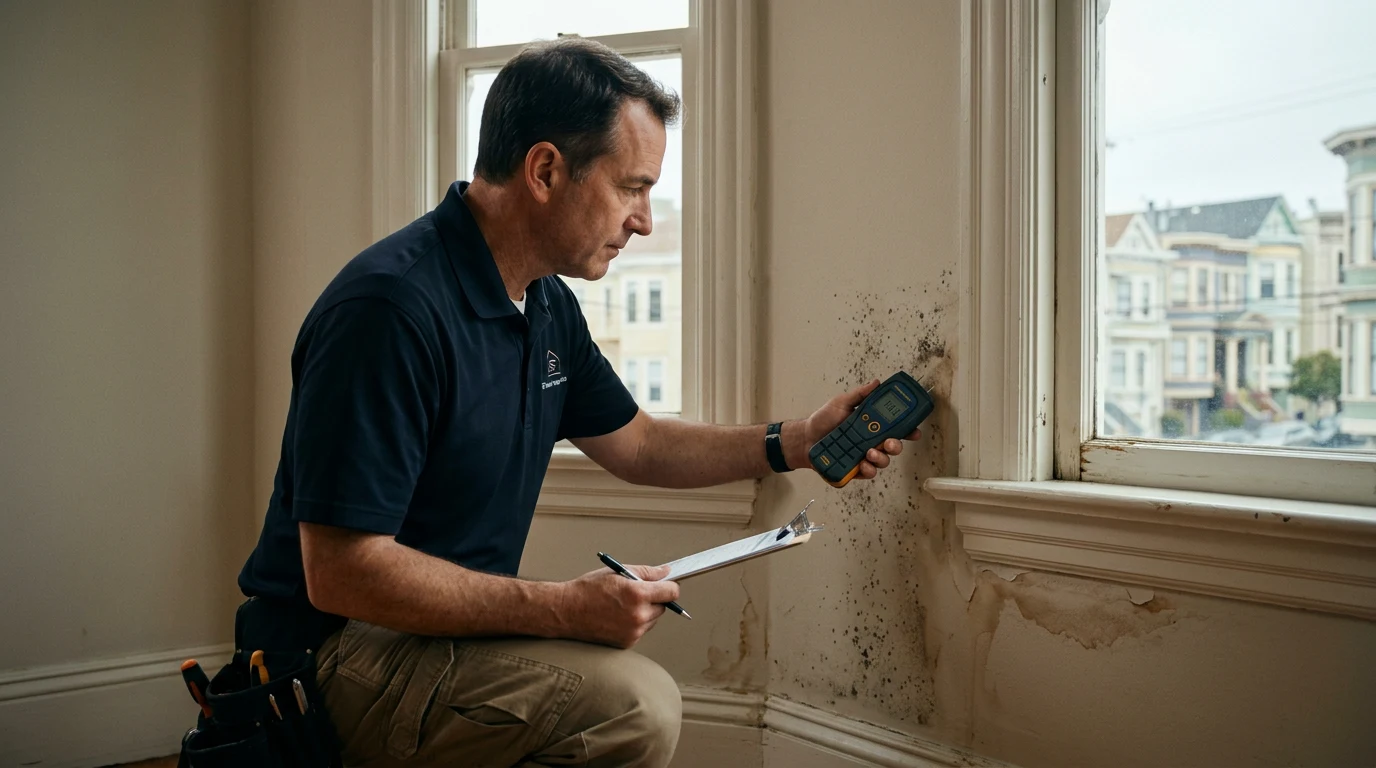
When buying historic Bay Area real estate, hiring a certified indoor environmental professional (IEP) to perform a thorough mold inspection is essential. Inspectors use thermal imaging cameras to locate hidden moisture pockets, perform moisture meter readings on framing, and take air or surface samples for laboratory analysis.
What immediate steps should I take if a pipe bursts in my San Francisco apartment?
Shut off the main water supply immediately, move furniture and personal belongings away from standing water, and document all affected areas with photographs for insurance purposes. Extract standing water using wet/dry vacuums, pull up saturated carpeting if necessary, and deploy heavy-duty commercial fans and dehumidifiers within the critical 24-to-48-hour window to prevent fungal colonization.
Next Actions for Property Owners and Renters
Effectively managing mold in San Francisco requires vigilance against the city's persistent moisture. Begin by inspecting vulnerable zones—such as north-facing exterior walls, window frames, bathrooms, and basements—for signs of discoloration or musty odors. Address minor surface spots promptly using appropriate detergent cleaning and drying techniques, but never hesitate to hire licensed contractors and mold remediators for large-scale structural issues or hidden water intrusion. For renters, maintaining open written communication with property managers ensures that structural repairs are handled in compliance with local San Francisco housing codes.
Image Gallery