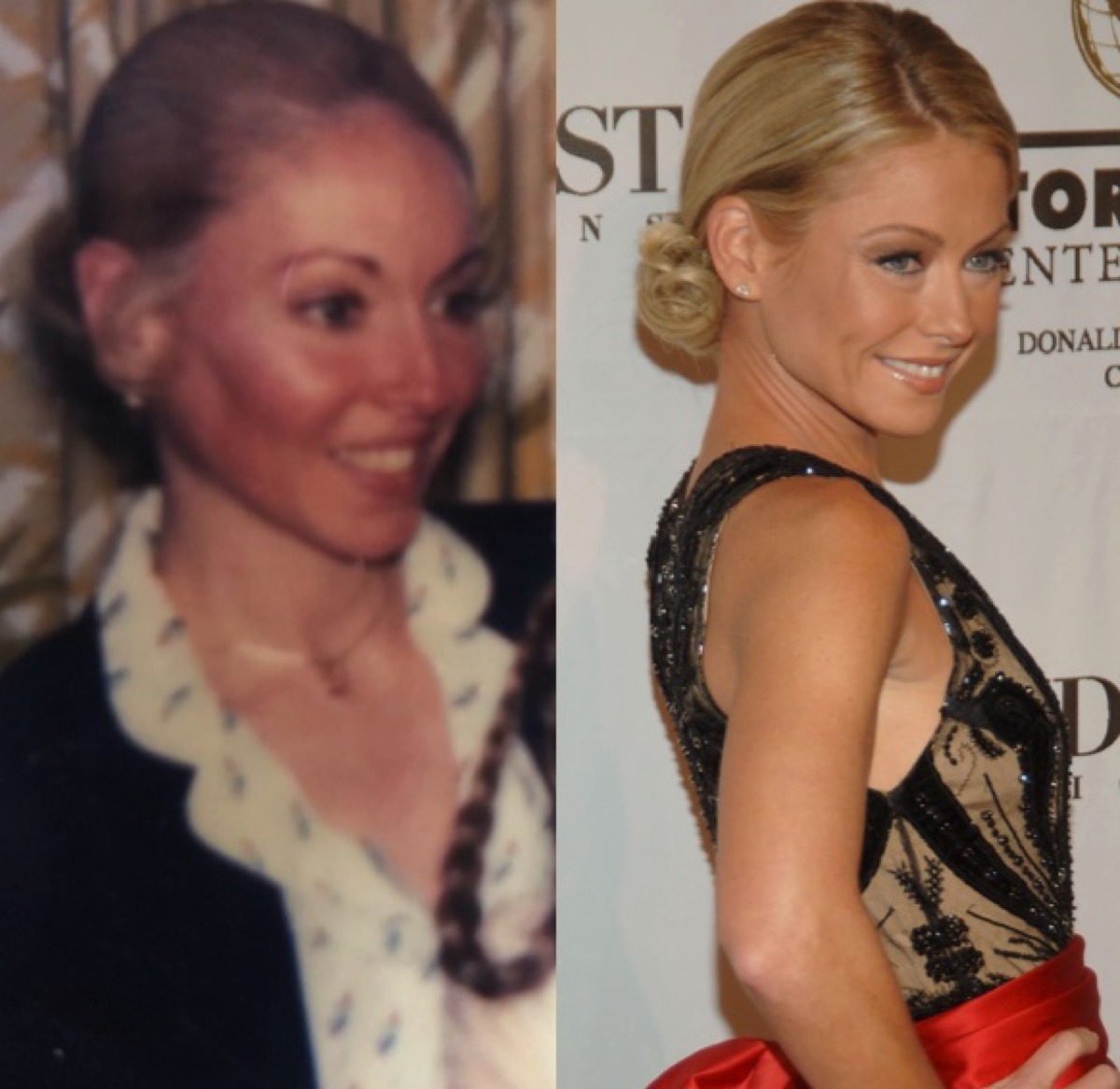
Why the Best Pictures of Kelly Ripa Are Worth a Second Look
The enduring appeal of Kelly Ripa’s public imagery lies in her unique trajectory through American media, where high-fashion editorial aesthetics intersect with the relatability of long-running daytime talk television. Analyzing these p...
The enduring appeal of Kelly Ripa’s public imagery lies in her unique trajectory through American media, where high-fashion editorial aesthetics intersect with the relatability of long-running daytime talk television. Analyzing these photographs provides a visual chronicle of brand evolution, personal style discipline, and the specific craft of celebrity image management that has sustained her career for over three decades.
Contents
The Evolution of a Media Brand Through Photography
To understand why Kelly Ripa’s photographs invite repeated examination, one must first recognize the evolution of her professional identity. From her early tenure on All My Children in the 1990s to her long-standing role as the co-host of Live with Kelly and Mark, her visual presentation has functioned as a strategic asset. Early imagery focused on the archetypal "next-door" aesthetic, characterized by soft lighting and approachable styling. As she transitioned into a powerhouse television host and producer, her photographic footprint shifted toward high-contrast, polished, and increasingly fashion-forward editorial shots.
What makes these images worth a second look today is the deliberate synthesis of these two personas. When browsing archives of her career, viewers see a transition from reactive styling—where a performer is styled by the production—to active personal branding. Her best pictures often capture this shift, showcasing a mastery of color theory, silhouette selection, and a consistent commitment to physical fitness that aligns with modern wellness-centric media narratives.
Technical Elements of Editorial Celebrity Portraits
Professional photographers and style analysts often point to Ripa’s imagery as a case study in effective framing and lighting. Unlike many public figures who rely solely on candid paparazzi shots, a significant portion of her widely circulated imagery comes from curated press kits, red carpet events, and magazine features.
The "second look" value here is technical. Observe the following elements that frequently appear in her most impactful portraits:
- Color Saturation: Ripa frequently utilizes a wardrobe palette that emphasizes high-saturation jewel tones, which contrast sharply against the neutral or high-key lighting common in television studio environments.
- Verticality and Proportion: Much of the attention directed toward her best photographs involves her use of vertical lines—tailored blazers, high-waisted trousers, and specific footwear choices that maximize photographic proportion.
- Controlled Expression: Unlike fleeting candid moments, the best editorial photographs of Ripa utilize a "constant" gaze. The consistency in her eye contact and facial engagement suggests a high degree of professional awareness regarding the camera’s perspective, a skill honed through thousands of hours of live television production.
Comparative Analysis of Media Eras
When categorizing the best pictures of Kelly Ripa, it is useful to group them by the era of media production they represent. The following table illustrates how the medium of photography has changed the way audiences consume her image.
| Era | Primary Medium | Visual Characteristics | Strategic Focus |
|---|---|---|---|
| 1990–2000 | Analog Print / Publicity Stills | Soft focus, heavy grain, warm tones | Casting as "The Girl Next Door" |
| 2001–2010 | Digital Media / High-Res Print | Sharp contrast, studio lighting | Professional hosting authority |
| 2011–2020 | Social Media / HD Broadcast | Vibrant, high-definition, curated | Lifestyle influencer / Wellness icon |
| 2021–2026 | Multi-Platform / Short-form Video | Dynamic framing, authenticity | Relatability and long-term brand |
The "Wellness Narrative" in Modern Imagery
A primary reason Ripa’s recent photographs receive significant engagement is their alignment with the current obsession with longevity and health. In the context of 2026 media, photography is no longer just about fashion; it is about physical discipline. Her best pictures often highlight athletic conditioning, which has become a central pillar of her public brand.
When viewers examine these images, they are often looking for validation or inspiration regarding personal health journeys. This adds a layer of depth to the viewing experience that wasn't present in early 2000s magazine spreads. The imagery acts as a visual syllabus for her off-camera habits, blending celebrity status with the practical application of discipline. Analysts note that this specific intersection of lifestyle and celebrity ensures her imagery remains relevant, as it provides "proof of concept" for her advice on wellness and routine.
Common Misconceptions Regarding Celebrity Imagery
It is essential to distinguish between candid, unmanaged photography and highly produced editorial assets. A common mistake among viewers is the assumption that every "best" picture is a spontaneous moment. In reality, the most iconic photographs are the result of significant pre-production, including professional stylists, specialized lighting technicians, and rigorous post-production color grading.
By understanding that these images are constructed, viewers gain a more sophisticated appreciation for the work involved. The "second look" reveals the intentionality behind the brand. When a viewer stops to analyze the lighting or the wardrobe choice, they are engaging with the product of a sophisticated media machine rather than a simple snapshot of a person.
Essential Questions Regarding Celebrity Photographic Archives
For those looking to deeper understand the impact and history of Kelly Ripa’s photographic footprint, the following questions are often at the center of the discussion:
Why do specific styles from the early 2000s regain popularity in her recent galleries? Fashion is cyclical, and Ripa’s career spans enough decades that her earlier photographs serve as a lookbook for nostalgic trends that are currently resurfacing. Observing her past choices helps context-aware audiences understand how to modernize retro silhouettes.
What role does lighting play in the perception of her public image? Lighting changes the mood of a portrait entirely. In studio settings, Ripa is often lit to emphasize high-contrast, professional clarity, which aligns with her role as a broadcaster. When compared to the softer, warmer lighting of home-based social media content, this creates a distinct split between "professional" and "personal" brand segments.
Are there differences between her print media imagery and digital-first assets? Yes. Print media traditionally relies on composition and staging for long-term shelf life, whereas digital-first imagery is optimized for scroll-stopping power, often favoring brighter colors and more aggressive cropping.
How has the demand for "authentic" photography affected her recent photo shoots? There is a clear move toward "managed authenticity," where images are curated to look less like professional shoots and more like captured lifestyle moments. This lowers the barrier of intimidation for the viewer, making the imagery feel more achievable.
Final Recommendations for Photo Enthusiasts
If you are interested in exploring the photographic history of Kelly Ripa, focus your attention on reputable archival sources such as industry trade publications, official red-carpet galleries from major network events, and high-quality lifestyle magazine features. Avoid low-resolution re-posts on social media platforms, as these degrade the original work of the photographers and often misrepresent the color palette and composition of the original files.
By focusing on high-definition sources, you can better appreciate the technical nuances of the styling, the composition of the frame, and the evolution of her brand identity. Treat these galleries not merely as images of a personality, but as a studied lesson in how one manages a public-facing career through the deliberate use of visual media.
Image Gallery