How to Get Free Estimates for Roofing: A Complete Guide for 2026
In 2026, getting free roofing estimates involves contacting licensed contractors, using digital lead platforms, or checking manufacturer-certified installer lists. Most reputable companies provide these assessments without charge to se...
In 2026, getting free roofing estimates involves contacting licensed contractors, using digital lead platforms, or checking manufacturer-certified installer lists. Most reputable companies provide these assessments without charge to secure your business, typically covering labor, material costs, and project timelines to help you compare competitive bids before signing a contract.
Contents
The roof is one of the most critical structural components of any building, and its replacement or repair represents a significant financial investment. Because of the high stakes involved, the roofing industry has long maintained a standard of providing free estimates to prospective clients. This allows homeowners to vet professionals and understand the scope of their project without an upfront financial commitment. However, navigating the nuances of these estimates—knowing what to ask for and how to distinguish a "free quote" from a "paid diagnostic inspection"—is essential for making an informed decision.
The Difference Between an Estimate, a Quote, and an Inspection
Before reaching out to contractors, it is vital to understand the terminology used in the 2026 roofing market. While many people use these terms interchangeably, they carry different weights and sometimes different price tags.
Free Estimates and Quotes
An estimate is a preliminary calculation of what a roofing project might cost. It is usually based on a visual assessment of the roof’s exterior and the homeowner’s stated needs. A quote (or bid) is a more formal offer that becomes a binding contract if accepted. In 2026, most residential roofing contractors offer both for free as part of their sales process. These documents typically outline the cost of materials, labor, and basic overhead.
Paid Diagnostic Inspections
A diagnostic inspection is different. If you have a specific, hard-to-find leak or if you require a detailed report for a real estate transaction or a complex insurance claim, a contractor may charge a fee. This is because the process involves more than just measuring the roof; it may require thermal imaging, moisture meters, or entering the attic to check the decking and rafters from the inside. Always ask, "Is there a fee for the initial visit?" to avoid unexpected charges.
Where to Find Reliable Roofing Estimates in 2026
Finding a contractor is easier than ever due to the integration of satellite imagery and AI-driven matching services, but the best estimates still come from a blend of digital convenience and local reputation.
1. Manufacturer-Certified Contractor Directories
One of the most reliable ways to find contractors who offer free estimates is through the websites of major shingle and roofing material manufacturers. Companies like GAF, Owens Corning, and CertainTeed maintain directories of "certified" or "master elite" installers. These contractors are vetted by the manufacturers to ensure they follow specific installation standards, and they almost universally offer free consultations to maintain their status.
2. Digital Marketplace Platforms
Online platforms remain a primary source for connecting with local pros. By entering your zip code and project details, you can receive multiple estimates from screened contractors. These services are particularly useful for comparing pricing quickly, though you should be prepared for multiple follow-up calls once you submit your data.
3. Local Community and Professional Associations
Checking with the Better Business Bureau (BBB) or local chambers of commerce can lead you to established businesses that have served your area for years. Furthermore, the National Roofing Contractors Association (NRCA) provides resources for homeowners to find qualified professionals who adhere to a strict code of ethics, which includes transparent, free estimating practices.
The Process of Getting a Roofing Estimate
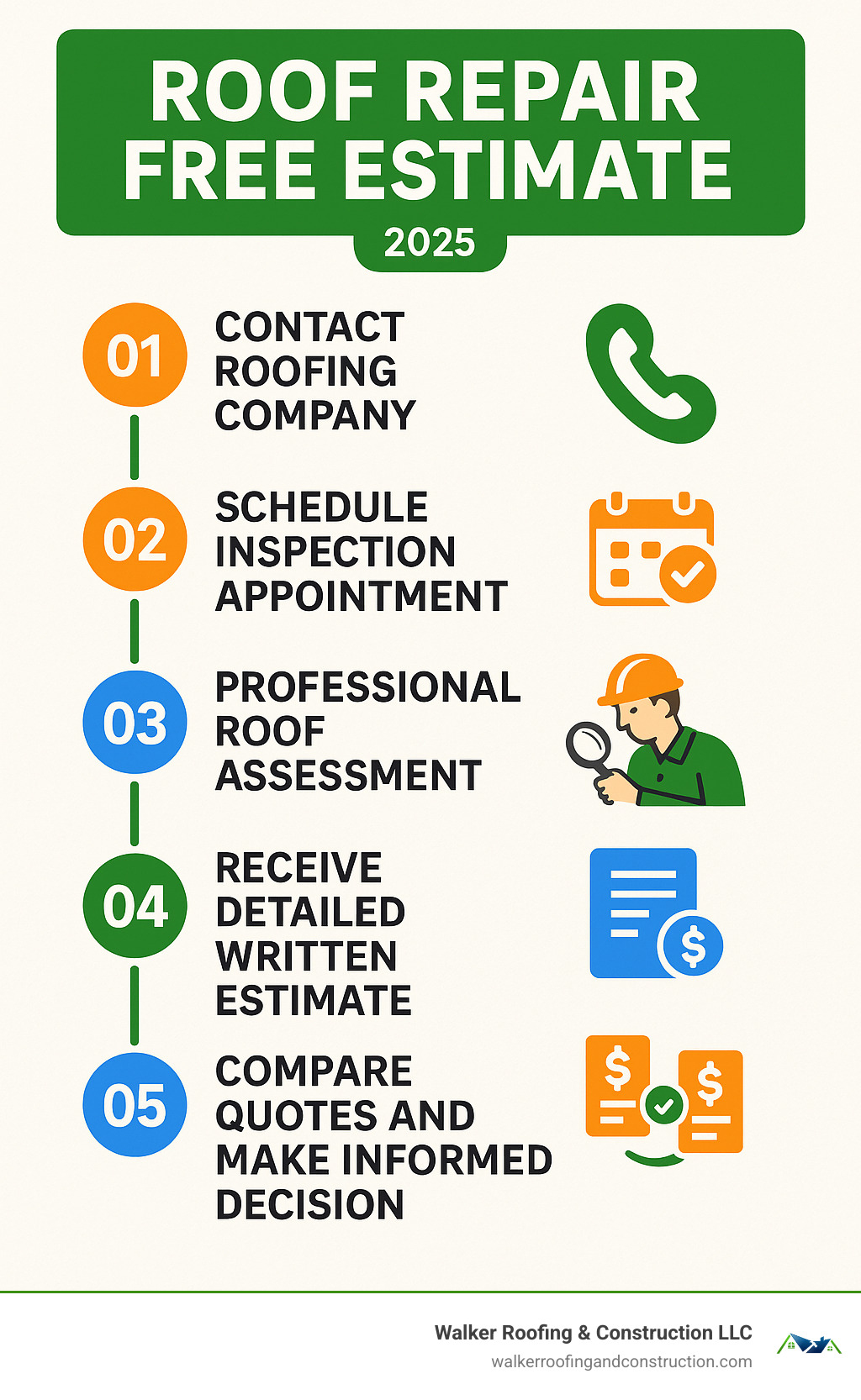
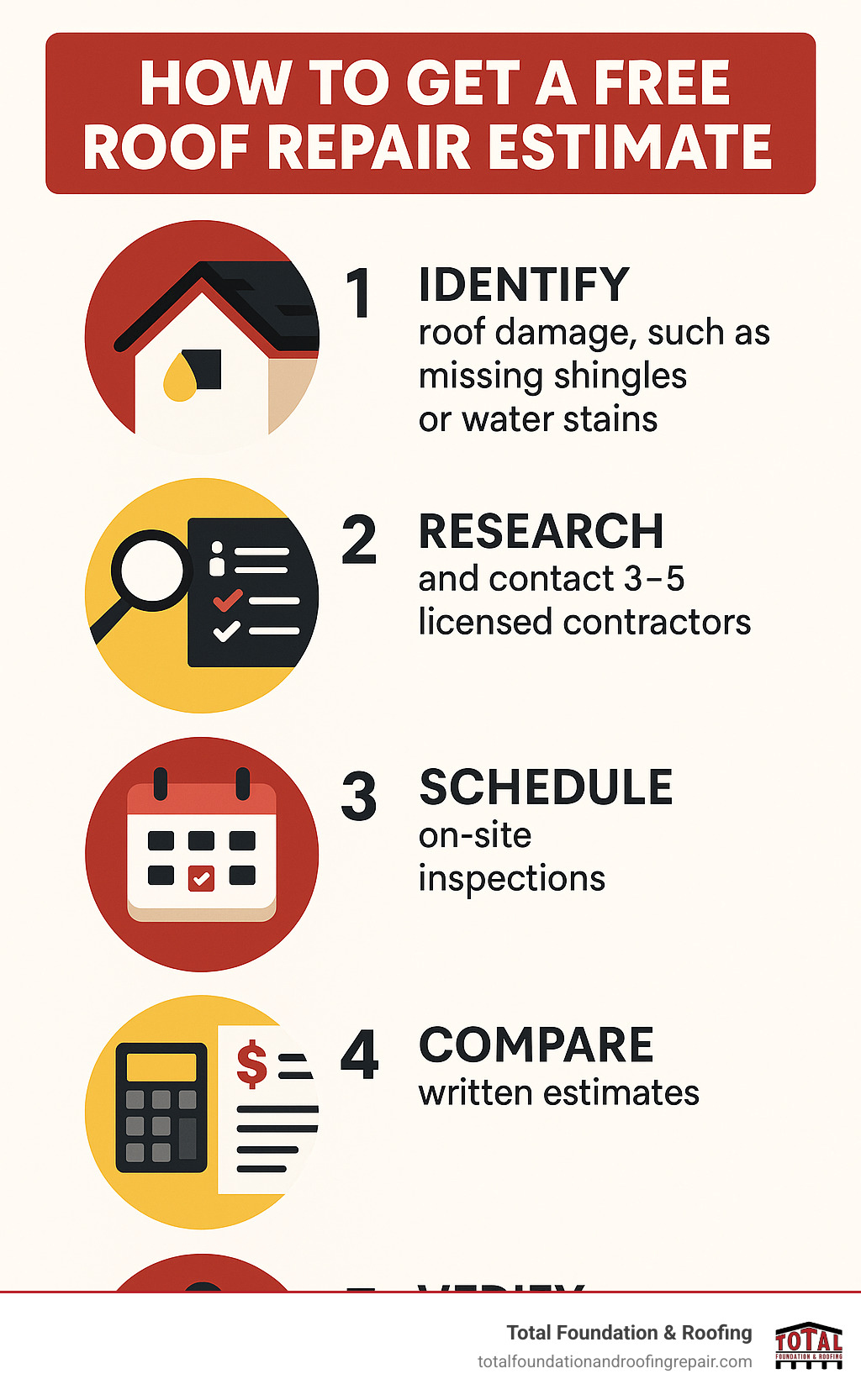
Getting an accurate estimate is a multi-step process. In 2026, this often begins with a "remote estimate" followed by a physical site visit.
Step 1: The Initial Remote Assessment
Many roofing companies now use high-resolution satellite imagery or drone footage to get a "bird’s-eye view" of your property before they arrive. They can calculate the "square" (a 100-square-foot area) of your roof, the pitch (steepness), and the number of valleys and ridges. This allows them to provide a "ballpark" figure over the phone or via email.
Step 2: The On-Site Inspection
A physical visit is still necessary for a final, binding estimate. During this visit, the contractor should:
- Check for Multiple Layers: They need to see if there is more than one layer of shingles, as local building codes often require full a tear-off if two layers already exist.
- Inspect Flashing and Vents: They will look at the metal transitions around chimneys, dormers, and pipes.
- Assess the Gutter System: They will determine if the current gutters can handle the runoff or if they need replacement alongside the roof.
- Evaluate the Decking: If the wood underneath the shingles is rotting, it must be replaced, which can significantly impact the final cost.
Step 3: Receiving the Written Document
Never accept a verbal estimate. A professional estimate in 2026 should be delivered as a digital or printed document that clearly breaks down the costs.
| Estimate Component | What it Covers | Why it Matters |
|---|---|---|
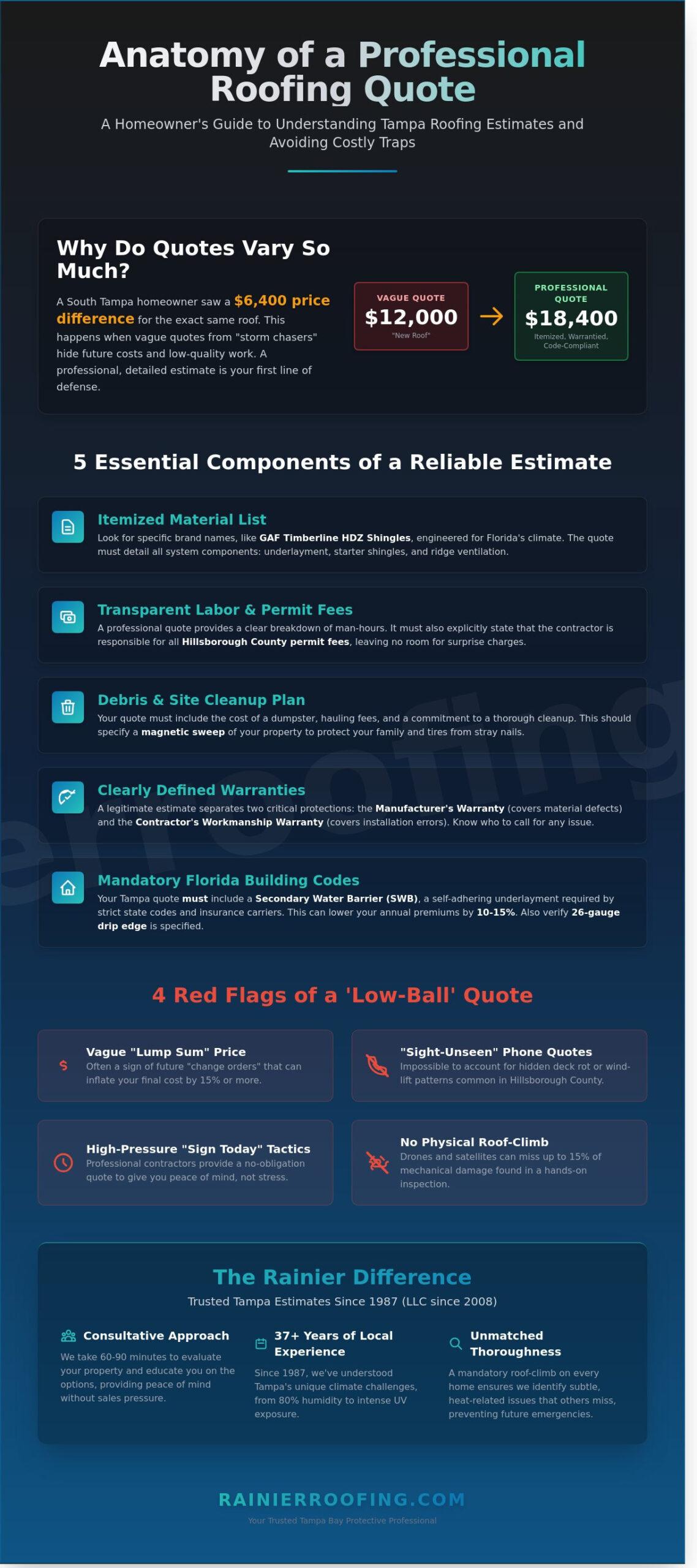
| Material Costs | Shingles, underlayment, ice/water shields, flashing. | Ensures you are getting the specific brand/quality you discussed. |
| Labor | Removal of old materials and installation of new ones. | Protects you from "hidden" hourly charges later. |
| Disposal Fees | Renting a dumpster and hauling away debris. | Roofing creates massive waste; disposal can cost hundreds of dollars. |
| Permit Fees | Costs paid to local municipalities for building permits. | Ensures the work is legal and will pass local safety inspections. |
| Warranties | Manufacturer material warranty and contractor workmanship warranty. | Defines your protection if the roof leaks in 2 or 10 years. |
How to Compare Multiple Estimates
It is a standard recommendation to get at least three free estimates. However, the goal is not simply to pick the lowest number. A "cheap" roof often results from cutting corners on materials or labor.
Look for Consistency in Scope
When comparing bids, ensure they are all quoting the same materials. If one contractor quotes architectural asphalt shingles and another quotes basic three-tab shingles, the prices will vary wildly. Ensure the "scope of work" is identical across all documents so you are comparing "apples to apples."
Evaluate the Payment Schedule
Reputable contractors rarely ask for the full amount upfront. A typical 2026 payment schedule involves a small deposit (often 10-33%) to secure the date and order materials, with the balance due upon completion and inspection. Be wary of any contractor who demands a large cash payment before any materials arrive at your home.
Verify Licensing and Insurance
A free estimate is worthless if the contractor isn't legal. Ask for proof of:
- General Liability Insurance: Protects your property if they cause damage.
- Workers’ Compensation: Protects you from being sued if a worker is injured on your property.
- State Licensing: Verify the license number through your state’s contractor board website.
Common Red Flags During the Estimation Process
While most contractors are professional, some use "free estimates" as a high-pressure sales tactic. Stay alert for the following warning signs:
- "Today Only" Discounts: If a contractor says the price is only valid if you sign the contract before they leave your driveway, it is a sign of aggressive sales tactics. Estimates should typically be valid for 30 days.
- Lack of Specifics: Beware of estimates that just list a total price without breaking down materials and labor. This "lump sum" approach makes it easy for contractors to hide low-quality materials.
- No Attic Inspection: A contractor who doesn't look in your attic is guessing about the health of your roof deck. You don't want a "surprise" $2,000 charge for new plywood halfway through the job.
- Requirement of Insurance Checks: In 2026, some "storm chasers" will ask you to sign over your entire insurance check before they provide an estimate. Never sign over insurance proceeds until the work is completed to your satisfaction.
Technical Considerations: Materials and 2026 Trends
When getting your estimate, specify the type of roofing you are interested in, as this dictates the complexity of the quote.
- Asphalt Shingles: Still the most common. In 2026, many homeowners are opting for "cool roof" shingles that reflect UV rays to lower energy bills.
- Metal Roofing: Higher upfront cost in the estimate but offers a 50-year lifespan. Ensure the estimate includes specialized flashing and fasteners.
- Solar Integration: If you are considering solar panels, get a roofing estimate that includes "solar-ready" flashing or integrated solar shingles (BIPV). This requires a contractor with specialized electrical and roofing certifications.
Frequently Asked Questions
Do I need to be home for a roofing estimate?
While some contractors can provide a preliminary estimate using drones or satellite data without you being present, it is highly recommended that you are home for the final on-site assessment. This allows the contractor to inspect the attic, discuss your specific concerns, and provide a more accurate quote based on the interior state of the roof structure.
How many estimates should I get for a new roof?
Most experts recommend getting at least three estimates. This provides a clear picture of the market rate for your specific area and helps you identify if one contractor is overcharging or if another is quoting suspiciously low, which could indicate a lack of proper insurance or the use of sub-standard materials.
Is a free estimate legally binding?
No, a free estimate is generally not a legally binding contract. It is an "invitation to treat" or a proposal. The estimate only becomes binding once both parties sign a formal contract that includes the scope of work, total price, and terms of service. Always read the fine print of the contract to ensure it matches the estimate provided.
Why do some roofers charge for an estimate?
If a roofer charges for an estimate, it is usually because they are providing a specialized service, such as a certified inspection for a home sale or a detailed damage report for a legal dispute. For standard replacement or repair queries, most reputable contractors provide free estimates as part of their marketing and customer acquisition strategy.
How long does a roofing estimate take?
The on-site portion of a roofing estimate typically takes between 30 and 90 minutes, depending on the size and complexity of the roof. Receiving the written document can take anywhere from a few hours to a few days, depending on whether the contractor uses automated estimating software or needs to check current material prices with suppliers.
Final Recommendation for Homeowners
When seeking free roofing estimates in 2026, your best course of action is to start with three manufacturer-certified local contractors. By selecting professionals who are backed by major brands like GAF or Owens Corning, you ensure a baseline of quality and accountability. Always insist on a detailed, written breakdown of costs and never feel pressured to sign a contract on the spot. A roof is a long-term investment; taking an extra week to compare bids and verify insurance will save you thousands of dollars in potential repairs and legal headaches down the road.
Image Gallery