Risks and Realities of Seeking Kaspersky Endpoint Security Cloud Crack
Attempting to use a "Kaspersky Endpoint Security Cloud crack" exposes organizations to critical security vulnerabilities, legal liabilities, and the loss of essential vendor support. These unauthorized patches or key generators are inh...
Attempting to use a "Kaspersky Endpoint Security Cloud crack" exposes organizations to critical security vulnerabilities, legal liabilities, and the loss of essential vendor support. These unauthorized patches or key generators are inherently malicious, often embedding ransomware or remote access trojans (RATs) within the enterprise environment. Genuine endpoint protection requires a legitimate, subscription-based license to ensure continuous access to cloud-managed threat intelligence and administrative consoles.
Contents
Understanding the Role of Endpoint Protection
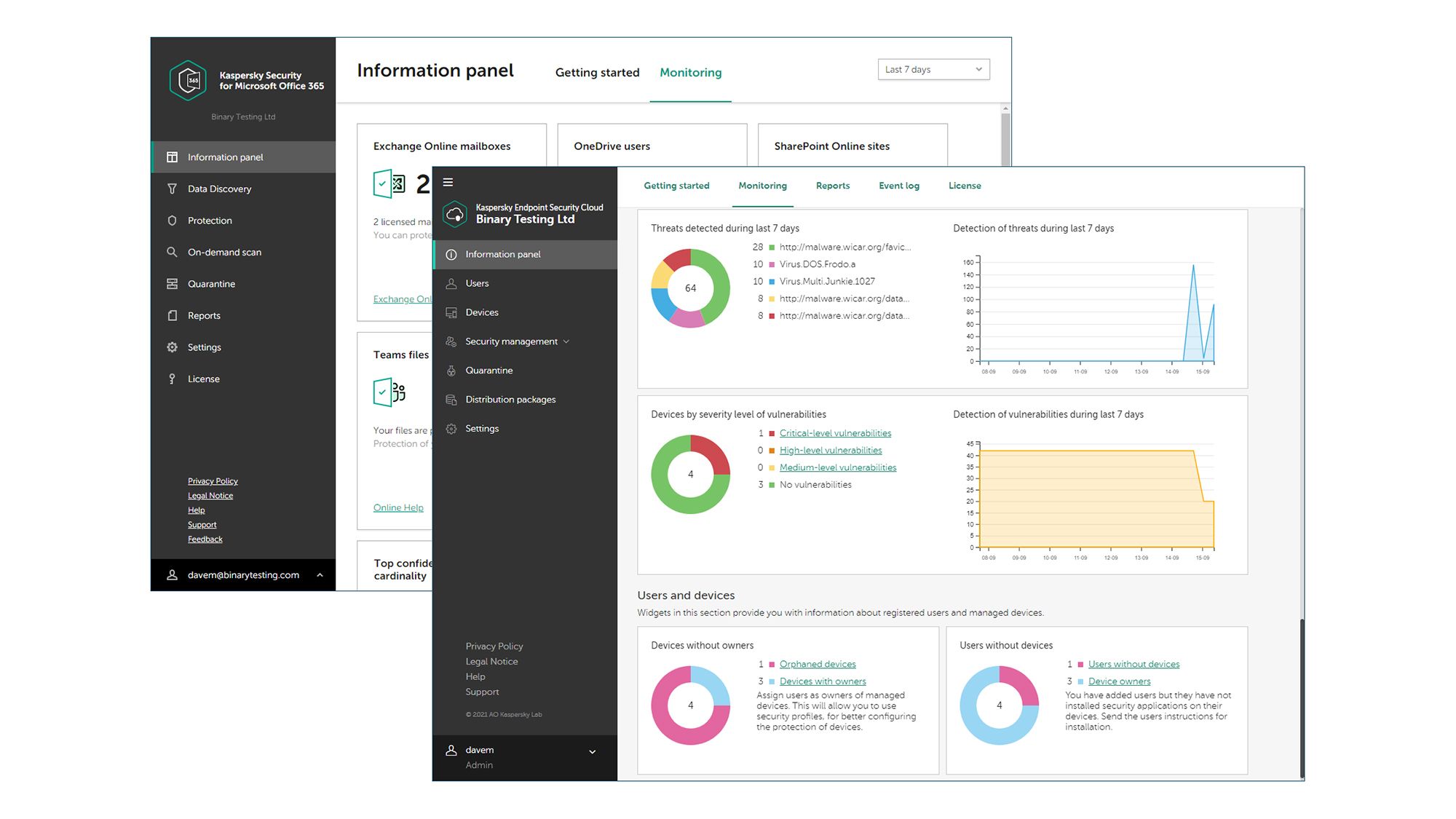
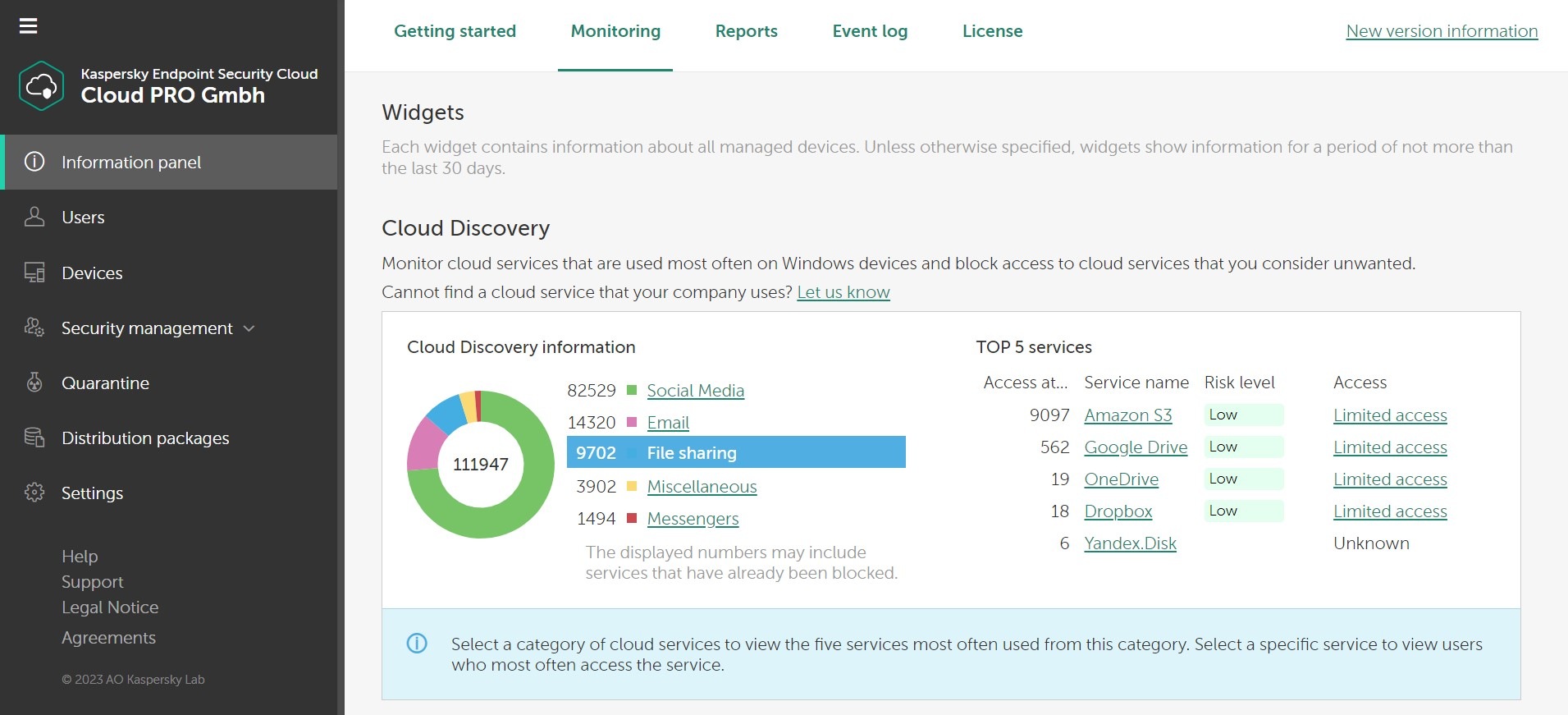
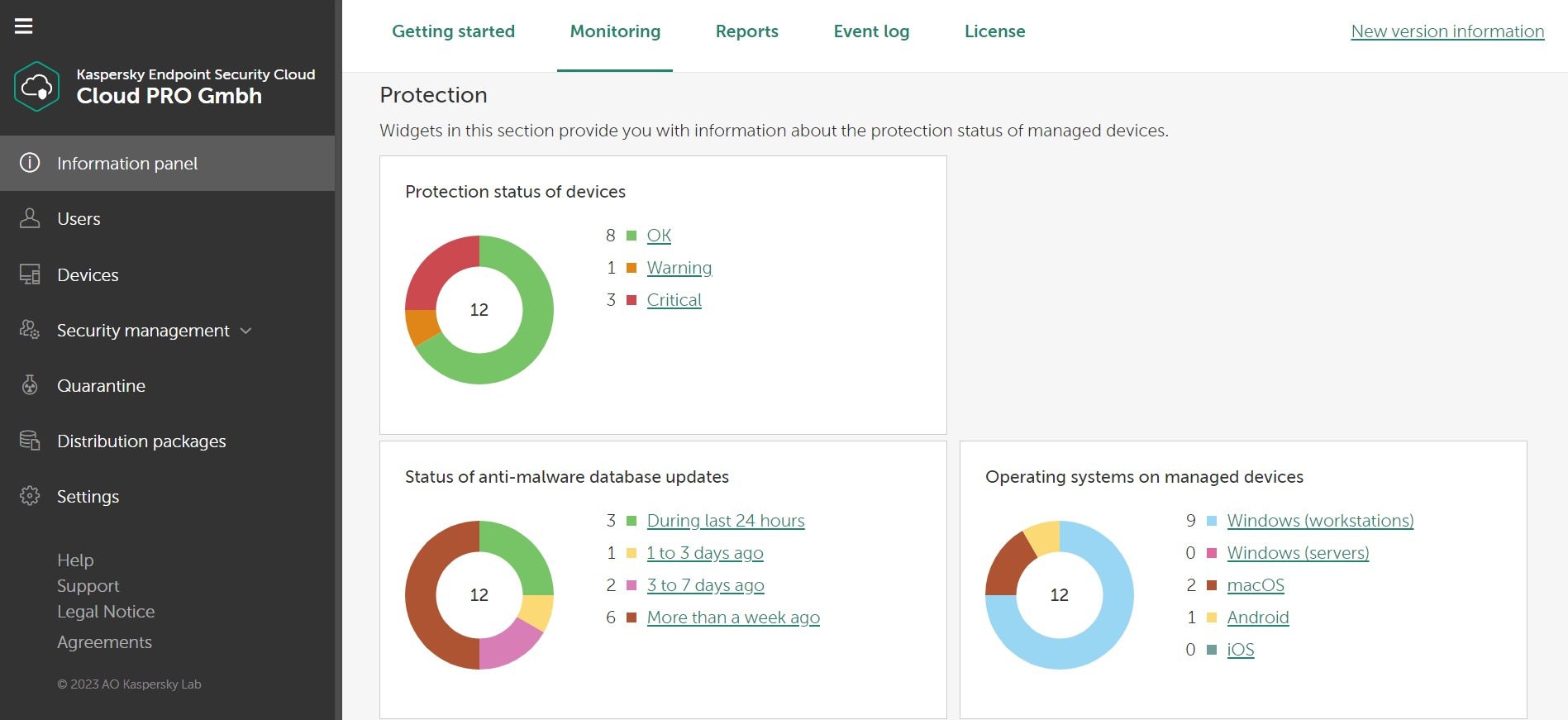
Kaspersky Endpoint Security Cloud is designed as a centralized management platform for small to medium-sized businesses. Its core function is to secure corporate endpoints—such as laptops, mobile devices, and file servers—from a unified, web-based management console. Unlike consumer-grade antivirus software, this platform provides granular control over firewall settings, web traffic, device management, and patch deployment.
When administrators search for a "crack," they are effectively looking for a way to bypass the licensing server that verifies the authenticity of the software. In a legitimate deployment, the software periodically communicates with Kaspersky’s infrastructure to update definitions and sync policy changes across the network. A cracked version intentionally breaks this communication loop, rendering the security software a "zombie" installation that cannot receive real-time updates against emerging threats.
The Technical Dangers of Unofficial Software
The files distributed under the guise of "cracks," "patches," or "activators" for enterprise security suites are rarely what they appear to be. Cybercriminals frequently target IT administrators who are searching for ways to cut costs, as these individuals possess elevated network privileges.
Common Malicious Payloads
- Backdoor Trojans: The crack file may execute a legitimate installer while simultaneously opening a persistent backdoor, granting attackers entry to your internal network.
- Credential Harvesting: These tools are often programmed to scrape saved browser passwords, VPN configurations, and administrative tokens from the local system.
- Botnet Recruitment: Infected endpoints become part of a larger botnet, used for Distributed Denial of Service (DDoS) attacks or as proxies for illicit traffic, often slowing down business operations significantly.
- Ransomware Delivery: In many observed cases, the "activation" process initiates an encryption routine that locks the user’s files until a ransom is paid.
Because the software has been tampered with, it cannot defend the system against the very malware it was tasked to detect. By installing a cracked security tool, you are essentially providing the intruder with the keys to the kingdom, bypassing the primary line of defense.
Legal and Compliance Implications
Using non-licensed enterprise software places a business in direct violation of the End User License Agreement (EULA). This is not merely a civil matter between the vendor and the business; it has broad regulatory consequences.
Many jurisdictions have strict data protection laws, such as the General Data Protection Regulation (GDPR) in Europe or various state-level privacy acts in the United States. These regulations mandate that businesses must implement "appropriate technical measures" to secure personal data. Using an unauthorized, modified version of security software could be interpreted by regulators as a failure to maintain due diligence, leading to massive fines in the event of a data breach.
Furthermore, if an organization suffers a data breach while running unauthorized software, insurance carriers may deny cyber-liability claims. Most policies contain clauses requiring the policyholder to maintain all software with valid, supported, and updated licensing.
Comparison: Licensed vs. Cracked Security Infrastructure
| Feature | Legitimate Licensed Subscription | Cracked/Unauthorized Version |
|---|---|---|
| Security Updates | Continuous, real-time threat intelligence | None (Static definition files) |
| Cloud Console Access | Full management and remote reporting | None (Console connectivity blocked) |
| Technical Support | Access to 24/7 expert help and patches | None (Self-service only) |
| Regulatory Compliance | Meets industry standards (GDPR, HIPAA) | Non-compliant; creates legal risk |
| Integrity | Software signatures verified by vendor | High risk of hidden malware/backdoors |
Evaluating Cost-Effective Alternatives
If the barrier to entry for endpoint security is the annual subscription cost, there are several professional ways to address the challenge without compromising network integrity.
- Vendor Scaling: Most enterprise vendors offer tiered licensing. If your current deployment is too costly, contact a representative to discuss downgrading to a specific subset of features that better aligns with your budget.
- Open Source Solutions: Consider robust, open-source alternatives like Wazuh or ClamAV. While these require higher technical expertise to maintain than a cloud-managed SaaS, they are legally transparent and can be audited by your internal team.
- Managed Service Provider (MSP) Models: Many MSPs include endpoint security as part of a bundled service agreement. This can be more predictable for cash flow and shifts the burden of license management and technical configuration to a professional team.
- Free Tiers/Trials: Use legitimate trial periods to test the software’s performance. Often, vendors provide extended evaluation licenses if an organization is actively engaged in the procurement process.
Frequently Asked Questions
Can I just block the software from reaching the internet to use it for free?
No. While you might prevent the software from deactivating immediately, you will lose the ability to receive virus definition updates. Security software without updated threat databases is useless against modern, evolving malware.
Why do some sites say their crack is safe to use?
Sites hosting illegal software often use "social proof" to trick users. Comments and reviews on such sites are frequently automated or written by the attackers themselves. No reputable security professional would ever recommend using a modified executable for enterprise protection.
How do I check if my current software is legitimate?
Log in to your vendor’s management console. If the subscription status shows as "Active" with a valid expiration date synced to the cloud, you are using a legitimate copy. If the console is inaccessible or the status is "Invalid" or "Offline," your deployment is not functioning correctly.
Is there a risk to my personal data if I use cracked software?
Yes. If you manage your personal banking, sensitive corporate emails, or customer databases on a machine running tampered security software, that data is at risk of being exfiltrated by whoever created the crack.
What should I do if I have already installed a crack?
Immediately isolate the affected device from your network. Back up critical data to an offline medium (not a cloud sync folder), wipe the device, and perform a clean reinstallation of the operating system. Then, procure a legitimate license from an authorized vendor.
Next Steps for Organizations
If you are currently relying on unauthorized software, the risk to your business operations is extreme. You should treat the presence of such tools as a "compromise indicator." Perform an audit of all software assets across your network, remove any unlicensed binaries, and transition to a supported, subscription-based security model. Your business continuity and data integrity depend on the reliability of the tools you use to protect them.
Image Gallery