Examples of Environmental Activism in the US: History, Strategies, and Modern Movements
Environmental activism in the United States has a rich history characterized by grassroots organizing, legal battles, corporate accountability campaigns, and direct action. From early wilderness preservation to modern campaigns address...
Environmental activism in the United States has a rich history characterized by grassroots organizing, legal battles, corporate accountability campaigns, and direct action. From early wilderness preservation to modern campaigns addressing climate change and environmental justice, American activists have continuously shaped national policy and public consciousness. Understanding these efforts reveals how collective action drives legislative reforms and transforms societal relationships with the natural world.
Contents
The Evolution of American Environmentalism
American environmental activism did not emerge overnight; it evolved through distinct waves that responded to the changing ecological threats facing the nation. The earliest phase, spanning the late 19th and early 20th centuries, focused primarily on land conservation and the protection of vast wilderness areas. Visionaries like John Muir, who co-founded the Sierra Club in 1892, advocated for preserving pristine landscapes from industrial exploitation. This era led to the creation of the National Park System under President Theodore Roosevelt, establishing a precedent for federal land stewardship.
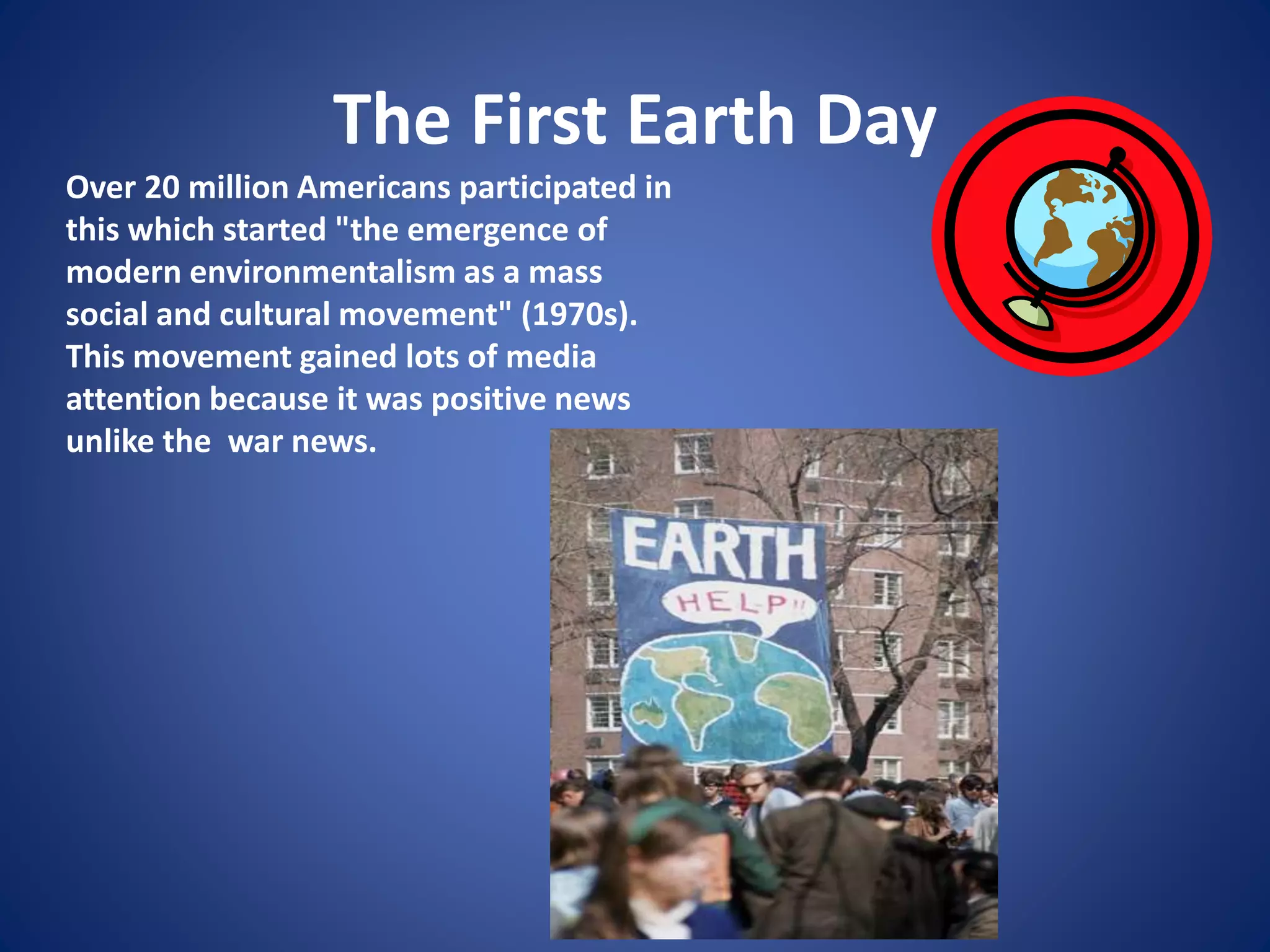
By the mid-20th century, the focus expanded from isolated wilderness preservation to broad ecological health. Rachel Carson’s landmark 1962 book Silent Spring exposed the devastating ecological impacts of synthetic pesticides like DDT, catalyzing a new wave of public awareness. This momentum culminated in the first Earth Day on April 22, 1970, which mobilized millions of Americans and served as a catalyst for sweeping federal legislation. Shortly thereafter, Congress established the U.S. Environmental Protection Agency (EPA) and passed landmark laws such as the Clean Air Act and the Clean Water Act, institutionalizing environmental protection within the federal government.
Grassroots Movements and Community Resistance
While national organizations lobby lawmakers and litigate in federal courts, localized grassroots movements often form the frontline of environmental activism. These community-led campaigns target immediate environmental threats affecting neighborhoods, water supplies, and public health.
Indigenous-Led Resistance and Pipeline Protests
One of the most prominent examples of modern grassroots activism is the opposition to fossil fuel infrastructure, notably the Dakota Access Pipeline (DAPL) protests led by the Standing Rock Sioux Tribe in 2016 and 2017. Under the banner of "Water Is Life" (Mni Wiconi), thousands of water protectors gathered at the Standing Rock Indian Reservation in North Dakota to halt construction of an oil pipeline that threatened their primary water source and sacred ancestral lands. This movement drew unprecedented global solidarity, highlighting the intersection of indigenous rights, treaty obligations, and climate activism. Similar resistance efforts, such as opposition to the Keystone XL pipeline, have demonstrated the power of indigenous leadership in halting multi-billion-dollar energy projects.
The Environmental Justice Movement
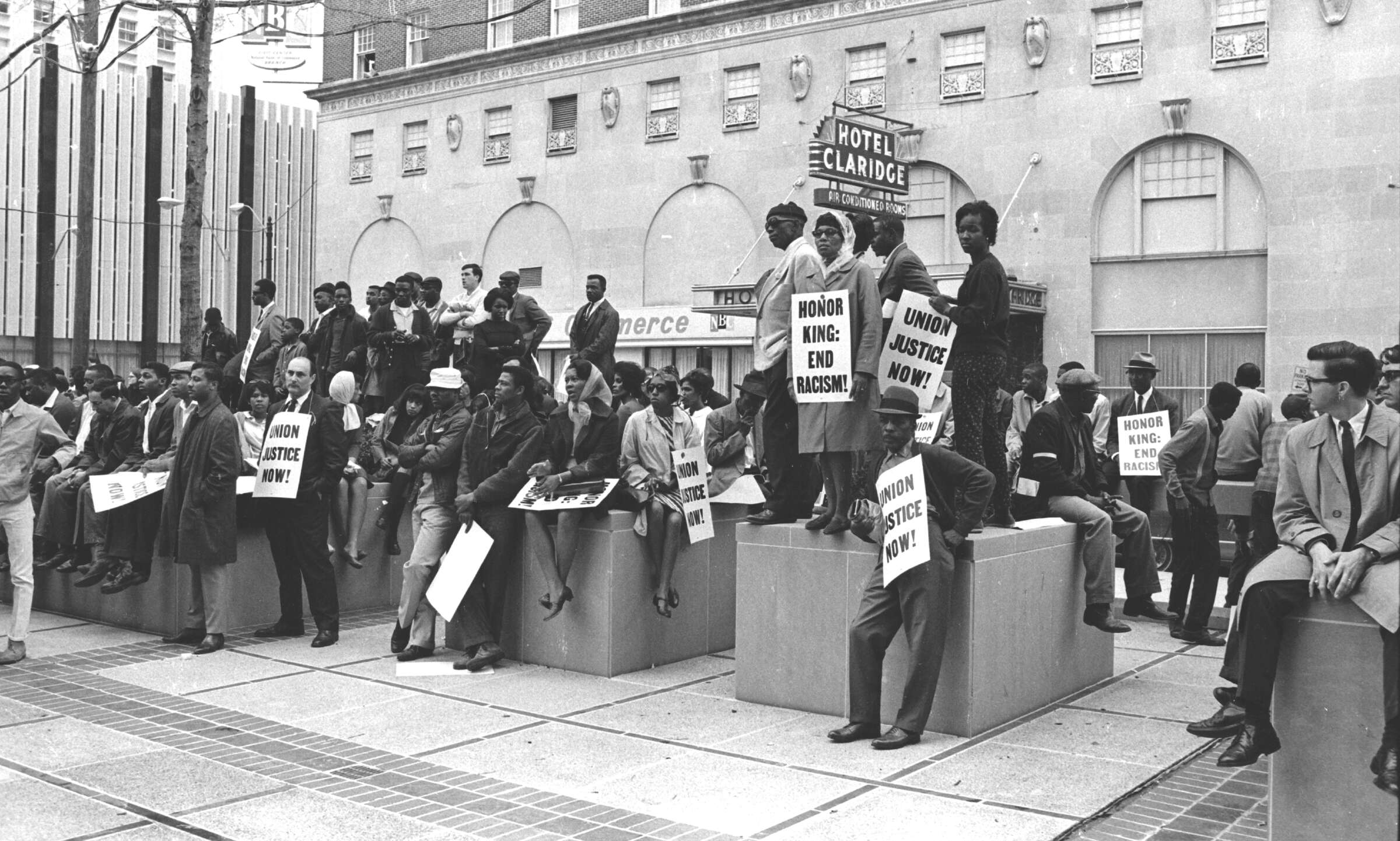
Originating in the early 1980s, the environmental justice movement challenged the systemic placement of toxic waste sites, incinerators, and heavy industry in low-income communities and communities of color. A foundational moment occurred in Warren County, North Carolina, in 1982, where residents protested the dumping of polychlorinated biphenyl (PCB) contaminated soil in a predominantly Black community. This activism redefined environmentalism, proving that ecological degradation is deeply intertwined with racial and economic inequality. Today, organizations like the Deep South Center for Environmental Justice continue to fight for equitable environmental policies and community-led resilience in regions disproportionately affected by industrial pollution.
Corporate Accountability and Direct Action
Beyond legislative lobbying and community organizing, many activists employ direct action, shareholder advocacy, and legal challenges to hold corporations accountable for ecological harm.
- Direct Action and Civil Disobedience: Organizations such as Greenpeace and Earth First! utilize non-violent direct action—including blockades, banner drops, and sit-ins—to draw public attention to deforestation, deep-sea drilling, and corporate greenwashing. These high-visibility tactics are designed to disrupt business-as-usual operations and force media coverage of ecological crises.
- Climate Litigation: A burgeoning form of activism involves suing governments and corporations for failing to act on climate change. Landmark cases, such as Juliana v. United States, asserted that the government's promotion of fossil fuels violates young citizens' constitutional rights to life, liberty, and property. Similarly, youth-led lawsuits in states like Montana have successfully challenged state-level energy policies on constitutional grounds.
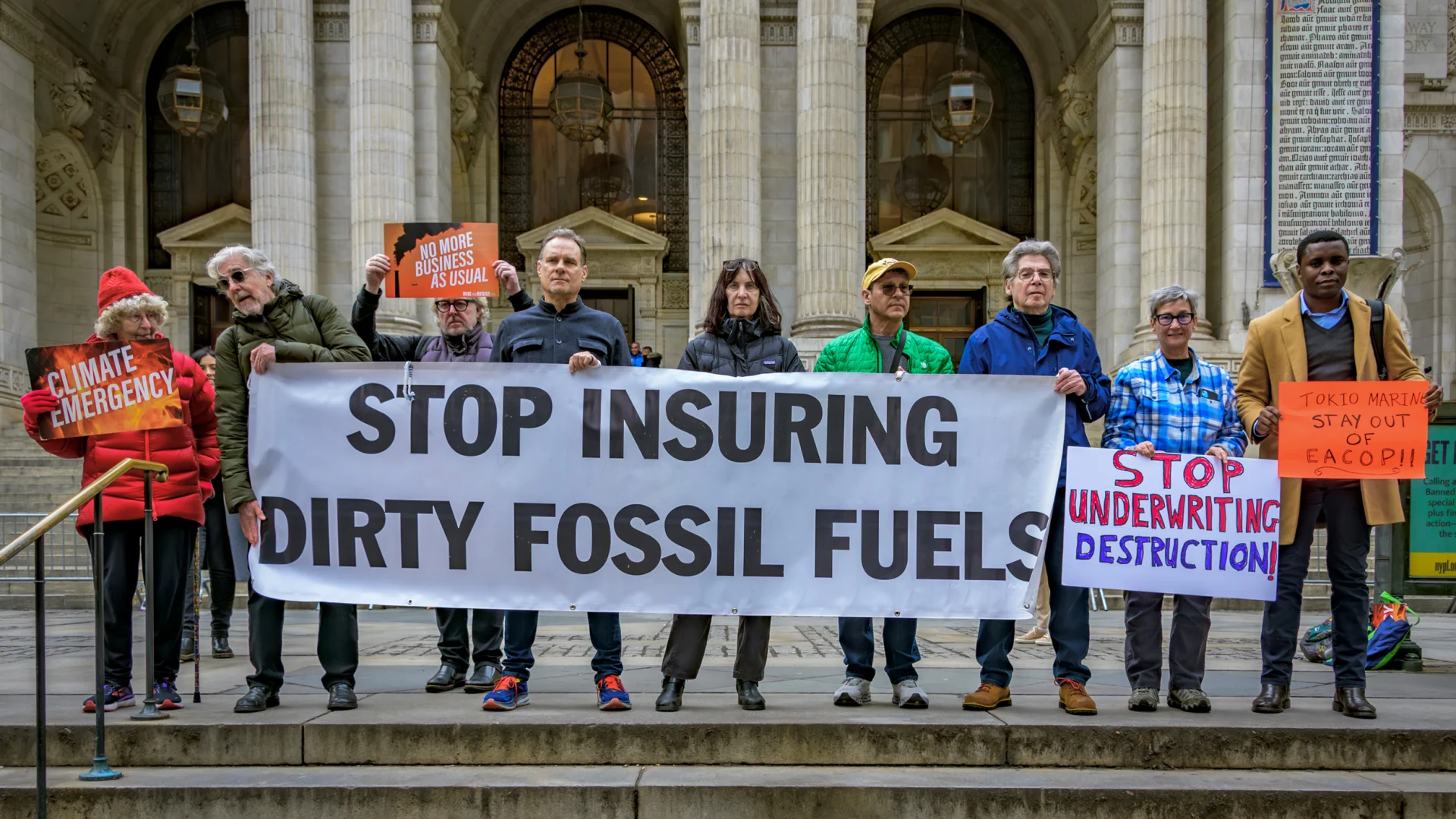
- Shareholder Activism: Environmental groups and institutional investors increasingly leverage corporate governance structures to demand change from within. By filing shareholder resolutions, activist investors pressure fossil fuel companies, banks, and manufacturers to disclose carbon footprints, divest from coal, and transition to renewable energy portfolios.
Comparative Overview of Activism Strategies
Different environmental challenges require distinct tactical approaches. The following table outlines the primary strategies employed by activists in the United States, detailing their typical methods, primary targets, and historical outcomes.
| Strategy Type | Primary Methods | Main Targets | Historical Impact |
|---|---|---|---|
| Grassroots Organizing | Protests, petitions, community education | Local polluters, municipal governments | Stopped local industrial projects; raised public awareness |
| Direct Action | Sit-ins, blockades, banner drops | Corporations, extraction sites | Delayed high-profile infrastructure; amplified media coverage |
| Legal Advocacy & Litigation | Lawsuits, regulatory petitions | Federal/state agencies, corporate violators | Enforced Clean Air/Water Acts; established legal precedents |
| Shareholder Activism | Proxy voting, resolutions, divestment | Public corporations, financial institutions | Shifted corporate governance toward sustainable practices |
| Legislative Lobbying | Policy briefs, congressional testimony | Lawmakers, regulatory bodies | Authored landmark conservation and pollution control laws |
Youth Movements and Contemporary Climate Action
In recent years, youth-led initiatives have injected a new sense of urgency into American environmentalism. Frustrated by political inaction on global warming, younger generations have mobilized on an unprecedented scale.
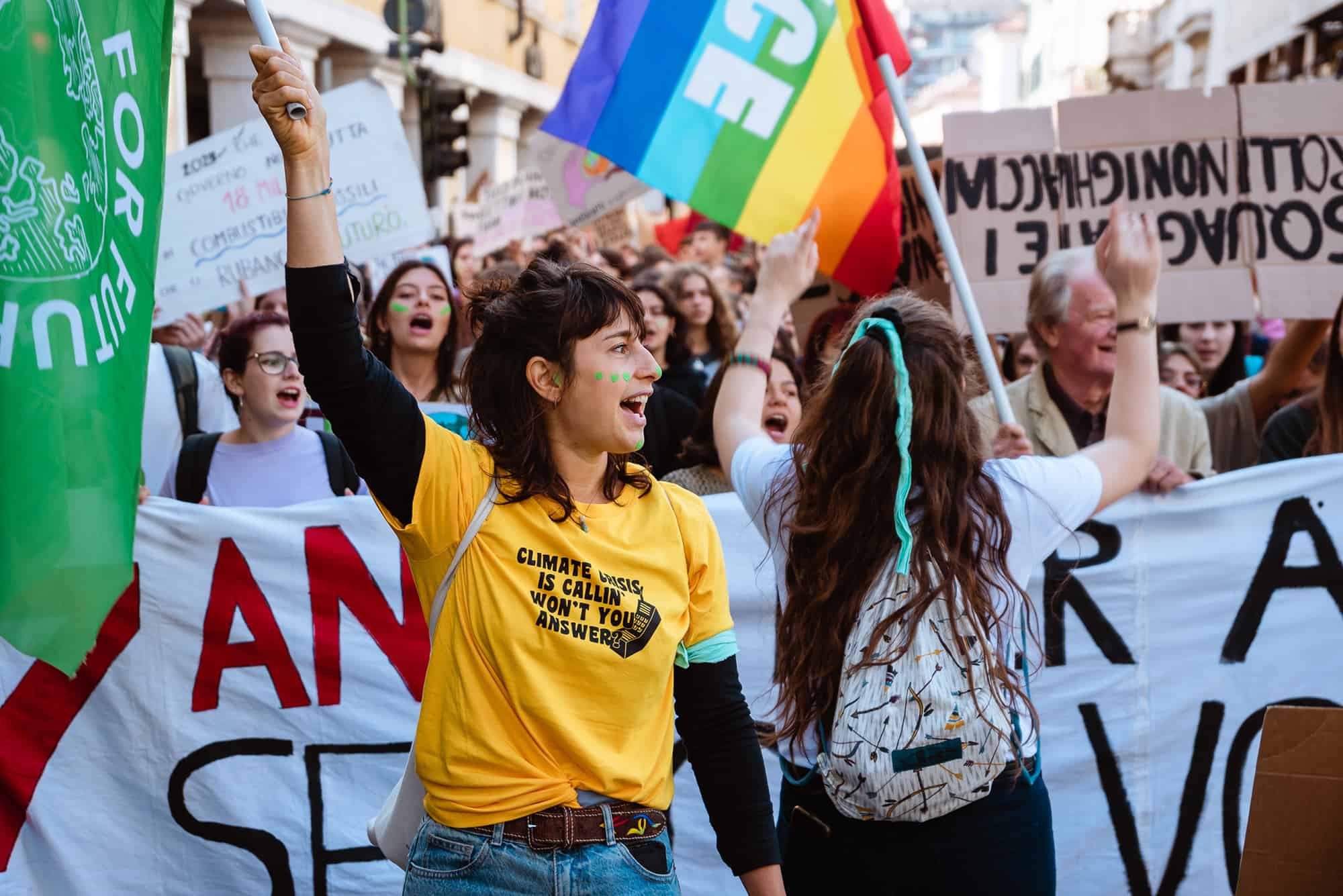
Inspired by international figures, American students organized massive walkouts during the Global Climate Strikes, demanding an end to fossil fuel subsidies and the implementation of policies aligned with climate science. Organizations like the Sunrise Movement have played a pivotal role in popularizing legislative frameworks like the Green New Deal, combining aggressive climate action with job creation and economic equity. These youth movements utilize digital organizing, social media campaigns, and direct lobbying to shift political discourse and pressure elected officials into adopting binding emissions reduction targets.
Frequently Asked Questions
What sparked the modern environmental movement in the U.S.?
The modern environmental movement gained widespread public momentum in the 1960s and 1970s, fueled by Rachel Carson’s 1962 book Silent Spring, which exposed the dangers of chemical pesticides. Visible environmental disasters, such as the 1969 Santa Barbara oil spill and the Cuyahoga River catching fire in Cleveland, further galvanized public outrage, leading to the creation of Earth Day in 1970 and subsequent federal environmental legislation.
How does environmental justice differ from traditional conservation?
Traditional conservation historically focused on preserving wilderness areas and wildlife, often separating humans from nature. Environmental justice, by contrast, focuses on human populations, particularly low-income communities and communities of color that bear a disproportionate burden of industrial pollution, toxic waste, and climate change impacts.
What are some examples of successful environmental activism in the US?
Notable successes include the passage of the Clean Air Act and Clean Water Act in the 1970s, the permanent protection of millions of acres of public lands through the Wilderness Act, the successful halting or delaying of several major fossil fuel pipelines, and the phase-out of ozone-depleting chlorofluorocarbons (CFCs) following coordinated international and domestic pressure.
How can individuals participate in environmental activism?
Individuals can engage in activism through various channels, including supporting grassroots environmental organizations, participating in local conservation cleanups, contacting elected officials to advocate for climate legislation, adopting sustainable consumption habits, and engaging in community-level climate resilience planning.
Next Actions for Supporters
For individuals looking to engage with environmental activism in the United States, the most effective starting point is identifying local chapters of national organizations or supporting Indigenous-led sovereignty and land-defense groups. Researching local zoning boards, attending municipal sustainability meetings, and participating in community science and conservation initiatives offer tangible ways to contribute to ecological preservation and environmental justice at the community level.
Image Gallery