Nate Berkus in Design History: The Evolution of Accessible Luxury
Nate Berkus is a preeminent American interior designer, author, and television personality who significantly altered the course of design history by democratizing high-end aesthetics for the general public. While he does not hold a med...
Nate Berkus is a preeminent American interior designer, author, and television personality who significantly altered the course of design history by democratizing high-end aesthetics for the general public. While he does not hold a medical degree (MD)—a common point of nomenclature confusion with a practitioner in the medical field—Berkus is widely regarded as a "master of design" who pioneered the "collected, not decorated" philosophy that dominates residential interiors in 2026.
Contents
The Foundations of Nate Berkus Associates
To understand Nate Berkus’s place in design history, one must look back to 1995, when he founded his firm, Nate Berkus Associates, in Chicago. Unlike many of his contemporaries who focused exclusively on the ultra-wealthy elite, Berkus began his career with a keen interest in how objects tell stories. His early work was characterized by a sophisticated blend of period styles, ranging from 19th-century French antiques to mid-century modernism.
The "technical" brilliance of his early firm lay in its ability to execute high-concept architectural layouts while maintaining a sense of approachability. Berkus argued that a home should be a reflection of the inhabitant's life journey rather than a sterile showroom. This was a radical departure from the rigid "Total Look" movements of the late 20th century, where designers often insisted on matching sets and strict adherence to a single era. By the turn of the millennium, his firm had established a reputation for "Transitional Design"—a style that bridges the gap between traditional and contemporary elements.
The Oprah Effect and the Democratization of Design
In 2002, Berkus's career trajectory shifted from successful regional designer to international icon when he became a regular contributor to The Oprah Winfrey Show. This period is a critical juncture in design history because it marked the first time professional-grade interior design advice was delivered to millions of viewers daily in a relatable format.
Prior to the "Oprah Effect," interior design was often viewed as an inaccessible luxury service. Berkus dismantled this barrier by teaching viewers the "how" and "why" behind design decisions. He introduced technical concepts such as scale, proportion, and texture to a lay audience. His segments were not merely about buying new furniture; they were about the curation of existing pieces and the strategic investment in "forever" items. This shift essentially birthed the modern DIY and home-improvement media landscape that persists in 2026.
The Philosophy of the "Collected" Home
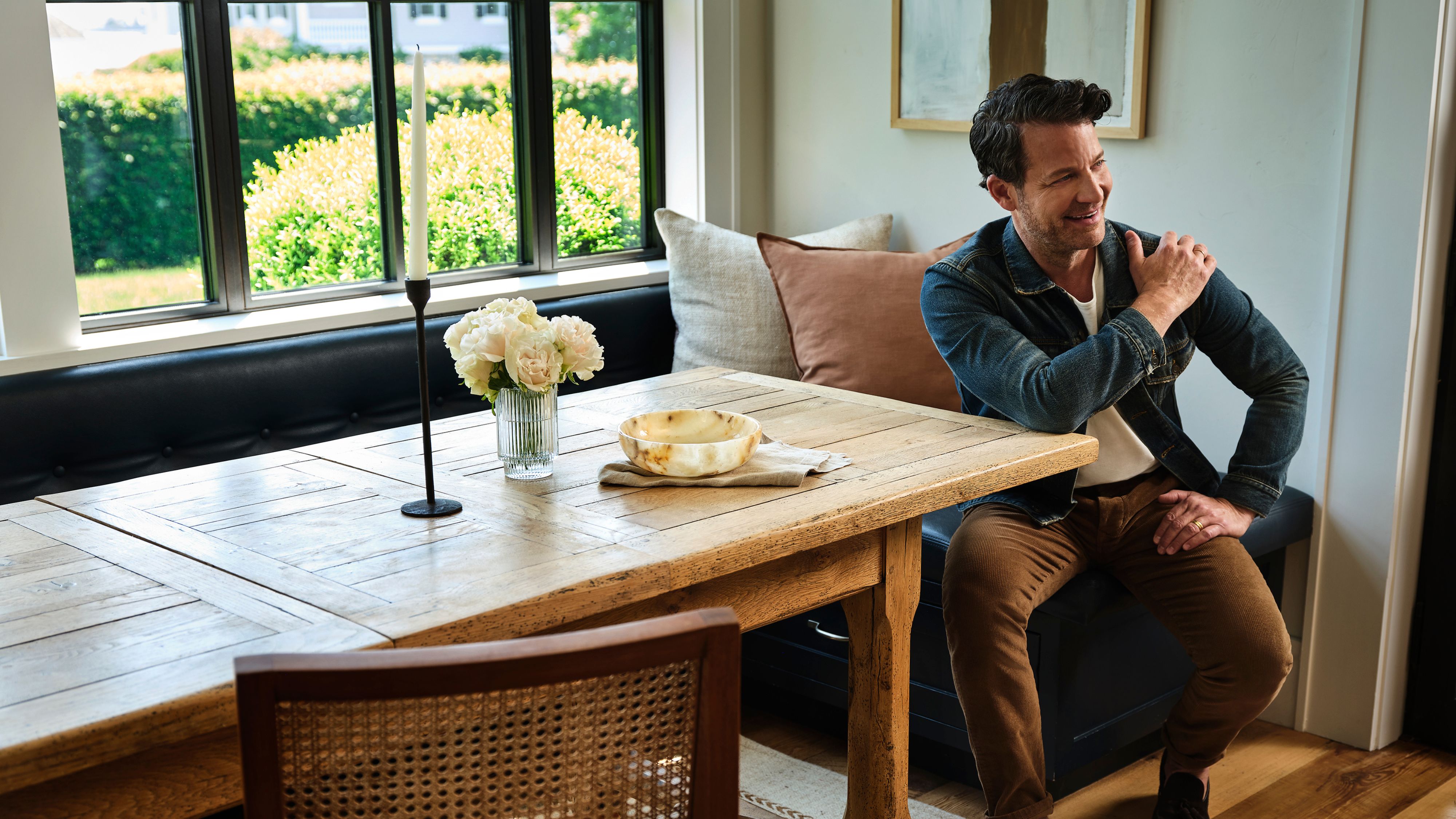
The most significant contribution Berkus made to the design lexicon is the concept of the "Collected Home." This philosophy posits that an interior should look as though it evolved over decades, even if it was designed in months.
Key Elements of the Berkus Methodology:
- The Mix of Eras: He popularized the integration of disparate periods—for example, placing a sleek, minimalist sofa alongside a weathered, hand-carved 18th-century chest. This requires a deep understanding of visual weight and balance.
- Tactile Neutrality: While many designers use color as a primary tool, Berkus often relies on texture. By using a palette of oatmeals, sands, and charcoals, he allows the materials—such as Belgian linen, unlacquered brass, and reclaimed wood—to provide the visual interest.
- Sentimental Curation: He famously advocated for displaying personal mementos, travel finds, and family heirlooms as the focal points of a room. This humanized design history, moving it away from the influence of "trends" and toward a more permanent, autobiographical approach.
Clarifying the "MD" Misconception
There is frequent digital ambiguity regarding the term "Nate Berkus MD." In the context of design history, Nathan Berkus is purely a creative and business professional. The "MD" likely stems from a conflation with Dr. Nathan Berkus, a professional in the medical field (specifically psychiatry/neurology) who shares a similar name but operates in a completely different industry.
In the design world, Berkus’s "diagnosis" of a room is purely aesthetic. However, some critics have metaphorically referred to him as a "doctor of space" due to his ability to identify the psychological barriers people have in their homes and provide actionable solutions to improve their quality of life through environmental changes.
Commercial Impact and the Target Partnership
A pivotal moment in the 21st-century design timeline was the 2012 launch of the Nate Berkus for Target collection. This partnership represented a significant technical achievement in the supply chain of style. Berkus was able to distill high-concept textures—such as bone inlay, hammered metals, and intricate textiles—into products that were mass-produced and affordable.
This was not merely a branding exercise. It forced the retail industry to raise its standards. Suddenly, "big-box" stores were expected to offer items that felt artisanal and unique. This era of "Mass-tige" (mass-market prestige) redefined consumer expectations and solidified Berkus's role as a bridge between the high-end atelier and the suburban household.
Technical Milestones and Career Evolution
The following table outlines the major phases of Nate Berkus’s career and his specific contributions to design history up to 2026:
| Period | Key Role / Entity | Major Contribution to Design History |
|---|---|---|
| 1995–2001 | Founder, Nate Berkus Associates | Pioneered the "Transitional" style in the Chicago market. |
| 2002–2010 | The Oprah Winfrey Show Expert | Democratized high-end design for a global television audience. |
| 2010–2012 | The Nate Berkus Show | First daytime talk show dedicated exclusively to living well through design. |
| 2012–Present | Target & Retail Partnerships | Revolutionized the mass-market availability of artisanal-style home goods. |
| 2017–2026 | Nate & Jeremiah Projects | Focused on the "design-build" narrative, emphasizing the emotional stakes of renovation. |
Literature and Intellectual Contribution
Berkus’s books are more than coffee-table decor; they serve as instructional manuals for his philosophy. His 2005 book, Home Rules, was a technical guide to the basics of layout and lighting. However, it was his 2012 work, The Things That Matter, that cemented his legacy. In it, he explored the lives of various people and how their homes reflected their personal histories. This book is often cited by design students as a foundational text for Narrative Interior Design, the study of how physical spaces tell a story.
In the years leading up to 2026, his writing has focused more on the sustainability of design—encouraging consumers to "buy once and buy well." This promotes the idea that the most eco-friendly home is one that does not require constant updates according to fleeting trends.
Frequently Asked Questions
Is Nate Berkus actually a medical doctor?
No. Nate Berkus is an interior designer and media personality. The "MD" suffix often seen in search queries is likely a confusion with a medical professional named Nathan Berkus or a misunderstanding of his professional titles. In the design world, he is the founder and principal of Nate Berkus Associates.
What is Nate Berkus’s signature design style?
His style is best described as "New Traditionalist" or "Global Eclectic." It emphasizes a neutral color palette, the heavy use of organic textures (like stone, wood, and linen), and the strategic mixing of different historical periods to create a space that feels curated over time.
How did Nate Berkus change the way people shop for homes?
Through his partnership with Target and other major retailers, Berkus proved that high-quality design elements—such as tassels, embroidery, and metallic finishes—could be produced at scale. This shifted the market away from "disposable" furniture toward affordable pieces with a more hand-crafted appearance.
Who is Nate Berkus’s partner in design?
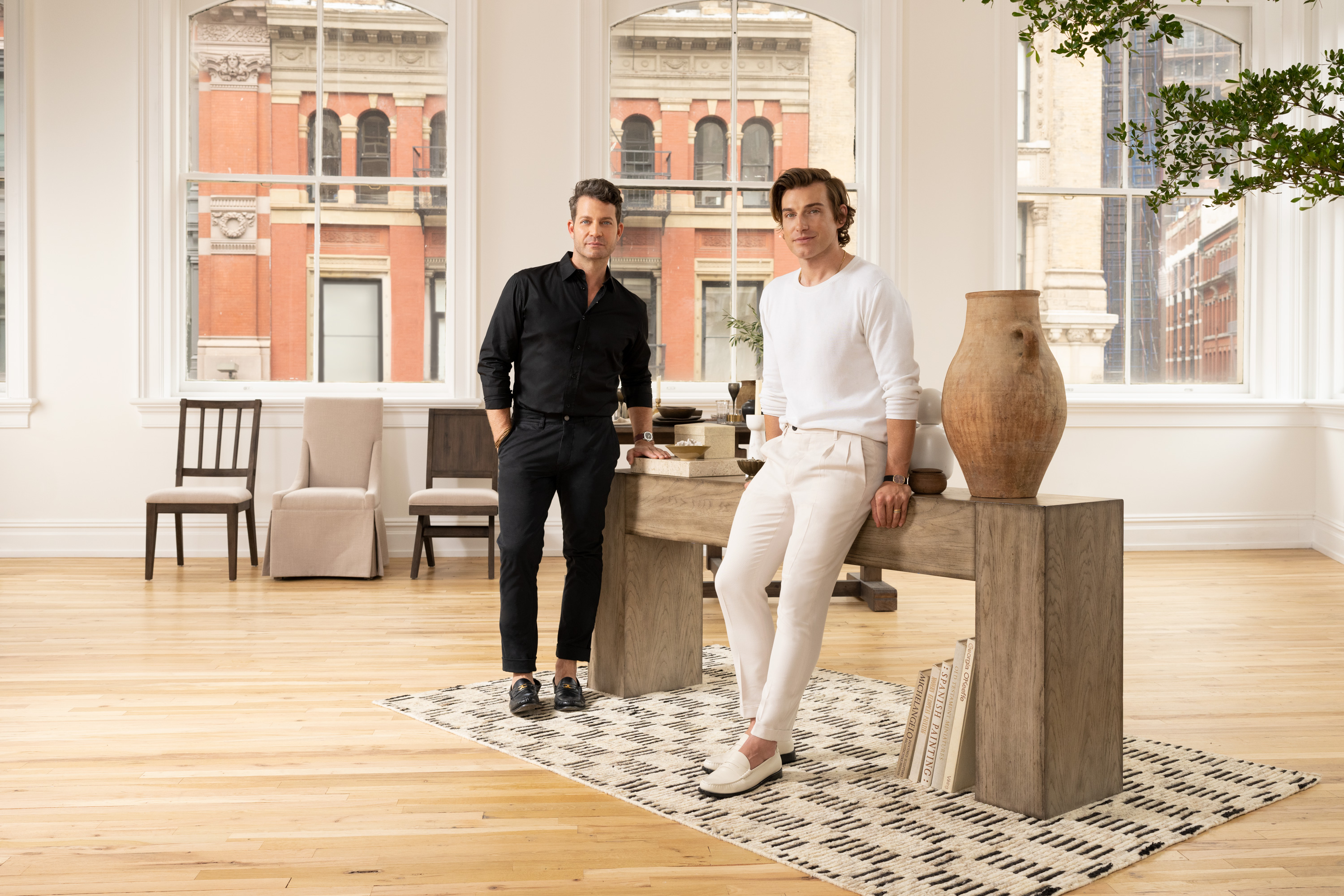
Nate Berkus often collaborates with his husband, Jeremiah Brent, who is also a highly successful interior designer. Together, they have hosted several television programs, including Nate & Jeremiah by Design, where they focus on helping homeowners navigate the technical and emotional challenges of major renovations.
Where can I see Nate Berkus’s influence today?
In 2026, his influence is visible in the widespread popularity of "collected" interiors on social media platforms and the shift toward vintage-modern hybrid furniture in retail stores. His emphasis on the "meaning" of objects has become a standard principle in modern residential interior design.
Practical Recommendation for Homeowners
To apply the Nate Berkus philosophy to your own space in 2026, avoid the temptation to purchase an entire "room-in-a-box" from a single retailer. Instead, focus on the 80/20 Rule of Curation: ensure that 80% of your room consists of functional, high-quality basics in neutral tones, and 20% consists of "soulful" objects—antiques, travel finds, or heirlooms—that provide a sense of history and personality. This approach ensures your home remains timeless and avoids the pitfalls of rapidly changing design trends.
Image Gallery