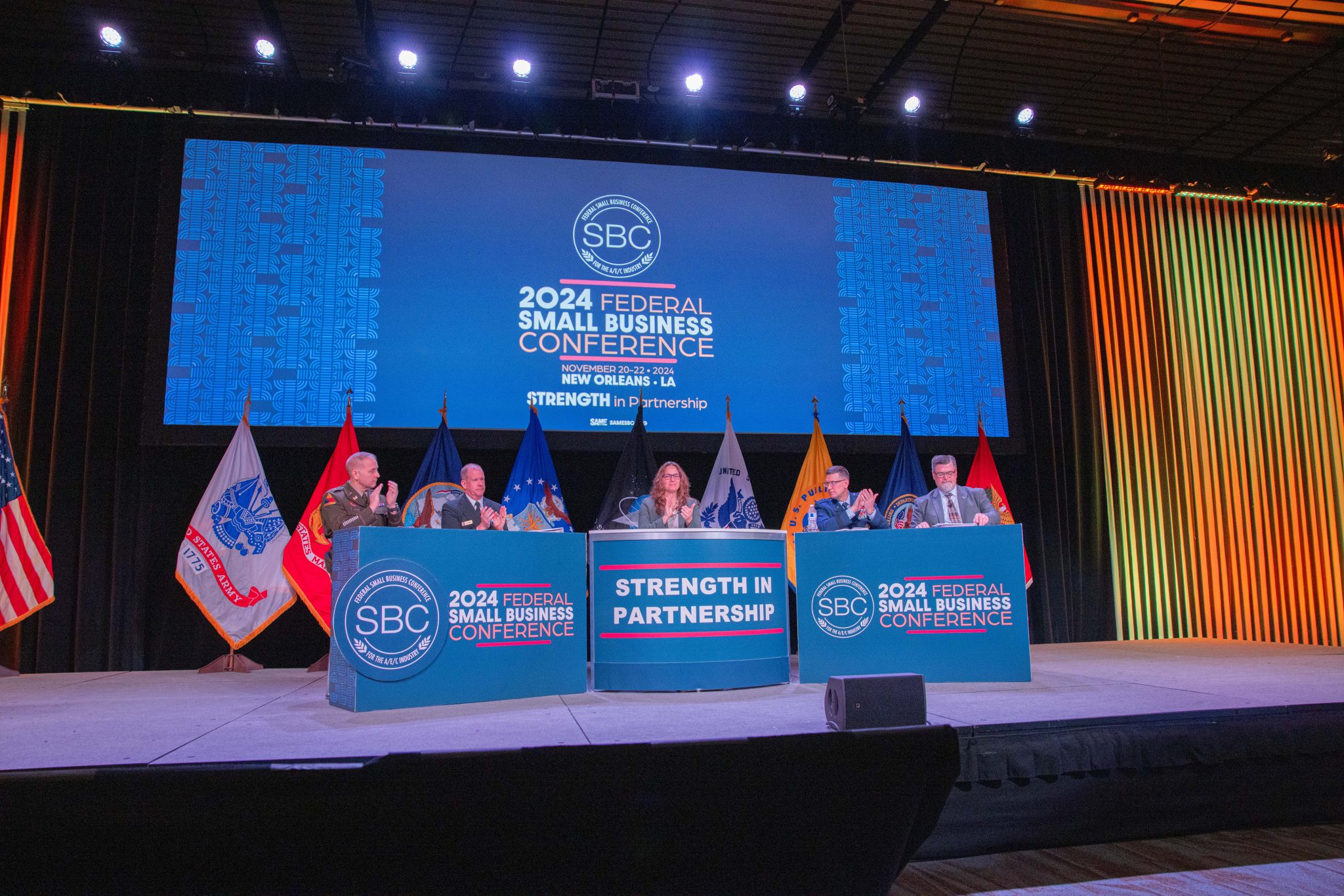
Navigating and Maximizing Value at a Small Business Conference
Attending a small business conference provides owners, founders, and managers with targeted educational workshops, peer-to-peer networking opportunities, and direct access to industry experts, helping organizations solve operational ch...
Attending a small business conference provides owners, founders, and managers with targeted educational workshops, peer-to-peer networking opportunities, and direct access to industry experts, helping organizations solve operational challenges, adopt new technologies, and identify sustainable growth strategies.
Contents
For growing enterprises navigating shifting economic landscapes, operational hurdles, and rapid technological advancements, staying isolated within daily routines limits scalability. A well-chosen small business conference serves as an intensive accelerator for leadership development, market research, and strategic alignment. Rather than relying solely on digital resources, gathering in physical or structured virtual spaces allows decision-makers to test ideas, vet software solutions, and build long-term referral networks.
Maximizing the return on investment (ROI) from these events requires careful preparation, disciplined execution during the conference, and structured follow-up routines after returning to the office. This guide explores how to select the right event, prepare effectively, extract actionable insights, and implement learned strategies to drive measurable business growth.
Understanding the Value Proposition of Business Conferences
Enterprise growth often stalls when founders remain trapped working inside their business rather than on it. Conferences force a strategic withdrawal from daily firefighting, creating the mental space required for long-term planning. Educational sessions led by industry pioneers deliver practical frameworks for financial management, marketing optimization, and human resources compliance that would otherwise take months of trial and error to develop independently.
Furthermore, these gatherings level the playing field by granting smaller enterprises access to enterprise-grade vendors and consultants. Panel discussions and keynote presentations provide early warnings regarding upcoming regulatory shifts, consumer trends, and macroeconomic pressures. By understanding how larger corporations adapt to these changes, small business owners can anticipate market disruptions and position their offerings proactively.
Selecting the Right Small Business Conference
The event landscape includes everything from massive national expos featuring thousands of attendees to hyper-localized workshops organized by regional chambers of commerce. Selecting the appropriate gathering depends on your industry, growth stage, and primary business objectives.
Major National and Regional Event Categories
Event formats generally fall into three distinct tiers, each offering unique advantages:
- National Mega-Conferences: Events such as the Inc. 5000 Conference or national industry-specific expos offer high-profile keynote speakers and massive exhibition halls. They excel at exposing attendees to cutting-erge trends and national brand partnerships, though networking can sometimes feel overwhelming due to sheer scale.
- Regional and State Economic Summits: Hosted by regional development agencies, state departments of commerce, or large metropolitan chambers, these events focus heavily on local regulations, state tax incentives, and regional supply chain networks.
- Niche Industry Workshops: Highly specialized gatherings—such as digital marketing summits for e-commerce brands or technical symposiums for manufacturing startups—deliver granular, tactical education rather than broad motivational content.
Evaluating Event Credentials and Agendas
Before committing capital to registration fees, travel, and lodging, organizers must evaluate the event's schedule and past participant feedback. Review the speaker roster to ensure presenters are active practitioners rather than professional speakers offering generic advice. Examine the session tracks to confirm whether content caters to your specific revenue tier, whether it is a pre-revenue startup, a six-figure lifestyle business, or an aggressive mid-market expansion venture.
| Conference Type | Primary Focus | Best Suited For | Typical Cost Range |
|---|---|---|---|
| National Expo | Broad scaling, venture capital, big tech | Established businesses seeking rapid growth | High ($1,000 - $3,000+) |
| State/Local Summit | Regional compliance, local networking, grants | Local service providers, brick-and-mortar stores | Low to Moderate ($100 - $500) |
| Niche Masterclass | Deep technical skills, specialized software | E-commerce, agencies, specialized consultants | Moderate to High ($500 - $2,000) |
Pre-Conference Preparation and Goal Setting
Attending an event without a documented agenda guarantees wasted time and missed connections. Preparation begins weeks before the opening keynote by defining specific, measurable objectives.
Establishing Clear Objectives
Ask your leadership team what single problem the business must solve over the next twelve months. Is it customer acquisition cost reduction, automation of fulfillment processes, or restructuring equity packages for key employees? Tie every conference activity back to these core objectives. If a seminar or networking mixer does not align with your stated goals, deprioritize it.
Strategic Networking and Schedule Building
Modern conferences frequently utilize mobile applications to facilitate attendee matchmaking and schedule curation. Take advantage of these digital tools prior to arrival:
- Map the Exhibition Floor: Identify critical software vendors, service providers, or potential channel partners you intend to visit. Review their product offerings beforehand to prepare targeted questions.
- Book Meetings Early: Reach out to speakers, fellow attendees, or prospective clients via the event app weeks in advance to schedule 15-minute coffee chats.
- Prioritize Hybrid Tracks: If sessions overlap, select workshops that address immediate operational bottlenecks over broad conceptual keynotes, as recordings of main stage talks are often made available post-event.
Maximizing Impact During the Event
Once on-site, the physical and mental demands of a conference can quickly lead to fatigue. Maintaining discipline ensures you capture maximum value throughout the multi-day itinerary.
Active Participation in Educational Sessions
Passive listening yields poor retention. Approach workshops with an investigative mindset:
- Take structured notes focusing on actionable takeaways rather than transcribing slide decks verbatim.
- Participate actively during Q&A segments, as raising a thoughtful question in front of a room of peers frequently attracts post-session introductions from potential partners.
- Attend tactical breakout rooms where software demonstrations or case studies are broken down step-by-step.
Intentional Networking Strategies
Networking at a small business conference is not about collecting the highest volume of business cards; it is about building high-intent professional relationships.
Approach conversations with a value-first mindset. Instead of immediately launching into a sales pitch, ask peers about their primary operational bottlenecks and share brief insights on how your team solved a similar challenge. Utilize evening mixers and roundtable lunches for organic conversations, keeping digital contact methods—such as LinkedIn profile QR codes—readily accessible for frictionless connection.
Post-Conference Implementation and ROI Tracking
The true measure of a conference's value occurs during the thirty days following the event. Without a structured debrief and execution plan, enthusiasm fades and operations revert to status quo.
The Team Debrief and Knowledge Transfer
Within one week of returning, schedule a mandatory briefing with internal teams who did not attend. Distribute concise summaries of key takeaways, vendor brochures, and educational slide decks. Require department heads to review proposed process changes or software solutions gathered during the exhibition, establishing an evaluation timeline to determine integration feasibility.
Measuring Financial and Strategic Return
Calculate the total cost of attendance—including registration fees, travel expenses, lost productivity, and lodging—and contrast it against measurable outcomes. Did you secure a new vendor contract that reduces operational expenses? Did a brainstorming session unlock a pricing model adjustment that increased monthly recurring revenue? Documenting these metrics validates the conference budget for future fiscal planning.
Frequently Asked Questions
How do I justify the cost of a small business conference to my executive team or partners?
Frame the attendance fee as an investment in professional development and strategic research rather than an operational expense. Prepare a concise proposal detailing specific educational sessions that address current company bottlenecks, potential vendor discounts available exclusively on-site, and projected efficiency gains from adopted frameworks.
Are virtual small business conferences worth attending compared to in-person events?
Virtual events offer significant savings on travel and lodging while lowering scheduling friction. However, they lack the spontaneous hallway conversations, impromptu dinners, and tactile product demonstrations that drive the highest-value networking at in-person gatherings. Virtual events work best for highly technical training, whereas in-person summits excel at relationship building.
How can I network effectively if I am naturally introverted?
Leverage structured event formats such as roundtable discussions, guided industry mixers, or app-based matchmaking where conversation prompts are predefined. Setting a modest, concrete goal—such as having three meaningful one-on-one conversations per day—prevents social burnout while ensuring productive networking outcomes.
What should I pack for a multi-day business conference?
Beyond standard professional business-casual attire, ensure you pack comfortable footwear for navigating large convention centers, a high-capacity portable phone charger, physical business cards or a digital contact card ready for quick scanning, and a notebook or tablet dedicated exclusively to capturing session notes.
How soon after a conference should I follow up with new contacts?
Initiate contact within 48 to 72 hours while the interaction remains fresh in both parties' memories. Send a personalized message referencing a specific topic you discussed, attach any promised resources or introduction links, and suggest a low-friction next step, such as a brief introductory call the following week.
Next Actions
Begin your conference planning cycle by auditing your business’s most critical operational bottlenecks for the upcoming quarter. Research two or three verified regional or national events addressing those exact challenges, review their verified agendas, and secure early-bird registration rates to optimize your professional development budget.
Image Gallery