Solar Eclipse Timing and Viewing Opportunities in the United States Through 2026
In 2026, the United States will experience a partial solar eclipse on August 12, primarily visible in the Northeastern states and Alaska. While the path of totality for this event remains over Greenland, Iceland, and Spain, American ob...
In 2026, the United States will experience a partial solar eclipse on August 12, primarily visible in the Northeastern states and Alaska. While the path of totality for this event remains over Greenland, Iceland, and Spain, American observers can still witness significant solar obscuration depending on their specific geographic location.
Contents
The Solar Eclipse of August 12, 2026: What the United States Can Expect
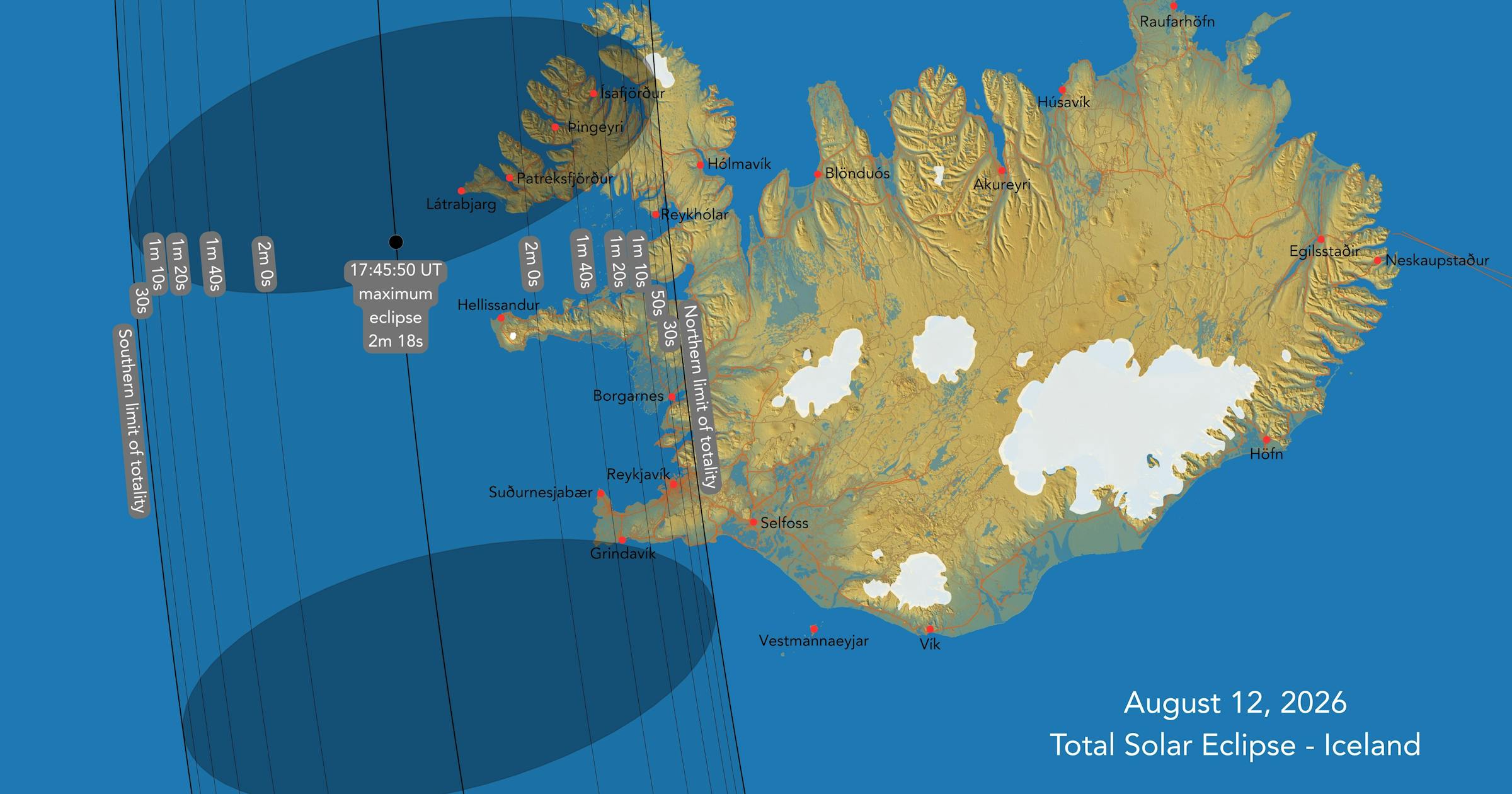
As we navigate through 2026, the astronomical community is focused on the solar eclipse occurring on August 12. For those residing in the United States, it is essential to understand that this event is not a total solar eclipse for the North American mainland. The path of totality—the narrow corridor where the Moon completely covers the Sun—will trace a route starting in the Arctic Ocean, passing through Greenland and Iceland, and ending in the Iberian Peninsula.
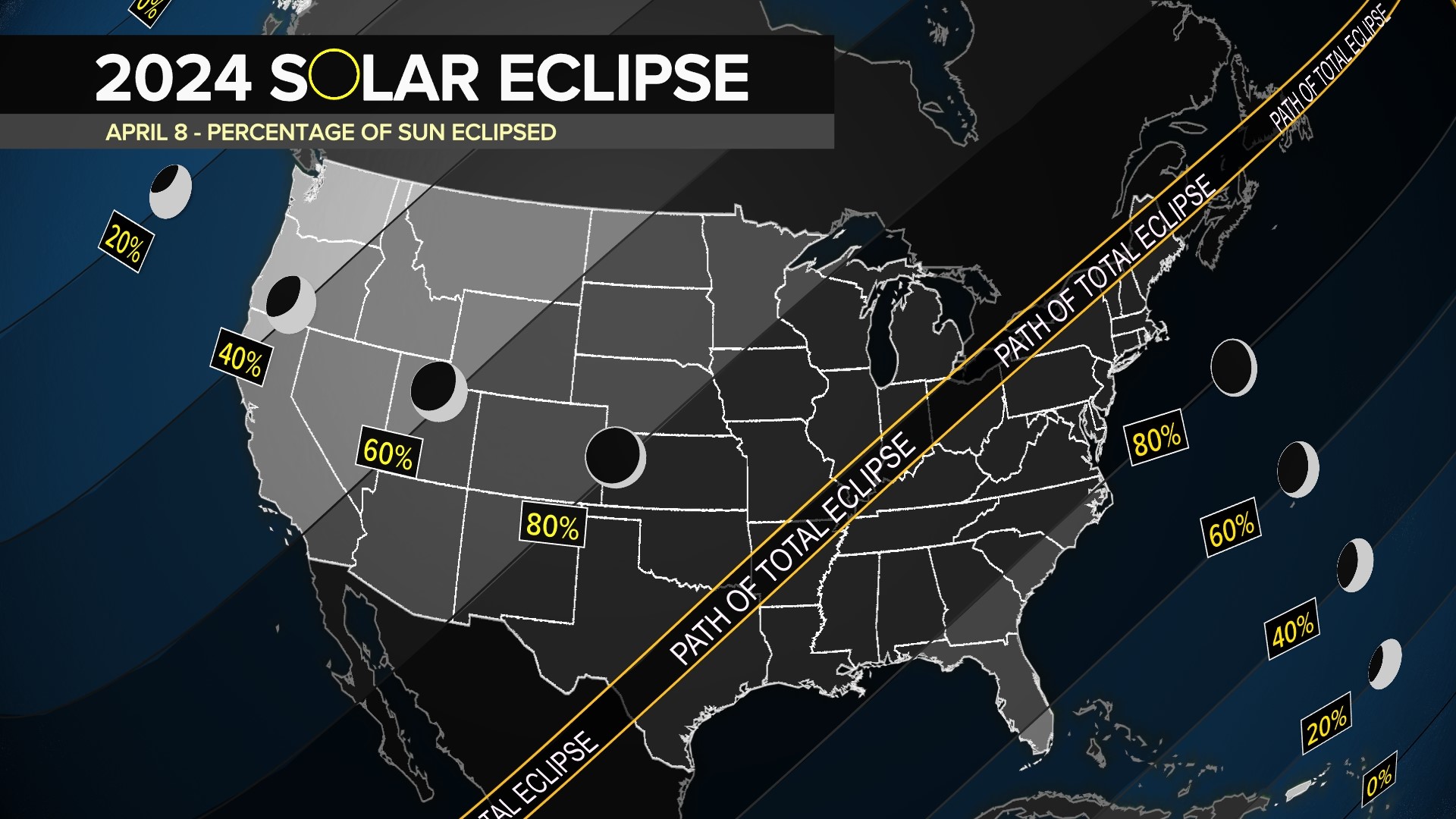
However, the United States will see a partial solar eclipse. During a partial eclipse, the Moon, Sun, and Earth are not perfectly aligned, resulting in the Moon appearing to take a "bite" out of the solar disk. The degree of this bite, or the percentage of the Sun's surface covered, depends entirely on how close the observer is to the path of totality.
Northern Alaska: The Best US Vantage Point
In 2026, the highest percentage of solar obscuration in the United States will occur in northern Alaska. Because of its proximity to the Arctic portion of the eclipse path, residents in areas like Utqiagvik (formerly Barrow) will see more than 80% of the Sun covered by the Moon. This provides a dramatic visual effect, though it does not result in the daytime darkness associated with totality. The timing for this event in Alaska will occur in the early morning hours, making it a "breakfast eclipse" for those in the far north.
The Northeastern Seaboard: Sunset Viewing
For the contiguous United States, the viewing opportunities are concentrated in the Northeast. States such as Maine, New Hampshire, Massachusetts, and parts of New York will see a very shallow partial eclipse. In these regions, the eclipse occurs late in the day, coinciding with sunset.
This creates a unique photographic opportunity. A partially eclipsed Sun sitting low on the horizon can appear deep red or orange due to atmospheric scattering, with a crescent shape visible through proper solar filters. However, because the obscuration will be relatively low (often less than 10-15%), the changes in ambient light will be negligible to the naked eye.
Regional Timing and Visibility Percentages
Timing is the most critical factor for eclipse viewing. Because the Earth is rotating as the Moon's shadow moves, the eclipse begins and ends at different times for every city. In 2026, many US observers may miss the event entirely if they are too far south or west, as the Moon's penumbra (the lighter outer shadow) only brushes the northernmost parts of the country.
| Region/City | Date | Eclipse Type | Maximum Obscuration | Local Peak Time |
|---|---|---|---|---|
| Utqiagvik, AK | Aug 12, 2026 | Partial | ~83% | 04:45 AM |
| Fairbanks, AK | Aug 12, 2026 | Partial | ~65% | 05:05 AM |
| Caribou, ME | Aug 12, 2026 | Partial | ~10% | 07:10 PM (Near Sunset) |
| Boston, MA | Aug 12, 2026 | Partial | ~3% | 07:20 PM (Near Sunset) |
| Reykjavik, Iceland | Aug 12, 2026 | Total | 100% | 05:48 PM |
| Madrid, Spain | Aug 12, 2026 | Total | 100% | 08:27 PM |
Factors Affecting Obscuration
The "Maximum Obscuration" refers to the percentage of the Sun's area covered by the Moon. While 83% in Northern Alaska is significant enough to cause a noticeable dimming of the sky and a change in the shape of shadows, a 3-10% obscuration in New England is much more subtle. To see the crescent shape in Boston or Maine, observers must use specialized solar viewing equipment; otherwise, the Sun will appear as its normal, brilliant self.
Future Total Solar Eclipses in the Contiguous United States
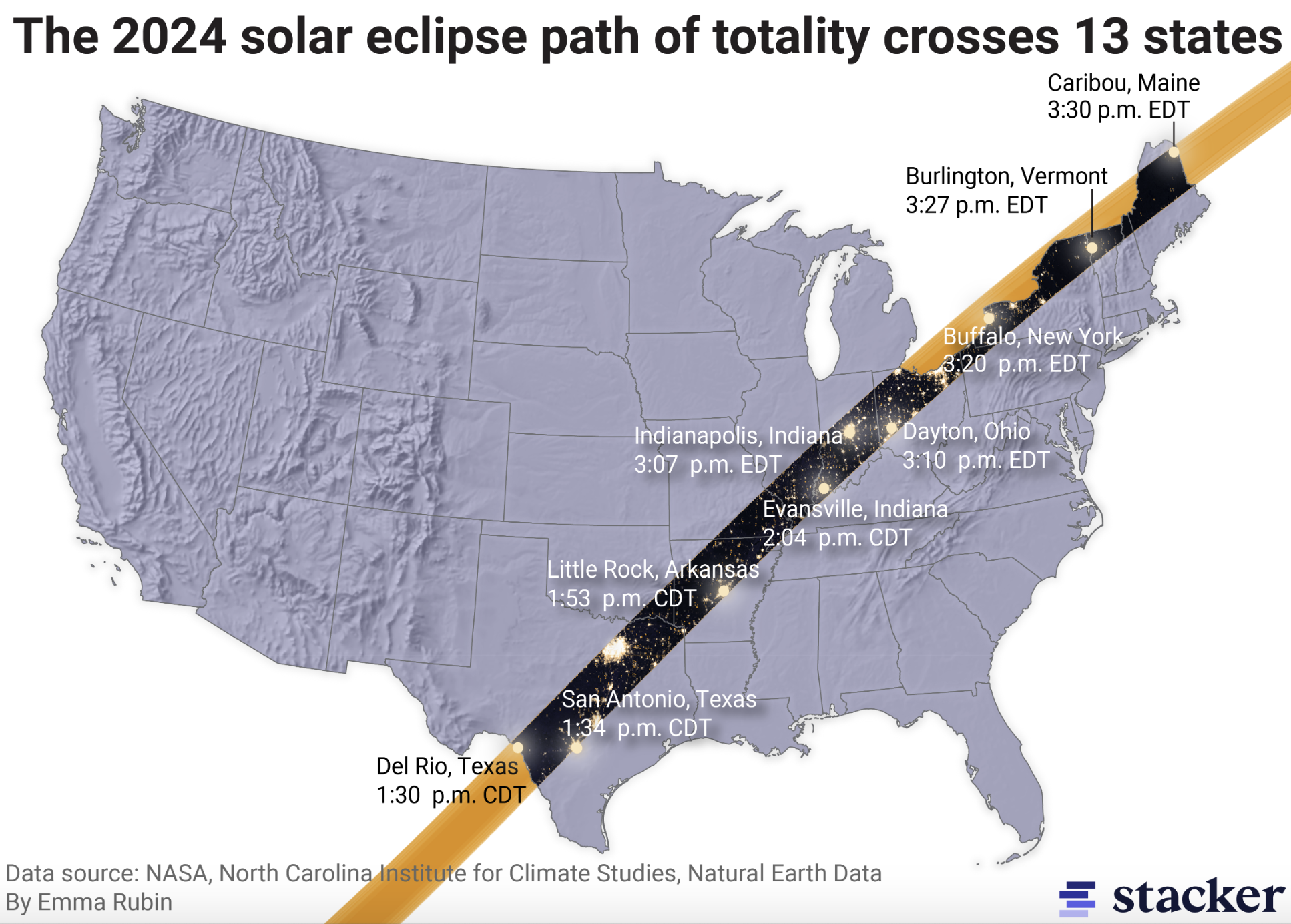
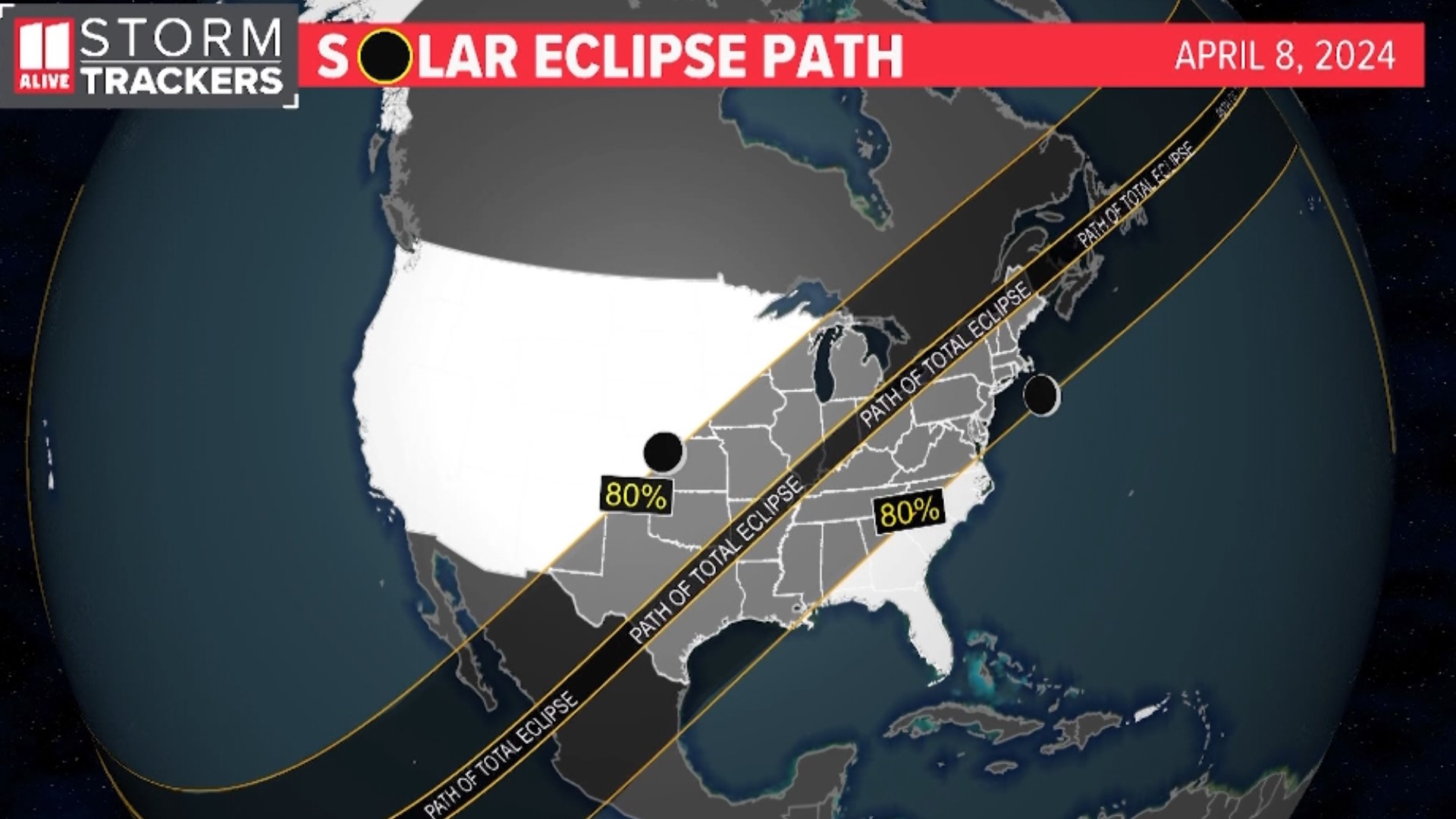
Since the "Great North American Eclipse" of April 8, 2024, many Americans are eager to know when the next total solar eclipse will cross the lower 48 states. While 2026 offers a partial view, those seeking the "Path of Totality" within the US borders will need to wait significantly longer.
The 2044 Total Solar Eclipse
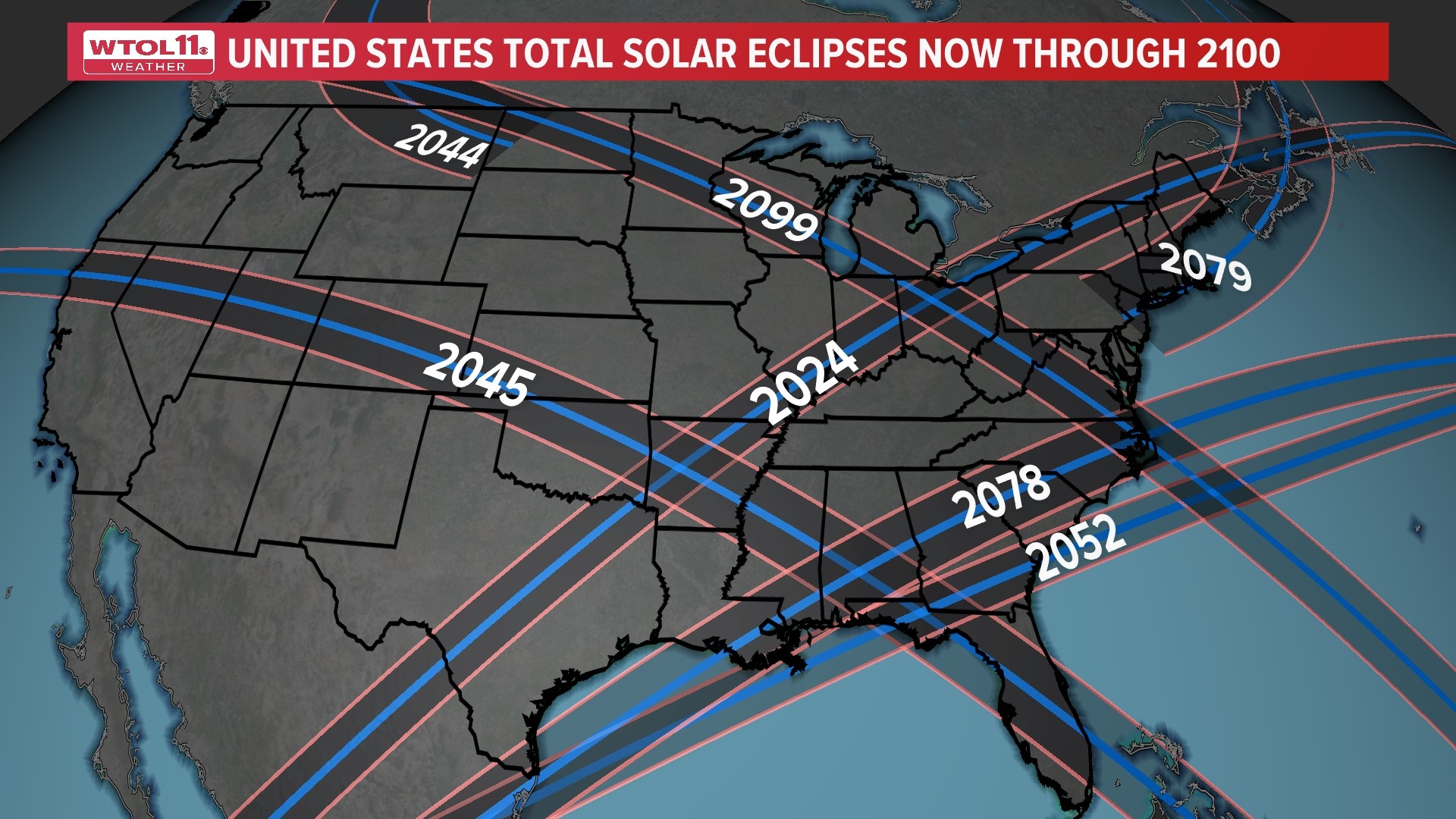
The next total solar eclipse to touch the contiguous United States will occur on August 23, 2044. This event will have a much more limited footprint than the 2017 or 2024 eclipses. The path of totality will enter the US from Canada, crossing through parts of Montana, North Dakota, and South Dakota. Because of the rural nature of this path, travel and logistics will be major considerations for future "eclipse chasers."
The 2045 Coast-to-Coast Eclipse
Just one year after the 2044 event, a massive total solar eclipse will sweep across the United States on August 12, 2045. This is often referred to as the "Great American Eclipse II." Its path will be truly national, stretching from California through the Southwest, the Midwest, and exiting through Florida. This 2045 event is expected to be one of the longest-duration eclipses in US history, with totality lasting over six minutes in some locations.
Technical Differences: Total vs. Partial Eclipses
Understanding the technical distinction between eclipse types is vital for managing viewing expectations. A solar eclipse occurs when the Moon passes between the Sun and Earth, but the alignment is not always perfect.
- Total Solar Eclipse: The Moon is at a distance from Earth that allows it to completely cover the solar disk. This is the only time it is safe to look at the Sun without protection (and only during the few minutes of totality). The sky turns to twilight, temperatures drop, and the solar corona becomes visible.
- Partial Solar Eclipse: The Moon covers only a portion of the Sun. This is what the US will see in August 2026. At no point is it safe to look at a partial eclipse without ISO-certified solar filters. Even a 99% partial eclipse is 1,000 times brighter than a total eclipse and can cause permanent eye damage.
- Annular Solar Eclipse: Often called a "Ring of Fire," this occurs when the Moon is too far from Earth to cover the Sun completely, leaving a thin ring of light. The US saw a major annular eclipse in October 2023. The next significant annular event visible from the US (as a partial) will be in January 2028.
Safe Viewing Practices and Equipment
Whether viewing a 10% partial eclipse in Maine or an 80% eclipse in Alaska, safety is the primary concern. The Sun’s infrared and ultraviolet radiation can burn the retina without causing immediate pain, a condition known as solar retinopathy.
ISO 12312-2 Certification
The only safe way to view the Sun directly is through solar viewing glasses or handheld solar viewers that meet the ISO 12312-2 international safety standard. Standard sunglasses, even those with very dark tints, do not provide sufficient protection against the harmful rays of the Sun. Before using any eclipse glasses for the 2026 event, inspect them for scratches, punctures, or tears. If the filter is damaged, it must be discarded.
Indirect Viewing Methods
If you do not have solar glasses, indirect viewing is a safe and effective alternative.
- Pinhole Projector: Poke a small hole in a piece of cardstock and allow the sunlight to pass through the hole onto a second piece of paper held a few feet away. You will see a projected image of the eclipsed Sun.
- Natural Pinhole Projectors: During a partial eclipse, the gaps between the leaves of trees act as natural pinholes, projecting hundreds of tiny crescent Suns onto the ground below.
- Telescopes and Binoculars: These instruments must be equipped with professional-grade solar filters at the front (objective) end. Never use a telescope or binoculars to look at the Sun without a specialized filter, as the lenses will concentrate the heat and light, causing instant eye damage and potentially melting the internal components of the device.
Travel Planning for 2026 Totality
For Americans who are unwilling to wait until 2044 for a total solar eclipse, international travel is the only option for the 2026 event. The August 12, 2026 path of totality offers three distinct environments for viewing:
- Iceland: The path crosses the capital, Reykjavik. This is expected to be a major hub for American travelers due to the relatively short flight times from the East Coast. However, Iceland's weather is notoriously unpredictable, making cloud cover a high risk.
- Spain: The eclipse will cross northern and central Spain, including cities like Burgos and Zaragoza, before ending at sunset on the Mediterranean coast. Spain offers a much higher probability of clear skies compared to Iceland or Greenland.
- Greenland: For the adventurous, the path crosses the rugged eastern coast of Greenland. This requires specialized expedition travel but offers the most remote and dramatic landscapes for eclipse photography.
According to the American Astronomical Society (AAS), planning for international eclipse travel should begin at least 12 to 18 months in advance, as hotels and transportation in the path of totality sell out rapidly.
Frequently Asked Questions
Will the US see a total solar eclipse in 2026?
No, the United States will not experience totality in 2026. The path of totality remains over the Arctic and parts of Europe. The US will only see a partial solar eclipse, with the highest visibility in Alaska and the Northeastern states.
What time does the 2026 solar eclipse start in the US?
The timing varies by location. In Alaska, the partial eclipse begins in the early morning hours (around 4:00 AM AKDT). In the Northeast, it begins in the late afternoon or early evening (around 6:30 PM to 7:00 PM EDT), ending as the Sun sets.
Can I use my eclipse glasses from the 2024 eclipse?
You can use them if they are still in perfect condition. Check the manufacturer's instructions; most modern ISO 12312-2 glasses do not expire, but they must be free of any scratches, holes, or peeling of the solar film. If they have been stored in a way that caused creasing, they are no longer safe.
Is a 10% partial eclipse worth watching?
While a 10% obscuration will not change the brightness of the day, it is still a fascinating celestial event to witness through solar filters. You will see a distinct notch removed from the edge of the Sun. It is a great educational opportunity for students and amateur astronomers.
When is the next total solar eclipse visible from the entire US?
The next coast-to-coast total solar eclipse in the United States will occur on August 12, 2045. This event will pass through states including California, Utah, Colorado, Kansas, Oklahoma, Arkansas, Mississippi, Alabama, and Florida.
Practical Recommendations for 2026 Observers
To make the most of the August 12, 2026 partial eclipse in the United States, observers should first verify their location's specific obscuration percentage using resources like NASA's Eclipse Explorer.
If you are in the Northeast, find a viewing spot with an unobstructed view of the western horizon, as the eclipse will occur very low in the sky as the Sun sets. Ensure you have your ISO-certified glasses ready well before the event, as demand often spikes in the weeks leading up to any solar alignment. For those seeking the full experience of totality, now is the time to finalize travel arrangements for Iceland or Spain, where the Moon will completely hide the Sun for the last time until 2027.
Image Gallery