Why Steve Is the Most OP Smash Bros Character in Super Smash Bros. Ultimate
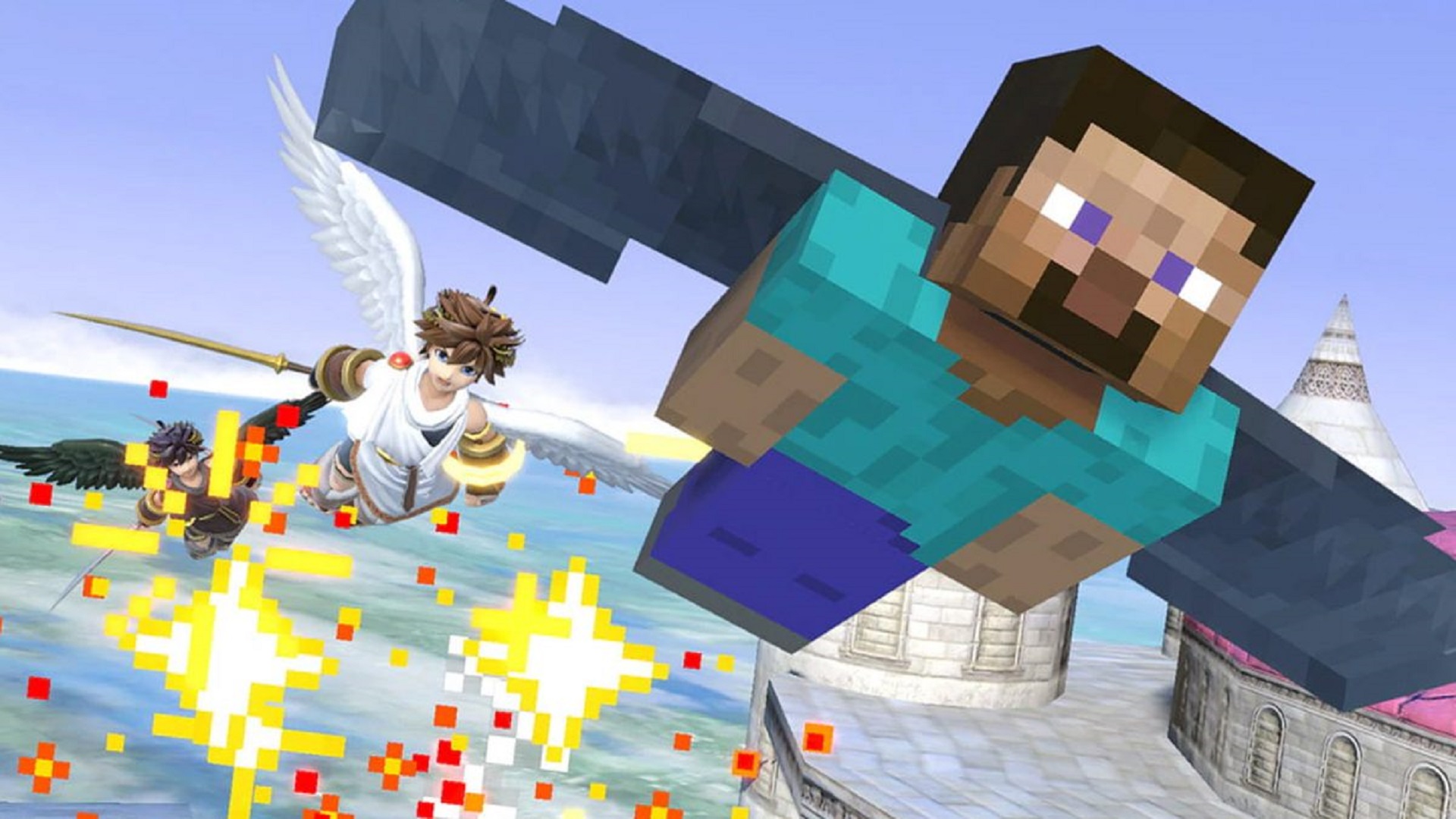
Steve, the iconic block-building protagonist from Minecraft, stands as the most overwhelmingly powerful and fundamentally game-breaking character in Super Smash Bros. Ultimate. Introduced as part of Fighters Pass Vol. 2, Steve reshaped...
Steve, the iconic block-building protagonist from Minecraft, stands as the most overwhelmingly powerful and fundamentally game-breaking character in Super Smash Bros. Ultimate. Introduced as part of Fighters Pass Vol. 2, Steve reshaped the competitive metagame through a combination of resource management, unprecedented stage control, and unique physics-defying mechanics that force opponents to completely relearn neutral interactions.
Contents
Understanding Steve's Core Mechanics and the Mine-and-Craft Loop
To comprehend why Steve dominates competitive tier lists, one must first analyze his core gameplay loop: mining and crafting. Unlike any other fighter on the roster, Steve does not simply fight his opponent; he gathers resources from the stage itself to upgrade his equipment and craft materials that dictate his offensive and defensive capabilities.
The Mining Process and Material Hierarchy
By pressing the special button while standing on ground, Steve mines the stage to collect materials. The game engine evaluates the specific stage geometry and background elements to determine which materials Steve acquires. The hierarchy consists of:
- Dirt: The most common and weakest material, used primarily for basic block placement.
- Wood: Offers slightly better durability and is gathered quickly on wooden stages or platforms.
- Stone: Provides moderate durability and longer-lasting block structures.
- Iron: A crucial resource for crafting superior tools and minecarts.
- Gold: Powers specific movement options and projectile generation.
- Diamond: The ultimate resource, yielding the strongest tools, highest damage output, and maximum knockback potential.
Because mining takes time, it introduces a psychological element to the match. Opponents are forced to approach Steve immediately to interrupt his resource gathering. However, Steve's kit is specifically designed to punish aggressive approaches, creating a paradoxical pressure cooker where the opponent is penalized for approaching and penalized for letting Steve mine.
The Power of Materialization: Block Creation and Stage Alteration
No mechanic in Super Smash Bros. Ultimate breaks conventional rules quite like Steve's neutral special, which allows him to place cubic blocks of his currently held material. These blocks persist on the stage, creating physical barriers, extending recovery options, trapping opponents, and completely blocking certain projectiles and recoveries.
Neutral Control and Ledge Trapping
Steve can build walls at the edge of the stage to execute devastating ledge-trapping scenarios. By sealing off the ledge, he forces recovering opponents into predictable recovery arcs, where they can be intercepted easily by a downward aerial or a minecart. Furthermore, Steve can place blocks underneath himself while recovering in mid-air, effectively granting him a near-infinite horizontal recovery if he possesses enough materials. This eliminates one of the primary weaknesses traditional heavyweights and zoners face: vulnerability during edge-guarding sequences.
Material Durability and Tool Degradation
Steve's melee attacks utilize swords, pickaxes, and axes that degrade with use. While this sounds like a balancing mechanism, it actually amplifies his power ceiling. High-tier players manage their resources meticulously, ensuring that they transition from weak wooden tools to devastating diamond implements precisely when a stock needs to be taken. When a tool breaks, Steve automatically crafts a replacement if he has the required materials, maintaining his offensive momentum without significant downtime.
Unpacking the Toolkit: Minecart, Anvil, and Exceptional Frame Data
Beyond block placement, Steve's special moves and normal attacks possess some of the most versatile and safe hitboxes in the game. Understanding these individual tools clarifies why top-tier professional players consistently rank him at the pinnacle of the competitive scene.
| Tool / Move | Primary Function | Competitive Advantage |
|---|---|---|
| Minecart (Side Special) | Command grab and rapid projectile | Captures opponents, carries them across the stage, and can be used as a recovery vehicle. |
| Anvil (Up Aerial / Down Special) | Heavy falling projectile and smash attack | Breaks shields instantly, spikes opponents below, and provides landing protection. |
| Up Tilt | Anti-air combo starter | Incredible frame data, low ending lag, and loops into itself at various percentages. |
| Fishing Rod (Grab) | Tether grab with long reach | Safe spacing tool that bypasses traditional shield mechanics and initiates combos. |
The Minecart move is particularly notorious in competitive play. Steve hops into a cart that travels across the ground, acting as a command grab that traps the opponent inside the cart, dragging them toward a blast zone or a hazard. The opponent must furiously mash buttons to escape, and if they fail to do so quickly enough, Steve can secure early eliminations. Additionally, Steve can jump out of the minecart early, leaving the vehicle to act as an active hitbox while he acts independently.
Comparative Breakdown: Steve Versus Traditional Top Tiers
To truly appreciate Steve's dominance, it helps to compare him against other historically dominant characters in Super Smash Bros. Ultimate, such as Joker and Pyra/Mythra.
[Traditional Rushdown (Joker/Pyra)] ---> Relies on speed/frames ---> Countered by Steve's walls [Steve's Defensive Matrix] ----------> Controls stage space -------> Forces risky approaches [Resource Management Loop] ----------> Yields Diamond gear ---------> Overwhelms opponent defense
While characters like Joker rely on exceptional frame data, mobility, and the Arsene comeback mechanic, and Pyra/Mythra rely on overwhelming speed and disjointed hitboxes, Steve alters the fundamental rules of engagement. Traditional characters must navigate the stage layout as intended by the developers; Steve rewrites the stage layout entirely. His walls block high-speed rushdown approaches, and his minecart punishes commitment. This forces fast characters to play a patient, slower game against a character who scales in power the longer the match goes on.
Common Counterplay and Defensive Strategies
Despite his overpowered status, Steve is not entirely unbeatable. High-level competitors have developed specific strategies to mitigate his strengths, though executing them requires flawless precision.
- Immediate Early Aggression: Denying Steve the opportunity to mine at the very start of the match forces him to fight with inferior wooden tools or waste valuable seconds gathering resources under pressure.
- Projectile Zoning: Characters with superior, long-range projectiles can disrupt Steve's mining animations from a safe distance, forcing him to shield or move rather than collect iron and diamond.
- Matchup Knowledge and Pacing: Understanding exact material degradation thresholds allows smart opponents to anticipate when Steve's weapons will break, opening temporary windows for heavy punishes.
Frequently Asked Questions
Why is Steve considered harder to master than other top-tier characters?
Steve requires an immense amount of technical precision regarding resource management, material cancellation inputs, and spatial awareness. Players must monitor their material counts, tool durability, and block placement angles simultaneously while executing complex combo routes, making his skill ceiling exceptionally high.
Can Steve's blocks be destroyed by any attack?
Yes. Opponents can break Steve's placed blocks by hitting them with enough cumulative damage. However, the durability depends entirely on the material used to craft the block. Diamond and iron blocks take significantly more hits to destroy than basic dirt or wood blocks.
How did the competitive Super Smash Bros. Ultimate community respond to Steve's dominance?
The competitive community underwent extensive meta-adaptations. While some regional tournaments briefly discussed or experimented with specific character clauses, major international majors permit Steve, leading players to refine specialized counterplay, stage bans, and matchup-specific strategies.
What makes Steve's up tilt so powerful?
Steve's up tilt has remarkably low startup and ending lag combined with a favorable hitbox. It allows him to chain multiple hits together on a wide variety of the cast, bridging the gap between low percentages and kill setups with minimal risk.
Is Steve legal in official competitive tournaments?
Yes, Steve is fully legal in virtually all standard offline and online Super Smash Bros. Ultimate tournaments worldwide. Despite debates surrounding his dominant toolset, tournament organizers adhere to character legality without bans.
Conclusion and Final Recommendations
Steve's reign over Super Smash Bros. Ultimate stems from a unique fusion of stage alteration, resource scaling, and low-risk defensive options that fundamentally disrupt traditional fighting game conventions. For players looking to master the character, focus heavily on efficient mining routes, resource budgeting, and mastering minecart spacing. For those playing against Steve, prioritize immediate stage pressure and denial of mining opportunities to prevent him from accessing his devastating diamond arsenal.
Image Gallery