The Definitive Guide to Product Marketing Responsibilities in 2026
Product marketing responsibilities encompass the strategic bridge between product development and the market. Primarily, a Product Marketing Manager (PMM) is responsible for defining a product’s positioning, creating compelling messagi...
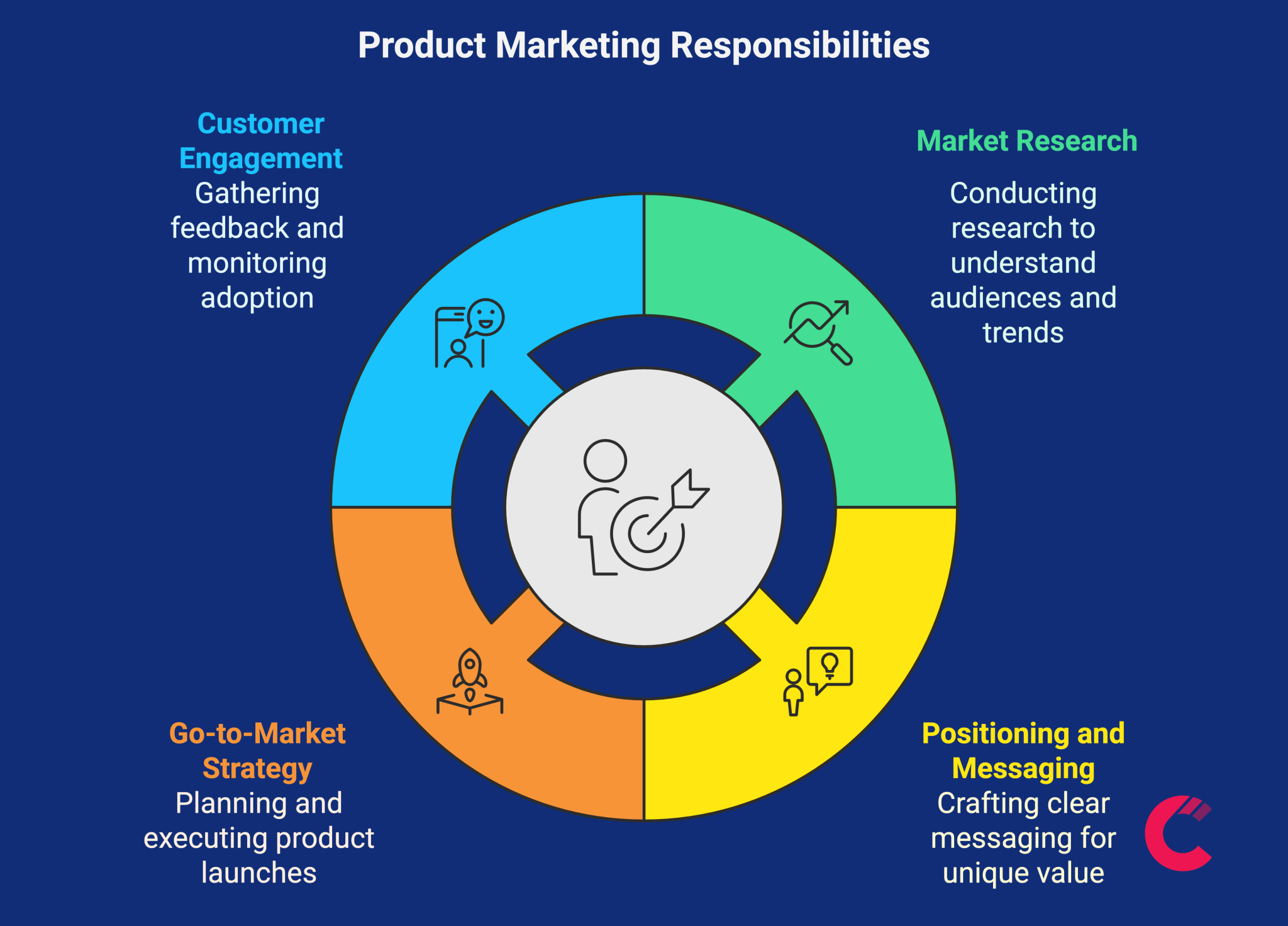
Product marketing responsibilities encompass the strategic bridge between product development and the market. Primarily, a Product Marketing Manager (PMM) is responsible for defining a product’s positioning, creating compelling messaging, managing go-to-market (GTM) strategies, and driving demand by ensuring sales and marketing teams have the intelligence and collateral necessary to win customers.
Contents
In the fast-paced business environment of 2026, the role of product marketing has evolved from a support function to a core strategic driver. As companies face increasingly crowded markets and sophisticated buyers, the PMM acts as the "voice of the customer" within the organization, translating complex technical features into tangible business value. This guide provides a deep dive into the specific responsibilities that define modern product marketing.
1. Market Research and Customer Intelligence
The foundation of all product marketing responsibilities is a deep, evidence-based understanding of the market. Without accurate data, positioning and messaging are merely guesswork.
Voice of the Customer (VoC) and Win/Loss Analysis
A primary responsibility for any PMM is conducting continuous win/loss interviews. By speaking directly with both successful converts and lost prospects, PMMs identify why the product resonated or where it fell short. This data is not just for the marketing team; it serves as critical feedback for the Product Management (PM) team to influence the future roadmap. In 2026, this often involves leveraging AI-driven sentiment analysis tools to parse thousands of customer interactions, but the human element of deep-dive interviewing remains irreplaceable.
Defining the Ideal Customer Profile (ICP) and Personas
PMMs are responsible for segmenting the market and defining exactly who the product is for. This goes beyond basic demographics like age or job title. Modern product marketing requires identifying "psychographics"—the motivations, pain points, and specific challenges that drive a buyer to seek a solution. Responsibilities include:
- Segmenting the market: Identifying high-opportunity niches.
- Developing Personas: Creating detailed profiles for buyers (those who sign the check) and users (those who use the tool daily).
- Mapping the Buyer’s Journey: Understanding every touchpoint a customer encounters from initial awareness to post-purchase advocacy.
2. Product Positioning and Messaging
If research is the foundation, positioning is the blueprint. Product marketing is responsible for determining where a product fits in the competitive landscape and how it should be perceived by the target audience.
The Art of Strategic Positioning
Positioning is the conceptual place a product occupies in a consumer's mind. PMMs must decide if their product is the "low-cost leader," the "premium innovator," or the "easiest to use." This responsibility involves collaborating with executive leadership to ensure that the product’s identity aligns with the overall corporate brand.
Narrative Design and Messaging Frameworks
Once the positioning is set, PMMs must translate it into messaging. This involves creating a "messaging house" or framework that includes:
- The Value Proposition: A high-level statement of the unique value the product provides.
- Pillars of Value: 3–5 key benefits that support the value proposition.
- Proof Points: Technical features, case studies, or statistics that validate the claims.
Effective messaging in 2026 focuses on outcomes rather than features. Instead of listing "256-bit encryption," a PMM crafts a narrative around "enterprise-grade security that ensures regulatory compliance without sacrificing speed."
3. Go-to-Market (GTM) Strategy and Execution
The GTM strategy is perhaps the most visible of all product marketing responsibilities. It is the comprehensive plan for how a company will launch a new product or feature and reach its target audience.
Orchestrating Product Launches
A PMM serves as the project manager for a product launch, coordinating between Product, Sales, Marketing, and Customer Success. This involves setting the timeline, defining the goals (e.g., lead generation, brand awareness, or expansion revenue), and ensuring every department is ready for "Day Zero."
Cross-Functional Alignment
The GTM responsibility extends to internal training. Product marketing ensures that the Customer Success team knows how to support the new features and that the Demand Generation team has the right keywords and creative direction for their campaigns. Without this alignment, even the most innovative products can fail due to inconsistent messaging or poor internal preparation.
4. Sales Enablement and Revenue Support
Product marketing does not just generate interest; it helps close deals. This is often referred to as "sales enablement," and it is a critical component of the PMM role in B2B and enterprise environments.
Creating High-Impact Sales Assets
PMMs are responsible for equipping the sales team with the tools they need to overcome objections and demonstrate value. Common responsibilities include producing:
- Sales Decks: Narratives that help sales reps tell a compelling story.
- Case Studies: Real-world examples of how current customers are succeeding.
- Product Sheets: Detailed technical breakdowns for more advanced buyers.
- Battlecards: Strategic guides on how to win against specific competitors.
Training and Certification
In many organizations, product marketing is responsible for "selling the sales team." PMMs conduct training sessions to ensure reps understand the new positioning, can handle common objections, and know how to use the latest sales assets effectively.
5. Competitive Intelligence
In a saturated market, knowing what your rivals are doing is just as important as knowing what your customers want. Product marketing is the primary owner of competitive intelligence.
Continuous Monitoring
PMMs must track competitor product updates, pricing changes, and marketing shifts. This is not just about copying features; it is about finding "white space"—areas where the competition is weak and your product can excel.
Tactical Response
When a competitor launches a new campaign or lowers their price, the PMM is responsible for creating a "response kit" for the sales team. This ensures the company remains proactive rather than reactive, maintaining its market share through strategic counter-positioning.
6. Pricing and Packaging Strategy
While Finance and Product Management often have the final say on numbers, Product Marketing is responsible for the strategy behind pricing and packaging.
Value-Based Pricing
PMMs analyze market data and customer willingness-to-pay to recommend pricing models. Whether it is a per-seat SaaS model, consumption-based pricing, or a freemium-to-enterprise tier, the PMM ensures the price reflects the perceived value.
Packaging for Success
Packaging involves deciding which features go into which tiers. A PMM must balance the need to attract new users with a "Basic" tier while reserving high-value features for "Pro" or "Enterprise" tiers to maximize Average Contract Value (ACV).
Comparison of Core Marketing and Product Roles
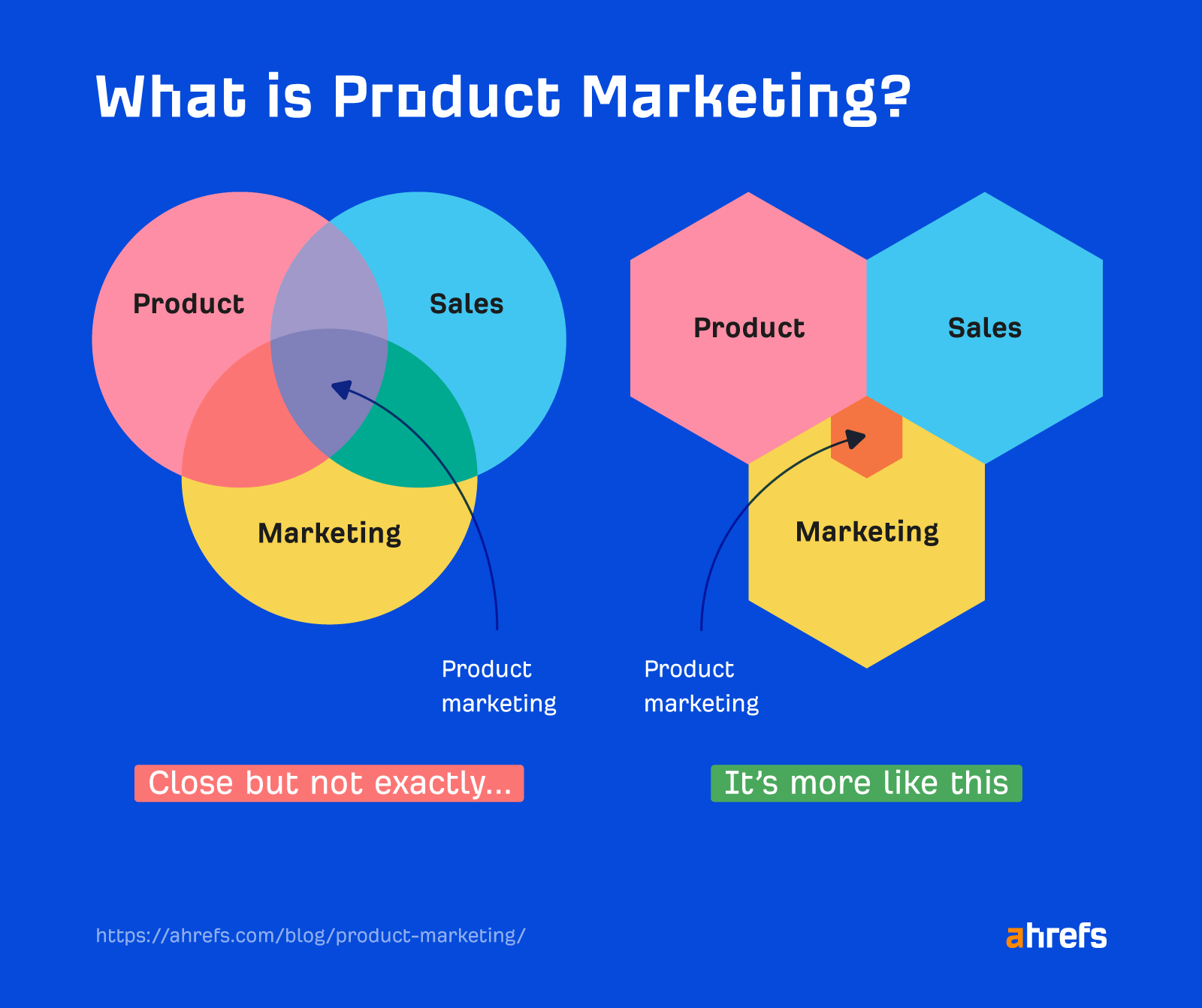
To better understand where product marketing fits, it is helpful to compare its responsibilities with adjacent roles.
| Responsibility Area | Product Marketing (PMM) | Product Management (PM) | Demand Generation |
|---|---|---|---|
| Primary Goal | Market fit & GTM success | Building the right product | Generating leads & pipeline |
| Core Focus | The Buyer | The User | The Prospect |
| Output | Messaging, GTM, Enablement | Roadmap, Features, UX | Ads, Emails, Campaigns |
| Success Metric | Win rate, Market share | Adoption, Retention | Cost per Lead (CPL), ROI |
| Market View | External (Market/Competitors) | Internal (Product/Tech) | Channel (Ads/SEO/Social) |
7. KPIs and Measuring Success
A critical responsibility of product marketing is proving the impact of their work through data. Unlike brand marketing, which can be difficult to measure, PMM responsibilities are often tied to specific business outcomes.
- Win Rate: The percentage of deals won against competitors. An increasing win rate often indicates that the PMM's positioning and sales enablement are working.
- Product Adoption: For new feature launches, PMMs track how quickly and extensively users adopt the new functionality.
- Sales Cycle Length: By providing better enablement tools, PMMs aim to reduce the time it takes for a lead to become a customer.
- Feature Awareness: Through surveys and usage data, PMMs measure if the target audience is actually aware of the value the product provides.
FAQ
How does product marketing differ from brand marketing?
Brand marketing focuses on the high-level identity of the company (emotion, values, and reputation). Product marketing is more tactical and specific, focusing on the features, benefits, and value proposition of a specific product or service to drive conversion.
What technical skills are required for product marketing?
While PMMs do not need to be developers, they must have a high degree of technical literacy to understand how the product works and translate it for customers. Proficiency in data analysis tools (like Tableau or SQL), CRM software (like Salesforce), and GTM orchestration platforms is increasingly essential in 2026.
Is product marketing responsible for content creation?
Yes, but usually at a strategic level. While a content marketer might write a blog post for SEO, a PMM will define the core narrative, key talking points, and target audience for that content. PMMs often write the first drafts of high-stakes content like sales decks and website product pages.
Does a PMM report to Marketing or Product?
This varies by company size and industry. In many SaaS organizations, PMMs report to the VP of Marketing, but in product-led growth (PLG) companies, they may report to a Chief Product Officer to ensure tighter alignment with the development lifecycle.
How has AI changed product marketing responsibilities in 2026?
AI has shifted the PMM's role from manual execution to strategic oversight. PMMs now use AI to analyze customer calls at scale, generate personalized messaging variations for different segments, and predict market trends. However, the core responsibility of defining the "human" strategy remains a manual, expert task.
Final Recommendation
For organizations looking to optimize their product marketing function, the first step is to clearly define the boundary between Product Management and Product Marketing. To succeed in 2026, ensure your PMMs are not treated as "internal slide makers" but as strategic partners who have a seat at the table during the earliest stages of product development. Empower them to spend at least 20% of their time talking directly to customers; this firsthand intelligence is the only way to build a truly defensible GTM strategy.
Image Gallery