Comprehensive Guide to Auto Insurance in Brunswick County, North Carolina (2026)
Securing auto insurance in Brunswick County, North Carolina, requires balancing the state’s mandatory liability minimums with specialized coverage designed for coastal risks and rapid regional growth. Drivers must maintain at least 30/...
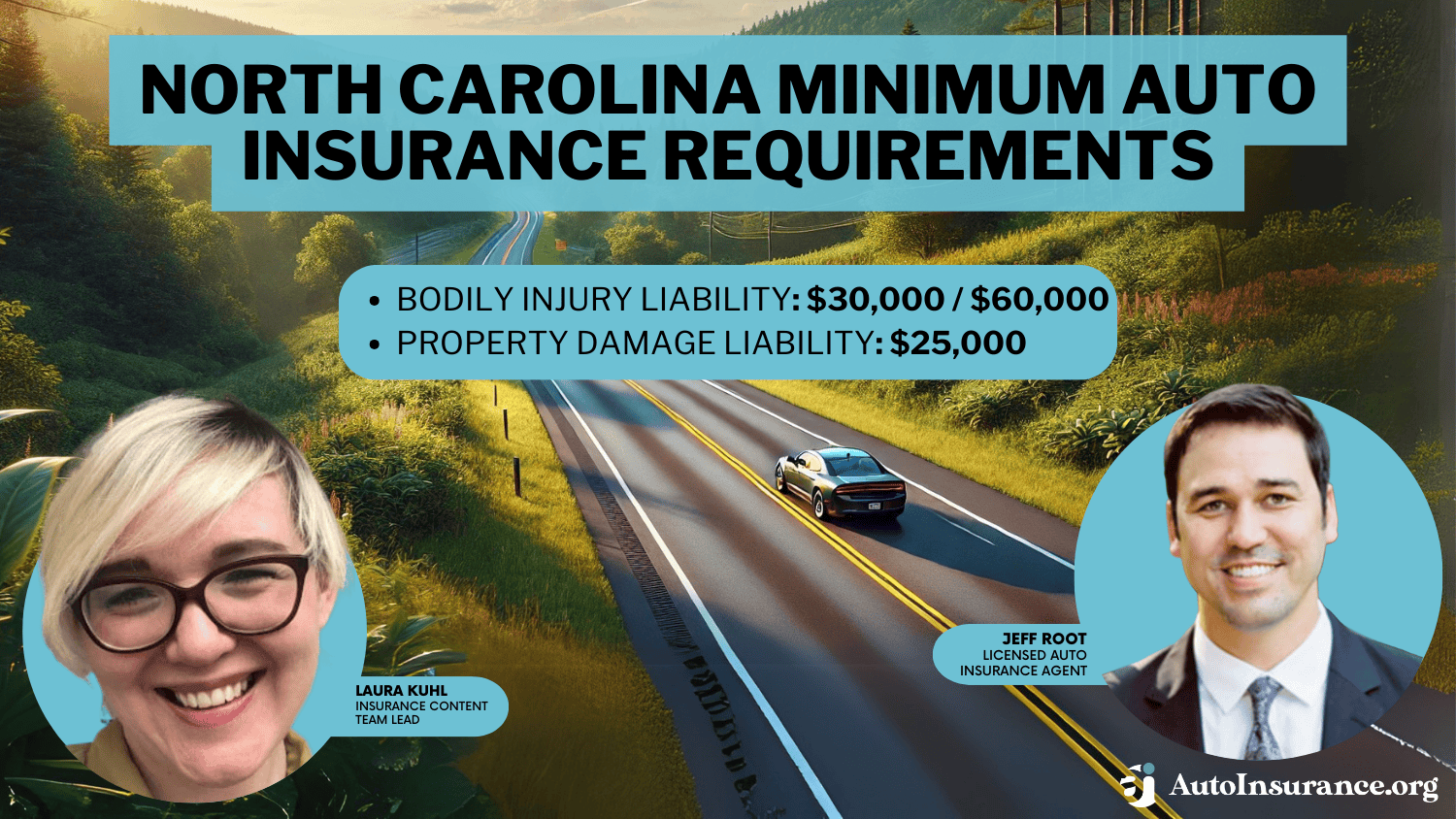
Securing auto insurance in Brunswick County, North Carolina, requires balancing the state’s mandatory liability minimums with specialized coverage designed for coastal risks and rapid regional growth. Drivers must maintain at least 30/60/25 liability limits and uninsured motorist coverage to remain compliant with North Carolina Department of Transportation (NCDOT) regulations while navigating unique local factors like seasonal tourism traffic and hurricane-related flood hazards.
Contents
Understanding North Carolina Auto Insurance Mandates
North Carolina operates under a "tort" system, meaning the driver found at fault in an accident is responsible for the damages. To ensure financial responsibility, the state mandates specific minimum coverage levels that every vehicle registered in Brunswick County must carry. As of 2026, these requirements remain foundational to the North Carolina motor vehicle laws.
Minimum Liability Requirements
Liability insurance protects other people if you cause an accident. It does not cover your own vehicle or injuries. The North Carolina "30/60/25" rule consists of:
- $30,000 for Bodily Injury (per person): The maximum amount the policy will pay for one person’s injuries in a single accident.
- $60,000 for Bodily Injury (per accident): The total amount available for all people injured in one accident.
- $25,000 for Property Damage: The maximum amount paid to repair or replace someone else's property, such as their car, fence, or home.
Uninsured Motorist (UM) Coverage
North Carolina is one of the states that requires Uninsured Motorist coverage. This protects you if you are hit by a driver who does not have insurance or a hit-and-run driver. In Brunswick County, where seasonal visitors and out-of-state travelers are common, this coverage is a vital safety net.
Local Risk Factors in Brunswick County
Brunswick County is unique due to its geography and demographic shifts. Situated in the southeastern corner of the state, it encompasses fast-growing inland suburbs like Leland and coastal resort towns like Southport, Oak Island, and Ocean Isle Beach. These environments present specific challenges for insurers and drivers alike.
Coastal Exposure and Flood Risks
Standard auto insurance policies generally do not cover "flood" damage under liability or collision coverage. In Brunswick County, where tropical storms and hurricanes are a seasonal reality, Comprehensive Coverage is essential. Comprehensive insurance covers "acts of God," including flooding, fallen trees, and wind damage. Given the low-lying terrain of the county, a vehicle parked in a driveway in Boiling Spring Lakes or St. James is just as susceptible to rising water as one near the Atlantic.
The Impact of Rapid Population Growth
Brunswick County has consistently ranked as one of the fastest-growing counties in North Carolina. This influx of residents, particularly in the northern end of the county near the Cape Fear Memorial Bridge and the Interstate 140 bypass, has led to increased traffic density. Higher vehicle density statistically correlates with a higher frequency of "fender benders" and multi-vehicle collisions, which can influence local premium rates.
Seasonal Tourism Traffic
From May through September, the population of Brunswick County swells significantly. The influx of tourists heading to the "South Brunswick Islands" creates congestion on Highway 17 and Highway 211. Tourists who are unfamiliar with local roads and navigation often contribute to unpredictable driving patterns. Local insurers account for this seasonal spike in risk when calculating annual premiums for year-round residents.
Types of Auto Insurance Coverage Available in 2026
While state minimums keep you legal, they rarely provide enough financial protection for modern vehicle values or medical costs. Drivers in Brunswick County typically choose from several additional layers of protection.
| Coverage Type | What It Covers | Is It Required? | Recommended For |
|---|---|---|---|
| Liability | Injuries/damage you cause to others | Yes (State Law) | All registered drivers |
| Collision | Damage to your car from an accident | No* | Vehicles with a loan or high value |
| Comprehensive | Theft, fire, flood, animal strikes | No* | Residents in hurricane-prone zones |
| UM / UIM | Hits by uninsured or underinsured drivers | Yes (UM) | All drivers (High limits suggested) |
| Medical Payments | Your own medical bills regardless of fault | No | Drivers without robust health insurance |
| GAP Insurance | Difference between loan and car value | No | New cars with high depreciation |
*Note: Lenders usually require Collision and Comprehensive coverage if the vehicle is financed or leased.
Collision vs. Comprehensive in a Coastal Context
In Brunswick County, the distinction between these two is critical. If you slide on a wet road on Highway 17 and hit a guardrail, your Collision coverage pays for the repairs. However, if a hurricane pushes a storm surge into your garage or a pine tree falls on your car during a northeaster, only Comprehensive coverage applies. For residents of coastal communities like Holden Beach, maintaining a low comprehensive deductible is often a strategic choice.
How Rates are Determined in North Carolina
North Carolina has a unique system for setting insurance rates compared to most other states. The North Carolina Rate Bureau (NCRB) represents the insurance industry and proposes rate changes to the Commissioner of Insurance.
The "Consent to Rate" Form
You may encounter a "Consent to Rate" form when applying for insurance in Brunswick County. Because coastal areas are considered higher risk, insurance companies may feel the state-capped rates are insufficient to cover the potential for loss. By signing this form, the policyholder agrees to pay a premium higher than the state-mandated "base rate." This is common in Brunswick County due to the high risk of catastrophic weather events.
Personal Factors Influencing Premiums
Beyond geography, several personal metrics dictate your monthly premium:
- Credit Score: In 2026, insurers continue to use insurance-based credit scores to predict risk. Higher scores generally lead to lower premiums.
- Driving Record: North Carolina uses a Safe Driver Incentive Plan (SDIP). Points are assessed for speeding, DUIs, and at-fault accidents, which directly translate to percentage increases in your premium for three years.
- Vehicle Type: High-performance vehicles or expensive SUVs common in the county’s gated communities often carry higher premiums due to repair costs.
- Usage: Commuting from Leland to Wilmington for work results in higher mileage—and higher risk—than a retiree using their vehicle for local trips in Southport.
Strategies for Reducing Insurance Costs
High-quality coverage does not always have to come with a high price tag. Brunswick County residents have several avenues to lower their annual insurance spend.
Bundling Policies
The most effective way to save is by bundling auto insurance with a homeowners or renters policy. Given the high cost of homeowners insurance in coastal North Carolina, the multi-policy discount can be substantial, often ranging from 10% to 20% off the total bill.
Telematics and Usage-Based Insurance (UBI)
By 2026, most major carriers offer telematics programs. These involve using a smartphone app or a plug-in device to monitor driving habits such as hard braking, speed, and time of day. For the many retirees in Brunswick County who drive fewer miles and avoid peak traffic hours, UBI can result in significant "low-mileage" discounts.
Increasing Deductibles
If you have an emergency fund, increasing your deductible from $500 to $1,000 can lower your monthly premium. However, in an area prone to falling limbs and road debris, ensure you can comfortably afford the out-of-pocket cost if a claim occurs.
Navigating the Claims Process After a Coastal Event
Filing a claim in Brunswick County after a major storm requires prompt action. Because local adjusters are often overwhelmed after a hurricane, following these steps can expedite the process:
- Document Immediately: Take high-resolution photos of the vehicle and the surrounding environment (e.g., flood lines on the car, downed trees).
- Prevent Further Damage: If a window is broken, cover it with a tarp to prevent interior water damage. Insurers expect "reasonable effort" to mitigate further loss.
- Check for "Total Loss" Criteria: In North Carolina, a car is generally considered a total loss if the repair costs plus the salvage value exceed 75% of its pre-accident fair market value. Given the electronics in modern 2026 vehicles, even minor salt-water flooding often results in a total loss.
Frequently Asked Questions
Does my auto insurance cover my car if it is flooded during a hurricane?
Only if you have Comprehensive coverage. Liability and Collision insurance do not cover flood damage. If you live in a flood-prone area of Brunswick County, such as Belville or near the Intracoastal Waterway, adding Comprehensive coverage is highly recommended.
Why are my rates higher in Brunswick County than in inland counties?
Insurers view Brunswick County as a higher risk due to coastal weather patterns and high traffic density from tourism and rapid population growth. Additionally, the frequent use of "Consent to Rate" forms in coastal zones allows companies to charge above the state’s base rate to account for these risks.
Can I drive in North Carolina without insurance?
No. North Carolina has some of the strictest insurance laws in the country. If your insurance lapses, your insurance company is required by law to notify the North Carolina Division of Motor Vehicles (NCDMV). This can lead to the revocation of your license plates and significant fines.
Does insurance cover damage caused by deer?
Yes, but only under Comprehensive coverage. Brunswick County has a high population of white-tailed deer, especially in more rural areas like Green Swamp or near the many golf course communities. Collisions with animals are categorized as "other than collision" events.
What is the Safe Driver Incentive Plan (SDIP)?
The SDIP is a state-wide program that rewards safe drivers with lower rates. Conversely, if you are convicted of certain traffic violations or are at fault in an accident, "SDIP points" are added to your record, which increases your insurance premium by a fixed percentage set by the state.
Final Recommendation for Brunswick County Residents
When shopping for auto insurance in Brunswick County, do not settle for the state minimums. The geographical risks associated with coastal living—specifically flooding and wind-borne debris—make Comprehensive coverage a necessity rather than an option. Furthermore, with the rapid increase in traffic on Highway 17, opting for higher liability limits (such as 100/300/100) and robust Underinsured Motorist coverage is the most effective way to protect your financial future in 2026. Always ask your agent about "Consent to Rate" filings and explore multi-policy discounts to offset the higher premiums associated with coastal North Carolina.
Image Gallery