Can You Drop the SR-22 Auto Insurance? Timing, Steps, and Legal Requirements
You can drop your SR-22 auto insurance filing once you have completed the state-mandated monitoring period, which typically lasts between three and five years. To do so, you must verify your eligibility date with the DMV and instruct y...
You can drop your SR-22 auto insurance filing once you have completed the state-mandated monitoring period, which typically lasts between three and five years. To do so, you must verify your eligibility date with the DMV and instruct your insurance provider to stop the filing and transition you to a standard policy.
Contents
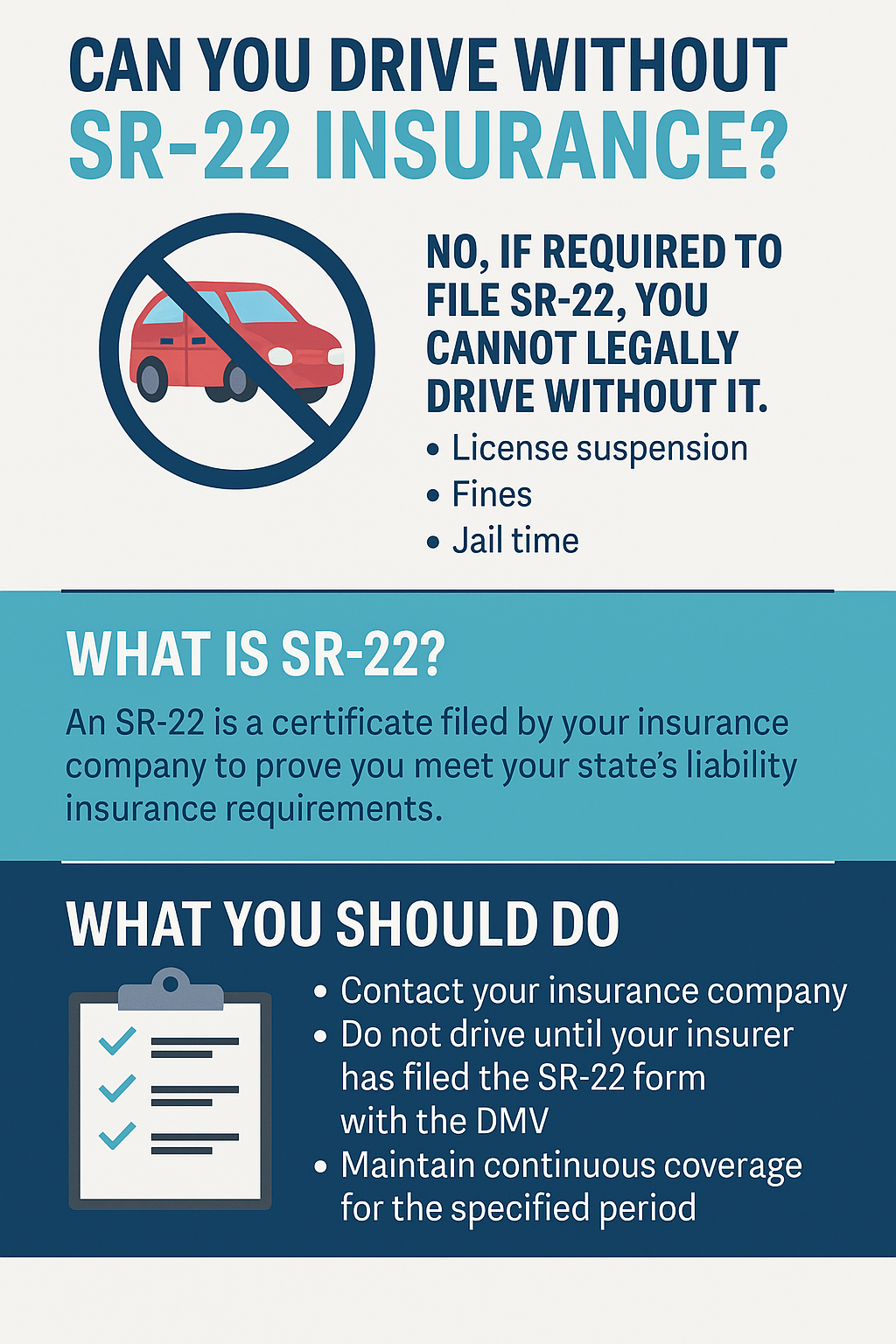
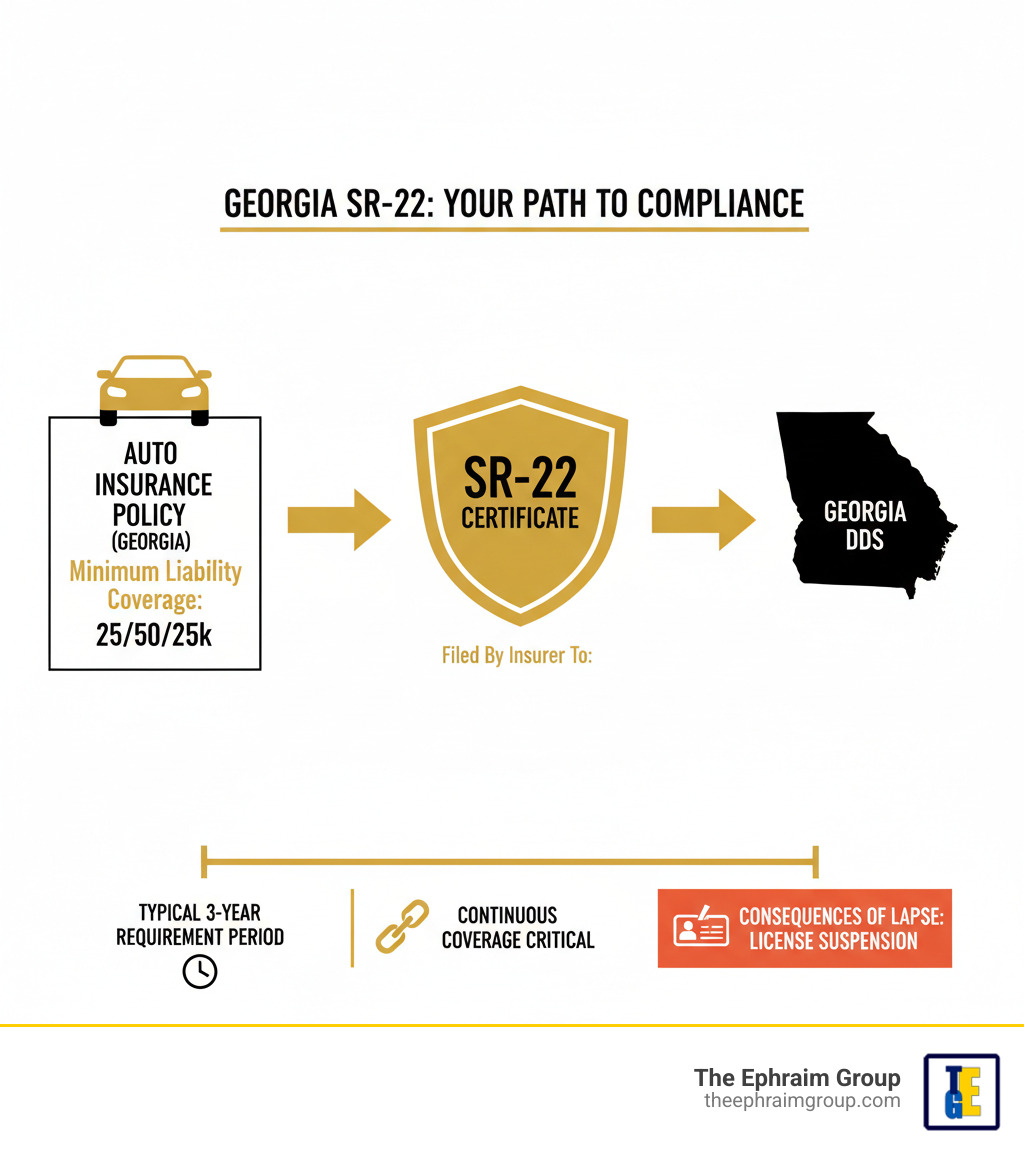
The SR-22 is one of the most misunderstood components of the American insurance system. Often incorrectly referred to as "SR-22 insurance," it is actually a Certificate of Financial Responsibility—a legal document filed by an insurance company with a state’s Department of Motor Vehicles (DMV) or Bureau of Motor Vehicles (BMV). This certificate serves as proof that a driver is carrying at least the minimum liability insurance required by law.
If you are currently carrying an SR-22, you likely know the financial and administrative burdens it imposes. As we move through 2026, state regulations regarding high-risk drivers remain stringent, and understanding exactly when and how you can "drop" this requirement is essential for regaining your status as a standard-risk driver and reducing your annual premiums.
Determining Your Eligibility to Drop the SR-22
Before you take any action to cancel an SR-22 filing, you must confirm that you have satisfied the legal requirement. Dropping the filing even 24 hours too early can result in the immediate suspension of your driving privileges and may reset the entire multi-year clock on your requirement.
The Standard Mandatory Period
In most jurisdictions, the mandatory period for maintaining an SR-22 is three years. However, this can vary significantly based on the severity of the original offense. For example:
- DUI/DWI Convictions: Usually three to five years.
- Driving Without Insurance: Often three years.
- Reckless Driving: Two to three years.
- At-Fault Accidents while Uninsured: Three to five years.
The "clock" usually begins on the date of the conviction or the date your license was reinstated, not the date of the traffic stop or incident. In some states, such as Florida or Virginia, you may be required to carry an FR-44, which is similar to an SR-22 but requires significantly higher liability limits (often double or triple the state minimum).
Contacting the DMV for Verification
Do not rely on your insurance company or your own memory to determine when your SR-22 requirement ends. Insurance companies provide the filing, but they do not track the legal mandate; that is the sole responsibility of the state.
As of 2026, most states offer online portals where you can check your driving record and the status of any "Financial Responsibility" requirements. You should contact the DMV directly and ask for the specific "SR-22 Release Date." Ensure you receive this confirmation in writing or via a downloadable digital record before proceeding.
The Technical Process of Removing an SR-22
Once you have verified that your mandatory period has concluded, the process of "dropping" the SR-22 involves several administrative steps. It is not as simple as just letting a policy lapse.
1. Notify Your Current Insurance Provider
You must contact your insurance agent or the company's customer service department to inform them that you are no longer required to maintain the filing. They will verify this information and then stop the active filing with the state.
2. The Role of the SR-26 Form
When an insurance company removes an SR-22 filing, they submit an SR-26 form to the state. This form serves as the official notification that the financial responsibility certificate is no longer active. If you have fulfilled your time, the state accepts this without penalty. If you try to drop the policy before your time is up, the SR-26 triggers an automatic license suspension.
3. Transitioning to a Standard Policy
Once the SR-22 is removed, you are no longer categorized as a "mandatory high-risk" filer. This is the ideal time to restructure your policy. You may be able to lower your liability limits to standard levels (if you were forced to carry higher limits) and remove the "filing fee" that many insurers charge, which typically ranges from $15 to $50 per renewal period.
What Happens if You Drop SR-22 Too Early?
The consequences of prematurely dropping an SR-22 are severe. It is vital to understand the "continuous coverage" rule that governs high-risk filings.
- Immediate License Suspension: The moment your insurer stops the filing (via the SR-26), the DMV is notified. If their records show you still owe time on your requirement, they will suspend your license immediately.
- Resetting the Requirement Period: Many states have a "reset" policy. If your SR-22 coverage lapses for even one day during your three-year term, the state may require you to start the entire three-year period over from day one.
- Increased Future Premiums: A lapse in coverage while under an SR-22 mandate makes you an even higher risk in the eyes of underwriters. This can lead to your policy being canceled entirely or your rates doubling upon your next application.
Comparison of State-Level SR-22 Requirements (2026 Data)
The following table outlines the general requirements and durations for SR-22 filings across various common scenarios. These are guidelines; always check specific state statutes.
| Offense Category | Typical SR-22 Duration | Potential SR-22 Filing Fee | Estimated Premium Increase |
|---|---|---|---|
| DUI / DWI (First Offense) | 3 Years | $25 - $50 | 40% - 100% |
| Driving Without Insurance | 3 Years | $15 - $30 | 20% - 30% |
| Multiple Serious Speeding Tickets | 2 - 3 Years | $20 - $40 | 15% - 25% |
| At-Fault Accident (Uninsured) | 3 - 5 Years | $25 - $50 | 50% - 80% |
| FR-44 (FL/VA DUI) | 3 Years | $50 | 100%+ |
Cost Implications and Saving Money After the Drop
While the SR-22 filing fee itself is small, the "high-risk" designation associated with it is what drives up insurance premiums. When you drop the SR-22, you aren't just saving the filing fee; you are opening the door to standard market rates.
Shopping for New Coverage
Once the SR-22 requirement is officially cleared from your driving record, you should immediately shop for new auto insurance. Many "standard" or "preferred" insurance companies refuse to write policies for drivers with active SR-22 filings. Once the filing is gone, you gain access to a much wider pool of insurers, including those that offer better discounts for safe driving, multi-policy bundles, and telematics programs.
Improving Your Driving Record
The SR-22 period is essentially a probationary period. If you have maintained a clean record during those three years, you have proven to insurers that your risk profile has lowered. In 2026, insurers rely heavily on data-driven models. Demonstrating three years of consistent, insured driving without new violations is the most effective way to lower your premiums once the SR-22 is dropped.
Non-Owner SR-22: A Special Consideration
If you do not own a vehicle but are required by the state to maintain an SR-22 to keep your driver's license, you likely have a Non-Owner SR-22 policy.
The process for dropping this is the same: verify the end date with the DMV and cancel the policy. However, be cautious. If you plan to buy a car shortly after your SR-22 requirement ends, it may be beneficial to keep the non-owner policy active until you purchase the vehicle. This prevents a "lapse in coverage" on your insurance history, which can sometimes cause a spike in rates when you eventually apply for a standard owner's policy.
Frequently Asked Questions
Can I change insurance companies while I have an SR-22?
Yes, you can change insurance companies at any time. However, you must ensure there is no gap in coverage. You should set up the new policy with the SR-22 filing first, and only after the new insurer has confirmed the filing with the state should you cancel your old policy. A gap of even a few hours can trigger a license suspension.
Does the SR-22 go away automatically?
No. While your legal obligation to have it may expire, the filing remains on your insurance policy until you or your insurer takes action to remove it. You will continue to pay the filing fees and potentially higher high-risk rates unless you proactively contact your insurance company to update your status.
What if I move to a state that doesn't require SR-22?
If you move to a state that doesn't use SR-22s (such as Kentucky or New Mexico), you are still required to fulfill the requirements of the state where the offense occurred. You will need to find an insurance company in your new state that can file an "out-of-state" SR-22 with your former state's DMV.
Can I drop the SR-22 if I sell my car?
No. Selling your car does not waive the legal requirement to maintain proof of financial responsibility. If you sell your car but still want to keep your driver's license valid, you must switch to a non-owner SR-22 policy. If you cancel your insurance entirely because you sold your car, your license will be suspended.
How do I know if my SR-22 is officially dropped?
The most reliable way is to check your driving transcript from the DMV. Once the "Financial Responsibility" or "SR-22" flag is removed from your record, it is officially dropped. You should also receive a confirmation or a new policy declaration page from your insurer that no longer lists the SR-22 filing.
Professional Recommendation
If you are nearing the end of your SR-22 period in 2026, the best course of action is to contact your state's DMV exactly 30 days before your anticipated completion date. Confirm the exact date the requirement expires. On that date, do not just cancel your policy; instead, use an independent insurance agent to compare rates from at least five different carriers. Transitioning directly from a high-risk SR-22 policy to a standard policy with a different carrier often yields the highest cost savings, sometimes reducing annual premiums by 30% to 50% immediately upon the removal of the filing status.
Image Gallery