Accessing Free Running Record Passages in PDF: A Practical Guide for Educators and Literacy Specialists
Accessing free running record passages in PDF format requires identifying reputable educational repositories, university literacy clinics, and open-source reading assessment platforms that offer printable fluency and decoding texts. Ed...
Accessing free running record passages in PDF format requires identifying reputable educational repositories, university literacy clinics, and open-source reading assessment platforms that offer printable fluency and decoding texts. Educators can source these leveled texts by targeting open-access teacher resource sites, filtering for public-domain reading inventories, and verifying that the formatting meets standard miscue analysis requirements.
Contents
Understanding Running Records and Text Requirements
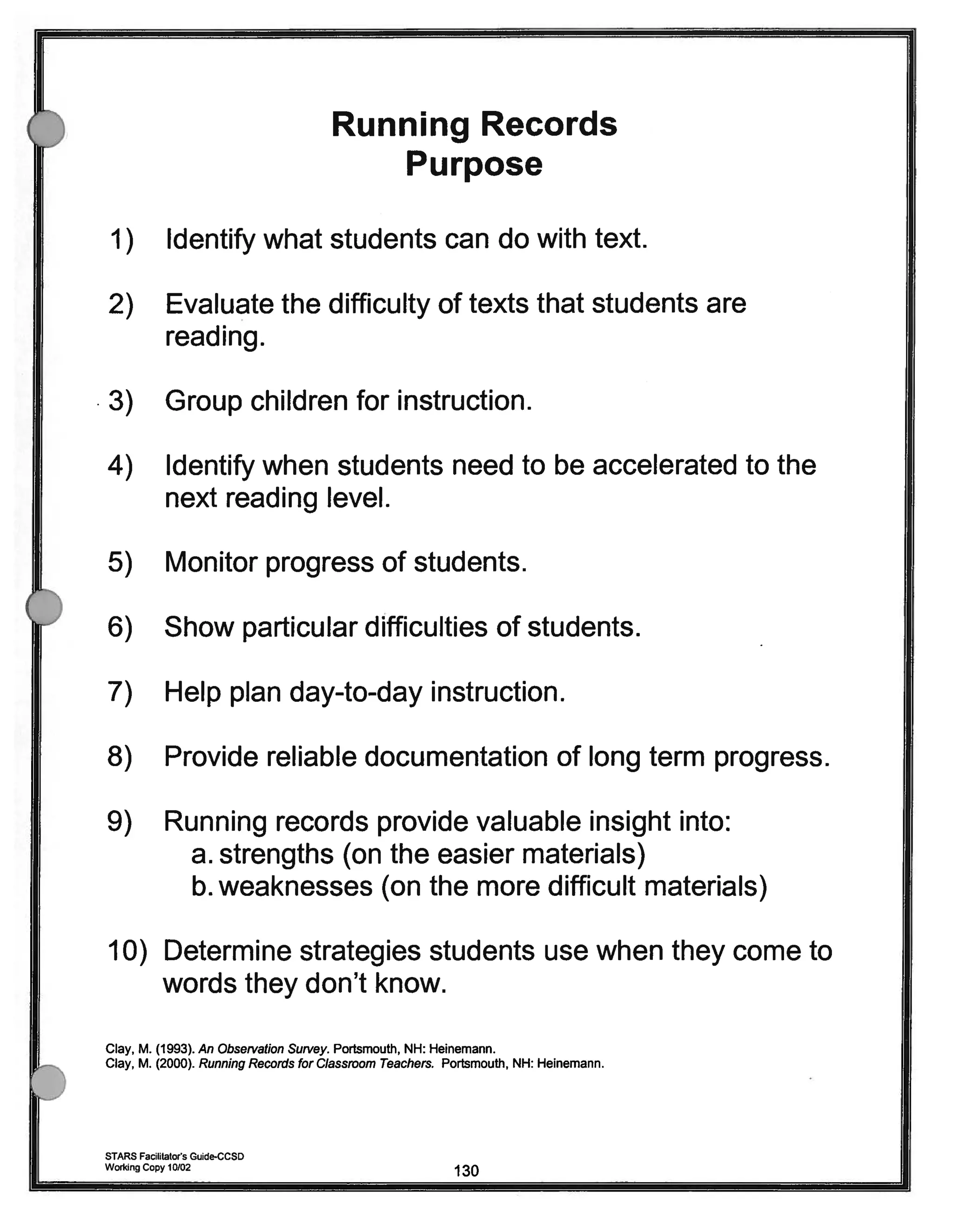
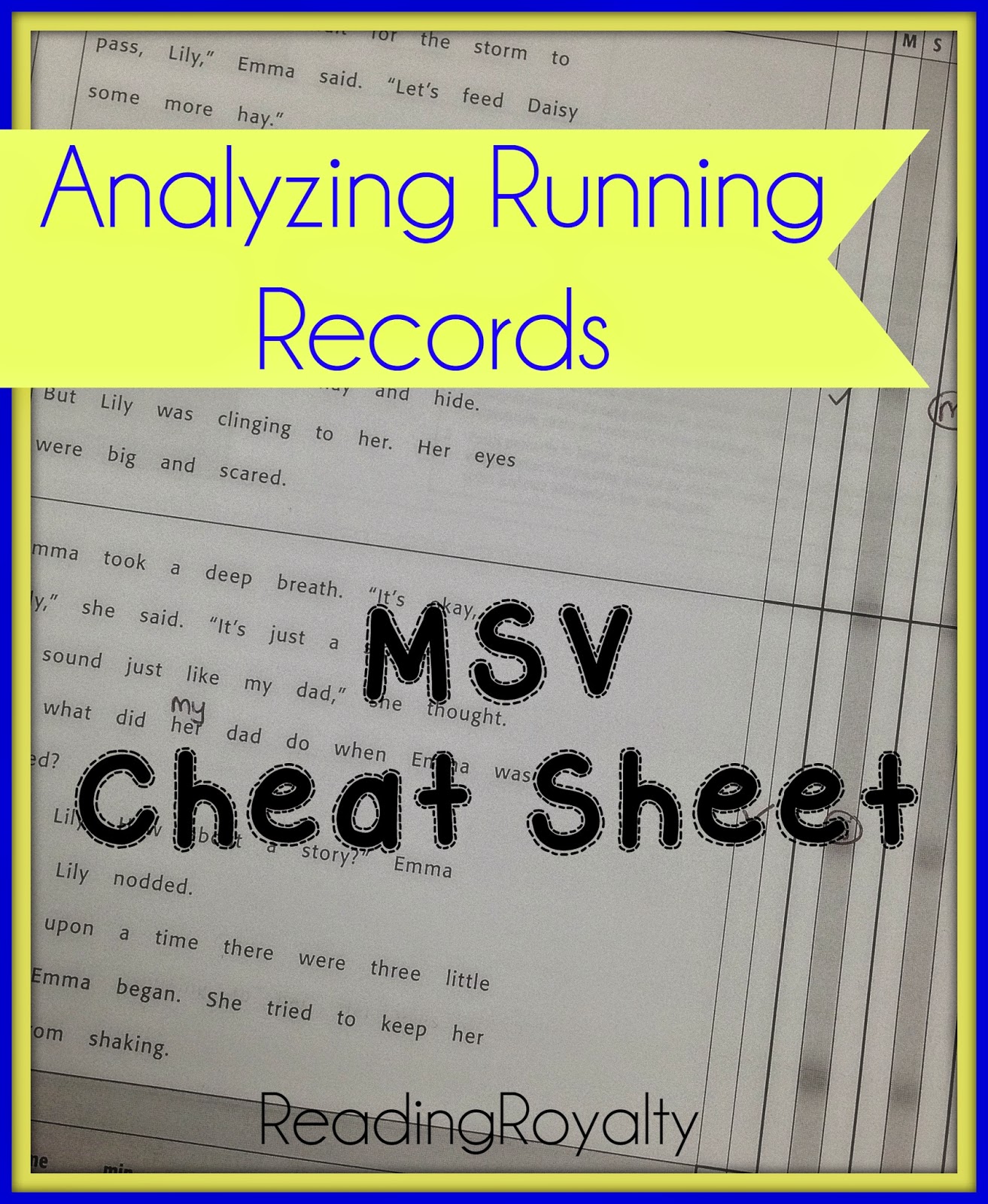
A running record is an essential diagnostic assessment tool used primarily in primary and elementary education to observe, score, and analyze a student’s reading behaviors in real time. Developed within the framework of Reading Recovery and early literacy intervention, this formative assessment allows teachers to document how children use meaning, structure, and visual cues (the MSV system) when processing print. To execute this process accurately, educators rely on specialized benchmark passages that are carefully leveled according to text difficulty, vocabulary density, sentence length, and layout predictability.
Securing these texts in a Portable Document Format (PDF) is standard practice for modern educators. PDF versions ensure that the formatting, typography, line spacing, and word counts remain entirely static across different printing devices. Unlike editable word processors where text might shift, a properly generated PDF running record passage preserves the exact visual presentation required for a valid administration. Furthermore, PDF files allow teachers to print clean copies for the student to read from, while keeping a separate recording sheet or digital tablet open for their own notation.
However, navigating the internet for free educational resources often leads to broken links, copyright violations, or poorly leveled materials that lack empirical validity. Educators must understand the structural anatomy of an authentic running record text. A reliable passage typically includes specific metadata such as the exact word count, a designated text level (often aligned with Fountas and Pinnell guided reading levels, DRA levels, or Lexile measures), and a companion scoring sheet that details expected reading behaviors. Recognizing these criteria ensures that the time spent searching results in usable, high-quality diagnostic instruments.
Essential Prerequisites Before Sourcing Passages
Before downloading or distributing reading assessment passages from online sources, educators must establish a systematic framework for organization, legal compliance, and instructional alignment. Skipping these foundational steps often leads to fragmented assessments that do not match the instructional needs of the students being evaluated.
Establishing Institutional Alignment and Copyright Awareness
The first prerequisite is understanding intellectual property rights in educational settings. Many popular commercial reading programs tightly protect their benchmark passages under copyright law. Unauthorized copying, scanning, and digital redistribution of proprietary benchmark kits violate publisher terms of service. Therefore, educators must deliberately seek out public-domain literature, open educational resources (OER), or materials explicitly released under Creative Commons licenses by universities and state departments of education.
Defining Student Profile and Reading Levels
An assessment passage is only effective if it matches the reader's instructional or independent zone. Before searching for PDF documents, teachers should gather recent diagnostic data, such as phonics inventories or previous reading level tracking sheets. Attempting to administer a running record with an arbitrarily chosen text yields invalid data; frustration levels distort decoding accuracy, while independent levels fail to expose strategic processing errors. Knowing the target student's approximate range—whether pre-primer, emergent, transitional, or fluent—allows for targeted searching rather than random downloading.
Preparing the Recording and Archiving Workflow
Accessing the PDF is only half the battle; teachers must prepare how the document will be utilized. A complete running record workflow requires:
- A physical or digital copy of the student reading text (clean, un-annotated PDF).
- A corresponding teacher scoring sheet containing the exact text duplicated with space for notation lines above and below the words.
- A timing mechanism or audio recording setup to calculate reading rate (words correct per minute) when appropriate.
- A secure digital folder structure (such as an encrypted cloud storage directory or a secure local school server) to store student PDF records in compliance with student privacy laws like FERPA.
Where to Find Verified Free Running Record Passages in PDF
Finding reliable, cost-free PDF running record passages requires looking toward institutional repositories rather than generic content mills. Because rigorous literacy assessment requires validated text leveling, university-backed reading clinics and state-funded educational initiatives represent the most reliable sources.
University Literacy Clinics and Teacher Preparation Programs
Many collegiate schools of education maintain open-access resource libraries for pre-service and practicing teachers. Institutions such as Ohio State University (historically tied to Reading Recovery materials), Texas Woman’s University, and various state university reading centers occasionally publish sample benchmark passages, miscue analysis guides, and recording conventions as part of their public service outreach. These documents are typically hosted on institutional subdomains (ending in .edu) and are free from commercial paywalls.
State Department of Education Literacy Portals
State education agencies frequently provide comprehensive literacy frameworks, especially for early reading intervention programs modeled after legislation like the Right to Read initiatives. Departments of education in states such as Florida, North Carolina, and New York host downloadable PDF toolkits for teachers. While these toolkits focus heavily on instructional strategies, they often include appendices containing sample passages, formative assessment protocols, and scoring rubrics.
Open Educational Resources (OER) and Public Domain Libraries
For unmetered, copyright-clear texts, public domain children's literature serves as an exceptional source for creating custom running records. Repositories like Project Gutenberg and Internet Archive offer scanned historic readers, primer texts, and early-grade books in PDF format. Educators can extract specific paragraphs from these verified public domain sources to build custom running record passages, provided they manually verify the word count and text difficulty using established leveling criteria.
| Source Type | Typical Format & Access | Pros | Cons / Limitations |
|---|---|---|---|
| University Education Depts. | Free PDF downloads via .edu portals |
Peer-reviewed, academically sound, pedagogically aligned | May require navigation through deep archive structures |
| State Education Portals | Public PDF toolkits and resource guides | Aligned with state standards, reliable legal status | Frequently updated or reorganized, changing URLs |
| Public Domain Repositories | Scanned PDFs (Project Gutenberg, etc.) | Vast selection of copyright-free early readers | Requires manual leveling, formatting, and transcription |
| Open-Source Literacy Grants | Web-based PDF libraries funded by grants | Specifically designed for diagnostic reading assessment | Highly variable selection depending on grant funding cycles |
Step-by-Step Guide to Accessing and Preparing PDF Passages
Securing and implementing a digital running record passage requires a methodical process to ensure the text functions smoothly during a live assessment.
Step 1: Execute Targeted Search Queries
When searching online libraries, avoid broad terms like "reading test PDF." Instead, use specific, academic search queries designed to surface institutional documents. Examples include:
filetype:pdf "running record" benchmark passage primarysite:.edu "reading miscue analysis" sample text pdfopen educational resources "guided reading" assessment passages pdf
Step 2: Verify Text Metrics and Leveling
Once a PDF containing passages is located, examine the document for structural integrity. Check if the file explicitly states the total word count, as accurate miscue calculations depend on knowing the exact number of running words. Verify that the font size is legible (typically 14pt to 18pt for early readers) with double or 1.5 line spacing, which provides adequate vertical room for recording teacher notations above the printed words.
Step 3: Download and Organize Files Locally
Download the verified PDF to a dedicated, secure computer directory. Avoid relying on live web links during an assessment, as network disruptions or website modifications can break URLs. Rename the files systematically using a consistent naming convention, such as Level_D_Passage_The_Lost_Puppy_WordCount45.pdf, to ensure rapid retrieval during busy assessment windows.
Step 4: Print or Digitally Prepare the Assessment Set
Print two distinct documents for the assessment session:
- The Student Copy: A clean, un-marked PDF page containing only the text and illustrations (if applicable), printed single-sided on plain paper.
- The Teacher Recording Sheet: A duplicated version of the text formatted with generous spacing above each line of text, accompanied by a grid for calculating error rates, accuracy percentages, and self-correction ratios.
Common Challenges and Troubleshooting in Digital Assessment
Accessing and utilizing digital assessment materials comes with operational hurdles that can compromise data collection if not addressed proactively.
Formatting and Display Discrepancies
A frequent issue when downloading PDFs from the internet is erratic text rendering. Fonts that are not embedded in the PDF file may substitute automatically when opened on a different operating system or mobile device, altering line breaks and word positions. This layout shift makes it difficult for the teacher to track a student's finger-pointing or eye movements against the pre-printed scoring sheet. Solution: Always view the PDF at 100% scale and print a physical test copy before the assessment session to ensure line-by-line alignment matches between the student text and the teacher sheet.
Copyright and Distribution Missteps
Teachers often inadvertently violate copyright by downloading commercial benchmark passages from teacher-sharing marketplaces where users have unlawfully uploaded copyrighted material. Using unauthorized scans of proprietary leveled book kits exposes school districts to intellectual property disputes. Solution: Strictly limit downloads to official open-access publishers, state-sanctioned educational documents, or self-compiled passages drawn strictly from verified public-domain literature.
Leveling Discrepancies Between Systems
Different literacy frameworks utilize varying metrics to determine text difficulty, which can lead to misassigned passages. A text rated at a specific level in one leveling system may prove significantly more difficult when evaluated via another framework due to syntax complexity or conceptual load. Solution: Cross-reference downloaded passages with multiple qualitative indicators—such as sentence length, layout repetition, and subject familiarity—rather than relying solely on a single unverified publisher label.
Frequently Asked Questions
Can I legally create my own running record passages from public domain books?
Yes. Educators can extract text snippets from books in the public domain (such as classic fairy tales or historical primers) to create custom running record passages. Because these works are no longer bound by copyright, formatting them into PDF documents for classroom diagnostic use is entirely legal, provided they are not resold commercially.
How do I calculate reading accuracy from a PDF running record?
Reading accuracy is calculated using a standard formula based on the total words read versus the number of errors made. Subtract the total number of errors (omissions, insertions, substitutions) from the total running words to find the words correct. Divide the words correct by the total running words, then multiply by 100 to yield the percentage score.
What makes a PDF passage suitable for miscue analysis?
An ideal running record PDF features clear, predictable text layout, double-spaced lines for notation, a known word count (typically between 50 and 150 words depending on the student's age), and vocabulary that challenges the reader just enough to reveal their decoding strategies without causing total comprehension breakdown.
Are free online running record passages standardized?
Most free PDF passages found online are not nationally standardized psychometric tests; rather, they are informal diagnostic tools. While they are invaluable for daily instructional grouping and progress monitoring, they should be complemented by standardized reading assessments when conducting formal educational evaluations or special education placements.
Conclusion and Next Actions
Accessing free running record passages in PDF requires a strategic approach focused on institutional repositories, state educational portals, and verified public-domain sources. By prioritizing legal compliance, rigorous text leveling, and proper document preparation, educators can build a sustainable, cost-effective library of diagnostic reading tools.
To take immediate action, audit your current assessment inventory, identify any gaps in your leveled text coverage, and establish a dedicated digital directory using open-access university and state education resources to source clean, printable PDF passages for your upcoming reading assessments.
Image Gallery