How to Compare Auto Insurance Quotes for GEICO, Liberty Mutual, and Travelers
Comparing auto insurance quotes for major carriers like GEICO, Liberty Mutual, and Travelers requires a systematic approach to ensure you are comparing "apples to apples." Because each company uses proprietary algorithms to determine r...
Comparing auto insurance quotes for major carriers like GEICO, Liberty Mutual, and Travelers requires a systematic approach to ensure you are comparing "apples to apples." Because each company uses proprietary algorithms to determine risk and pricing, you must standardize your coverage levels and personal data input across all three platforms to obtain an accurate, actionable cost comparison.
Contents
Understanding the Carrier Landscape
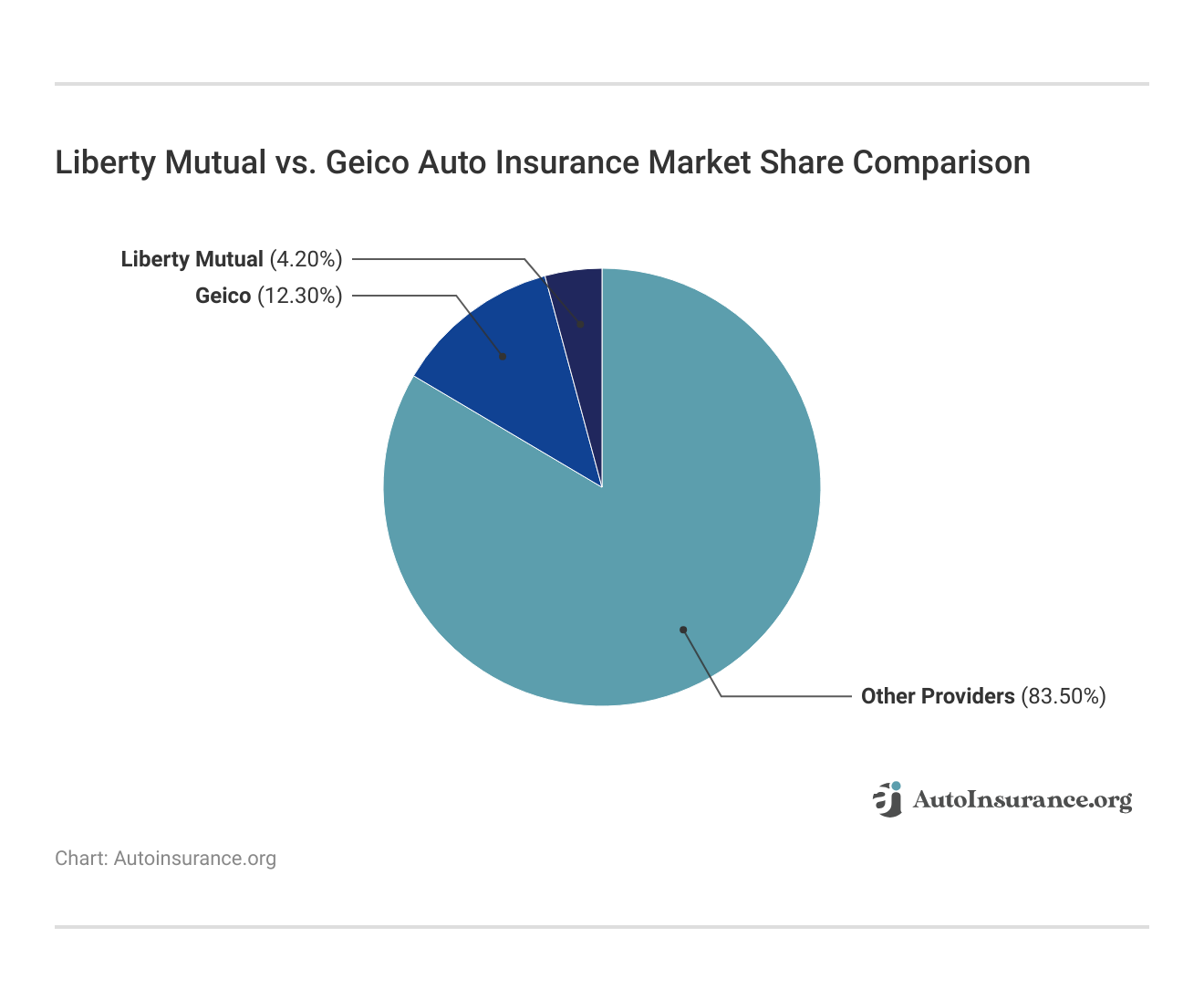
GEICO, Liberty Mutual, and Travelers represent three distinct approaches to the auto insurance market. GEICO, a subsidiary of Berkshire Hathaway, is historically known for its direct-to-consumer model and high-volume, low-cost advertising. Liberty Mutual operates with a broader scope, often emphasizing modular coverage options and bundled discounts for homeowners and renters. Travelers is a significant national carrier that frequently emphasizes its agent-based network and specialized claim-handling capabilities.
To compare these effectively, you must understand that your premium is a reflection of your individual risk profile—including your driving history, vehicle type, and garaging location—processed through the specific actuarial models of these three firms.
Prerequisites for Accurate Comparisons
Before you visit the websites of these insurers, gather the following documents. Providing consistent information is the only way to ensure the quotes you receive are legally and financially comparable.
- Current Declarations Page: Have your existing insurance policy handy. This document lists your current liability limits, deductibles, and endorsements (like roadside assistance or rental reimbursement). Use these exact figures for every quote request.
- Vehicle Information: You will need the Vehicle Identification Number (VIN) for every car you intend to insure. The VIN allows the insurer to access precise data regarding safety features, anti-theft devices, and repair costs.
- Driving History: Compile the dates of any accidents, tickets, or major traffic violations from the past three to five years. Omitting these will result in inaccurate quotes that may spike once the company runs your motor vehicle report (MVR).
- Household Details: Have the names, dates of birth, and driver’s license numbers for every household member who will be listed on the policy.
Step-by-Step Comparison Process
1. Establish Your Coverage Baseline
Do not rely on the "default" coverage settings provided by online quote tools, as these often lean toward the state minimums, which may be insufficient for your actual financial exposure. Manually set your limits to a standard, such as 100/300/100 (meaning $100,000 bodily injury per person, $300,000 per accident, and $100,000 for property damage). Choose consistent deductibles (e.g., $500 or $1,000 for comprehensive and collision) across all three platforms.
2. Execute the Quote Requests
Visit the official web portals for GEICO, Liberty Mutual, and Travelers sequentially.
- GEICO: Focuses on a streamlined, rapid online quote experience. Expect a heavy emphasis on digital interaction.
- Liberty Mutual: Their portal often includes an "interactive coverage" tool that explains the purpose of each coverage type, which can be useful if you are uncertain about specific policy features.
- Travelers: May prompt you to connect with an independent agent. If you prefer to manage the policy independently, ensure you utilize their direct-to-consumer quote path if available in your jurisdiction.
3. Normalize for Discounts
Discounts are not universally applied. One carrier might offer a significant discount for being a "safe driver" based on telematics (like Liberty Mutual’s RightTrack or GEICO’s DriveEasy), while another might prioritize a "multi-policy" discount for bundling with home insurance. When comparing, note which discounts you qualify for at each company and calculate the premium after these discounts are applied to see the true bottom line.
Comparison Matrix: Key Considerations
| Feature | GEICO | Liberty Mutual | Travelers |
|---|---|---|---|
| Primary Distribution | Direct-to-Consumer | Direct & Agent | Agent-heavy |
| Typical Focus | Competitive pricing | Coverage modularity | Specialized claim service |
| Telematics Program | DriveEasy | RightTrack | IntelliDrive |
| Best For | Tech-savvy, price-sensitive | Bundling, customization | Complex household needs |
Note: This table reflects the general market positioning as of 2026. Specific policy availability depends on state regulations.
Interpreting the Results
Once you have generated quotes from all three, look past the initial "monthly price" header. A low premium is often a sign of high deductibles or minimal liability limits. Instead, evaluate the following:
- Premium vs. Risk Transfer: Ask yourself if a lower premium is worth the reduction in liability coverage. If you have significant assets, opting for higher limits is generally considered a prudent financial protection strategy.
- Claims Philosophy: While online reviews are anecdotal, look for objective data regarding complaint ratios in your state through your Department of Insurance.
- Payment Plans: Some insurers charge "installment fees" for monthly payments, whereas others offer a discount if you pay the premium in full at the start of the policy term.
Common Mistakes to Avoid
- Entering different information: If you provide your address or VIN differently between sites, the quotes will reflect different risk data.
- Ignoring "Optional" Coverages: Ensure that if you select "rental reimbursement" on one quote, you include it on the others. Otherwise, you are not comparing identical products.
- Failing to Verify: Ensure that the final quote includes the "Total Premium" rather than a partial quote based on an introductory period.
Resolving Ambiguities
If you find that a quote from one company is significantly higher than the others, investigate whether they are accounting for a surcharge (such as a recent claim or citation) that the others have not yet pulled from the national database. In such cases, contact the insurer’s customer service department to confirm the specific factors influencing your rate.
Frequently Asked Questions
Does using an online comparison tool provide an accurate final rate? No. Online tools provide a "rate indication." The final premium is only locked in after the company completes an underwriting review, which includes verifying your claims history and credit-based insurance score (where permitted by state law).
Should I choose an insurer based solely on the lowest price? Price is a critical factor, but it should be weighed against the insurer's financial strength and reputation for claims processing. An extremely low premium may indicate coverage gaps or poor customer service that could complicate your experience during a claim.
Is it better to bundle insurance with these carriers? Yes. GEICO, Liberty Mutual, and Travelers all incentivize customers to hold multiple policies (home, auto, umbrella) with them. Bundling often results in a "multi-policy discount" that can lower your total annual expenditure significantly.
Can I save money by using telematics programs? In 2026, many major carriers utilize telematics—apps or plug-in devices—that track your driving habits. If you are a safe driver who does not frequent late-night roads, you can often earn a discount, though your privacy preferences should be considered before opting into these programs.
How often should I re-compare my insurance quotes? Industry best practice is to evaluate your insurance rates at every renewal period, or at least every 12 months. Life changes—such as moving, changing your commute, or adding a driver to your policy—can significantly alter your risk profile and eligibility for different discounts.
Next Steps for the Consumer
To complete your search, finalize your decision by selecting the carrier that offers the best balance of coverage limits and customer support at the lowest verified price. Once you select a provider, verify that the coverage effective date aligns with your current policy's expiration to avoid any gaps in coverage. Contact your previous insurer only after you have confirmed the new policy is bound, usually by receiving a digital or paper copy of your new declarations page.
Image Gallery