Lao Tizer Net Worth Overview: A Profile of Musical Career Earnings and Professional Longevity
As of 2026, the estimated net worth of American pianist, composer, and keyboardist Lao Tizer is primarily derived from his multi-decade career as a bandleader, his extensive discography, and his consistent presence in the contemporary...
As of 2026, the estimated net worth of American pianist, composer, and keyboardist Lao Tizer is primarily derived from his multi-decade career as a bandleader, his extensive discography, and his consistent presence in the contemporary jazz and fusion circuit. While private financial figures remain undisclosed, his economic standing is characterized by steady revenue streams from global concert tours, album sales, licensing, and professional production work.
Contents
Understanding the Financial Landscape of a Working Jazz Musician
When evaluating the net worth of a career artist like Lao Tizer, it is essential to distinguish between the capital assets of a touring musician and the liquidated net worth of a corporate entity. For independent or jazz-focused artists, income is seldom derived from a single massive payout but is rather an aggregation of professional activities.
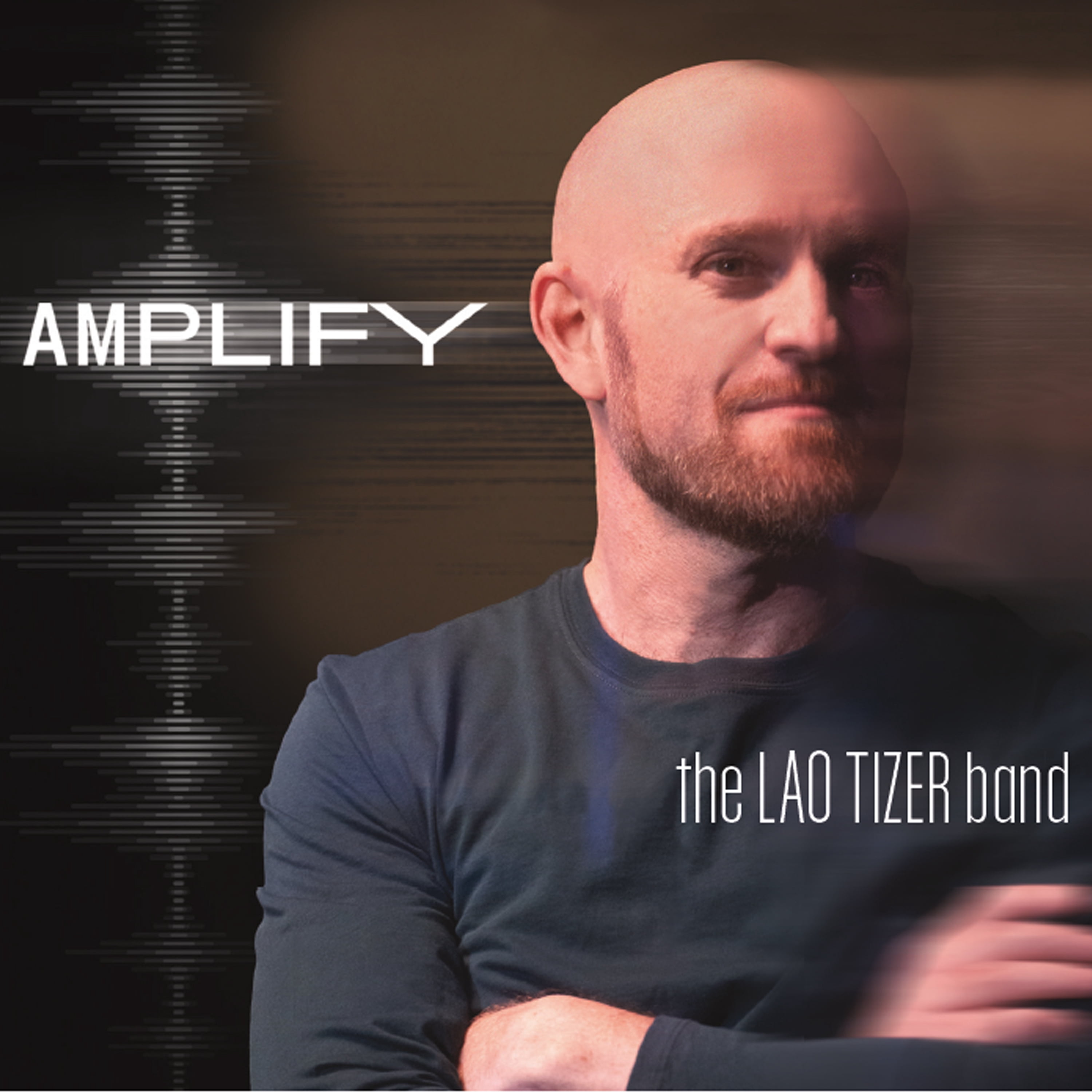
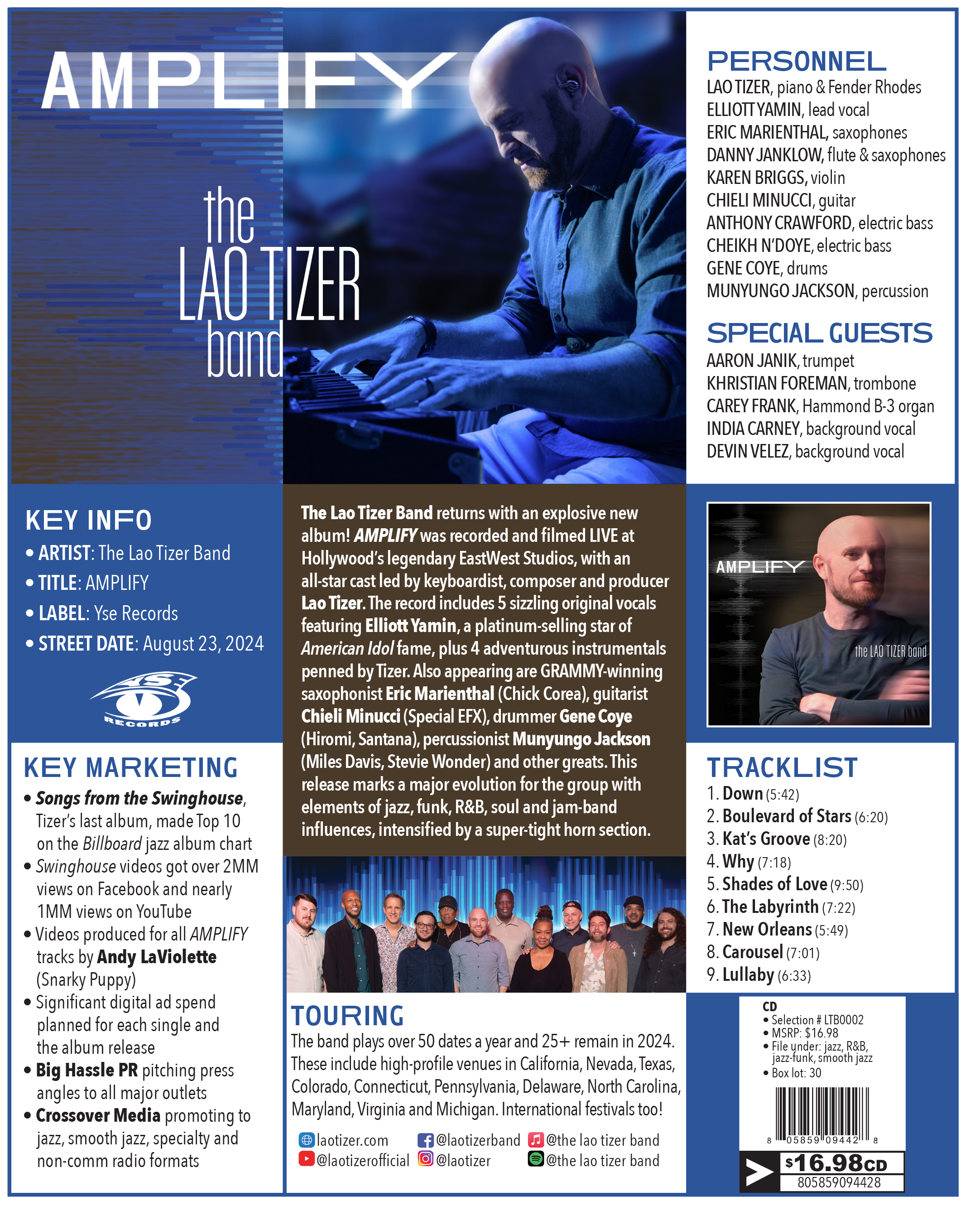
Lao Tizer, who burst onto the national scene in the early 2000s, has navigated the transition from traditional physical media sales to the streaming-dominated landscape of the 2020s. His financial sustainability is anchored in his ability to maintain a high-functioning ensemble, The Lao Tizer Band, which has remained active for over two decades. In the music industry, an artist’s net worth is often tied to the intellectual property rights of their compositions. With multiple studio albums released—including Golden Soul, Diversify, and Songs from the Swinghouse—Tizer maintains a steady stream of passive income through royalties, publishing, and sync licensing for film and television.
Career Milestones and Revenue Drivers
To understand the scope of Tizer’s professional activity, one must look at the primary drivers of his career success. Unlike pop stars who rely heavily on massive stadium tours, artists in the contemporary fusion and jazz genres often generate value through high-frequency touring, festival appearances, and performance-based contracts.
- The Lao Tizer Band (Live Performance): This is the engine of his career. Tizer has consistently performed at venues ranging from intimate jazz clubs to large-scale international festivals. These appearances generally offer fixed performance fees, often supplemented by merchandise sales and VIP engagement opportunities.
- Discography and Publishing: Tizer has consistently produced original music. In the current fiscal climate, owning the master recordings and publishing rights allows an artist to capture a larger percentage of revenue compared to those signed to restrictive traditional record deals.
- Collaborations and Guest Appearances: Tizer has collaborated with high-profile musicians, including Eric Marienthal, Karen Briggs, and Chieli Minucci. These collaborative projects expand his audience reach and open up diverse performance opportunities that provide higher compensation than solo club dates.
- Production and Educational Outreach: Outside of performing, Tizer has spent years developing his skills as a producer. His involvement in the technical side of recording and arranging for his own projects and those of other artists adds a layer of professional income that is often overlooked in public net worth estimations.
Comparative Financial Overview of Independent Jazz Artists
The following table categorizes how revenue sources typical for a musician of Tizer’s status contribute to long-term financial stability. It is important to note that these figures are illustrative of industry standards for touring instrumentalists rather than a disclosure of personal wealth.
| Revenue Stream | Stability Level | Primary Growth Factor |
|---|---|---|
| Live Performance Fees | Moderate | Tour frequency and festival demand |
| Streaming Royalties | Low | Total play count and playlist placement |
| Publishing/Sync Licensing | High | Placement in film, TV, and advertising |
| Educational/Masterclasses | Moderate | Institutional bookings and private clinics |
| Merchandise/Direct Sales | Moderate | Fan engagement and digital store reach |
The Impact of Industry Shifts on Artist Valuation
As of 2026, the music industry has largely settled into a mature digital ecosystem. For an artist like Tizer, who began his professional trajectory long before the ubiquity of Spotify and YouTube, the ability to adapt to these shifts is a primary indicator of financial health.
Historically, musicians relied heavily on the "album-tour-album" cycle. Today, that model has evolved into a continuous engagement model. Tizer’s consistent output and his ability to leverage digital platforms to maintain a loyal, aging, and expanding fan base prevent the stagnation of income. His work with the "Swinghouse" recordings, for instance, demonstrated an ability to produce high-quality, professional-grade live content that serves as both promotional material and a product in its own right.
Furthermore, the diversification of income is a hallmark of the modern working musician. Tizer has effectively balanced the prestige of jazz performance with the technical demands of a commercial producer. This dual-track approach mitigates the risk inherent in relying solely on touring income—a critical factor for long-term fiscal health in a market that saw significant disruptions during the early 2020s.
Addressing Common Assumptions about Net Worth
Public estimations of "net worth" for musicians are frequently inaccurate because they rely on automated algorithms that often overestimate assets and underestimate operating costs. It is important to clarify that for a touring artist:
- Operating Overhead: Large portions of gross income from tours are absorbed by travel, lodging, session player wages, and equipment maintenance.
- Asset Liquidity: Musical equipment (pianos, synthesizers, sound engineering gear) is a depreciating asset, not a liquid investment, yet it is essential for generating ongoing income.
- Business Structure: Like many professionals in the performing arts, Tizer likely operates through a corporate entity to manage liabilities and taxes, meaning "net worth" is often tied up in business equity rather than personal cash reserves.
Frequently Asked Questions
Is Lao Tizer signed to a major record label that manages his finances? Tizer has largely operated as an independent force in the jazz world, prioritizing creative autonomy. By controlling his own production and publishing, he retains a higher percentage of his revenue compared to artists under standard legacy contracts, though he also assumes the full financial responsibility of his projects.
How do jazz artists like Tizer survive in a streaming-dominated market? Success in this niche is built on a "hybrid" model. While streaming provides minimal payouts, it serves as a global marketing tool that drives ticket sales for live performances. Artists leverage their discography to secure high-value festival slots and private event performances, which remain the most reliable source of income for active musicians.
Does Tizer make money from teaching or instructional music? Many established instrumentalists in the fusion genre offer masterclasses and private clinics. Tizer’s deep technical knowledge of keyboards and arrangement makes him a candidate for high-level educational opportunities, which serve as a secondary revenue stream alongside his primary career as a performer.
What is the largest factor in an artist’s long-term financial health? Longevity is the most critical factor. By maintaining a professional reputation and a consistent touring schedule over decades, an artist develops an "evergreen" status. This status results in predictable demand, lower marketing costs, and a fan base that supports repeat purchases of music and concert tickets.
Conclusion and Next Actions
For those interested in the financial mechanics of the modern jazz industry, the professional trajectory of Lao Tizer serves as a case study in resilience and diversification. His success is built on the foundation of high-caliber performance, intellectual property control, and adaptation to the digital music economy. Aspiring musicians looking to replicate this model should focus on building a robust catalog of original works while prioritizing the development of a unique, sustainable live performance presence. Readers interested in deeper industry data may consult the official databases of performing rights organizations such as ASCAP or BMI to track the publishing activity of established composers.
Image Gallery