Navigating Credit Cards for a Low Credit Rating: A Strategic Approach to Rebuilding
Rebuilding credit requires a disciplined approach, and utilizing credit cards designed for low credit ratings—often termed "credit-builder" cards—serves as one of the most effective tools to improve your credit score over time. By cons...
Rebuilding credit requires a disciplined approach, and utilizing credit cards designed for low credit ratings—often termed "credit-builder" cards—serves as one of the most effective tools to improve your credit score over time. By consistently making on-time payments and maintaining a low credit utilization ratio, cardholders demonstrate financial responsibility to the major credit bureaus, gradually shifting their rating from "poor" or "fair" toward "good."
Contents
Understanding Your Current Credit Position
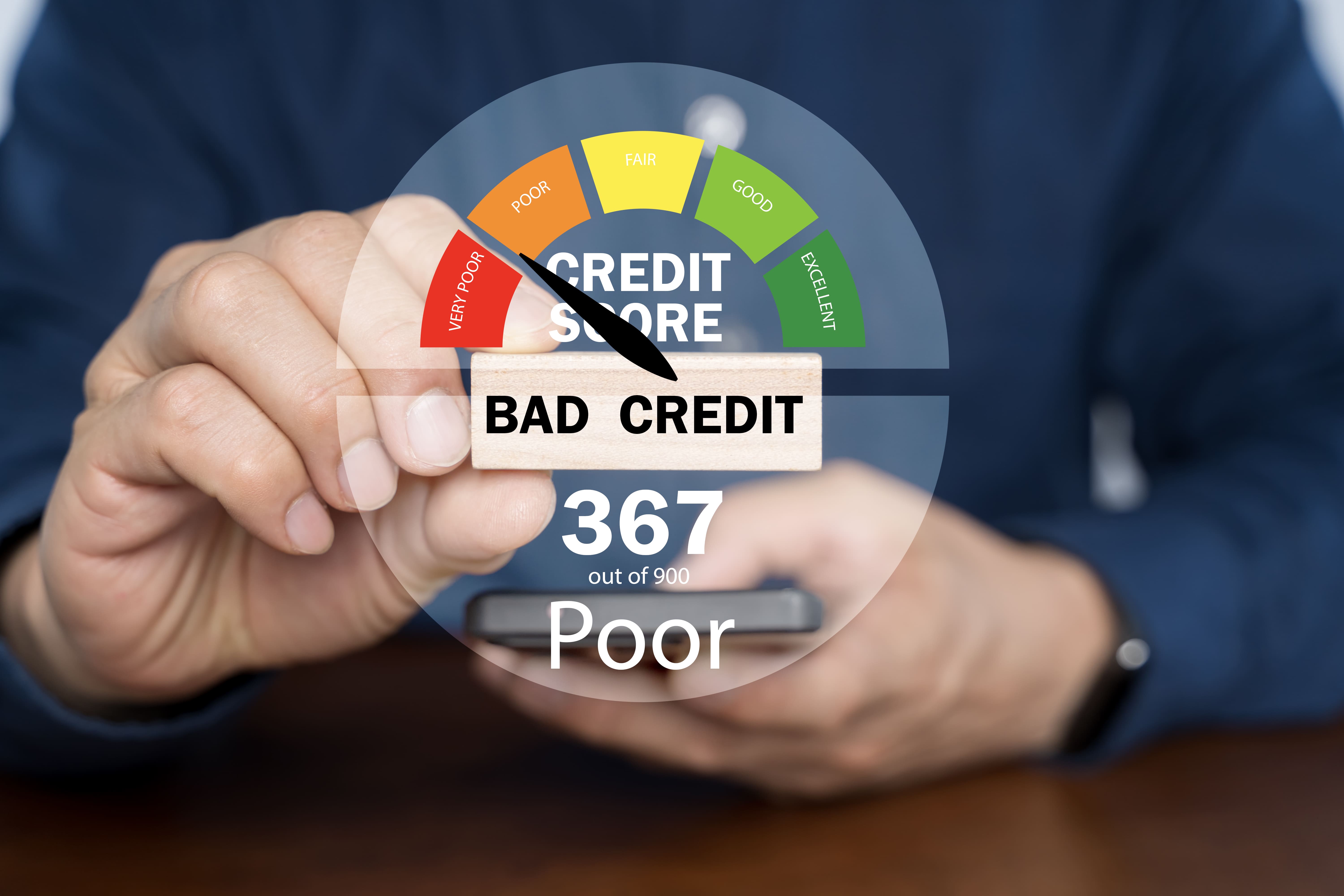
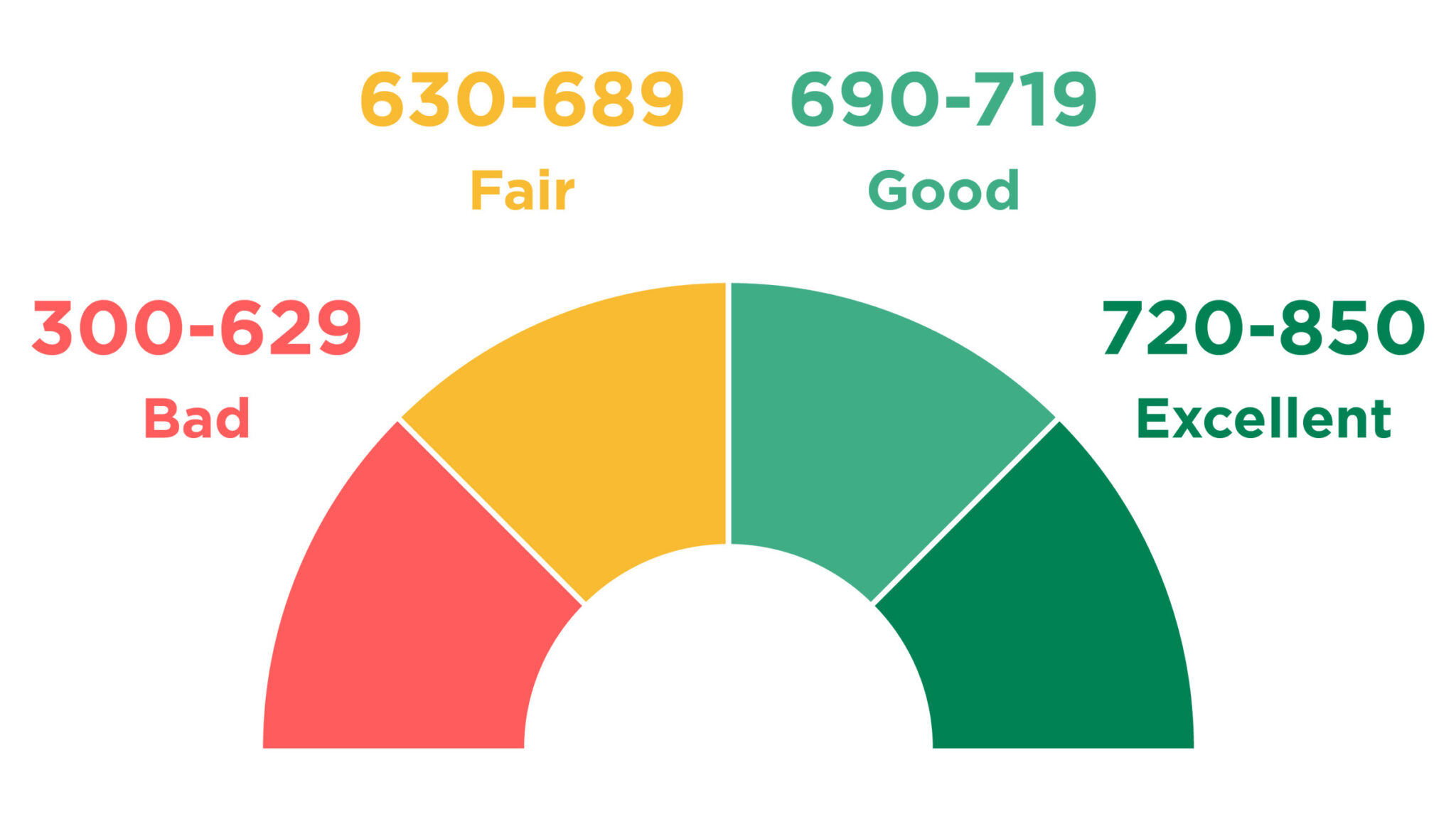
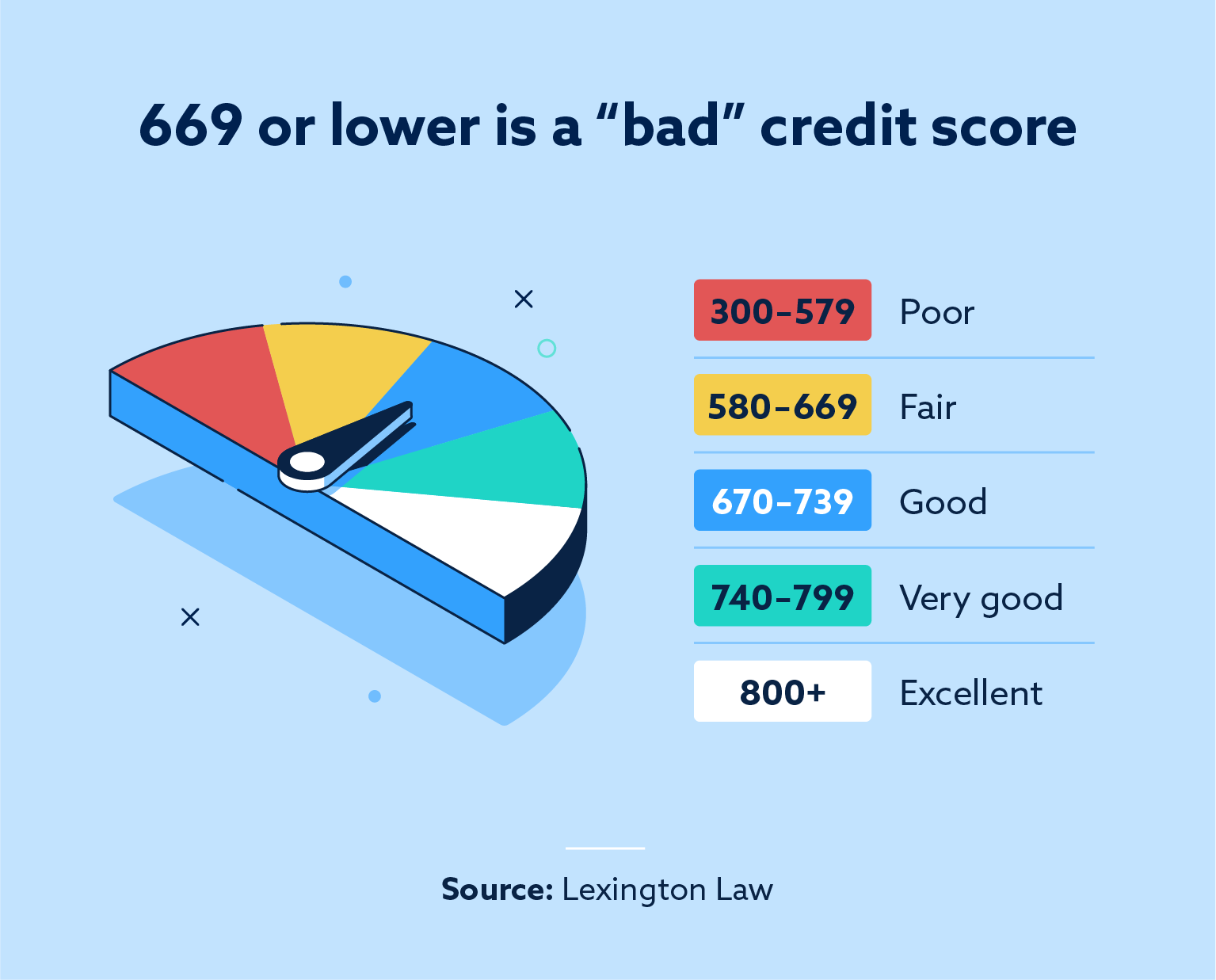
Before applying for a new card, you must understand what "low credit rating" means in the context of the 2026 lending environment. Generally, a FICO score below 580 is considered "poor," while scores between 580 and 669 are "fair." Lenders use these scores to assess the risk of lending you money. When your score is low, conventional credit cards—particularly those offering premium rewards or low interest rates—are often inaccessible because they are designed for borrowers with established, positive payment histories.
To improve your situation, you should focus on cards that report to all three major credit bureaus: Experian, Equifax, and TransUnion. If a card issuer does not report your payment activity to these agencies, your responsible usage will not contribute to your credit score recovery.
Secured Credit Cards: The Foundation for Recovery
The most common solution for individuals with a low credit rating is the secured credit card. Unlike traditional unsecured cards, these require a refundable security deposit. This deposit typically serves as your credit limit.
- How they function: If you provide a $500 deposit, your credit limit is usually $500. This minimizes the risk for the lender. If you default on your payments, the issuer uses your deposit to cover the balance.
- Graduation potential: Many reputable issuers offer "graduation" paths. After six to twelve months of consistent, on-time payments, the issuer may transition your account to an unsecured card and return your security deposit.
- The benefit of "skin in the game": Because the deposit is your own money, the risk of overspending is reduced, allowing you to focus entirely on building a positive payment history.
Comparison of Card Types for Low Credit
| Feature | Secured Credit Cards | Unsecured Starter Cards | Credit-Builder Loans |
|---|---|---|---|
| Deposit Required | Yes | No | No (Usually) |
| Credit Limit | Matches Deposit | Determined by Issuer | N/A (Installment Loan) |
| Approval Odds | High | Low to Moderate | Moderate |
| Primary Goal | Credit Building | Credit Building / Usage | Credit Diversification |
Choosing the Right Card
When selecting a card, do not focus on rewards or travel points. In the early stages of credit repair, your priority should be minimizing costs and maximizing data reporting.
- Annual Fees: Many cards for low credit ratings charge an annual fee. If possible, seek a card with no annual fee. If an annual fee is unavoidable, ensure it is reasonable and does not disproportionately reduce your available credit.
- Reporting Frequency: Ensure the issuer reports monthly to all three bureaus. This ensures your progress is reflected comprehensively across your credit reports.
- Interest Rates (APR): While you should aim to pay your balance in full every month to avoid interest, be aware of the Annual Percentage Rate (APR). High interest rates are standard for this category, so carrying a balance is significantly more expensive than with standard consumer credit cards.
- Automatic Credit Line Increases: Look for cards that periodically review your account for an unsecured credit line increase without requiring a new security deposit.
Essential Practices for Credit Improvement
Acquiring the card is only the first step. To ensure the card effectively repairs your credit rating, you must adhere to strict financial hygiene.
- Pay On Time, Every Time: Payment history is the single largest factor in your FICO score calculation. A single payment made 30 days past the due date can have a severe negative impact on your score, potentially undoing months of progress. Set up autopay for at least the minimum amount due.
- Keep Utilization Low: Even if your limit is low, do not max out your card. Aim to keep your credit utilization—the amount of your limit currently in use—below 30%. Ideally, keep it below 10%. If you must make larger purchases, consider paying the balance off mid-cycle before your statement closing date.
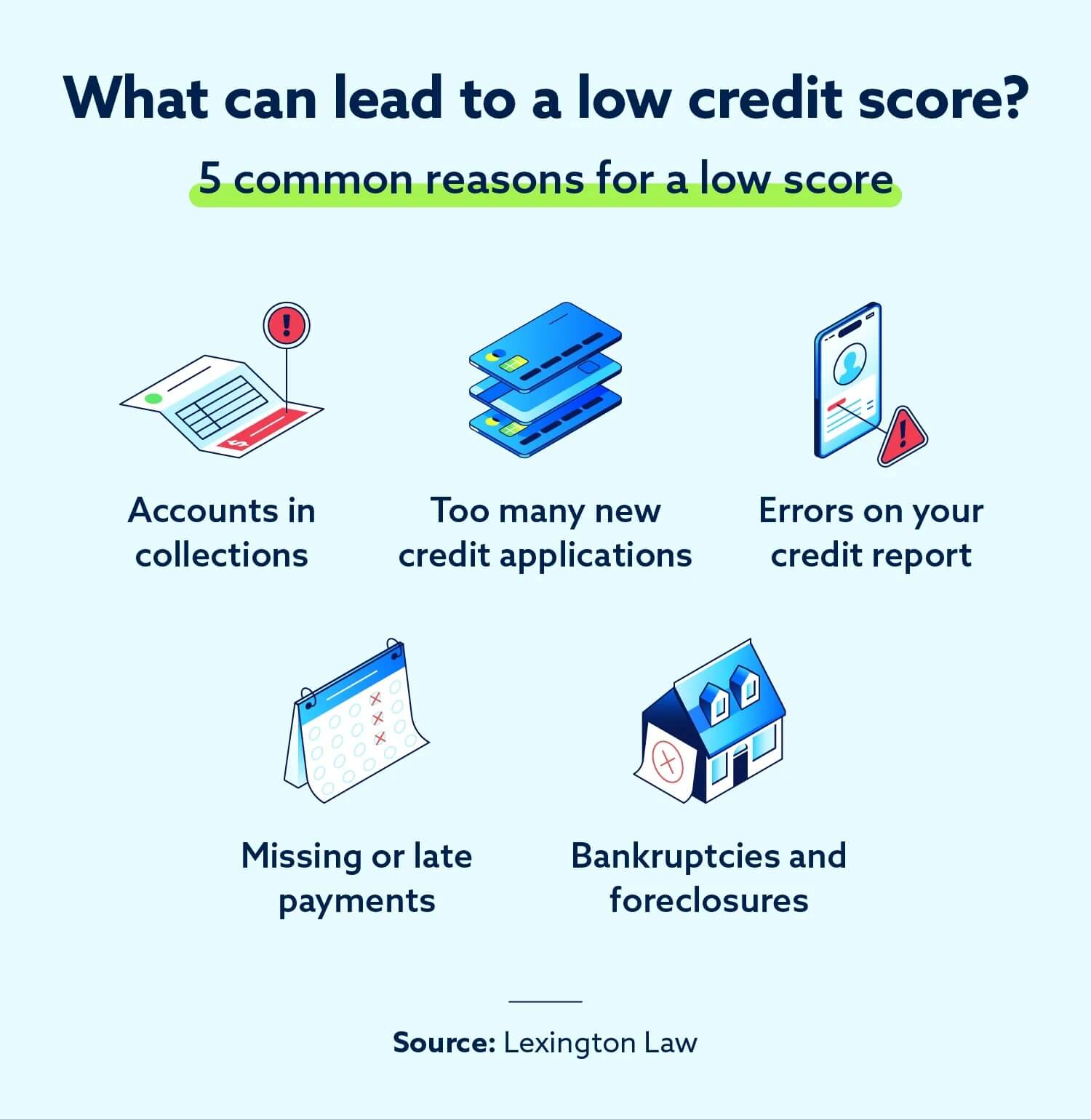
- Monitor Your Reports: Use official channels to access your credit reports annually. Check for errors, such as accounts that do not belong to you or incorrect late payment notations. Correcting these errors through the dispute process can provide an immediate boost to your score.
Common Pitfalls to Avoid
The market for credit cards targeting low credit ratings can include "predatory" products. Avoid cards that charge excessive "processing fees," "monthly maintenance fees," or "account opening fees" that are not explicitly stated as refundable security deposits. These fees eat into your available credit and provide no benefit to your score.
Additionally, avoid applying for multiple cards at once. Each application typically triggers a "hard inquiry," which can temporarily lower your credit score. Apply for one card that matches your eligibility profile rather than casting a wide net.
Frequently Asked Questions
Will a secured card definitely raise my score? It will, provided you manage it correctly. The act of opening the account creates a new tradeline. By making timely payments and keeping your balance low, you build a positive history that directly influences your score over time.
Can I get a card if I have a bankruptcy on my record? Yes. Many issuers offer secured cards specifically for individuals with bankruptcies or past defaults. While your choices may be more limited, you are not permanently barred from obtaining a secured credit card.
What happens if I cannot afford the security deposit? If a security deposit is a barrier, look for "starter" unsecured cards offered by credit unions or specific fintech companies that use alternative data—such as utility or rental payment history—to assess eligibility.
Does using a credit card hurt my score if I have a low rating? Using a card only hurts your score if you miss payments, exceed your credit limit, or maintain a high utilization ratio. Using the card responsibly—spending small amounts and paying them off immediately—is beneficial.
Your Next Actions
To begin your recovery, pull your credit reports from all three major bureaus to identify any major derogatory marks. Once you have a clear picture, research secured credit card offerings from major national banks and local credit unions. Look for a product with no annual fee and a minimum security deposit you can comfortably afford. Submit one application, and upon approval, commit to using the card for one small, recurring monthly expense—such as a streaming subscription—and set up an automatic payment for the full balance. This strategy ensures consistent, positive reporting without the risk of overspending.
Image Gallery