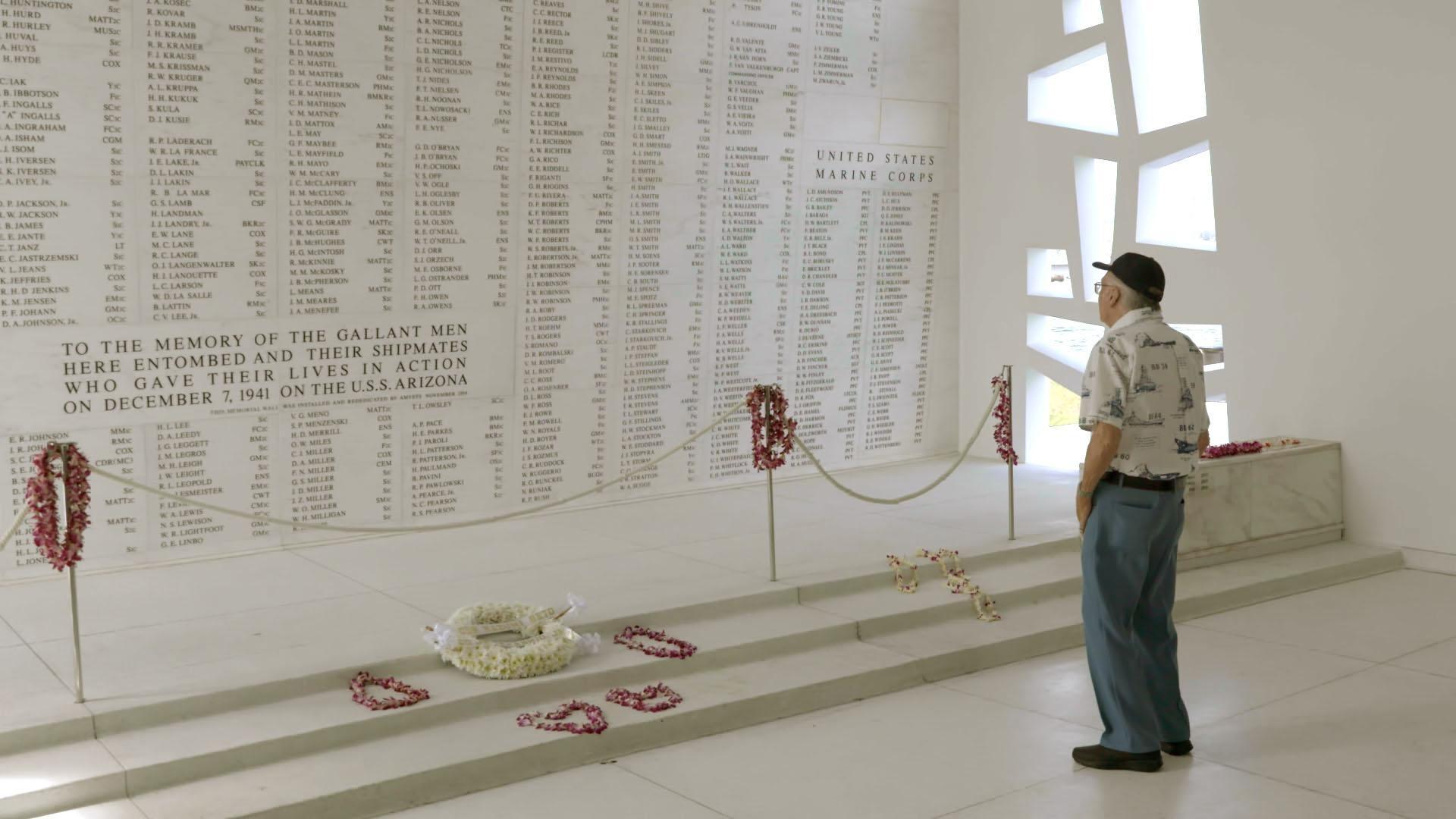
Donald Stratton: The Pearl Harbor Survivor Remembered
Donald Stratton remains one of the most resilient symbols of the "Greatest Generation," a sailor who survived the catastrophic sinking of the USS Arizona during the December 7, 1941, attack on Pearl Harbor. His story, marked by miracul...
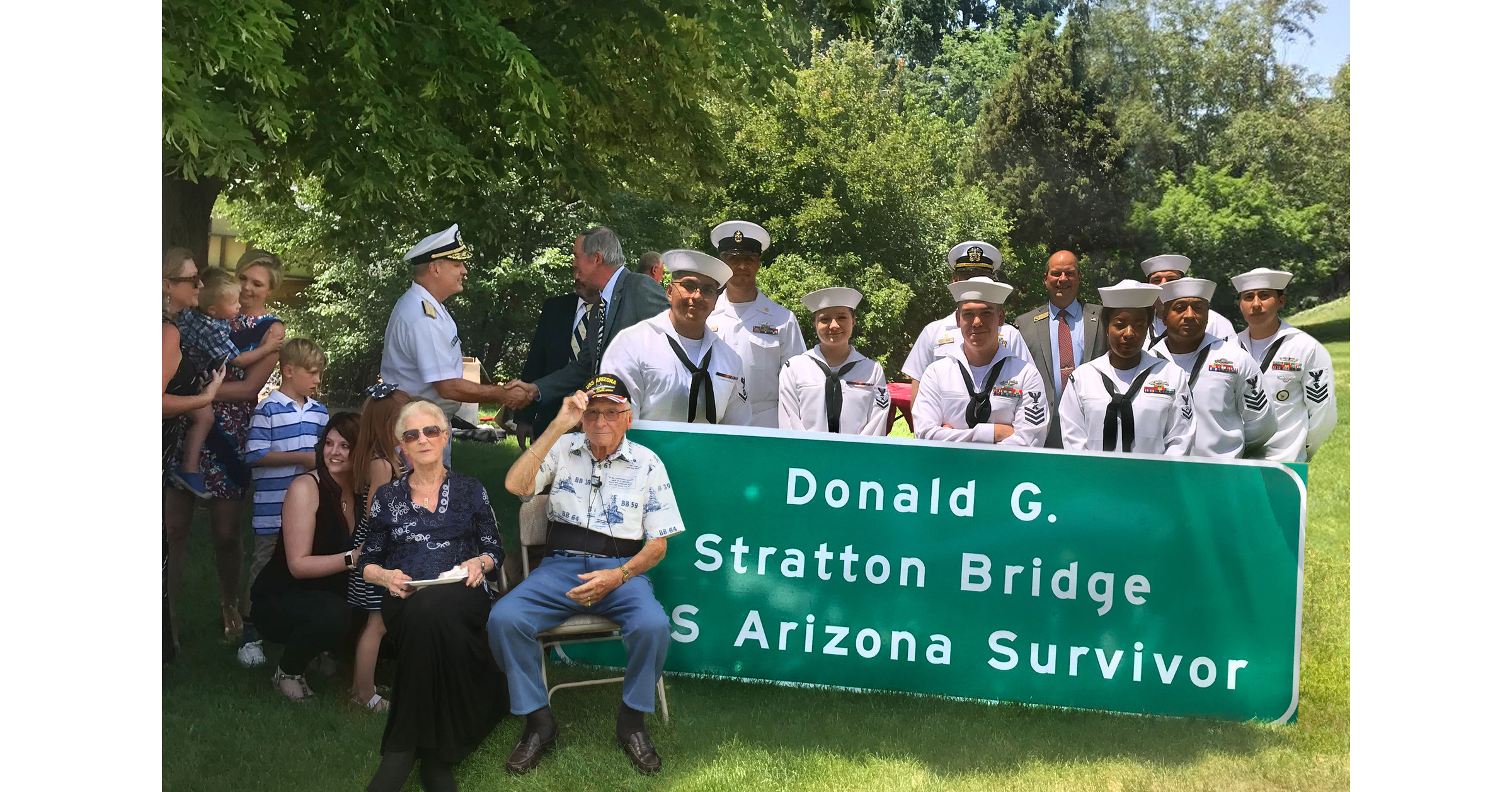
Donald Stratton remains one of the most resilient symbols of the "Greatest Generation," a sailor who survived the catastrophic sinking of the USS Arizona during the December 7, 1941, attack on Pearl Harbor. His story, marked by miraculous survival against overwhelming odds and a lifelong commitment to preserving the memory of his fallen shipmates, continues to serve as a vital link to the history of the United States’ entry into World War II. Remembered as an author, public speaker, and tireless advocate for veterans, Stratton’s legacy is defined by his profound sense of duty and his firsthand testimony of the events that changed the course of modern history.
Contents
The Morning of December 7, 1941
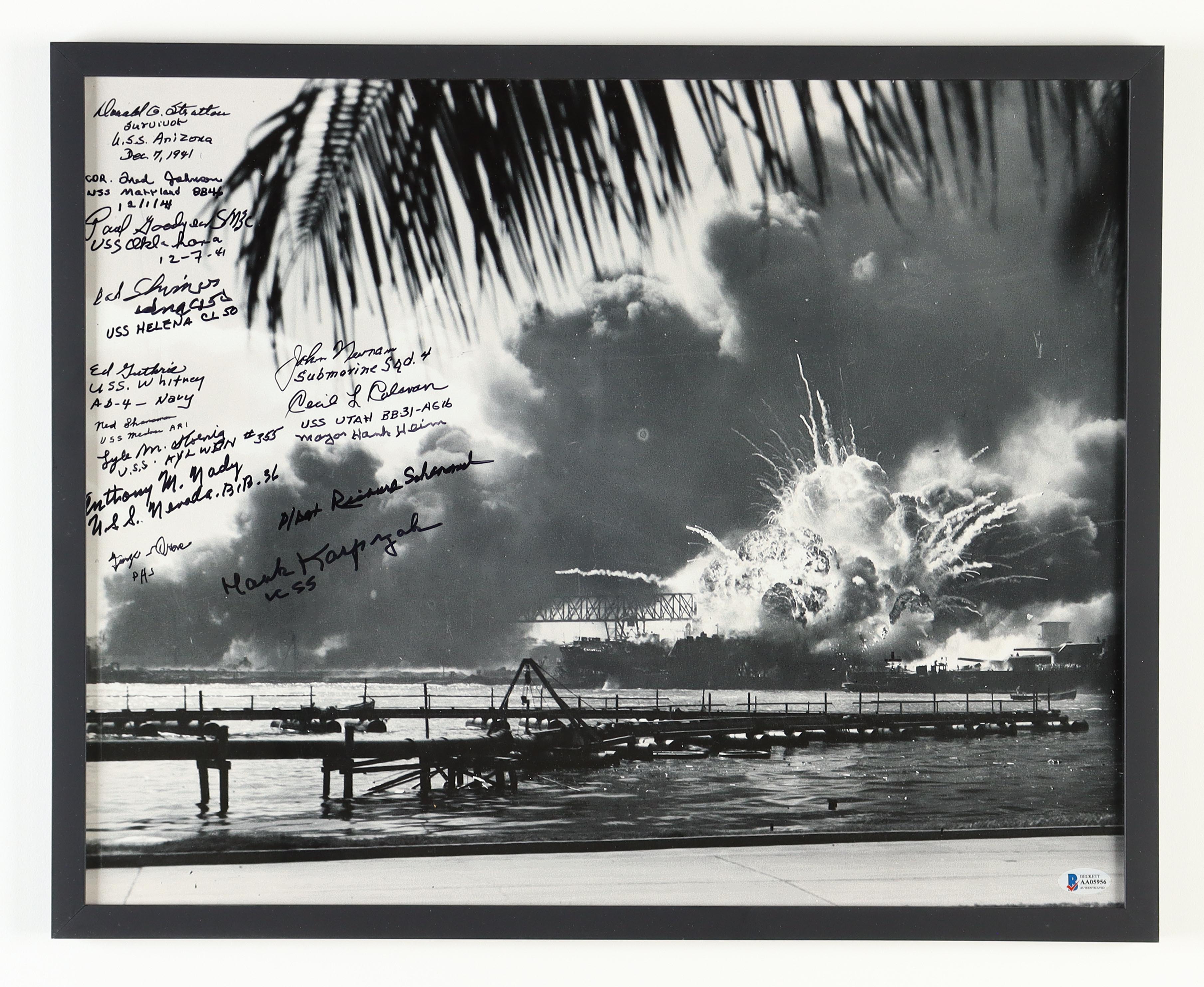
To understand the significance of Donald Stratton, one must examine the environment of the USS Arizona on that fateful Sunday morning in 1941. Stationed at Pearl Harbor, the battleship was the pride of the Pacific Fleet. Stratton, a young Seaman First Class from Nebraska, was manning his station on the anti-aircraft gun director above the bridge when the first wave of Japanese bombers initiated their assault.
The ship suffered a direct hit from a high-altitude bomber that detonated a massive explosion in the forward magazine. The sheer violence of the blast turned the ship into an inferno. Stratton was severely burned—covering approximately 65% of his body—yet he managed to participate in a harrowing escape. Along with a handful of other survivors, he traversed a rope hand-over-hand from the burning ship to the neighboring repair ship, the USS Vestal. This act of desperation, performed while under heavy fire and enduring excruciating pain, saved his life and allowed him to eventually recover and continue his service in the U.S. Navy for the remainder of the war.
A Legacy of Remembrance and Education
For decades, Donald Stratton intentionally distanced himself from the traumatic memories of the attack. However, in his later years, he underwent a profound shift. Recognizing that the number of living witnesses to the Pearl Harbor attack was dwindling, he chose to become a vocal historian. He understood that personal narratives provide a depth of emotional context that archival reports and history textbooks cannot capture.
His public-facing work culminated in the publication of All the Gallant Men, a memoir co-authored with Ken Gire. This book remains one of the most important firsthand accounts of the attack, detailing the pre-war life of a sailor, the logistical reality of the day of the attack, and the lifelong process of processing trauma. In 2026, his work remains a primary source for students and historians studying the Pacific Theater. He did not merely recite facts; he forced readers and listeners to consider the human cost of global conflict.
Historical Context: The Impact of the USS Arizona Survivors
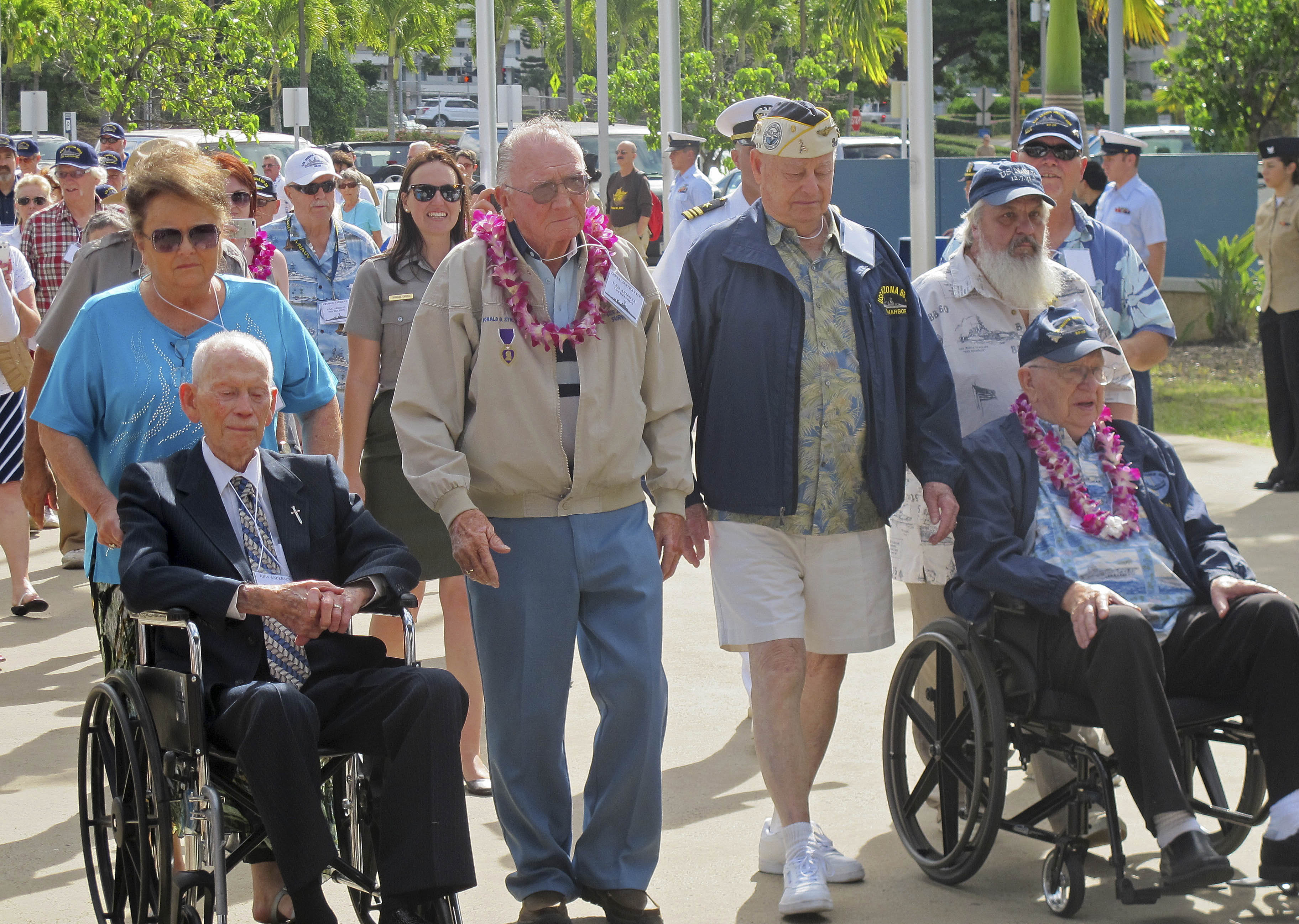
The USS Arizona is the final resting place for over 1,100 of the 1,177 sailors and Marines who died on that ship. Because the vessel was never salvaged, it serves as a memorial. Survivors like Stratton held a unique position within the veteran community: they were "living memorials." Their attendance at anniversaries and commemorative events provided a tangible bridge between the contemporary world and the historical reality of 1941.
| Attribute | Significance |
|---|---|
| Primary Assignment | USS Arizona (BB-39) |
| Key Event | Pearl Harbor Attack (1941) |
| Notable Achievement | Co-author of All the Gallant Men |
| Advocacy Focus | Public awareness of the Pacific Theater |
| Legacy Status | One of the final survivors of the USS Arizona |
Understanding the Requirements of Historical Preservation
Preserving the legacy of survivors like Donald Stratton requires more than just reading their books. For researchers, archivists, and the general public, maintaining the accuracy of the historical record involves several key actions:
- Verification of Primary Accounts: Always cross-reference personal memoirs with official Navy action reports. While memoirs capture the human experience, official logs provide the tactical context.
- Accessing Oral Histories: Institutions such as the National Park Service and the Library of Congress hold extensive interviews with Pearl Harbor survivors. These audio and video recordings are essential for understanding the nuance of the era.
- Respecting the Memorial: Visiting the USS Arizona Memorial requires adherence to strict codes of conduct. As a military grave, the site is managed with specific decorum. Understanding the operational guidelines of the National Park Service is essential for any visitor.
- Educational Outreach: Supporting programs that teach the history of the Pacific War ensures that the insights shared by individuals like Stratton are passed down to future generations.
Common Misconceptions Regarding the Pearl Harbor Attack
Public perception of the attack is often shaped by dramatized media, which can obscure the reality of the service members' experiences. Addressing these misconceptions is a core component of remembering survivors.
- The "Surprise" Narrative: While the attack was a surprise to the general public, military leadership had been anticipating rising tensions with Imperial Japan. Survivors often emphasized the state of alert—or lack thereof—in their accounts.
- The Scale of Destruction: The attack was not limited to the battleships on "Battleship Row." It involved multiple waves of aerial strikes on airfields and maintenance facilities, a fact often minimized in simplified historical summaries.
- The Aftermath: The experience of survivors did not end when the smoke cleared. Many suffered from long-term physical injuries and what would now be diagnosed as PTSD, challenges that were rarely discussed in the immediate post-war era.
Frequently Asked Questions
Who was Donald Stratton? Donald Stratton was a U.S. Navy sailor and a survivor of the attack on the USS Arizona during the Pearl Harbor assault on December 7, 1941. He later became a prominent author and spokesperson for veterans, dedicated to educating the public about his experiences.
What is the significance of the book All the Gallant Men? All the Gallant Men is a memoir that provides a detailed, firsthand account of the Pearl Harbor attack from the perspective of someone who was aboard the USS Arizona. It is widely considered one of the most authentic records of the event because it bridges historical facts with personal narrative.
Why are the stories of Pearl Harbor survivors so important to study? As the number of direct participants in World War II declines, their personal testimonies provide the only living connection to these events. Studying their stories helps maintain historical accuracy and empathy, ensuring that the human sacrifices of the war are not forgotten.
How can I learn more about the history of the USS Arizona? The most reliable information can be found through the National Park Service’s official Pearl Harbor National Memorial website. This includes historical records, visitor information, and educational resources regarding the ship and its crew.
Did Donald Stratton remain in the Navy after the attack? Yes. After recovering from severe burns sustained during the sinking of the USS Arizona, Stratton returned to active duty and served throughout the remainder of the war, participating in several key operations in the Pacific.
Practical Recommendation for Further Study
To fully honor the memory of individuals like Donald Stratton, one should move beyond general knowledge. If you are researching this period, prioritize the use of verified memoirs and official oral history archives. For those interested in the educational aspects of this history, the National Park Service provides standardized curricula and historical documentation that serve as the best starting point for understanding the tactical and human dimensions of the Pearl Harbor attack. By grounding your research in these primary sources, you ensure that the narrative remains accurate and respectful of the veterans who lived through these transformative events.
Image Gallery