Navigating the Trade Agreement with Mexico and Canada: Rules, Compliance, and Economic Impacts
The trade agreement with Mexico and Canada, officially known as the United States-Mexico-Canada Agreement (USMCA), governs trilateral commerce, investment, and supply chain rules across North America, replacing the 1994 North American...
The trade agreement with Mexico and Canada, officially known as the United States-Mexico-Canada Agreement (USMCA), governs trilateral commerce, investment, and supply chain rules across North America, replacing the 1994 North American Free Trade Agreement (NAFTA) with modernized digital, labor, and environmental provisions.
Contents
Understanding the framework of North American commerce requires looking beyond simple tariff-free access. For manufacturers, importers, exporters, and logistics providers, operating within this economic zone means adhering to stringent regulatory standards. As supply chains increasingly favor nearshoring and regional resilience, navigating the legal, tax, and administrative realities of the trilateral pact is essential for maintaining competitive advantage and avoiding costly compliance pitfalls.
Historical Context and Evolution from NAFTA to USMCA
To understand the current economic architecture of North America, one must examine its origins. The North American Free Trade Agreement (NAFTA), enacted in January 1994, dismantled most tariff barriers between the United States, Canada, and Mexico. While it successfully integrated regional manufacturing lines, critics argued it lacked adequate labor protections, environmental safeguards, and adaptations for the modern digital economy.
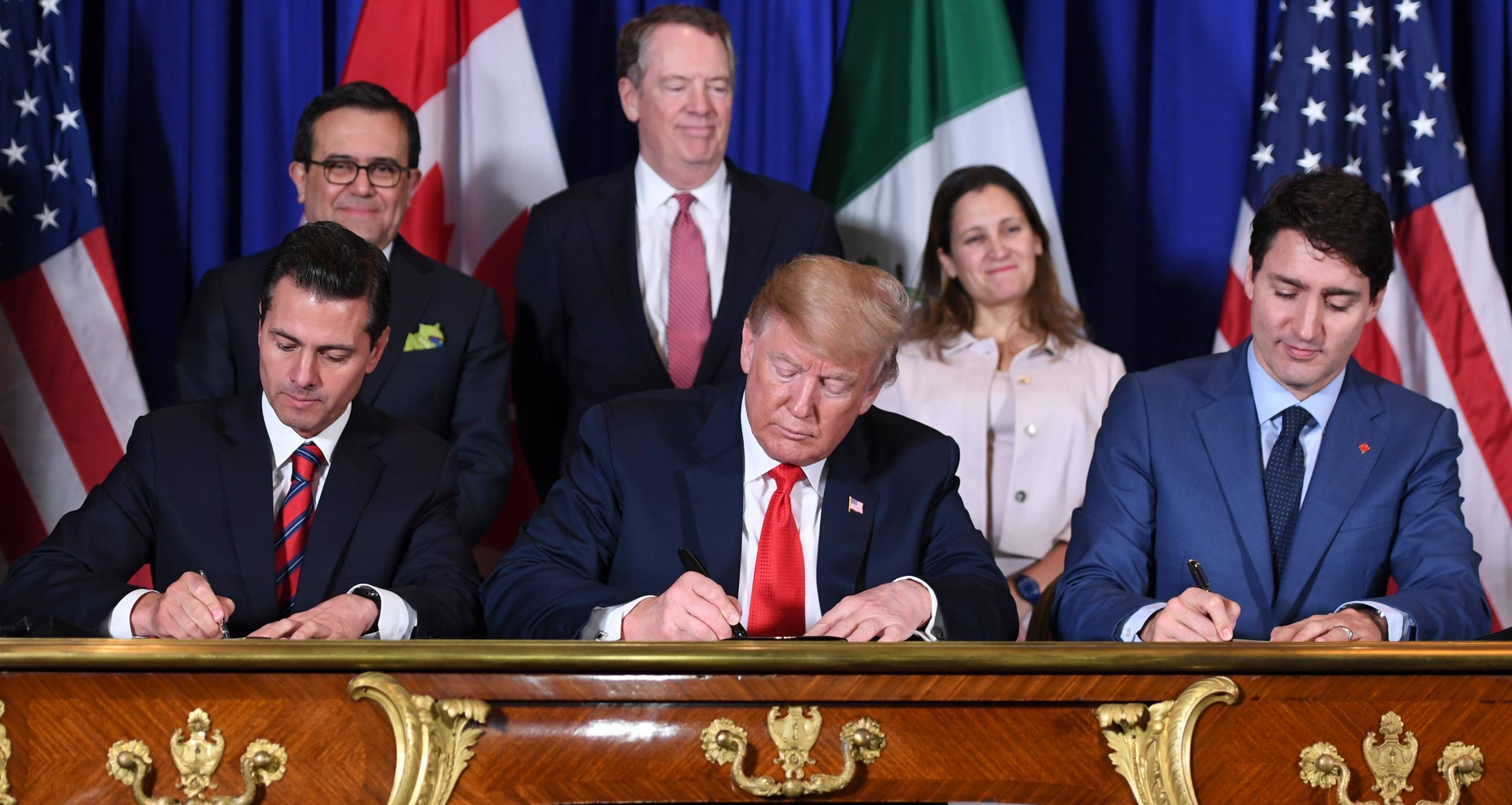
Negotiations to update these provisions culminated in the United States-Mexico-Canada Agreement, signed in late 2018 and entering into force on July 1, 2020. This framework retained zero-tariff market access for qualifying goods while introducing robust updates. These adjustments addressed intellectual property protection in the digital age, mandatory labor reforms particularly within Mexico, and stricter regional value content requirements for the automotive sector.
Core Economic Pillars and Structural Provisions
The trilateral accord is built upon several foundational chapters designed to balance trade liberalization with domestic protections. Unlike its predecessor, the agreement features sunset clauses and six-year review cycles to ensure the pact adapts to evolving economic landscapes.
Rules of Origin and Regional Value Content
One of the most significant shifts introduced by the agreement involves rules of origin, particularly for the automotive sector. To qualify for preferential tariff treatment, vehicles must meet a higher Regional Value Content (RVC) threshold, increasing from NAFTA's 62.5% to 75%.
Additionally, the framework introduces Labor Value Content (LVC) requirements. A specified percentage—starting at 40% for passenger vehicles and 45% for light trucks—must be produced by workers earning at least $16 per hour. This measure aims to balance manufacturing incentives across member states and curb wage disparity arbitrage.
Intellectual Property and Digital Trade
The digital economy represents a massive sector not fully anticipated during the drafting of NAFTA. The updated pact incorporates a comprehensive digital trade chapter that prohibits customs duties on digital products distributed electronically, such as e-books, software, and videos. It also protects cross-border data flows and limits data localization mandates.
Furthermore, intellectual property provisions were strengthened to align member states with high-standard patent and copyright protections. This includes extending copyright terms, establishing robust protections for trade secrets, and implementing harsher criminal penalties for digital piracy and trade secret theft.
Comparison of Trade Frameworks
To evaluate the operational shift between historical rules and the current framework, businesses examine key structural differences.
| Feature | NAFTA (1994–2020) | USMCA (2020–Present) |
|---|---|---|
| Automotive RVC | 62.5% regional value content | 75% regional value content |
| Labor Standards | Side agreement on labor | Enforceable chapter with independent panels |
| Digital Trade | Minimal provisions | Comprehensive digital trade and data flow rules |
| Review Mechanism | Permanent until renegotiated | 16-year sunset clause with mandatory 6-year reviews |
| Dairy Access | Limited access to Canadian market | Expanded U.S. dairy access to Canada |
Labor and Environmental Obligations
The inclusion of enforceable labor and environmental standards marks a departure from traditional trade accords. Under the Rapid Response Labor Mechanism (RRM), the U.S. and Canada can target specific facilities in Mexico suspected of denying workers' freedom of association and collective bargaining rights. This tool allows for the suspension of tariff benefits or the imposition of penalties on goods produced at non-compliant facilities.
On the environmental front, the agreement incorporates multilateral environmental agreements into its text, committing member states to combat illegal wildlife trafficking, address marine litter, and improve air quality. Failure to enforce domestic environmental laws in a manner affecting trade can lead to formal dispute resolution proceedings and financial penalties.
Operational Compliance for Importers and Exporters
Achieving duty-free status under the agreement is not automatic. Importers must explicitly claim preferential tariff treatment and possess the documentation to substantiate the origin of the goods.
Unlike NAFTA, which required a standardized Certificate of Origin (such as CBP Form 434), the current framework does not mandate a specific format. Instead, a certification of origin can be completed by the exporter, producer, or importer, provided it contains a specific set of minimum data elements. These elements include:
- Identity of the certifier, exporter, producer, and importer.
- Description and Harmonized System (HS) tariff classification of the good.
- Origin criteria demonstrating how the good qualifies.
- Date of certification and authorized signature.
Importers must retain these records, along with all supporting documentation proving compliance with rules of origin, for a minimum of five years from the date of importation.
Frequently Asked Questions
What is the primary difference between NAFTA and the USMCA?
The current agreement introduces stricter regional value content rules for automobiles, enforceable labor and environmental chapters, a comprehensive digital trade section, and expanded market access for specific agricultural sectors like dairy.
Do all goods from Mexico and Canada automatically enter duty-free?
No. Goods must meet specific rules of origin criteria outlined in the agreement. Importers must claim preference and maintain documentation proving that the manufacturing processes and material sourcing meet the required thresholds.
Is a formal Certificate of Origin required for shipments?
While a specific government form is no longer required, the importer, exporter, or producer must provide a certification containing nine mandatory data elements to substantiate the claim for preferential tariff treatment.
How are labor disputes handled under the trilateral agreement?
The framework includes a Rapid Response Labor Mechanism that allows member governments to investigate specific facilities accused of violating workers' rights to unionize and bargain collectively, with potential penalties including the suspension of tariffs.
How often is the trade agreement reviewed?
The pact includes a 16-year sunset clause coupled with mandatory joint reviews by the United States, Mexico, and Canada every six years to evaluate whether to extend the agreement.
Next Actions and Strategic Recommendations
Businesses engaged in North American commerce should conduct regular supply chain audits to ensure that material sourcing and manufacturing thresholds continue to satisfy regional value content rules. Importers must verify that their record-keeping practices align with the mandatory five-year retention window for origin certifications. For complex supply chains involving multiple tiers of suppliers, consulting with a licensed customs broker or international trade attorney is recommended to mitigate the risk of regulatory audits or unexpected tariff assessments.
Image Gallery