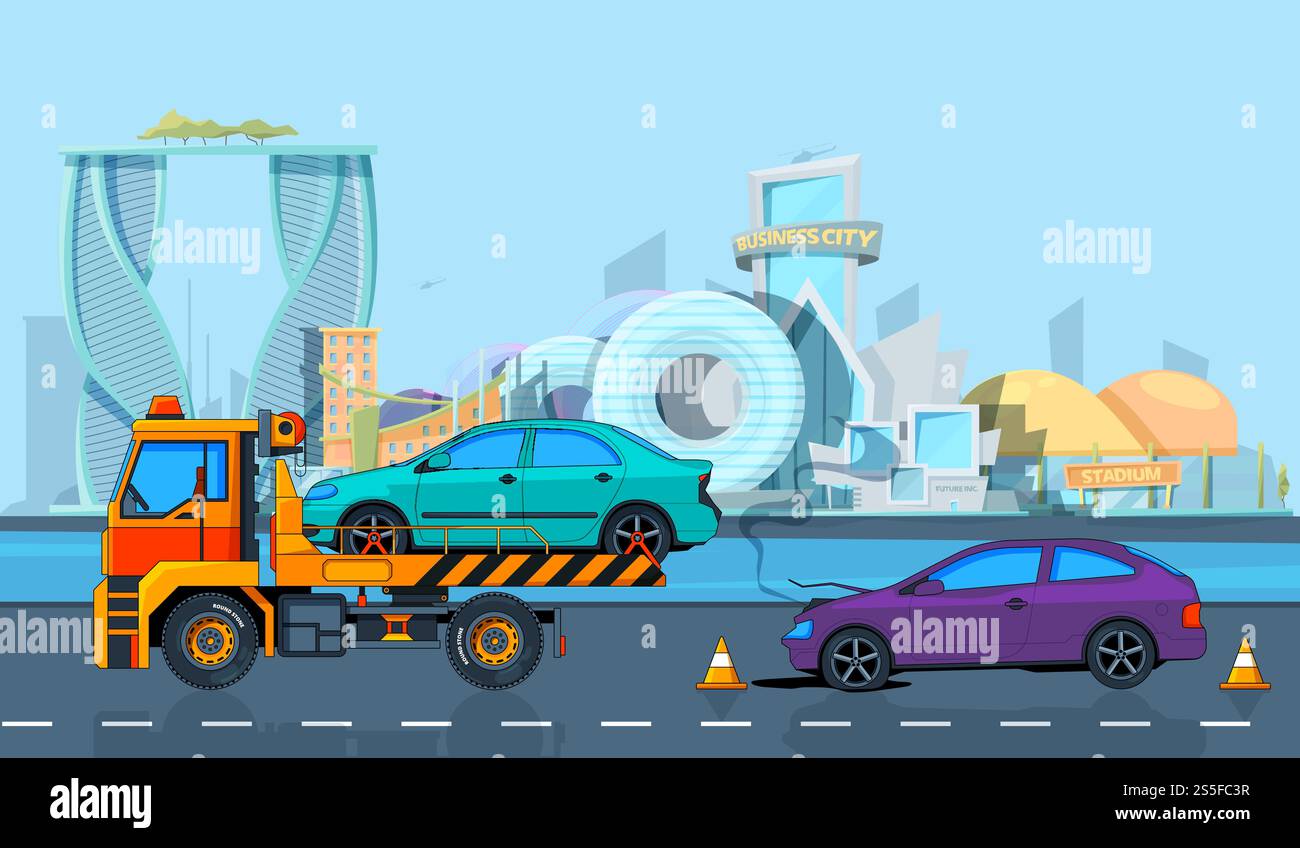
The Cartoon of Car Accident and Its Impact on Public Perception
Cartoons depicting car accidents shape how communities view road safety, traffic violations, and vehicular hazards by blending humor, satire, and dramatized tragedy into recognizable visual narratives. Visual media significantly influe...
Cartoons depicting car accidents shape how communities view road safety, traffic violations, and vehicular hazards by blending humor, satire, and dramatized tragedy into recognizable visual narratives.
Contents
Visual media significantly influences psychological processing, and the cartoon of car accident imagery serves as a unique cultural artifact. Unlike realistic photographs or hard news footage, illustrated depictions of collisions bypass cognitive resistance through caricature and simplification. This format allows creators to convey complex messages about driver behavior, infrastructure flaws, and traffic laws. However, it also introduces risks by occasionally trivializing genuine trauma, normalizing risky driving habits, or reinforcing harmful stereotypes about certain demographics on the road. Understanding this dynamic requires examining how illustrators construct these scenes, how audiences interpret them, and the broader social implications of reducing vehicular crashes to ink and pixels.
The Evolution and Purpose of Car Crash Illustration
Humorous and satirical illustrations involving automobiles date back to the early days of the internal combustion engine. When motorized vehicles first disrupted horse-drawn thoroughfares, cartoonists seized upon the chaos to reflect societal anxieties about rapid technological change. Early 20th-century publications frequently featured slapstick drawings of motorists crashing into lampposts, livestock, or storefronts. These drawings functioned as a coping mechanism for a public navigating an unfamiliar and dangerous new transit landscape.
Over time, the purpose of the car accident cartoon expanded beyond pure entertainment. Public safety agencies, municipal governments, and educational institutions recognized the power of illustrated media. They began employing cartoonists to design safety posters, driver's education manuals, and public service announcements (PSAs). The core rationale was simple: illustration can communicate hazard awareness and preventive rules to a broad audience, including children and individuals with low literacy rates, without triggering the defensive emotional reactions often provoked by graphic imagery of real-world injuries.
Psychological Mechanisms: Humor, Satire, and Trauma Mitigation
The human brain processes illustrated trauma differently than photographic evidence. When an individual views a cartoon depiction of a severe vehicle collision, the presence of artistic abstraction—such as exaggerated body proportions, missing teeth, or a spiral-eyed driver—signals to the brain that the situation is fictional or mitigated by humor.
| Depiction Type | Cognitive Processing Route | Emotional Response | Public Perception Outcome |
|---|---|---|---|
| Photographic News | Direct empathy and shock | Fear, grief, high urgency | Demands for systemic reform and strict enforcement |
| Educational Illustration | Rational instruction and rule-following | Attention, comprehension | Compliance with traffic laws and safety guidelines |
| Satirical / Slapstick Cartoon | Amusement and detachment | Laughter, normalization | Minimization of hazard severity and desensitization |
This cognitive framing relies on the concept of benign violation theory, where a situation is perceived as safe because it lacks real-world consequences, despite violating safety norms. While this mechanism makes cartoons effective tools for engaging viewers, it carries a distinct downside. By wrapping property damage and physical injury in comedic packaging, these visuals can erode public perception of the actual dangers associated with distracted driving, speeding, and driving under the influence.
Impact on Public Safety Attitudes and Policy Support
Public perception heavily influences legislative action, law enforcement priorities, and infrastructure funding. The media consumed by citizens—including editorial cartoons and webcomics—shapes their baseline assumptions about who is responsible for road accidents.
When cartoons consistently portray car crashes as the result of individual clumsiness, absent-mindedness, or bad luck, they reinforce an atomized view of traffic safety. This perspective places the entire burden on the individual driver, masking systemic issues such as poor road design, inadequate public transit alternatives, and manufacturing defects. Conversely, satirical cartoons that target municipal negligence or reckless corporate behavior can successfully galvanize public demand for safer street planning, lower speed limits, and stricter vehicle safety standards.
Shaping Driver Accountability and Blame
Illustrations often rely on shorthand visual tropes to assign fault quickly. A driver texting on a smartphone, an elderly person struggling to see over the steering wheel, or a teenager driving recklessly are recurring archetypes. While these tropes reflect real risks, their repetitive use in cartoons can entrench cognitive biases:
- Confirmation Bias: Viewers use the cartoon to validate existing prejudices against specific demographics, such as young drivers or older motorists.
- Moral Licensing: Slapstick portrayals can make minor infractions, like rolling through a stop sign or checking a notification at a red light, seem socially acceptable because they are framed as harmless punchlines.
- Victim Blaming: If a pedestrian is drawn crossing the street oblivious to traffic, the illustration may subtly shift the blame away from a speeding motorist, reinforcing anti-pedestrian biases in urban planning debates.
Educational vs. Sensationalized Media in Modern Digital Spaces
In contemporary digital ecosystems, the cartoon of car accident imagery circulates rapidly across social media platforms, meme pages, and educational blogs. This shift from printed newspapers to digital networks changes how these images impact public awareness.
Educational campaigns utilize clean, vector-based illustrations to teach defensive driving techniques, seatbelt compliance, and the physics of stopping distances. These assets succeed because they maintain a clear boundary between instruction and mockery. On the other hand, viral internet memes often strip safety context entirely, using graphic or absurd crash animations for shock value or dark humor. This saturation of digital spaces can lead to widespread desensitization, making it difficult for public safety advocates to cut through the noise with serious messaging about road mortality.
Regulatory and Ethical Considerations for Creators
Content creators, advertisers, and public safety organizations operate under ethical obligations when depicting vehicular collisions. The boundary between effective satire and irresponsible glamorization of dangerous behavior remains a subject of ongoing discussion among media ethicists.
Creators must weigh whether their work promotes harm reduction or contributes to the trivialization of preventable tragedies. Responsible design principles in modern illustration emphasize clear messaging, avoidance of gratuitous violence, and the promotion of protective behaviors like wearing helmets and seatbelts. As autonomous vehicle technologies and smart city initiatives alter the future of transportation, the role of visual art in shaping how society perceives road safety will continue to evolve, demanding greater mindfulness from illustrators and audiences alike.
Frequently Asked Questions
Why do cartoonists use humor when depicting car accidents?
Cartoonists utilize humor and exaggeration to make unsettling topics approachable, lower viewer defensiveness, and deliver quick satirical points about human behavior or societal flaws without relying on graphic imagery.
Do car accident cartoons negatively affect road safety?
While educational illustrations promote safety, purely slapstick or trivializing cartoons can desensitize audiences, normalize risky driving behaviors, and foster victim-blaming mentalities regarding traffic collisions.
How do public agencies use illustrations for traffic safety?
Municipalities and safety organizations use clear, stylized vector drawings in PSAs and manuals to explain complex rules, hazard awareness, and defensive driving techniques to diverse audiences effectively.
What is the difference between editorial car crash cartoons and internet memes?
Editorial cartoons typically feature targeted commentary on infrastructure, laws, or systemic driver behavior, whereas internet memes often prioritize shock value, dark humor, or detached irony without instructional value.
Can illustrations influence municipal traffic policy?
Yes. Satirical or investigative illustrations can highlight systemic dangers, such as poorly designed intersections or inadequate pedestrian crossings, helping to mobilize public opinion and support for urban safety reforms.
Recommendations for Navigating Visual Traffic Media
When evaluating visual media related to vehicular safety, viewers and educators should maintain a critical perspective. Distinguish between content designed to educate and content created purely for shock entertainment. For educators and communicators, select illustrations that emphasize accountability, structural safety, and preventative measures rather than those that rely on the mockery of crash victims. Supporting campaigns rooted in transparent, empathetic communication ensures that the public perception of road safety remains grounded in reality rather than caricature.
Image Gallery