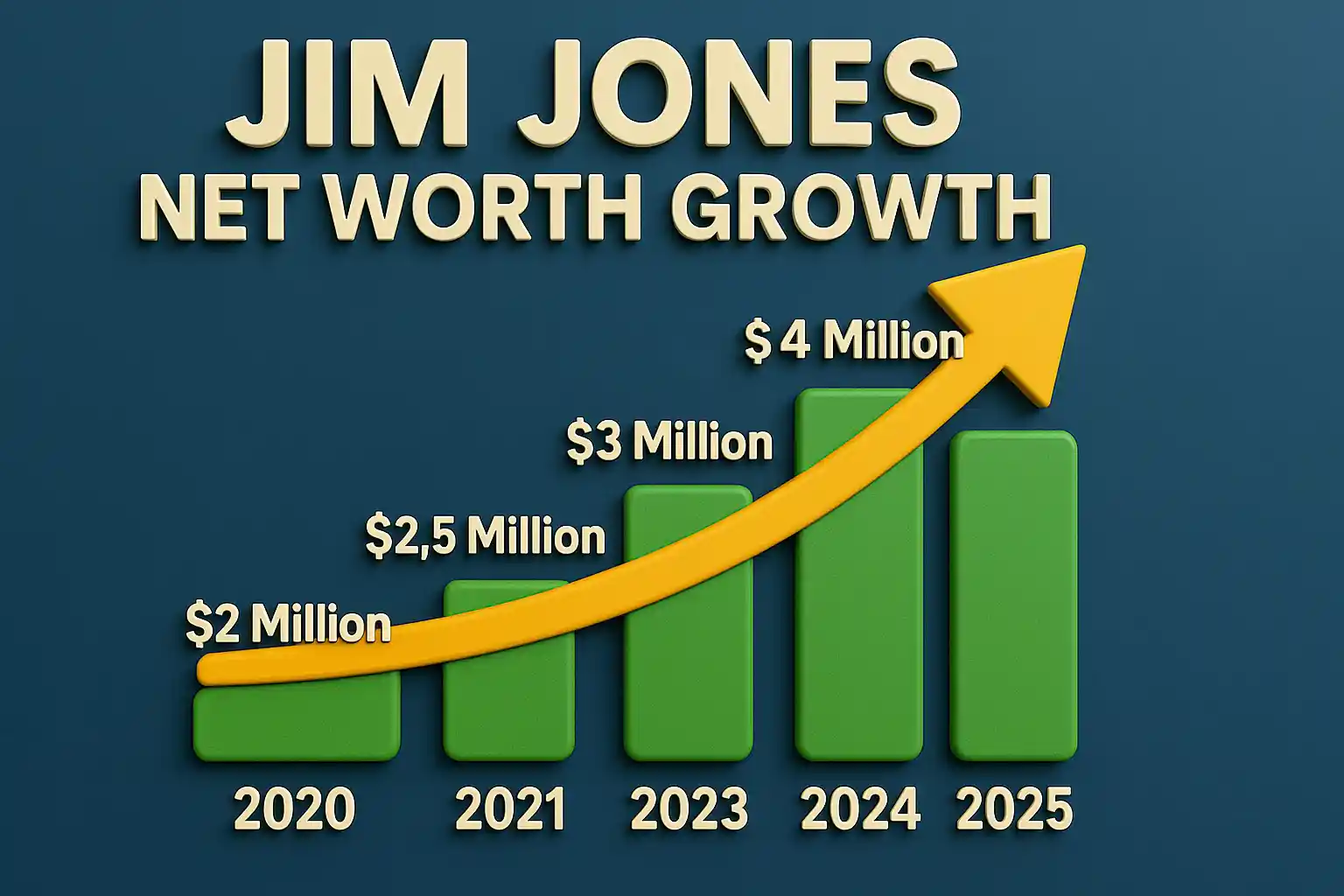
Understanding the Financial Profile of Jim Azlin
Jim Azlin is not a public figure or a globally recognized corporate executive, and therefore, no verifiable public data regarding a net worth exists for an individual by this name. In the context of financial tracking and wealth report...
Jim Azlin is not a public figure or a globally recognized corporate executive, and therefore, no verifiable public data regarding a net worth exists for an individual by this name. In the context of financial tracking and wealth reporting, public net worth figures are exclusively reserved for high-profile business owners, celebrities, and public officers whose assets are documented through SEC filings, real estate records, or transparent corporate reporting.
Contents
The Nature of Financial Privacy
In the United States and most international jurisdictions, an individual's net worth is a private matter. Financial information only enters the public domain under specific, legally mandated conditions. For the vast majority of individuals, regardless of their professional success, their wealth remains protected by privacy laws and institutional confidentiality.
When users search for the net worth of individuals who are not household names, they are often encountering the limitations of digital data aggregation. Many automated websites generate "net worth" profiles for thousands of people based on simple name-matching algorithms. These automated systems typically pull data from property tax records, social media activity, and public directories to estimate wealth. These figures are almost always speculative, frequently inaccurate, and should never be treated as verified financial reporting.
Why Verified Financial Data is Rare
For an accurate assessment of an individual’s wealth to be possible, several distinct data points must be available. Without these, any estimate is effectively a guess. Verified financial profiles generally require the following:
- Publicly Traded Stock Ownership: If an individual owns a significant percentage of a company listed on a major stock exchange, such as the NYSE or NASDAQ, they are required to disclose these holdings via SEC filings like the Form 4 or Schedule 13D.
- Real Estate Holdings: Property assessments are public records in many counties. While this provides a snapshot of tangible asset value, it does not account for the debt (mortgages) associated with those properties, which is often private.
- Corporate Compensation Data: High-level executives at public companies have their salary, bonuses, and equity grants disclosed in proxy statements.
- Legal Settlements and Disclosures: In cases of high-stakes litigation, financial statements may be submitted as part of the public court record.
Absent these primary sources, there is no credible way to calculate a net worth. When a name like Jim Azlin is searched, search engines may return results from automated "biography" sites. These sites frequently use templates to create content for search engine optimization purposes, often inflating or inventing figures to attract clicks. It is essential for the reader to differentiate between factual financial reporting and algorithmic content generation.
Distinguishing Public Figures from Private Individuals
The interest in the net worth of private individuals often stems from confusion regarding public records. In the financial world, a distinction is made between "High-Net-Worth Individuals" (HNWIs) and the general public. While wealth management firms track HNWIs for service purposes, this data is strictly confidential.
The following table clarifies the difference between verifiable sources and speculative estimations regarding financial status.
| Source Type | Data Reliability | Typical Content |
|---|---|---|
| SEC Filings | High (Verified) | Equity stakes, compensation, insider trading. |
| Property Records | Moderate (Raw) | Real estate ownership; lacks debt/equity context. |
| Corporate Proxies | High (Verified) | Executive pay and board remuneration. |
| Automated Aggregators | Low (Speculative) | Non-verified estimates based on name-searches. |
| Tax Records | Variable | Usually private unless disclosed in court. |
Risks of Relying on Unverified Wealth Estimations
Relying on speculative wealth data can be problematic, particularly for those researching individuals for potential business partnerships, investments, or professional vetting. Using inaccurate, site-generated figures can lead to:
- Misplaced Professional Expectations: Overestimating an individual's financial capacity may lead to unrealistic business proposals or negotiations.
- Privacy Concerns: The normalization of searching for private citizens' finances feeds into a culture where digital privacy is increasingly eroded.
- Confirmation Bias: Once a figure is published online, it is often quoted by other sites, creating an "echo chamber" effect that makes a false number seem factual.
Evaluating Financial Standing
If the goal is to determine the financial credibility of a specific person for professional purposes, the methods used by bankers and financial analysts are far more reliable than online search queries. These include:
- Credit Reporting: In professional settings, credit checks (with authorization) are the standard for assessing an individual's financial responsibility.
- Direct Verification: High-value business transactions involve a "Know Your Customer" (KYC) or due diligence process, where the individual provides verified bank statements or financial disclosures.
- Public Records Research: For real estate, professionals consult specific county clerk records rather than automated websites to get an accurate assessment of property deeds and encumbrances.
Frequently Asked Questions
Is it possible to find the exact net worth of any person online? No. Aside from a small percentage of the global population (CEOs, major shareholders, politicians), precise net worth data is private. Most sites claiming to list "net worth" are generating estimates for entertainment or traffic purposes.
Why do some websites show a net worth for people who aren't famous? These websites use automated scrapers to find name matches in public databases. They combine these with generalized economic data to create a "profile." These figures lack individual verification and should be ignored for any serious financial decision-making.
Does a high net worth estimate mean someone is successful in business? Not necessarily. Many automated sites conflate total asset value with "net worth," ignoring debt. A person could have high-value real estate holdings but be heavily leveraged, meaning their actual net worth is much lower than the estimated total asset value.
Are there official government sources for net worth? No government agency maintains a public list of net worth for private citizens. The IRS keeps detailed financial data for tax purposes, but this information is strictly protected by federal law and is not available for public review.
How can I verify someone's financial background professionally? Professional financial verification requires legal consent. This involves formal credit reporting, bank-provided verification of deposit (VOD), and professional due diligence conducted by qualified financial or legal advisors.
Conclusion
When researching "Jim Azlin net worth," it is important to recognize that there is no factual data to support a specific financial figure. In the absence of primary documentation—such as SEC filings or verified executive compensation reports—any number presented on a website should be regarded as an unverified estimate. For professional or personal verification needs, relying on official records and direct financial disclosures is the only way to ensure accuracy. If you are conducting due diligence, steer clear of automated biography websites and focus on standard, authorized background verification procedures.
Image Gallery