Understanding Cash in Life Insurance Policy Options: A Guide to Accessing Policy Value
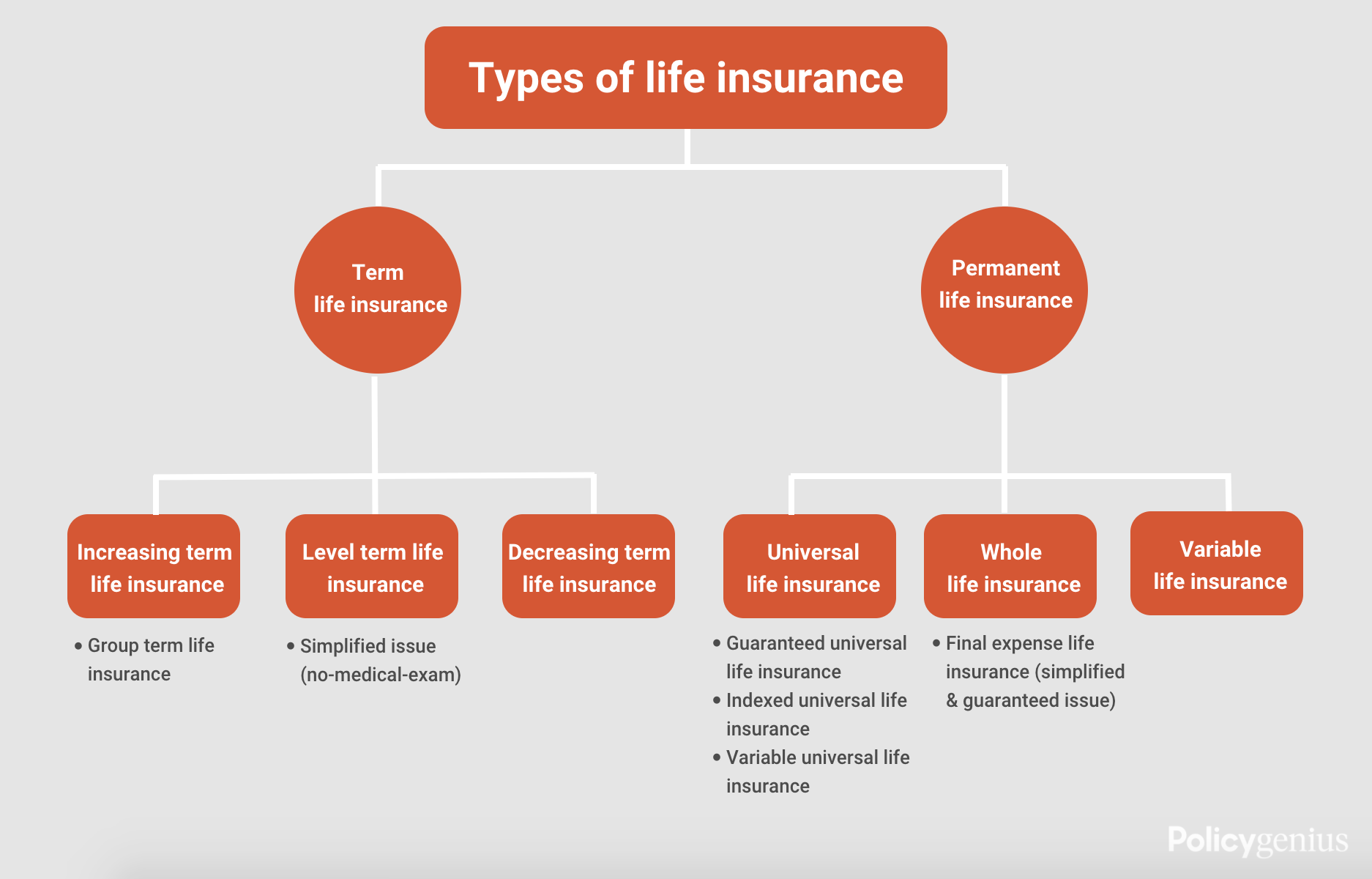
Cash value in a life insurance policy refers to the savings component found in permanent life insurance contracts, such as whole life, universal life, or variable universal life. Unlike term life insurance, which only provides a death...
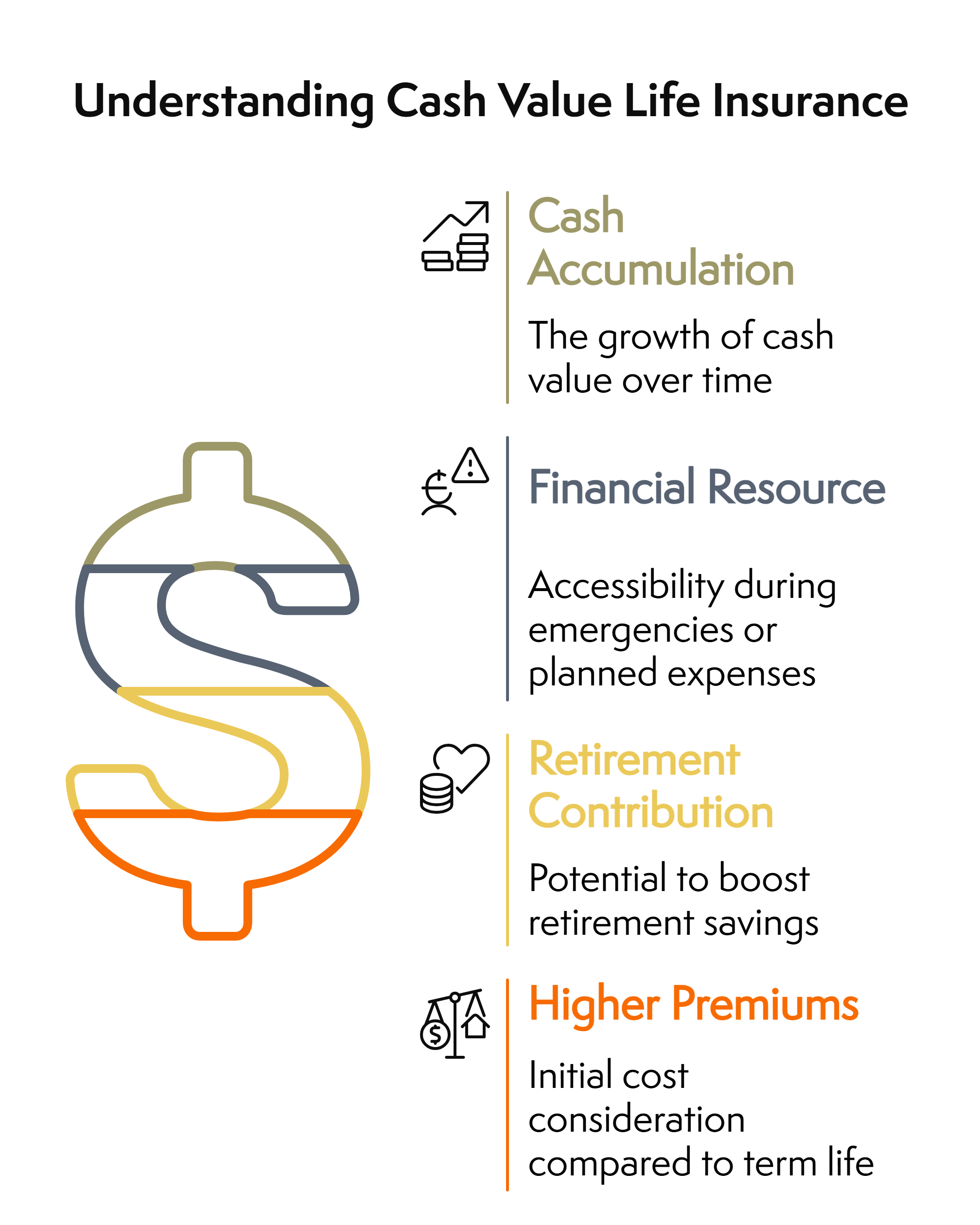
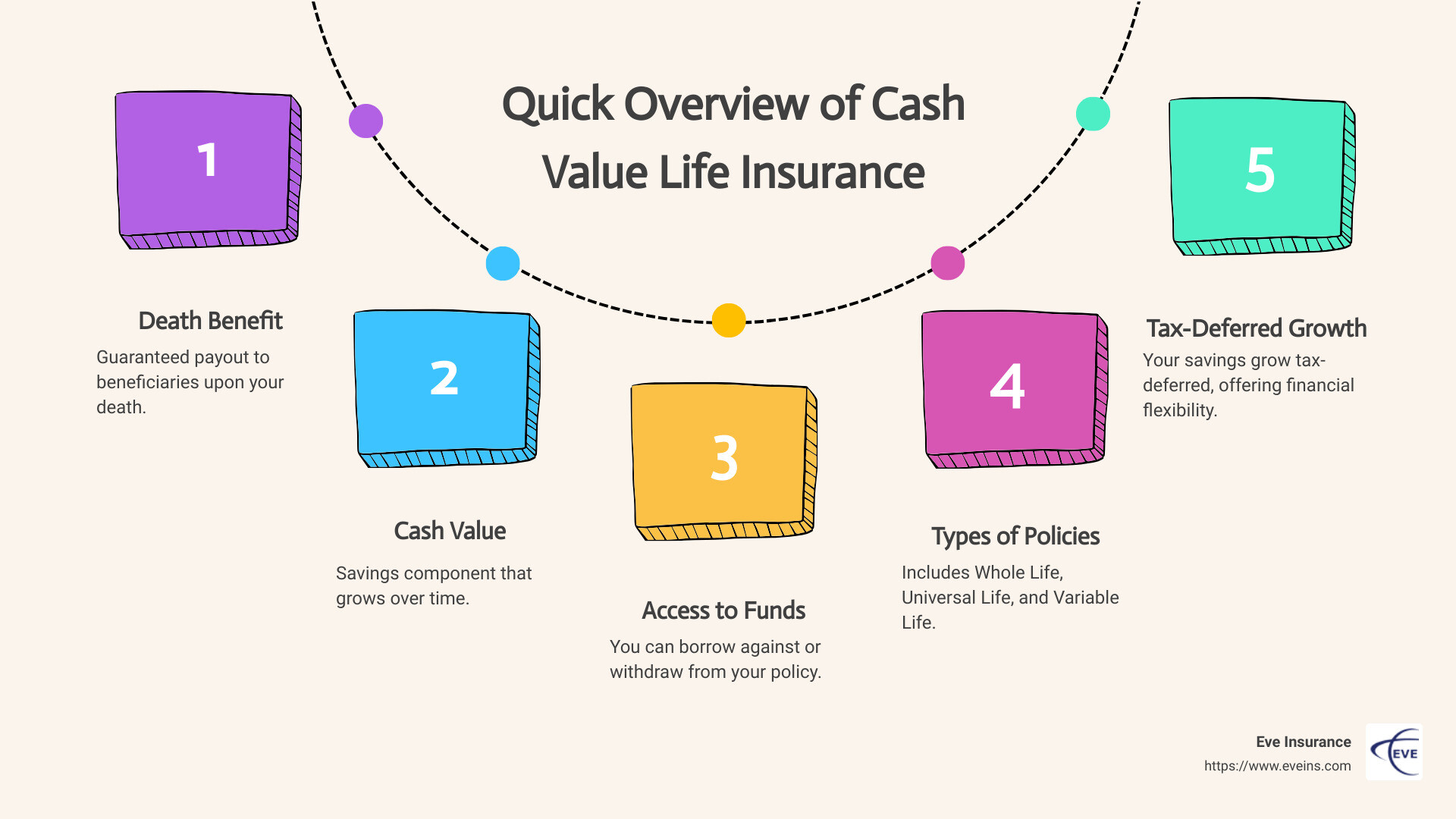
Cash value in a life insurance policy refers to the savings component found in permanent life insurance contracts, such as whole life, universal life, or variable universal life. Unlike term life insurance, which only provides a death benefit for a specific period, permanent policies build internal value over time as a portion of your premium payments—minus insurer expenses—is credited to a cash account. This cash value grows on a tax-deferred basis, providing policyholders with a flexible financial tool that can be accessed during their lifetime to supplement retirement income, cover emergency expenses, or fund major purchases.
Contents
Distinguishing Permanent Life Insurance Types
Understanding how cash value functions requires first identifying the type of policy you hold. The mechanism for accumulation varies significantly between products, directly impacting how you can access the funds.
Whole Life Insurance
Whole life insurance is the most predictable form of permanent coverage. It features fixed premiums and a guaranteed death benefit. The cash value component grows according to a schedule set by the insurance carrier at the time of purchase. Because the growth is guaranteed, this is often viewed as a conservative, long-term savings vehicle. Many whole life policies are "participating," meaning they may pay out dividends, which can be added to the cash value or used to reduce premium payments.
Universal Life Insurance
Universal life (UL) offers more flexibility than whole life. Policyholders can typically adjust their premium payments and death benefit amounts within specific contractual limits. The cash value in a UL policy earns interest based on current market rates, often subject to a minimum guaranteed floor. Because the interest credited to the policy is tied to the performance of the insurer's general account or market indices (in the case of Indexed Universal Life), the cash value growth is less predictable than that of a standard whole life policy.
Variable Universal Life (VUL)
VUL policies are the most complex. They allow the policyholder to allocate cash value into various investment sub-accounts, similar to mutual funds. While this provides the potential for higher market-linked growth, it also carries the risk of loss if the underlying investments perform poorly. Unlike other permanent policies, the cash value in a VUL is not guaranteed, and the policyholder bears the investment risk.
Methods for Accessing Your Cash Value
There are three primary ways to utilize the cash value accumulated within a permanent life insurance policy. Each has different tax implications and effects on the policy’s overall death benefit.
Policy Loans
Most permanent policies allow you to borrow against your cash value. When you take a loan, the insurance company uses your policy’s cash value as collateral.
- Benefits: Loans are generally not treated as taxable income, provided the policy remains in force.
- The Catch: You must pay interest on the loan. If you do not repay the loan (including accrued interest) before your death, the outstanding balance will be deducted from the death benefit paid to your beneficiaries. Furthermore, if your loan balance grows to exceed the cash value, your policy could lapse, triggering a potentially large tax bill on the gain.
Partial Withdrawals
Some policies, particularly universal life, allow you to withdraw a portion of the cash value directly.
- Benefits: You receive the money without the requirement of repayment or interest charges.
- The Catch: Withdrawals generally reduce your death benefit on a dollar-for-dollar basis. Depending on the amount withdrawn, you may owe income tax on the portion that exceeds your "basis" (the total premiums you have paid into the policy).
Surrendering the Policy
Surrendering the policy means canceling it entirely in exchange for the "surrender value," which is the cash value minus any applicable surrender charges.
- Benefits: You gain access to the total available cash balance.
- The Catch: You lose your life insurance coverage permanently. If the cash value exceeds the total premiums paid, the profit is subject to ordinary income tax. Surrender charges, which are highest in the early years of a policy, can significantly reduce the amount you receive if you cancel the policy prematurely.
Comparison of Access Options
| Option | Requires Repayment? | Impact on Death Benefit | Tax Implications |
|---|---|---|---|
| Policy Loan | Usually optional | Deducted at death | None (tax-free) |
| Withdrawal | No | Reduces benefit | Taxable if above basis |
| Surrender | N/A | Coverage terminates | Taxable gains apply |
Important Considerations Before Accessing Funds
Before you tap into your life insurance cash value, you must evaluate the long-term impact on your financial planning.
The "Basis" Concept
Your basis is the total amount of premiums you have paid into the policy, excluding the cost of insurance and any dividends received. When you withdraw money, the IRS considers the "basis" to be withdrawn first, which is tax-free. Once you withdraw more than your basis, any further money taken out is considered gain and is subject to income tax.
Policy Lapse Risk
If you take a loan or withdrawal that is too large, you risk the policy lapsing. If the costs of insurance and loan interest exceed the remaining cash value, the policy will terminate. This is particularly dangerous if the policy has an outstanding loan balance, as the IRS may treat the entire "gain" within the policy as taxable income the moment the policy lapses, potentially resulting in a massive tax debt that exceeds the cash you actually received.
Fees and Charges
Always consult your policy illustration or contact your insurer to understand surrender charges. These are fees applied if you access your cash value or cancel the policy within the first 10 to 15 years. They are designed to cover the insurer's acquisition costs and diminish over time.
Frequently Asked Questions
Is the interest I earn on my cash value taxable?
Generally, no. As long as the money remains inside the policy, the growth is tax-deferred. You do not pay annual income taxes on the interest or market gains credited to your account.
Can I lose my cash value if the market crashes?
It depends on the policy type. Whole life policies provide guaranteed growth. Universal life policies have a minimum interest rate floor. Only variable universal life (VUL) policies directly expose your cash value to market risk, meaning the value can decrease based on investment performance.
How quickly can I get money from my policy?
Most insurance companies require a written request. Once approved, the funds are typically disbursed within 7 to 14 business days. However, you should check your specific policy document for exact timeframes.
Does taking a loan affect my policy’s dividends?
In many "participating" whole life policies, taking a loan may reduce the amount of dividends paid, as the insurer is paying dividends based on the cash value remaining in the policy. You should confirm this with your provider.
What happens if I die with an outstanding policy loan?
If you have an outstanding loan when you die, the insurance company will subtract the loan balance plus any accrued interest from the death benefit paid to your beneficiaries.
Next Actions and Expert Guidance
Before proceeding with any transaction regarding your cash value, request a "loan/withdrawal illustration" from your insurance agent or the company's customer service department. This document provides a mathematical projection of how a specific withdrawal or loan will affect your death benefit, the policy’s long-term sustainability, and potential tax implications. If you are uncertain about the tax consequences, consult with a qualified tax professional or financial advisor who specializes in insurance products. Insurance is a long-term contract; treating it as a short-term bank account often leads to unintended lapses and tax liabilities.
Image Gallery