Amend vs Append: Which Works Best for Your Data Needs
Choosing between amending and appending data depends entirely on whether your workflow requires modifying existing records in place or safely adding new information to the end of a dataset without altering historical entries. While bot...
Choosing between amending and appending data depends entirely on whether your workflow requires modifying existing records in place or safely adding new information to the end of a dataset without altering historical entries. While both operations manage data growth and maintenance, they serve fundamentally different architectural purposes in programming, database management, and file systems.
Contents
Defining Data Modification: The Core Concepts
To understand when to use an amendment versus an append operation, you must first establish how each method alters the underlying structure of a dataset. In software development and database administration, precision and data integrity dictate which approach is appropriate for a given task.
What Does "Append" Mean in Data Management?
Appending is the process of adding new data elements, records, or files to the absolute end of an existing data structure. When you append data, you do not touch, read, or modify the pre-existing records. The operation simply locates the end-of-file marker or the final row of a table and writes the new information sequentially after it.
This method is computationally efficient and inherently safe for historical logs. Because previous records remain completely undisturbed, appending minimizes the risk of accidental data corruption. Common examples include writing to log files, streaming real-time sensor data, or inserting new rows into an append-only database table where historical immutability is legally or operationally required.
What Does "Amend" Mean in Data Management?
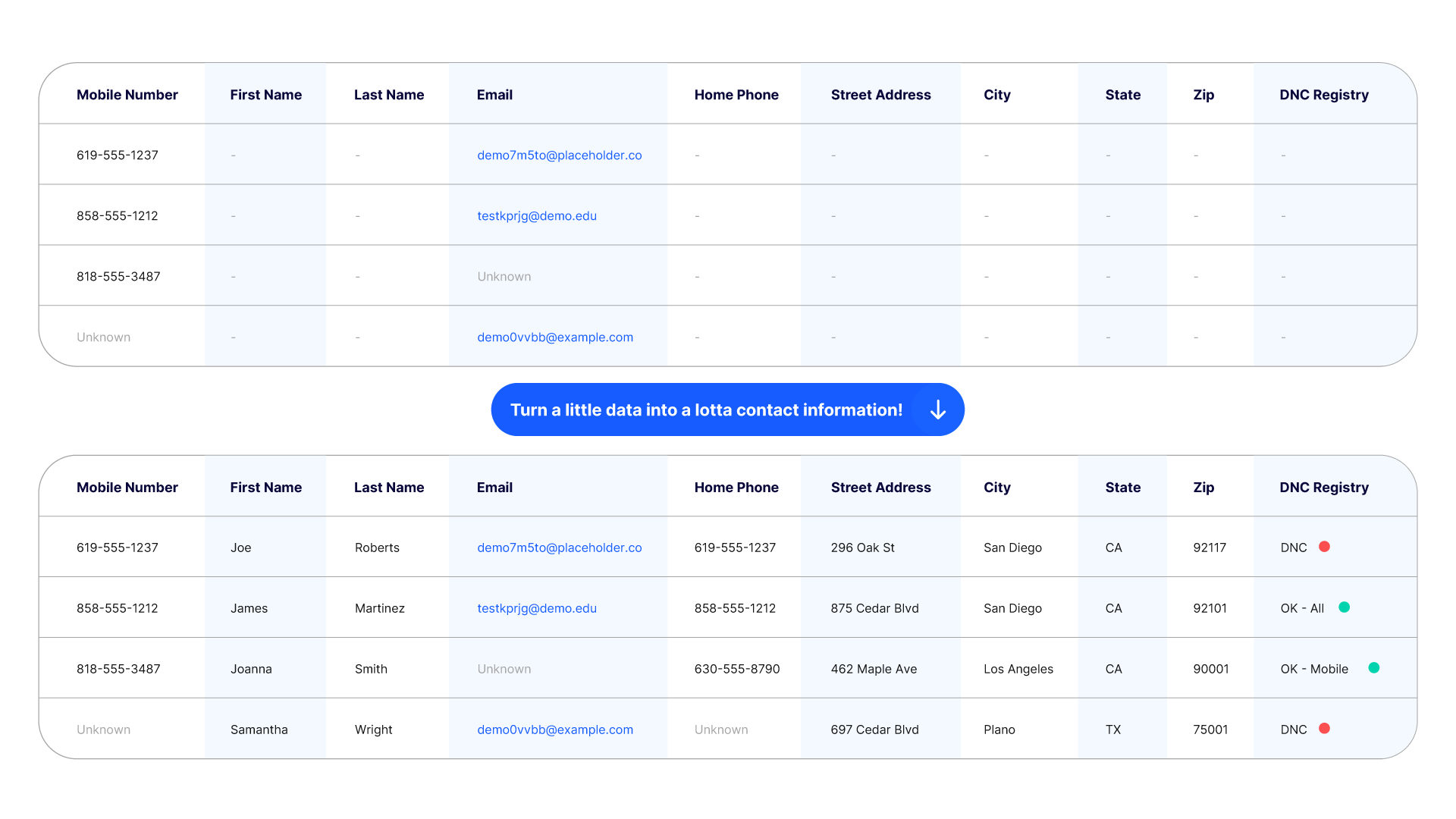
Amending involves modifying, updating, or correcting existing data within a structure. Rather than writing to the end of a file or table, an amendment operation locates a specific record using a unique identifier, key, or index, and changes its values in place.
Amending is essential when data is dynamic and requires periodic updates, such as changing a customer's mailing address, updating inventory counts, or correcting a typographical error in a database record. However, this operation introduces risks. If an amendment script fails halfway through execution, it can leave records in a partially updated or corrupted state, necessitating robust transaction management and backups.
Technical Comparison: Append vs Amend
| Feature | Append Operation | Amend Operation |
|---|---|---|
| Primary Action | Adds new data to the end of a structure. | Modifies existing data records in place. |
| Impact on History | Preserves historical records completely intact. | Overwrites or alters historical values. |
| Computational Cost | Generally low (O(1) time complexity for sequential writes). | Higher (requires searching, indexing, and writing). |
| Risk of Corruption | Low; existing data is not targeted for modification. | Moderate to High; risks partial updates if interrupted. |
| Primary Use Cases | Audit logs, time-series data, event streams. | User profiles, inventory tracking, configuration files. |
Evaluating Your Data Needs: Key Decision Factors
Selecting the correct approach requires evaluating your technical requirements, performance constraints, and regulatory obligations. Below are the primary factors to consider when designing your data pipeline or database schema.
Data Immutability and Auditability
If your application operates in a regulated industry—such as finance, healthcare, or enterprise security—maintaining a strict audit trail is non-negotiable. Regulations often mandate that historical data cannot be modified or deleted without a cryptographic or documented trace.
In these scenarios, appending is the superior choice. Instead of amending a user's account balance record, systems frequently append a new transaction row, allowing auditors to calculate the current balance by summing the historical stream. This pattern prevents fraud and ensures accountability.
Performance and Scalability
Performance bottlenecks often dictate database design patterns. Appending data is exceptionally fast because the system does not need to search for a specific record before writing. Storage engines can write sequential blocks directly to disk or memory.
Conversely, amending data requires a read-and-write cycle. The database must traverse indexes, locate the target row, lock it to prevent race conditions, write the new values, and update internal pointers. At scale, frequent amendments can cause database fragmentation and slow down transaction throughput, requiring regular maintenance routines like defragmentation and index rebuilding.
Storage and Resource Constraints
While appending saves CPU cycles during write operations, it creates storage challenges over time. Because old records are never deleted or modified in place, append-only systems consume disk space continuously. Developers must implement data retention policies, archiving strategies, or log rotation mechanisms to prevent storage exhaustion.
Amending data keeps table sizes relatively stable by updating current values, but it requires careful handling of transaction logs (WAL - Write-Ahead Logging) to ensure recovery in the event of a system crash.
Practical Implementation Scenarios
To see how these concepts apply in practice, consider two common development workflows: writing application logs and managing user profiles.
Scenario 1: Application Error Logging
When an application encounters an error, it needs to record the incident immediately without slowing down the user experience.
- The Choice: Append.
- Why: Log files are designed for sequential writing. Each error entry is simply added as a new line at the bottom of the log file or streamed to an analytics platform like Elasticsearch. Amending a log file to update an error status would be computationally prohibitive and unnecessary.
Scenario 2: E-Commerce Inventory Management
An online store needs to track how many units of a specific product are currently available in the warehouse.
- The Choice: Amend.
- Why: When a customer purchases an item, the inventory count for that specific product SKU must decrease by one. Maintaining an append-only log of every single purchase to calculate current stock on the fly would degrade search and checkout performance. Updating the inventory table in place provides instant visibility into stock levels.
Common Pitfalls to Avoid
Failing to choose the right paradigm can lead to severe architectural issues down the line. Watch out for these frequent mistakes:
- Overusing Amendments: Constantly updating records in place when an audit trail is required makes compliance audits difficult and obscures historical trends.
- Ignoring Storage Growth in Append Systems: Allowing append-only data stores to grow indefinitely without an archiving strategy will eventually overwhelm server capacity.
- Neglecting Concurrency Control: When amending data across distributed systems, failing to implement proper locking mechanisms can result in race conditions where simultaneous updates overwrite each other.
Frequently Asked Questions
Can I combine both append and amend in the same database?
Yes. Modern database architectures frequently use a hybrid approach. For example, financial systems often use append-only event sourcing to record every transaction while maintaining an amended state table for fast account balance lookups.
Which method is safer for preventing data loss?
Appending is generally safer because it avoids destructive write operations. If an append script fails, you only lose the incoming batch, whereas a failed amendment script can corrupt existing records.
How does indexing affect amend vs append performance?
Appending is fast because new rows bypass complex index updates until background maintenance occurs. Amending forces immediate index updates if the modified column is part of an index, which increases write latency.
Is append-only storage more expensive?
In the short term, storage is cheap, so appending has minimal financial impact. However, over multi-year cycles, unmanaged append-only datasets require significantly more cloud storage and backup bandwidth than regularly updated tables.
When should I choose an immutable data store?
Choose an immutable, append-only store whenever your application requires strict compliance reporting, blockchain verification, event-driven architectures, or comprehensive user activity tracking.
Summary and Next Actions
To determine whether to amend or append, evaluate your application's tolerance for historical modification, performance requirements, and storage limits. Use appending for logs, event streams, and audit trails where history must be preserved. Use amending for operational states, user profiles, and inventory tracking where current values must be updated efficiently. Review your current database schemas and refactor high-frequency write paths to match the appropriate data pattern.
Image Gallery