AI for Mortgage Loan Officers: Operational Strategies and Implementation
Artificial intelligence in mortgage lending serves as a force multiplier for loan officers, automating labor-intensive document classification, data extraction, and lead prioritization to reduce cycle times and improve loan quality. By...
Artificial intelligence in mortgage lending serves as a force multiplier for loan officers, automating labor-intensive document classification, data extraction, and lead prioritization to reduce cycle times and improve loan quality. By integrating machine learning models with existing Loan Origination Systems (LOS), professionals can focus on complex underwriting nuances and borrower relationship management while technology handles high-volume administrative tasks.
Contents
The Role of AI in Modern Mortgage Origination
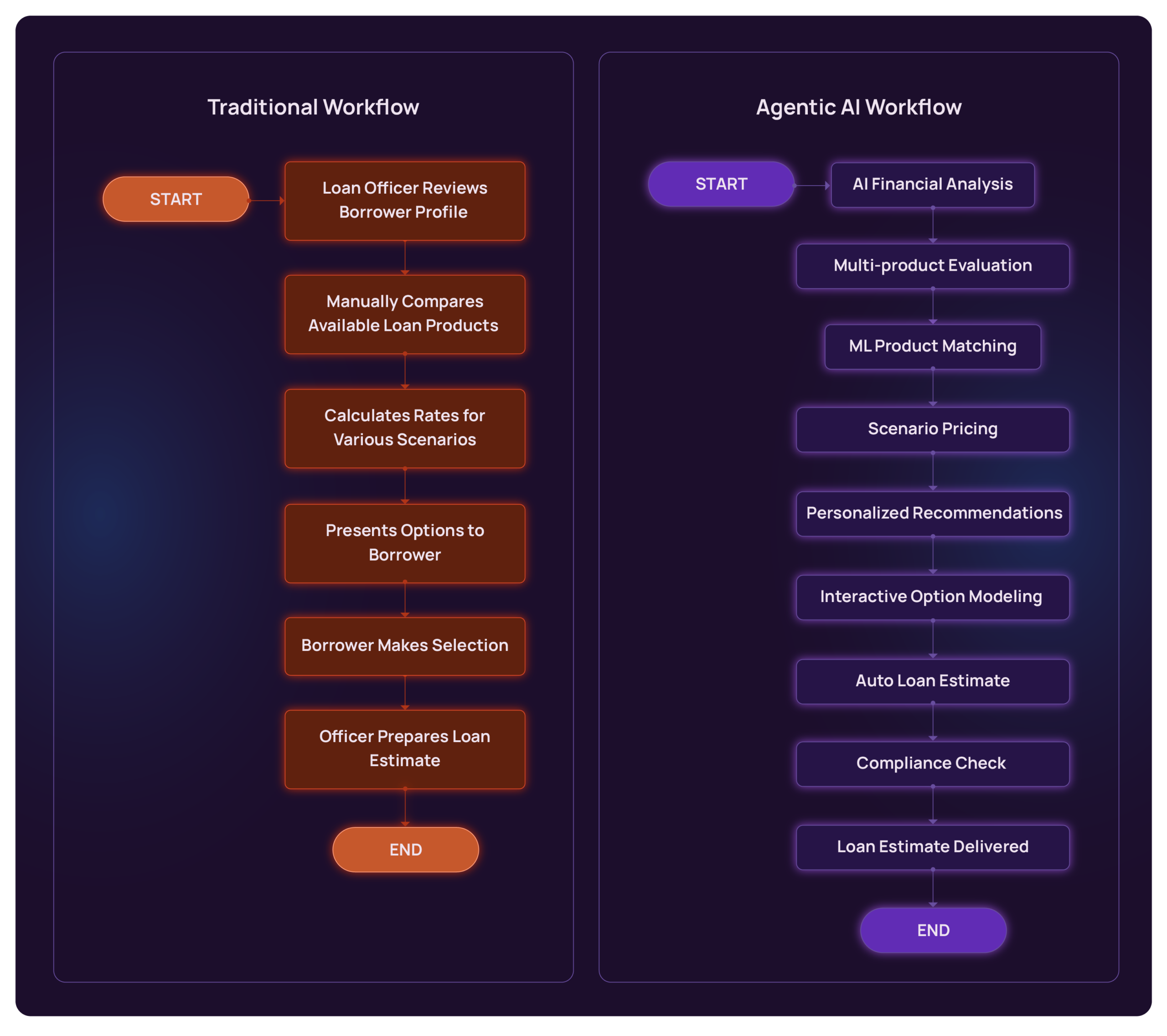
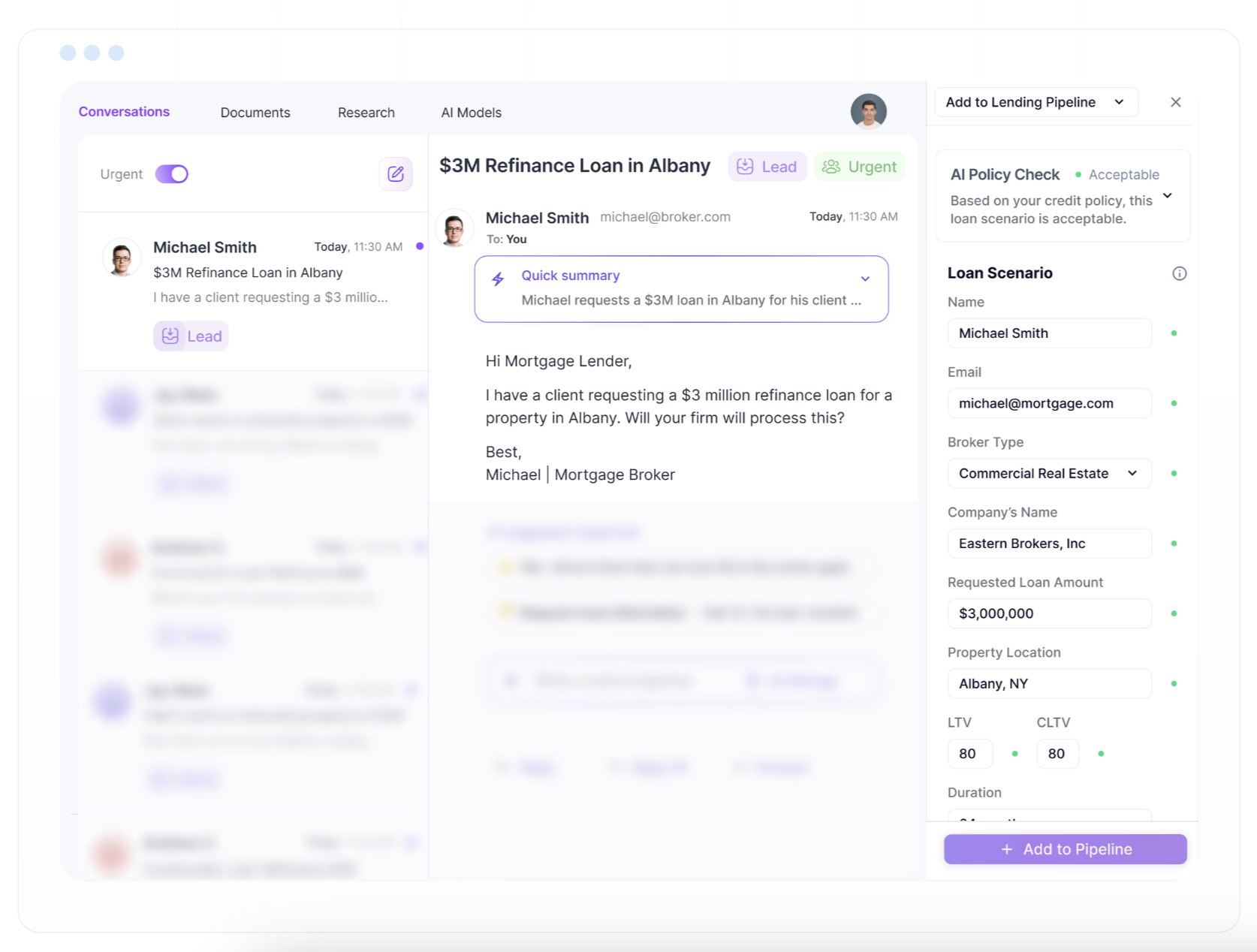
For mortgage loan officers, the primary value of AI lies in its ability to synthesize unstructured data—such as bank statements, pay stubs, and tax returns—into structured, actionable intelligence. Traditional origination workflows often suffer from "data friction," where the time spent manually rekeying information or chasing missing documentation delays the commitment process.
AI-driven Optical Character Recognition (OCR) and Intelligent Document Processing (IDP) tools now allow for the near-instant verification of income and assets. When a borrower uploads a document, an AI agent can scan for inconsistencies, missing pages, or insufficient information, providing immediate feedback to the loan officer. This shift moves the professional from a reactive, clerical role into a proactive advisory position.
Key Operational Applications
To effectively implement AI, loan officers must understand which processes are ripe for automation versus those that require human intuition. The most effective deployments focus on these three areas:
1. Predictive Lead Scoring
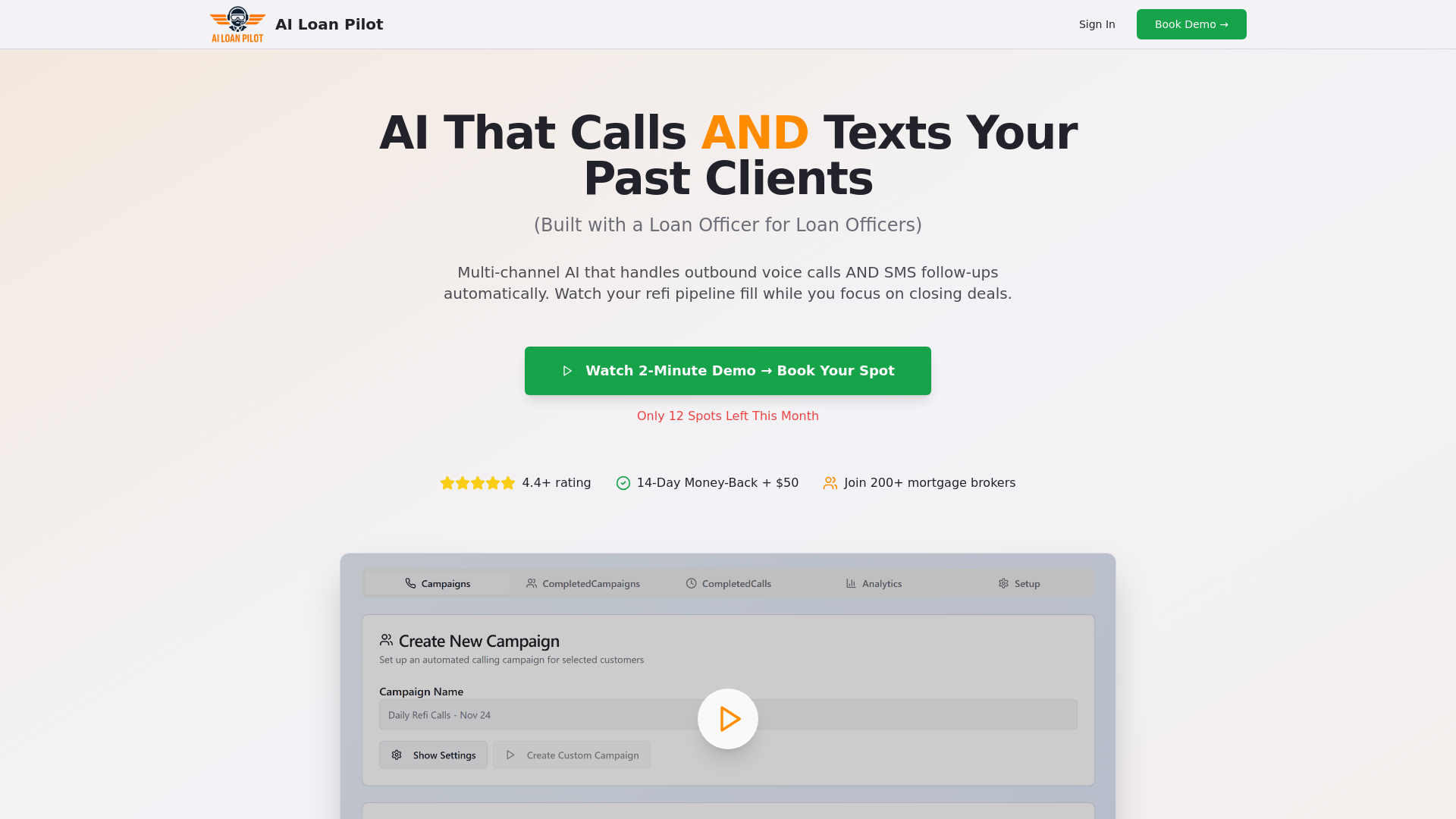
AI models analyze historical CRM data to identify which leads are most likely to convert based on demographic patterns, market conditions, and interaction frequency. Rather than cold-calling a list, officers use AI to rank the "propensity to close," ensuring that time is spent on borrowers who are ready to proceed with an application.
2. Automated Compliance and Audit Readiness
Regulatory scrutiny in the mortgage industry remains high. AI tools continuously monitor loan files against internal guidelines and external regulatory requirements (such as TRID or RESPA). By catching potential compliance errors at the point of entry, AI prevents "re-work" that often occurs during the final underwriting stages, thereby keeping closing timelines stable.
3. Borrower Communication and Assistance
Conversational AI, specifically designed for mortgage workflows, can handle common borrower inquiries—such as status updates or document upload requirements—via secure portals. By offloading these repetitive administrative queries, the loan officer can dedicate time to solving complex qualification challenges or managing volatile interest rate lock negotiations.
Comparing AI Capabilities in Mortgage Software
When selecting tools, loan officers should evaluate how well a solution integrates with their current LOS (such as Encompass or similar industry-standard platforms). Integration depth determines whether data flows seamlessly or requires manual intervention, which negates the efficiency gains.
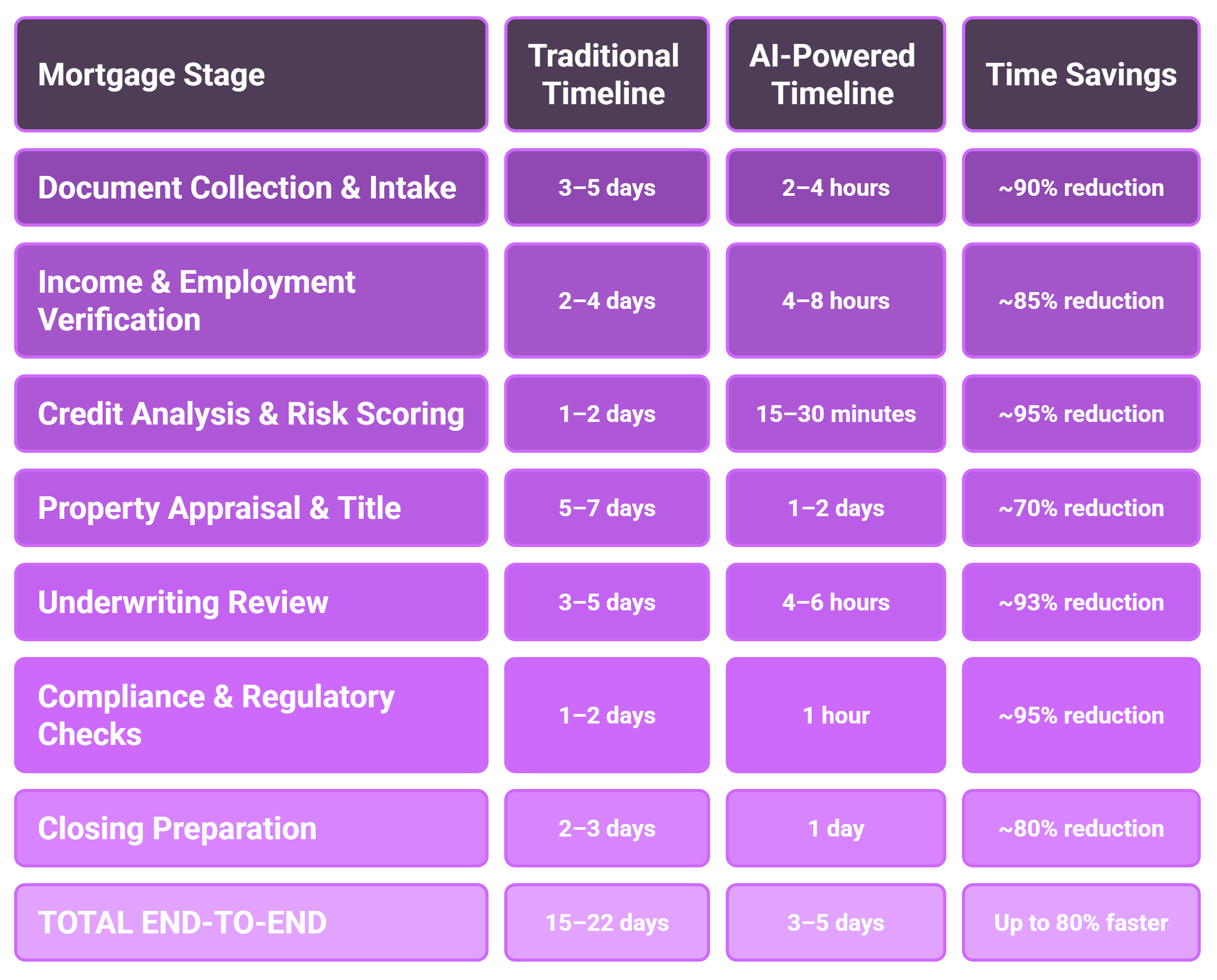
| Feature Type | Manual Process Time | AI-Driven Process Time | Key Benefit |
|---|---|---|---|
| Document Classification | 10–20 Minutes | Under 60 Seconds | Faster file indexing |
| Income Calculation | 30–45 Minutes | 2–5 Minutes | Improved accuracy |
| Lead Nurturing | Hours/Week | Automated cycles | Better conversion rates |
| Compliance Review | Hours (Manual Audit) | Continuous (Real-time) | Reduced risk/penalties |
Prerequisites and Implementation Steps
Before deploying AI tools, loan officers must ensure their foundational data is clean. AI is only as effective as the data it processes.
- Data Hygiene Audit: Ensure your current CRM and LOS are properly populated. Incomplete historical data will cause machine learning models to "hallucinate" or provide inaccurate predictive scoring.
- Security and Privacy Verification: Verify that any AI vendor meets SOC 2 Type II compliance standards and adheres to the Gramm-Leach-Bliley Act (GLBA). Sensitive borrower financial information requires end-to-end encryption.
- Pilot Testing: Do not overhaul the entire origination workflow at once. Start by automating one specific task, such as document classification, to measure the reduction in time-to-clear-to-close.
- Staff Training: Educate staff on the limitations of AI. Human oversight remains legally and ethically necessary, particularly regarding fair lending practices and the Equal Credit Opportunity Act (ECOA).
Navigating Risks and Ethical Considerations
The use of AI in lending is subject to strict regulatory oversight. The Consumer Financial Protection Bureau (CFPB) has emphasized that lenders are responsible for the decisions produced by their automated systems. If an AI model denies a loan or produces a disparate impact on a protected class, the loan officer and their institution are liable.
Consequently, "Black Box" AI—models where the decision-making process is opaque—should be avoided. Loan officers should prioritize "Explainable AI" (XAI), which provides a clear audit trail and specific reasoning for every automated decision, ensuring that adverse action notices are accurate and defensible.
Troubleshooting Common Implementation Challenges
- Integration Failures: If your AI tool fails to sync with your LOS, check your API documentation. Many issues stem from outdated LOS versions that do not support modern webhook integrations.
- Low Confidence Scores: AI systems often flag documents with low "confidence levels." When this happens, the system should trigger a human-in-the-loop (HITL) prompt. Do not attempt to override these settings manually; instead, improve the clarity of the source documents requested from the borrower.
- Borrower Resistance: Some borrowers may feel uncomfortable with automated interaction. Always offer an "opt-out" path to speak with a human loan officer to preserve the personal touch that characterizes successful mortgage lending.
Frequently Asked Questions
Will AI replace the need for mortgage loan officers? No. AI is designed to handle high-volume, low-complexity tasks. It cannot replace the empathy, strategic financial counseling, or complex problem-solving required when a borrower faces unique credit or income challenges. It shifts the role, but does not eliminate it.
Is it expensive to start using AI tools in mortgage lending? Costs vary widely, from monthly subscription models for lead-scoring tools to enterprise-level investments for full-cycle document processing. Most platforms offer scalable pricing based on loan volume, making it accessible for individual originators and larger teams alike.
How does AI affect fair lending compliance? If configured incorrectly, AI can inherit human biases present in historical data. It is essential to use tools that undergo regular "bias testing" and provide transparent reporting on how borrower risk is calculated to ensure compliance with the ECOA and Fair Housing Act.
What is the most important first step for an office interested in AI? The most effective first step is identifying your "bottleneck." Determine which part of your process—whether it is document collection or lead response time—causes the most delays. Apply an AI solution specifically to that friction point first.
Next Steps for Implementation
To begin, evaluate your current monthly loan volume and the average time spent on "non-revenue generating" activities, such as file indexing and basic borrower status updates. Research tools that integrate directly with your primary LOS provider to minimize technical setup. Prioritize vendors who offer a sandbox environment, allowing you to test their AI models with sample data before committing to a contract.
Image Gallery