Understanding Audi e-tron 5 Second Sprint 0-60 Performance and Acceleration Dynamics
The Audi e-tron's ability to achieve a 0-60 mph sprint in approximately 5 seconds is a hallmark of its high-performance electric powertrain, particularly when utilizing 'Boost Mode.' This acceleration capability is defined by instant t...
The Audi e-tron's ability to achieve a 0-60 mph sprint in approximately 5 seconds is a hallmark of its high-performance electric powertrain, particularly when utilizing 'Boost Mode.' This acceleration capability is defined by instant torque delivery, advanced dual-motor all-wheel-drive configurations, and sophisticated thermal management systems that allow the vehicle to sustain rapid power output across various driving conditions.
Contents
The Engineering Behind Electric Acceleration
The perception of a "5-second sprint" in the Audi e-tron ecosystem is not merely a result of horsepower; it is a product of how electric motors interact with the vehicle’s chassis and drive control software. Unlike internal combustion engines (ICE), which require a transmission to reach an optimal power band, electric motors provide maximum torque the moment the pedal is depressed.
In the Audi e-tron, this is managed through permanent magnet synchronous motors. Because these motors do not need to build revolutions to produce peak torque, the latency between intent and action is virtually eliminated. When a driver requests full power, the power electronics command the battery to discharge high levels of current instantaneously. The result is a surge of linear, relentless acceleration that feels significantly more immediate than an ICE vehicle with similar output figures.
Decoding Boost Mode and Peak Performance
To achieve the sub-5-second performance benchmarks often associated with the S-line and high-output variants of the e-tron, the vehicle utilizes "Boost Mode." This is a temporary high-output state that unlocks the full potential of the drivetrain.
When the vehicle is placed in Sport mode and the transmission is set to 'S,' the e-tron enters a state where the motors can draw more current from the battery pack than is allowed during standard driving. This is governed by strict thermal thresholds. The vehicle’s computer continuously monitors the temperature of the battery cells, the power electronics, and the motor windings. If the system is too hot or the state of charge (SoC) is too low—generally below 10%—the system will restrict access to Boost Mode to protect the longevity of the electrical components.
Technical Factors Influencing 0-60 Times
Several variables beyond motor output dictate whether an e-tron will hit its advertised 0-60 time. Understanding these can help owners verify the performance levels of their specific vehicle configuration.
State of Charge (SoC)
Electric vehicle battery voltage drops as the charge level depletes. High-performance acceleration requires significant "C-rate" (the rate at which a battery is discharged relative to its capacity). When the battery is at 90-100%, the voltage is at its highest, providing the most efficient power delivery to the inverters. Conversely, as the SoC drops below 30%, the internal resistance of the battery becomes more pronounced, which can lead to a perceptible slowing in acceleration times.
Tire Compound and Road Surface
The e-tron’s immense instantaneous torque presents a challenge for traction. If the vehicle is equipped with standard all-season tires on a cold or damp road, the electronic stability control (ESC) will intervene to prevent wheel spin. This intervention effectively cuts power to the wheels for a fraction of a second, which adds to the 0-60 time. Using high-performance summer tires or winter-specific tires in appropriate conditions is essential for maintaining the grip levels required to achieve the rated sprint times.
Thermal Management
The e-tron employs an advanced liquid-cooling system to regulate the temperature of its electrical components. During aggressive driving—such as repeated 0-60 sprints—the heat generated by the battery and power electronics can trigger thermal derating. This is a safety protocol designed to prevent hardware damage. If the vehicle is "heat-soaked," the management system will intentionally reduce the power output until temperatures return to an optimal operating range.
Comparative Performance Metrics
To contextualize the 5-second sprint, it is helpful to compare the e-tron’s delivery against different vehicle segments. The following table illustrates typical performance benchmarks for Audi e-tron variants in comparison to standard industry standards.
| Vehicle Configuration | Est. 0-60 mph (Seconds) | Primary Performance Factor |
|---|---|---|
| Standard Dual-Motor e-tron | 5.5 - 5.7 | Balanced Efficiency/Power |
| e-tron S (Boost Mode) | 4.3 - 4.5 | Triple Motor Torque Vectoring |
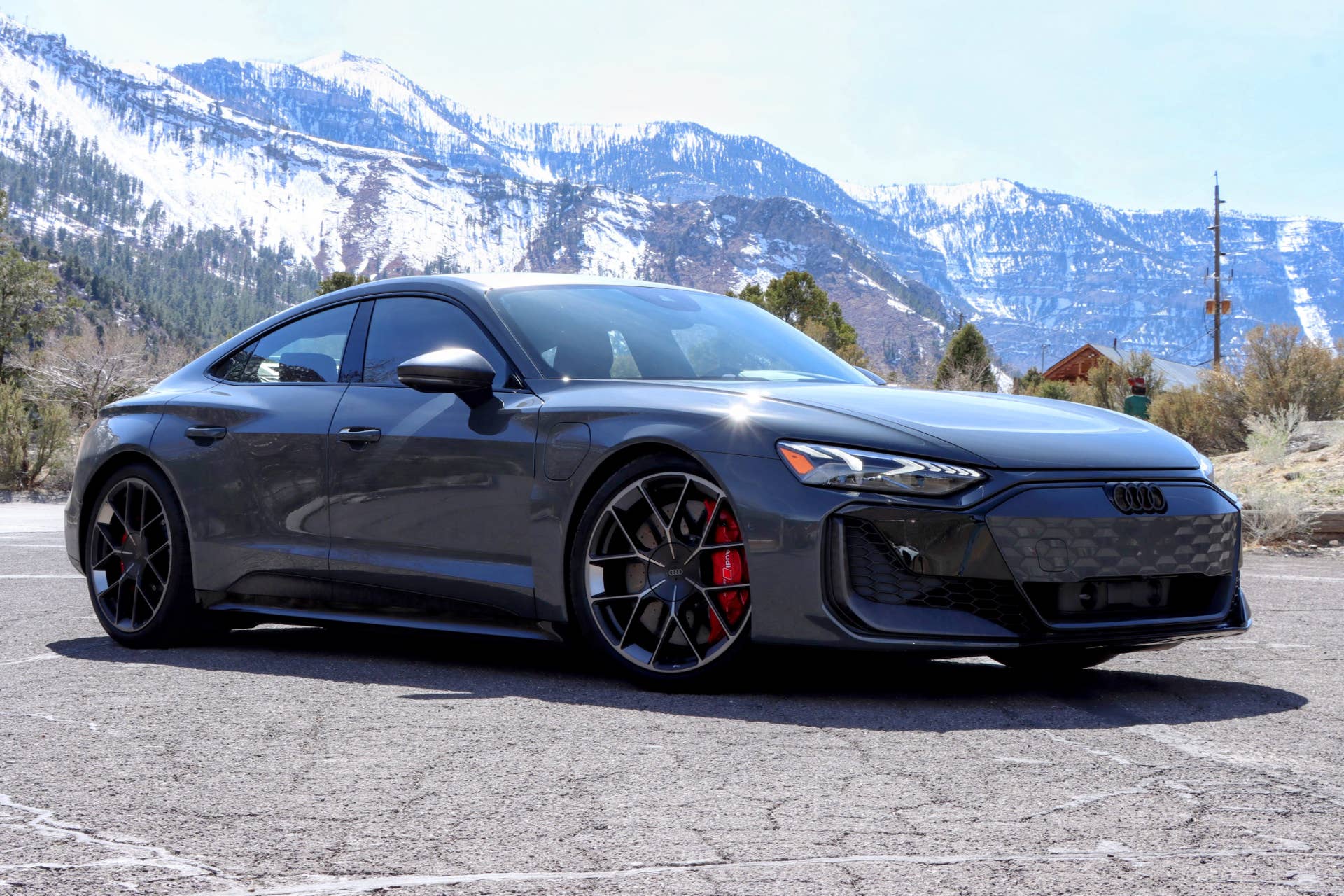
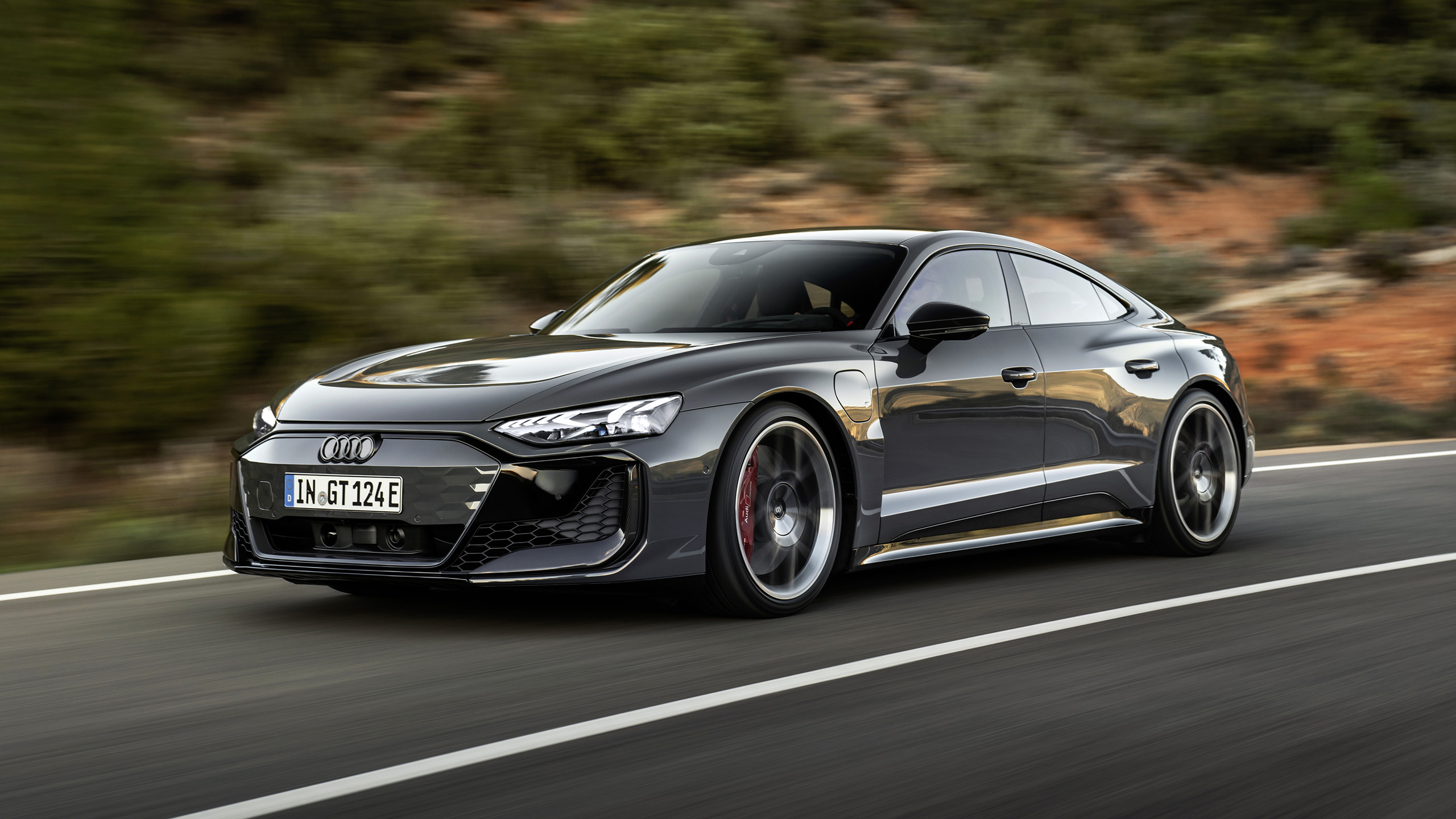
| e-tron GT (Standard) | 3.9 - 4.1 | Low Center of Gravity / Aero |
| ICE Luxury SUV (Typical) | 5.8 - 6.5 | Transmission Shift Lag |
Note: Performance times are estimates based on manufacturer specifications and independent testing under ideal environmental conditions. Actual results may vary based on vehicle age, tire condition, and altitude.
Maintenance and Long-Term Performance
Maintaining a consistent 5-second acceleration performance requires more than just a charged battery; it requires the mechanical health of the drivetrain components.
- Coolant Loops: The e-tron uses multiple cooling loops. If these loops become contaminated or if the coolant level drops, the battery may overheat faster during spirited driving, leading to premature power throttling.
- Software Updates: Audi frequently releases over-the-air (OTA) updates or service-center updates that optimize the motor control unit (MCU) logic. These updates often improve thermal management efficiency, ensuring that peak performance is accessible for longer durations.
- Alignment and Suspension: The e-tron is a heavy vehicle. Proper wheel alignment is critical to ensure that when the massive torque is applied, the power is directed to forward motion rather than fighting uneven tire scrubbing, which can negatively affect the traction control system.
Common Misconceptions
A frequent point of confusion for new owners involves the difference between "rated" power and "available" power. Many believe that the vehicle should always deliver its peak performance regardless of settings. However, in standard driving modes (e.g., Comfort or Efficiency), the vehicle intentionally maps the accelerator pedal to be less sensitive. This is a deliberate choice to enhance passenger comfort and extend range.
If you are not experiencing the expected acceleration, ensure the drive mode selector is firmly in 'Sport' or 'Dynamic' mode, and that the gear selector is in 'S.' Without these settings, the car is designed to prioritize power smoothing over aggressive torque delivery.
Frequently Asked Questions
Can cold weather affect my e-tron’s 0-60 time?
Yes, significantly. Cold temperatures increase the internal resistance of the lithium-ion battery. Even if the battery shows a high state of charge, the "cold soak" makes it harder for the battery to output high bursts of current, which will noticeably lengthen your 0-60 sprint time.
Does the e-tron lose performance as the battery gets older?
Over several years, battery degradation is a natural phenomenon in all EVs. While the Audi battery management system (BMS) does an excellent job of balancing cell health, a high-mileage battery may not sustain peak voltage as well as a newer unit, potentially leading to a slight degradation in total power output during extreme demand.
Why does my car feel faster at 50% charge than at 10%?
The voltage of a battery pack follows a curve. As the chemistry is depleted, the nominal voltage drops. Since power is a function of voltage multiplied by current, a lower voltage means the total available power is physically lower, regardless of what the motor is capable of handling.
How often can I perform full-power launches?
The e-tron is not designed as a drag-strip vehicle, but it can handle multiple launches in a short window. However, repeated use will cause the cooling system to work at its maximum capacity. If you push the vehicle too hard for too long, the system will protect itself by reducing power—a condition that resolves once the vehicle returns to a cruising speed with sufficient airflow.
Is 'Boost Mode' bad for the battery?
Frequent use of Boost Mode increases the thermal stress on your battery cells, which can theoretically accelerate long-term degradation. Audi has engineered significant buffers into the battery management system to mitigate this, but moderate, occasional use is always safer for long-term health than constant maximum-intensity driving.
Final Recommendation
To experience the true 0-60 performance of your Audi e-tron, ensure your tires are properly inflated and the road surface is dry and free of debris. Always verify that the battery state of charge is above 50% for maximum current delivery, and utilize the 'Dynamic' drive mode. If performance issues persist, such as a lack of response or "limp" acceleration, have the vehicle inspected at an authorized service center to check for cooling system fault codes or software updates that may be required for your specific build date.
Image Gallery