A Comprehensive Guide to Traveling by Amtrak from Virginia to New York City
Traveling by Amtrak from Virginia to New York City is a well-established transit corridor that offers a balance of comfort, scenic transit, and city-center arrivals. By utilizing the Northeast Regional or long-distance lines, passenger...
Traveling by Amtrak from Virginia to New York City is a well-established transit corridor that offers a balance of comfort, scenic transit, and city-center arrivals. By utilizing the Northeast Regional or long-distance lines, passengers can bypass the complexities of I-95 traffic and regional airport security, arriving directly at Moynihan Train Hall in the heart of Manhattan.
Contents
Understanding the Amtrak Corridor from Virginia to New York
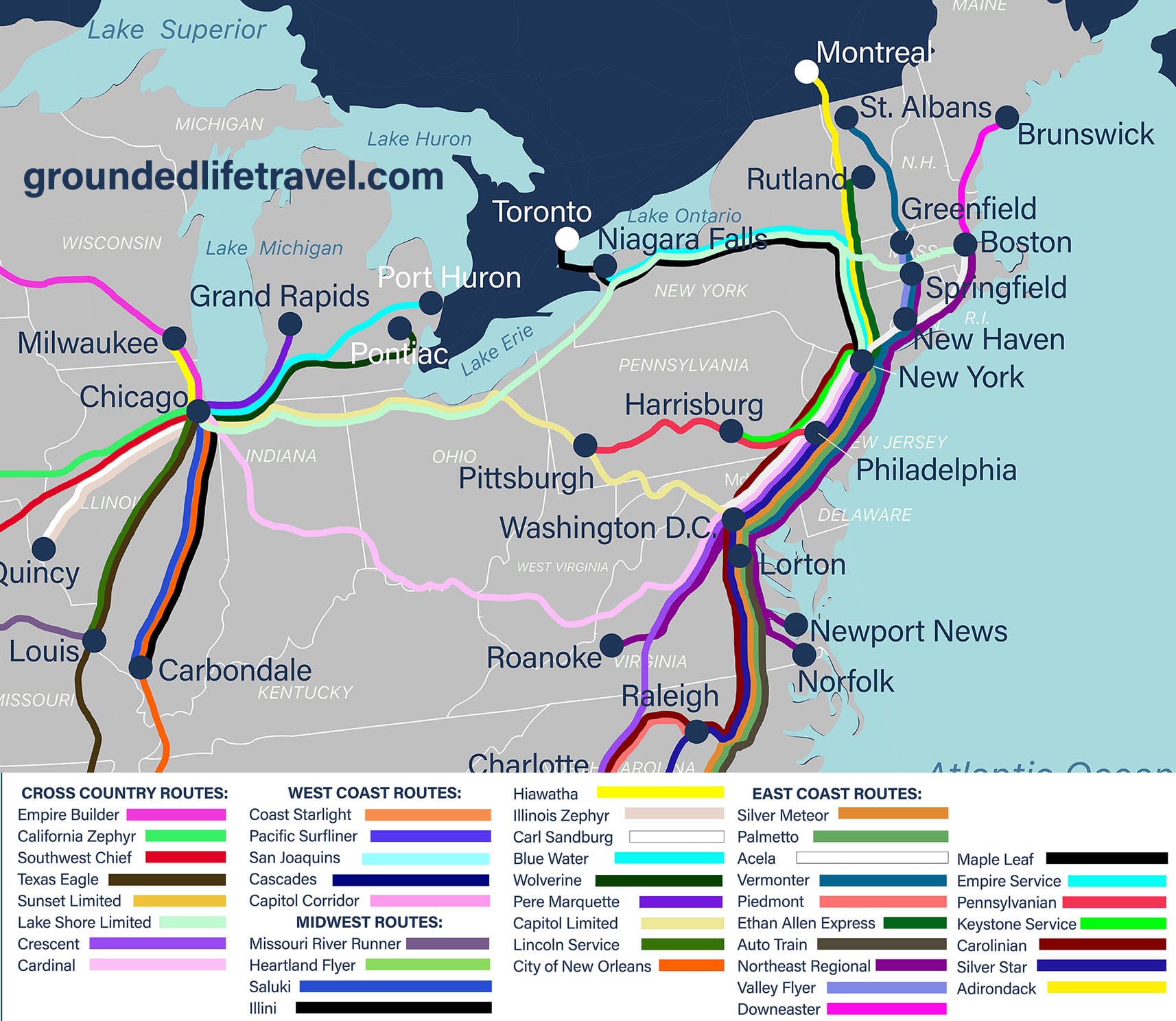
The route from Virginia to New York City is primarily served by the Northeast Regional line, which operates with high frequency, and several long-distance trains that originate further south, such as the Silver Star, the Silver Meteor, and the Carolinian. These trains navigate the busy Northeast Corridor (NEC), the most heavily traveled passenger rail line in the United States.
Because Virginia is a long, geographically diverse state, your experience depends heavily on your departure point. Major stations in Virginia include Alexandria, Fredericksburg, Richmond (Staples Mill Road and Main Street Station), Petersburg, and Newport News. Regardless of the specific starting point, all northbound trains transition through Washington, D.C.’s Union Station before heading north through Baltimore, Philadelphia, and finally terminating or passing through New York City.
Planning Your Trip: Booking and Ticketing
As of 2026, Amtrak utilizes a dynamic pricing model. Fares are influenced by demand, the time of booking, and the class of service. To secure the most favorable rates, booking at least two to four weeks in advance is recommended.
- Digital Ticketing: Amtrak’s mobile application and website are the primary tools for booking. You receive a digital barcode that serves as your ticket, which is scanned by conductors onboard.
- Class Selection:
- Coach: Offers wide, reclining seats with generous legroom, power outlets, and no middle seats.
- Business Class: Provides extra legroom, bonus Amtrak Guest Rewards points, and often a more dedicated seating environment on regional trains.
- Private Rooms (Roomette/Bedroom): Available on long-distance trains. These include lie-flat bedding and access to meal services, though they are rarely necessary for the relatively short duration of the Virginia-to-NYC transit.
- Flexibility: Amtrak offers different fare types (Value, Flexible, Business). If your plans are uncertain, "Flexible" fares allow for penalty-free cancellations and full refunds to your original payment method, whereas "Value" fares may limit you to an e-Voucher for future travel if cancelled.
Navigating the Virginia Departure Experience
Departing from a Virginia station requires less lead time than an airport, but operational awareness is still necessary. At larger stations like Alexandria or Richmond Staples Mill, there are dedicated station buildings with climate-controlled waiting areas and station staff. At smaller platforms, the infrastructure may be minimal.
- Arrival Time: It is generally suggested to arrive at least 30 minutes before your scheduled departure. While you do not need to clear TSA-style security, boarding can close several minutes before the train departs.
- Baggage Policies: Amtrak’s generous baggage policy allows for two carry-on items and two personal items free of charge. Unlike airlines, there are no liquid restrictions, and you may bring your own food and non-alcoholic beverages onboard. If you have oversized luggage, check whether your specific station offers checked baggage service, as not all Virginia stops are equipped for this.
Life Onboard: What to Expect
The journey from Virginia to New York City takes anywhere from five to nine hours depending on your origin station. Once on the train, the experience is designed for productivity and relaxation.
- Connectivity: Most Northeast Regional trains are equipped with basic Wi-Fi. While it is sufficient for checking email and browsing, it is generally not robust enough for high-bandwidth activities like video streaming or large file transfers. It is recommended to download content beforehand.
- Dining: Northeast Regional trains feature a Café Car, which sells light meals, snacks, and beverages. If you are traveling on a long-distance train (like the Silver Service), you may have access to a Dining Car with hot meal service, depending on your class of ticket.
- The Cabin Environment: The cars are climate-controlled, but temperatures can vary. Bringing a light jacket or travel blanket is common practice among frequent commuters. Passengers are encouraged to observe "Quiet Car" rules if their train designates a specific car for silent travel.
Comparative Transit Table: Amtrak vs. Other Modes
| Feature | Amtrak (Train) | Airline (Flight) | Driving (Personal Car) |
|---|---|---|---|
| Arrival Point | Midtown Manhattan | JFK/LGA/EWR | Variable (Parking costly) |
| Security | Minimal | Stringent (TSA) | None |
| Reliability | Moderate (Weather/Traffic) | Variable (Flight delays) | Low (I-95 congestion) |
| Productivity | High (Wi-Fi/Space) | Low | None |
| Cost | Mid-range | Variable | High (Fuel/Tolls/Parking) |
Reaching New York City: The Arrival
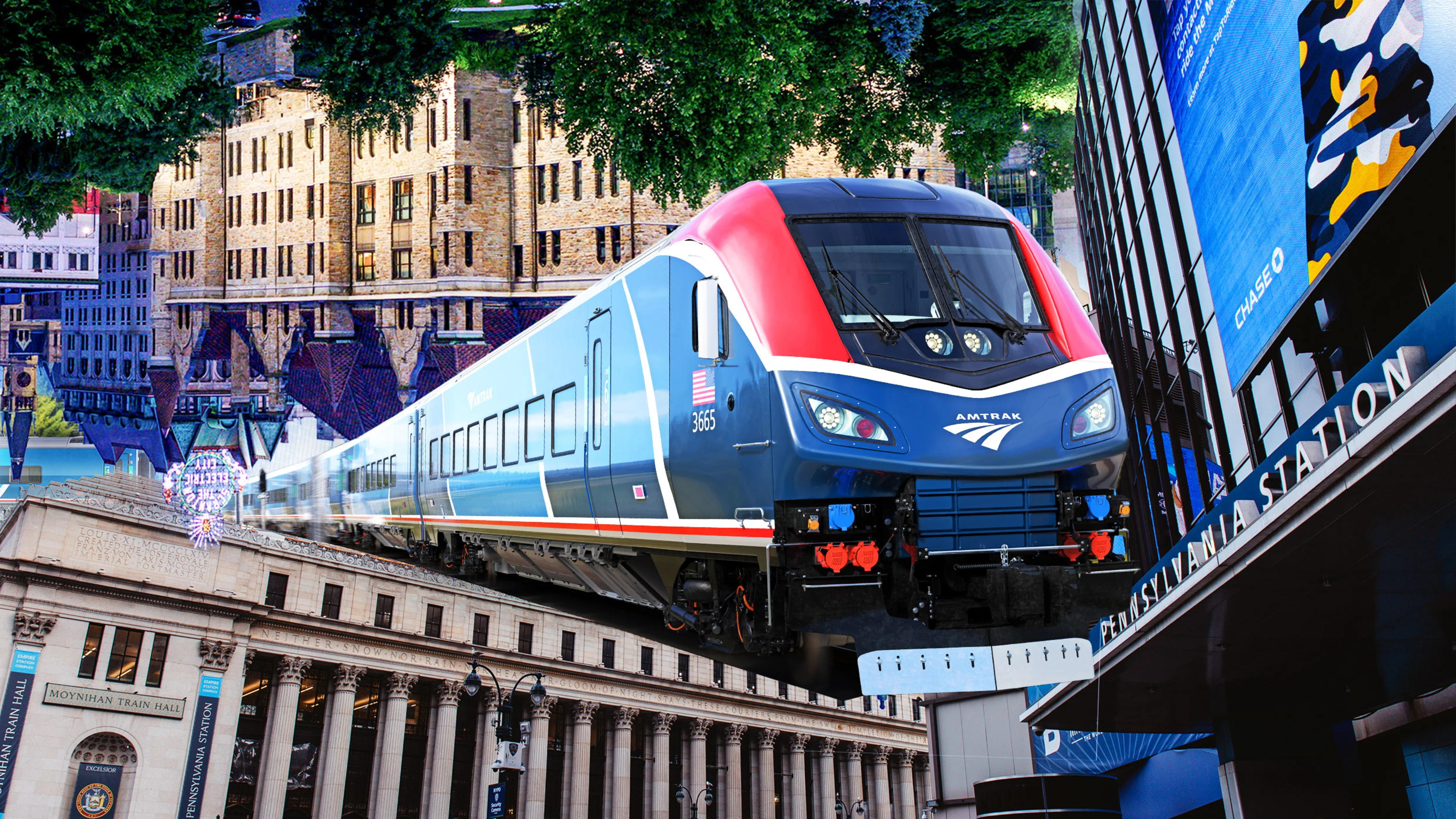
All Amtrak trains entering New York City terminate at Moynihan Train Hall, an expansion of the historic Pennsylvania Station (Penn Station). This is a significant advantage; you are deposited directly in the middle of Manhattan at 8th Avenue and 31st Street.
Upon arrival, you are within walking distance of many subway lines (A, C, E, 1, 2, 3), making it easy to transition to your final destination in the city. If you require a taxi or ride-share, there are designated pickup zones outside the station, though navigating the midtown traffic is often the most time-consuming part of the final leg of the journey.
Frequently Asked Questions
1. Is Amtrak pet-friendly for the Virginia to NYC route? Yes, Amtrak allows small dogs and cats on most Northeast Regional trains. You must book a pet ticket in advance, and the pet must remain in a carrier under your seat. There are strict weight limits (usually 20 lbs including the carrier) and requirements for the carrier size.
2. Does the train experience significant delays? While Amtrak operates on its own tracks for some segments, it often shares rails with freight operators in Virginia. Delays can occur due to freight traffic or signal maintenance. It is advisable to check the "Track Your Train" feature on the Amtrak website or app on the day of travel.
3. Do I need to print my ticket? No. Amtrak uses e-tickets that can be scanned directly from your smartphone. It is, however, prudent to have a screenshot of your ticket or the email confirmation saved offline in case of cellular connectivity issues at the station.
4. Are there power outlets at every seat? Yes. Every seat on the Northeast Regional trains is equipped with at least one standard 120V power outlet. It is helpful to bring a multi-port charger if you are traveling with multiple devices.
5. Is there a way to store my luggage if I arrive early in NYC? Yes. Moynihan Train Hall has baggage storage services, and various third-party luggage storage apps operate near Penn Station. This is useful if you arrive in the morning but cannot check into your hotel until the afternoon.
Practical Recommendations for Success
To ensure a smooth trip, focus on the "first and last mile." Research your parking situation at the Virginia station well in advance, as parking lots at stations like Alexandria or Richmond can fill up during peak travel days. Conversely, pre-plan your exit from Moynihan Train Hall; knowing which subway entrance or street exit is closest to your hotel will save you time navigating the crowded station concourse. Always monitor your email for "Amtrak Service Alerts," as these are the most reliable way to receive real-time notifications about schedule changes or platform assignments.
Image Gallery