A Guide to Navigating Ocala Florida Mold Remediation
When you discover mold in your Ocala, Florida property, the process of remediation requires a systematic approach involving assessment, professional intervention, and structural restoration. To effectively navigate this, prioritize ide...
When you discover mold in your Ocala, Florida property, the process of remediation requires a systematic approach involving assessment, professional intervention, and structural restoration. To effectively navigate this, prioritize identifying the moisture source, selecting a licensed remediation specialist, and ensuring that post-remediation verification testing confirms your home is safe for occupancy.
Contents
Understanding the Ocala Climate and Mold Risks
Ocala’s location in North Central Florida places it within a high-humidity environment characterized by significant annual rainfall and warm temperatures. These conditions create an ideal habitat for mold growth, particularly when coupled with interior moisture issues such as roof leaks, plumbing failures, or inadequate HVAC ventilation. Because Florida does not issue a specific state-level license exclusively for "mold remediation," residents must rely on certifications and industry standards to identify qualified professionals.
When approaching mold remediation in this region, recognize that the goal is not to "remove all mold"—as mold spores are ubiquitous—but to control the environment so that mold colonies do not proliferate. Successful navigation of the remediation process depends on moving quickly once growth is identified to prevent structural degradation and health-related concerns.
Phase 1: Assessment and Professional Identification
Before beginning physical remediation, you must determine the extent of the contamination. Do not assume all mold requires an emergency full-scale abatement; however, if the affected area exceeds 10 square feet, the Environmental Protection Agency (EPA) generally recommends professional intervention.
- Source Tracking: Locate the water intrusion. If you treat the mold but fail to stop the leak, the mold will inevitably return. Check attics for roof damage, crawlspaces for ground-water seepage, and interior walls for hidden plumbing leaks.
- Independent Testing: Hire an independent indoor environmental professional (IEP) to conduct air and surface samples. It is vital to separate the testing phase from the remediation phase. A conflict of interest may arise if the same company that performs the testing also bids on the remediation work.
- Reviewing Credentials: Since Florida law requires professional licenses for contractors performing work that involves altering the building structure, verify that your selected remediation company carries appropriate general liability and pollution insurance. Ask for certifications from recognized bodies, such as the Institute of Inspection, Cleaning, and Restoration Certification (IICRC).
Phase 2: The Remediation Process
Professional remediation involves more than simply wiping surfaces. It follows a rigorous technical protocol designed to isolate the area and prevent cross-contamination to unaffected rooms.
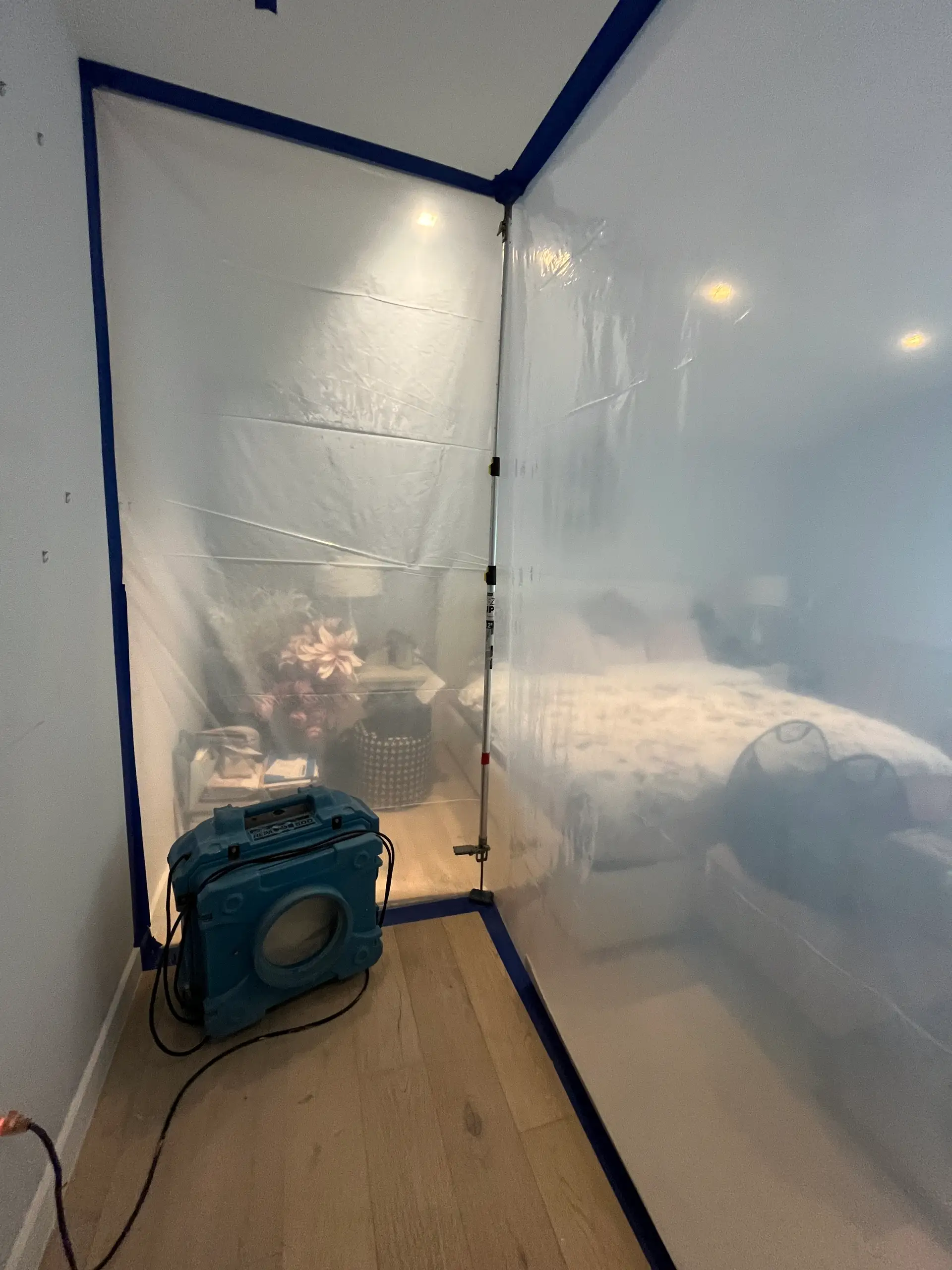
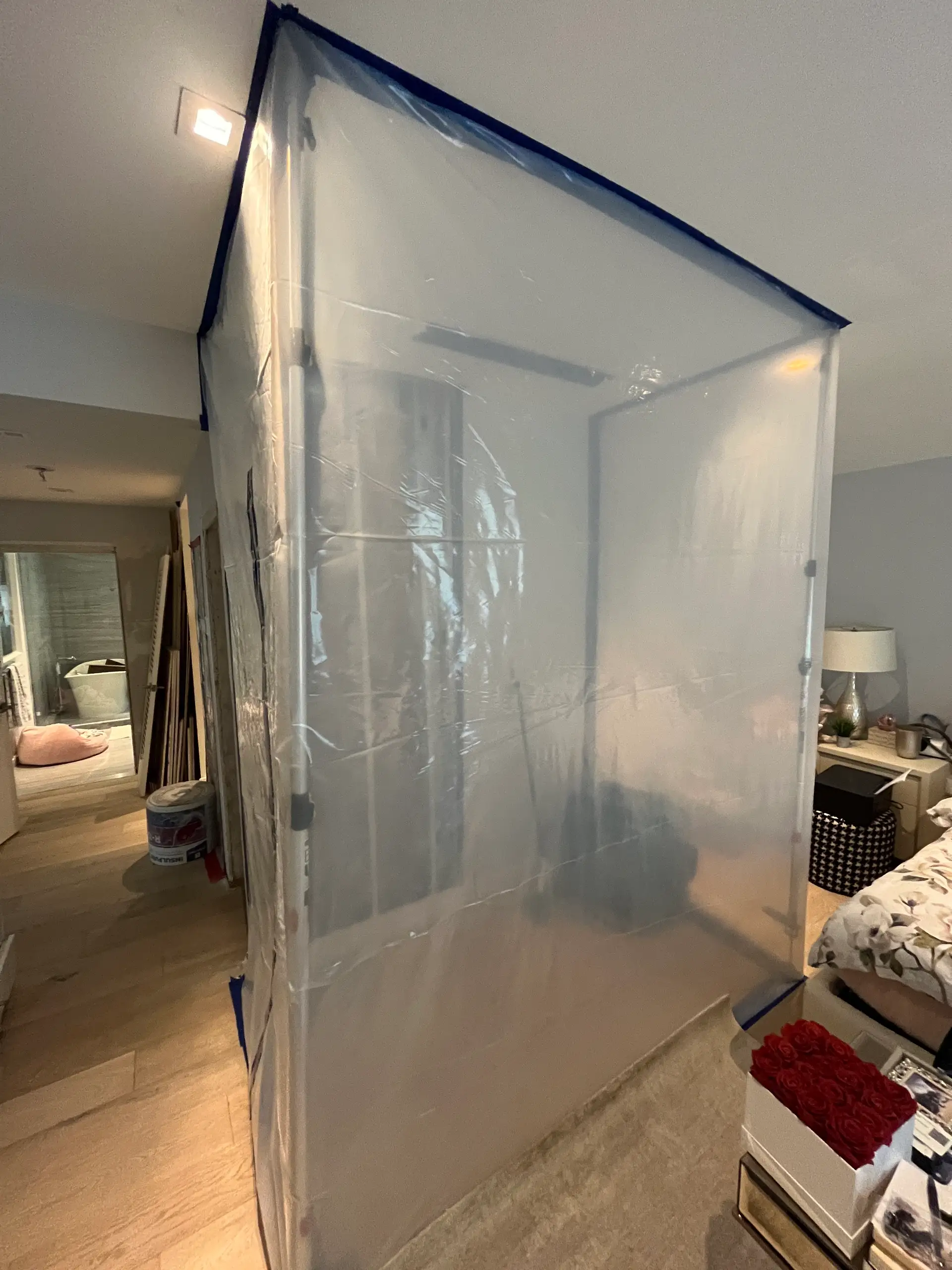
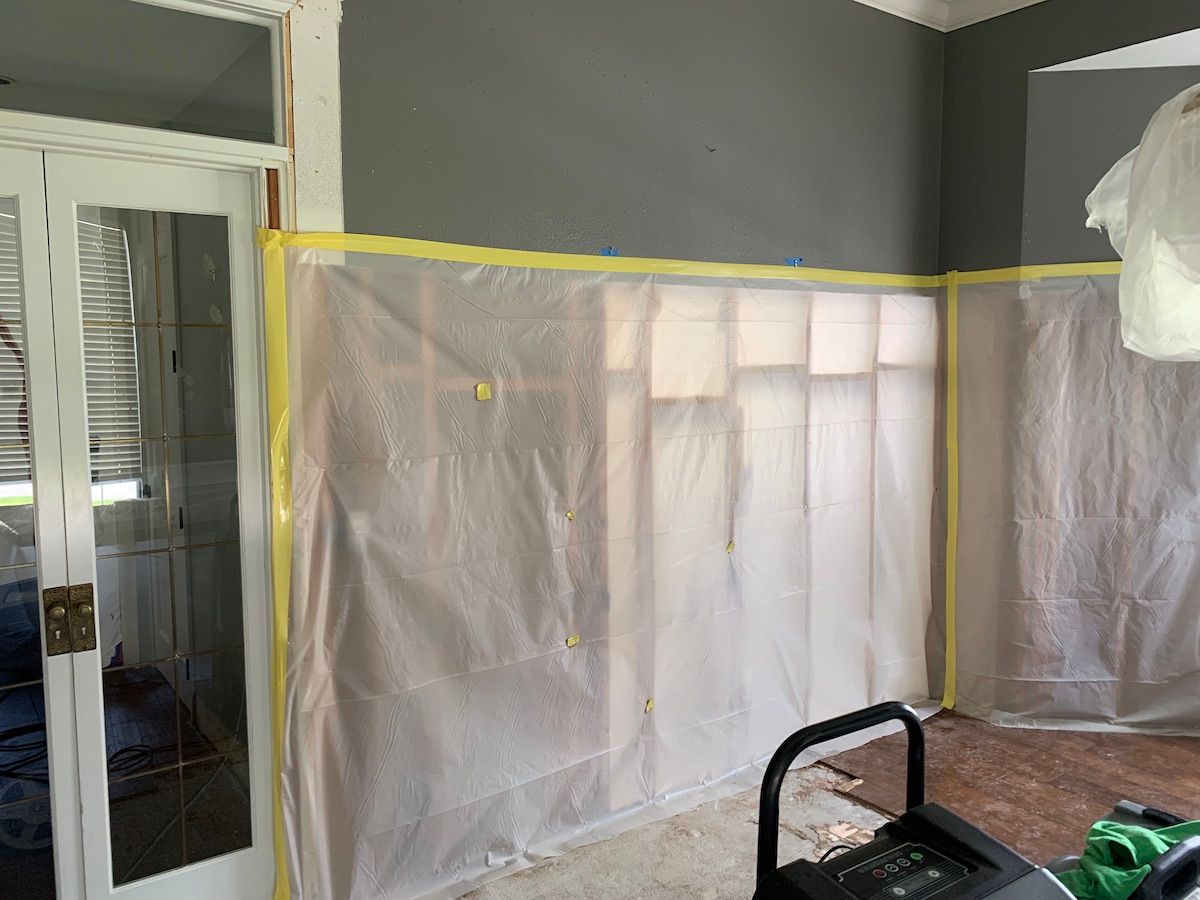
- Containment: The team will establish physical barriers, usually 6-mil polyethylene sheeting, to create a negative-air pressure environment. This ensures that when they disturb the materials, spores do not drift into your HVAC system or adjacent living spaces.
- HEPA Filtration: High-Efficiency Particulate Air (HEPA) scrubbers must run continuously during the work to filter the air of microscopic spores.
- Material Removal and Cleaning: Porous materials that are deeply impacted—such as drywall, insulation, and carpeting—usually must be removed and disposed of in sealed bags. Non-porous surfaces like wood framing or concrete may be treated with EPA-registered antimicrobial agents.
- Encapsulation: In some instances, after thorough cleaning and drying, professionals apply an encapsulant—a specialized sealant—to wood studs to prevent future mold growth should moisture levels fluctuate.
Phase 3: Verification and Restoration
Once the remediation company announces the project is complete, do not proceed to restoration (like drywall repair or painting) until you have received clearance.
Verification involves a post-remediation clearance test, performed by your original independent IEP. They will re-test the air and perform a visual inspection of the containment zone. If the spore counts remain high, the remediation company must return to perform further cleaning at no additional cost per their scope of work. Only after the IEP provides a written "Clearance Report" should you hire a general contractor to rebuild the affected walls or flooring.
Summary of Professional Roles
| Professional | Role in Remediation | Why They Are Required |
|---|---|---|
| Indoor Environmental Professional (IEP) | Assessment and Testing | Provides unbiased data on mold types and concentrations. |
| Remediation Specialist | Containment and Cleaning | Executes the physical removal of mold per industry standards. |
| Plumber or Roofing Contractor | Source Repair | Stops the root cause of the moisture intrusion. |
| General Contractor | Restoration | Rebuilds the home after mold is verified as removed. |
Practical Guidance for Homeowners
Navigating mold remediation involves managing costs, time, and documentation. Keep a detailed log of all communications, invoices, and photos of the affected areas.
- Insurance Considerations: Contact your homeowner’s insurance provider early. While many policies in Florida exclude mold damage unless it resulted from a "covered peril" (such as a sudden pipe burst), some policies provide limited mold coverage. Do not assume your policy covers mold caused by long-term maintenance neglect.
- Documentation: Ensure that all contracts clearly define the "Scope of Work," including the specific areas to be treated, the containment methods to be used, and the agreement to perform a final post-remediation verification.
- Avoid DIY Oversights: While small, isolated mold patches on non-porous items can be cleaned with water and detergent, avoid using bleach on porous surfaces. Bleach only kills the surface mold but does not penetrate porous materials like drywall, and the water content in bleach can actually fuel deeper root growth.
Frequently Asked Questions
Does Florida have a state license for mold remediators? Florida does not issue a specific "mold remediation license." However, the state does regulate companies through the Florida Department of Business and Professional Regulation (DBPR) for general contracting and building services. Always verify that your hired professional has the appropriate insurance and specific mold-related certifications from industry organizations.
What is the difference between a mold inspector and a mold remediator? An inspector (or IEP) acts as a third party who diagnoses the extent of the problem and verifies when it is solved. A remediator is a contractor who performs the physical work. It is best practice to keep these two roles separate to ensure the inspector remains objective and isn't incentivized to find "more" mold to remediate.
Is air duct cleaning necessary if I have mold? If mold spores have migrated into the HVAC system, professional duct cleaning is essential. However, verify with your inspector that there is actual contamination in the ducts before paying for this service. Often, cleaning the vents is sufficient if the main system is not colonized.
How can I tell if my remediation was successful? Success is not determined by the visual absence of mold, but by the results of post-remediation air and surface testing. The clearance report provided by your independent inspector, confirming that indoor spore counts are comparable to or lower than outdoor levels, is the gold standard for success.
What if I have an ongoing leak? Never initiate remediation until the leak is fixed. Starting the remediation process before a plumber or roofer has resolved the moisture issue will lead to the rapid return of mold, wasting your financial investment.
Next Action: Initiating the Process
If you suspect mold, your immediate next step is to document the area with photographs and contact an independent Indoor Environmental Professional. By starting with a professional inspection rather than calling a remediation company directly, you establish a factual baseline for the extent of the damage. This documentation will be essential if you need to file an insurance claim or monitor the effectiveness of the remediation work as you move toward a clean, healthy living environment.
Image Gallery