Navigating Global Roads: A Guide to Left vs Right Side Driving
The fundamental distinction between left-side and right-side driving refers to the side of the road on which traffic must flow, dictating both the placement of the driver’s seat in the vehicle and the standard patterns for overtaking a...
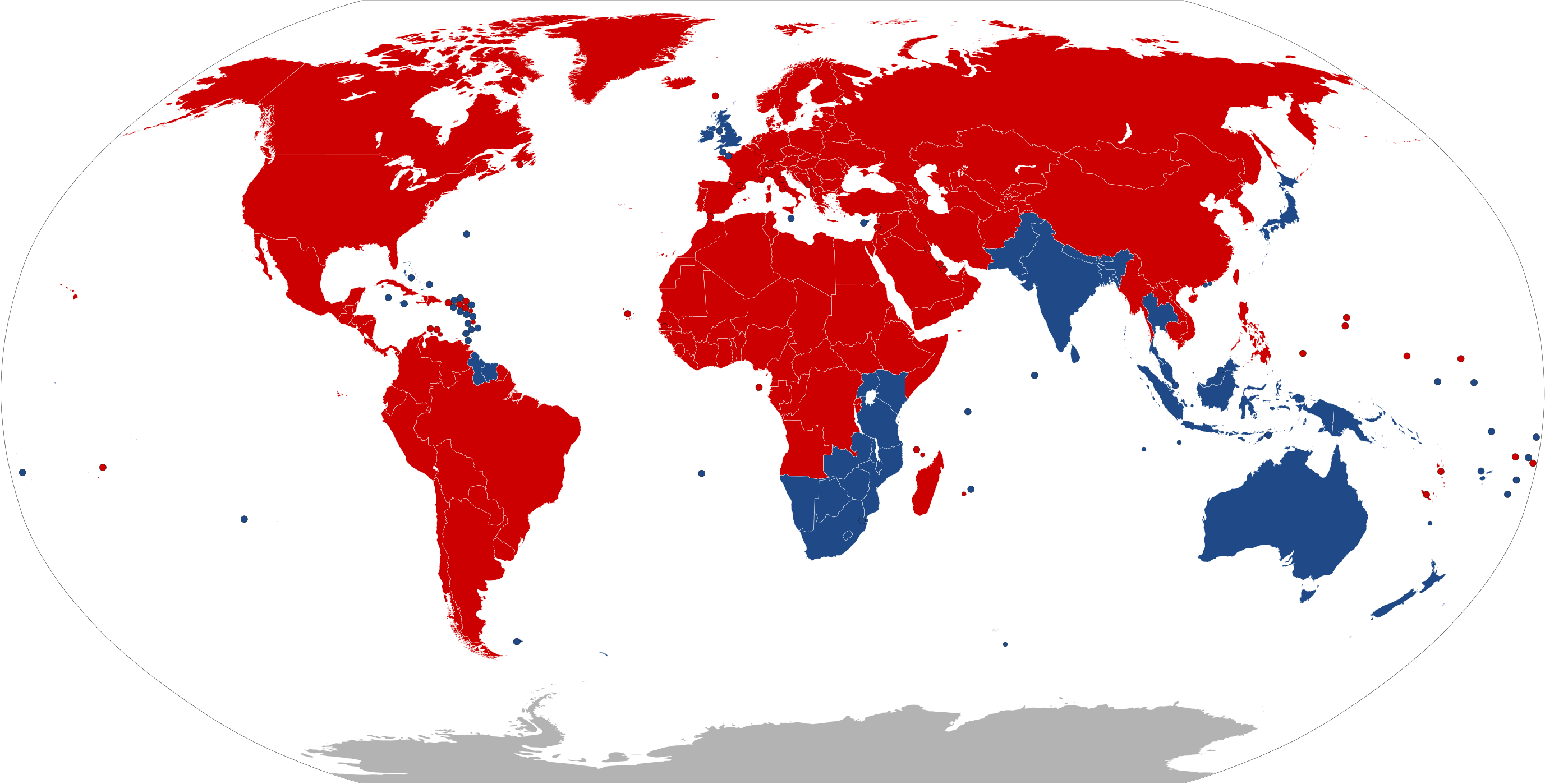
The fundamental distinction between left-side and right-side driving refers to the side of the road on which traffic must flow, dictating both the placement of the driver’s seat in the vehicle and the standard patterns for overtaking and intersections. Approximately 65% of the world's population resides in countries where right-side driving is the law, while the remaining 35%—primarily in former British territories—adhere to left-side driving.
Contents
The Global Distribution of Driving Sides
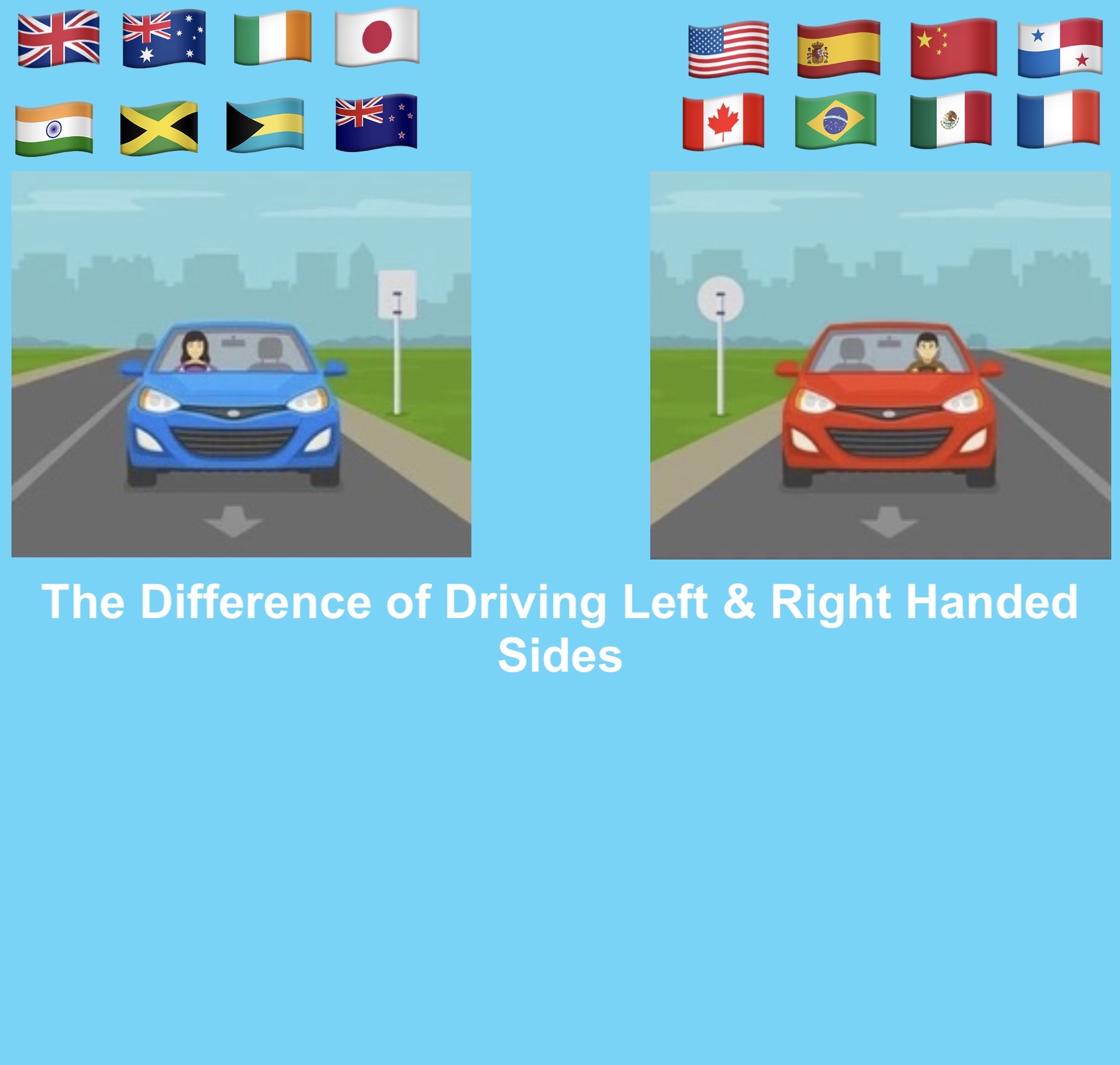
Traffic laws are deeply rooted in historical, colonial, and geopolitical influences rather than purely mechanical or safety-based necessity. Right-side driving, where the vehicle is typically operated from the left side of the cabin, is the global norm. Left-side driving, where the driver sits on the right side of the vehicle, is common in the United Kingdom, Japan, Australia, India, and several nations across Southern Africa and the Caribbean.
The "side of the road" convention is codified by national road traffic acts. When traveling between jurisdictions with differing rules, the primary challenge for a motorist is not necessarily the mechanics of the vehicle, but the psychological adjustment to lane positioning, roundabout direction, and the relative speed of oncoming traffic.
Historical Context and Standardization
The shift toward right-side driving gained significant momentum during the 19th and 20th centuries. In many European nations, the adoption of right-hand traffic was influenced by the Napoleonic Wars and the subsequent standardization of road rules across the continent. Conversely, countries that remained part of or were heavily influenced by the British Empire generally retained the left-side convention.
Interestingly, many nations have shifted their orientation over time for regional compatibility. For example, Sweden famously switched from left-side to right-side driving on September 3, 1967, an event known as Dagen H (H-Day), to align with its neighbors and simplify cross-border trade and travel.
Mechanical and Operational Differences
While the rules of the road differ, the physical operation of a standard manual or automatic vehicle remains logically consistent. Most vehicle controls—such as the accelerator, brake, and clutch pedals—are placed in the same relative position regardless of which side the steering wheel is on. The standard sequence is: clutch (on the left, if applicable), brake (middle), and accelerator (right).
Steering Wheel Placement
The critical difference for the driver is the positioning of the steering wheel relative to the center of the road.
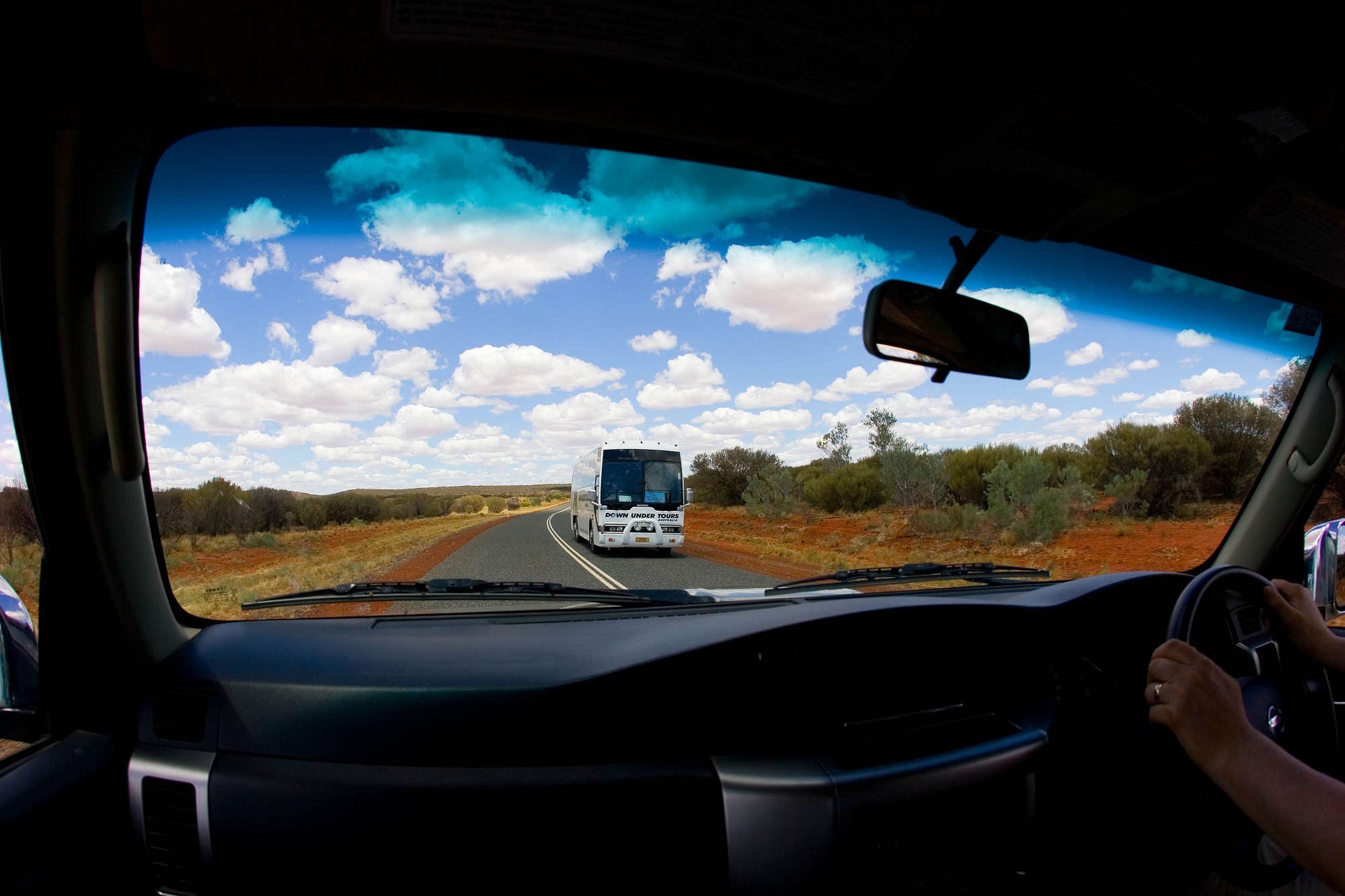
- Left-Side Driving (RHD - Right Hand Drive): The driver sits closer to the centerline of the road. This provides a better view for overtaking on single-carriageway roads, as the driver can see oncoming traffic more clearly before pulling out.
- Right-Side Driving (LHD - Left Hand Drive): The driver sits on the outer edge of the lane, closer to the curb. This is often cited as providing better visibility of the road edge and pedestrians in right-hand traffic systems.
Gear Shifting
In a manual transmission vehicle, the gear stick is always operated with the hand closest to the center of the vehicle. In a Right Hand Drive (RHD) vehicle, you shift with your left hand, while in a Left Hand Drive (LHD) vehicle, you shift with your right hand. This creates a distinct muscle memory challenge for those accustomed to only one configuration.
Comparison of Traffic Rules and Conventions
Understanding the implications of the side of the road is essential for safety, particularly when interacting with intersections and roundabouts.
| Feature | Left-Side Driving (RHD) | Right-Side Driving (LHD) |
|---|---|---|
| Primary Lane | Keep to the left | Keep to the right |
| Overtaking | Overtake on the right | Overtake on the left |
| Roundabouts | Enter and proceed clockwise | Enter and proceed counter-clockwise |
| Steering Wheel | Right side of the vehicle | Left side of the vehicle |
| Primary Markets | UK, Japan, Australia, India | USA, China, Most of Europe |
Operational Safety and Adjustments for International Drivers
When driving in a country with a different traffic orientation than your home country, the greatest risk is "automatic behavior." Drivers often revert to their ingrained habits, especially at intersections or when turning onto an empty road, leading to accidental entry into the wrong lane.
Key Strategies for Adaptation:
- Follow the Traffic Flow: Observe the vehicles in front of you. In heavy traffic, it is difficult to make a mistake if you simply follow the lane discipline of others.
- Intersection Awareness: When turning, remind yourself of the destination lane. A common error is turning into the lane closest to you (your "home" side) rather than the far lane required by the local convention.
- Roundabout Discipline: Always yield to traffic from the right in left-side driving countries, and from the left in right-side driving countries.
- Mirror Management: Ensure your mirrors are adjusted for your new seating position. Because the car is wider on the side you are not accustomed to, peripheral awareness may be slightly skewed.
- Use Automatic Transmissions: If available, renting an automatic vehicle minimizes the cognitive load of shifting gears with your non-dominant hand, allowing you to focus entirely on lane positioning.
Legal and Insurance Considerations
Before driving internationally, verify that your domestic driver’s license is valid in the destination country. Many countries require an International Driving Permit (IDP) alongside your national license. Furthermore, ensure your insurance policy covers international travel or that the vehicle rental agreement includes the necessary liability protections for the specific jurisdiction.
Frequently Asked Questions
Why does the UK drive on the left?
The convention in the UK is rooted in historical custom, likely dating back to medieval times. It is believed that travelers kept to the left to keep their sword-wielding hand free to defend themselves against passersby. This became formalized in the 18th century through various Highway Acts.
Is it difficult to switch between left and right-side driving?
It is manageable but requires high levels of concentration. Most drivers find the physical mechanics of the car easy to adapt to, but the mental habits of "lane keeping" and "looking for oncoming traffic" take several hours or days of practice to become intuitive.
Do all countries have one standard?
Yes, every country has established laws governing the direction of traffic. While some smaller territories or private estates may have unique rules, public roads are strictly regulated to maintain safety and consistency for all road users.
Can I drive an LHD car in a left-side driving country?
Yes, it is legal to drive a left-hand drive vehicle in countries that drive on the left (and vice versa), provided the vehicle is registered and roadworthy. However, it is significantly more difficult to overtake safely, and you will need to take extra precautions, such as using a passenger to assist with visibility when passing.
Why haven't all countries adopted one side?
The costs and logistical complexity of switching are prohibitive. Changing road signage, reconfiguring intersection layouts, and adjusting traffic light systems requires massive public infrastructure investment, which most governments find unnecessary as the current systems function well within their respective borders.
Recommendation for Travelers
If you are planning to drive in a country that uses the opposite traffic orientation to what you are used to, the best preparation is to book a rental car with an automatic transmission. Spend your first few hours driving in low-traffic areas or quiet residential streets to adjust your spatial perception. Avoid driving while fatigued, as the mental effort of overriding your natural instincts is high. Always carry your documentation, including a valid driver's license and, if required, an International Driving Permit, and prioritize road signs over your own navigation habits.
Image Gallery