Understanding Auto Insurance Pricing by Age Group: A Comprehensive Guide
Auto insurance pricing by age group is determined by statistical risk assessments, where insurers correlate age with driving experience, maturity, and historical accident frequency. Younger drivers typically pay the highest premiums du...
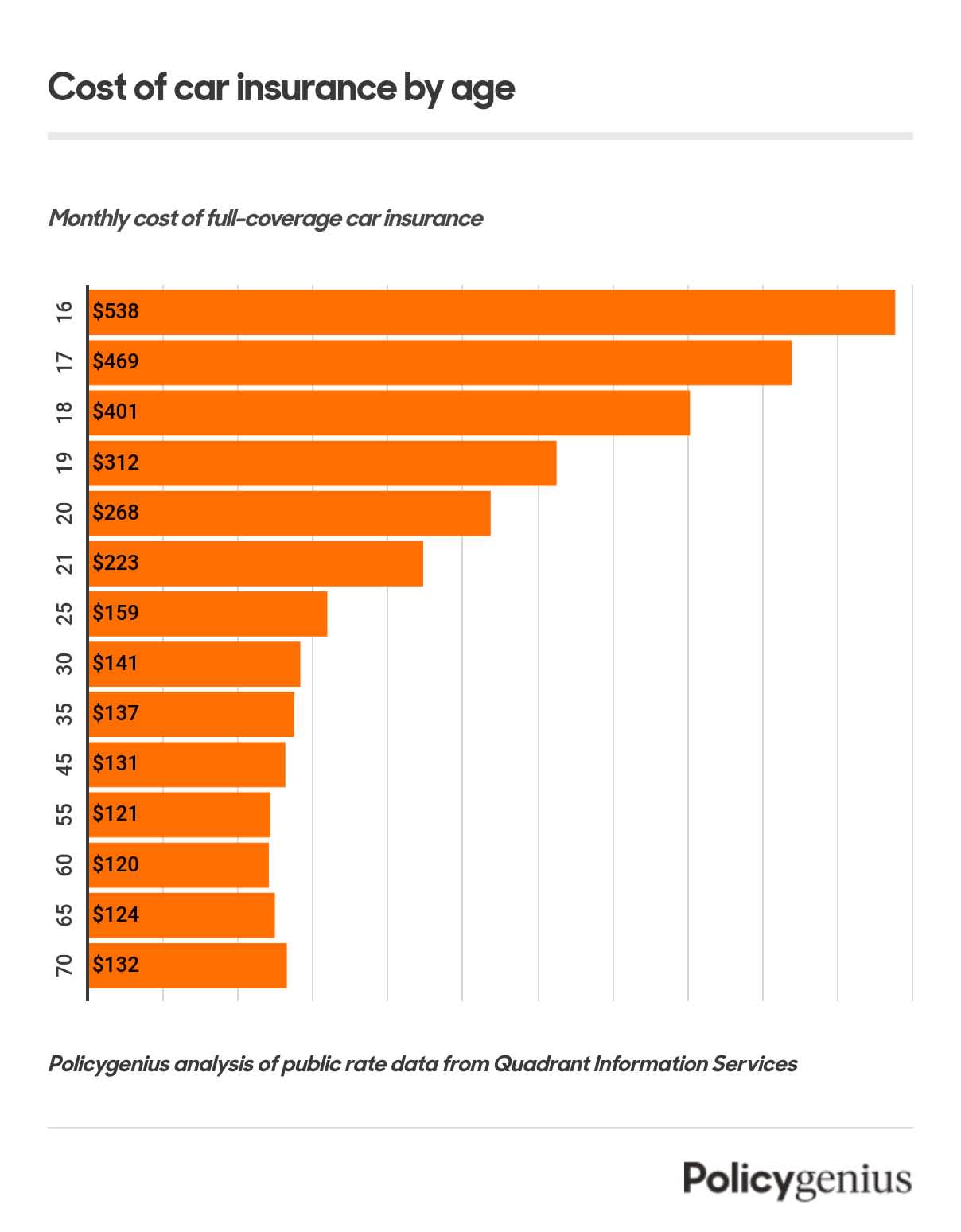
Auto insurance pricing by age group is determined by statistical risk assessments, where insurers correlate age with driving experience, maturity, and historical accident frequency. Younger drivers typically pay the highest premiums due to elevated risk profiles, while rates generally decrease as drivers gain experience and enter middle age, eventually rising again for older seniors due to health-related physical changes.
Contents
The Role of Age in Risk Modeling
Insurance companies function primarily as risk-mitigation entities. When a policyholder requests a quote, the insurer utilizes actuarial data to determine the likelihood of a future claim. Age serves as a primary variable in this model because it is a reliable proxy for cognitive development and life experience.
For a teenager, the lack of time behind the wheel translates to a lower threshold for recognizing complex road hazards. Conversely, middle-aged drivers are often viewed as the "sweet spot" for insurers; these individuals typically have years of experience, more stable daily routines, and a lower statistical likelihood of engaging in high-risk behaviors such as distracted driving or excessive speeding.
Why Younger Drivers Pay Premium Rates
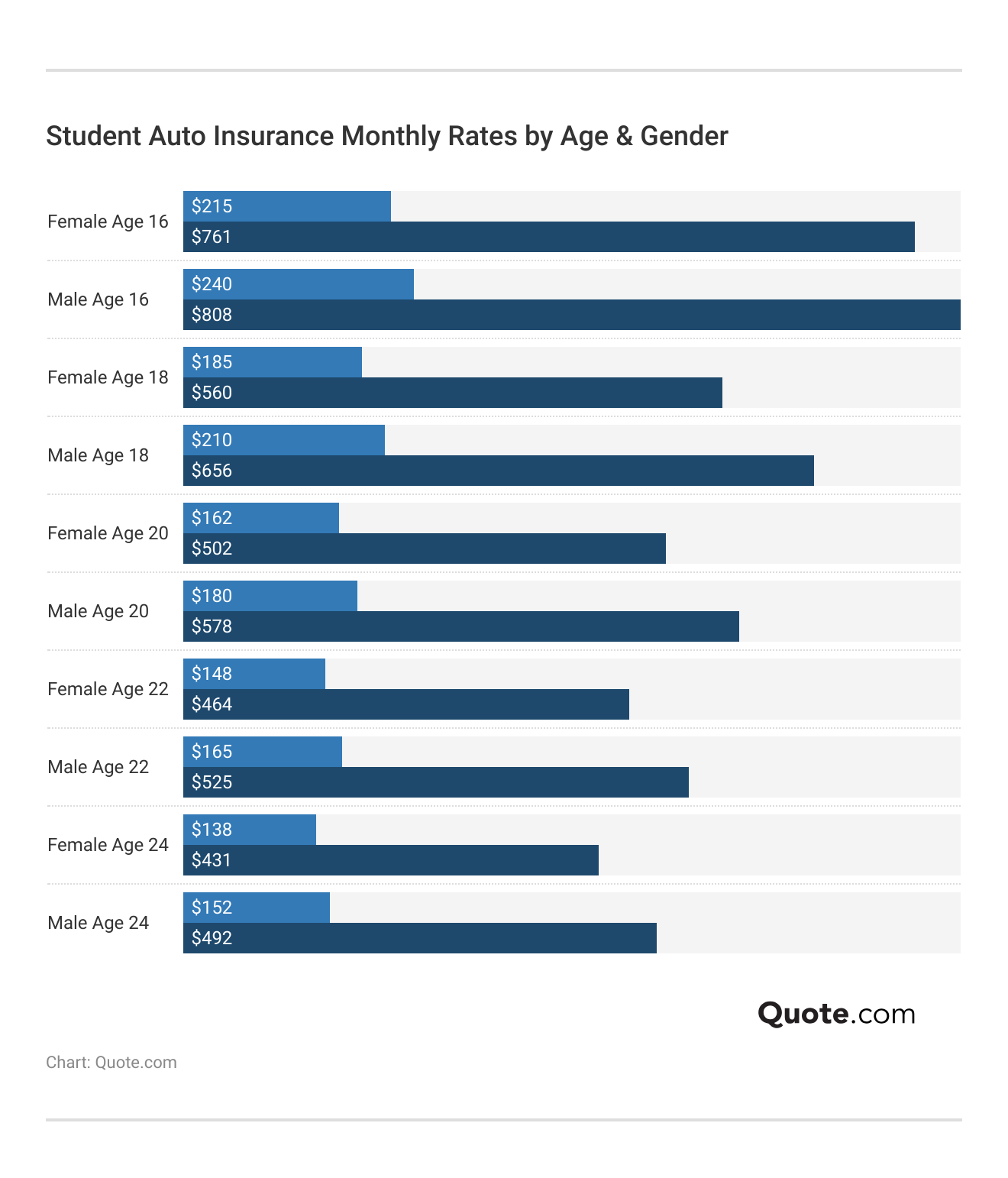
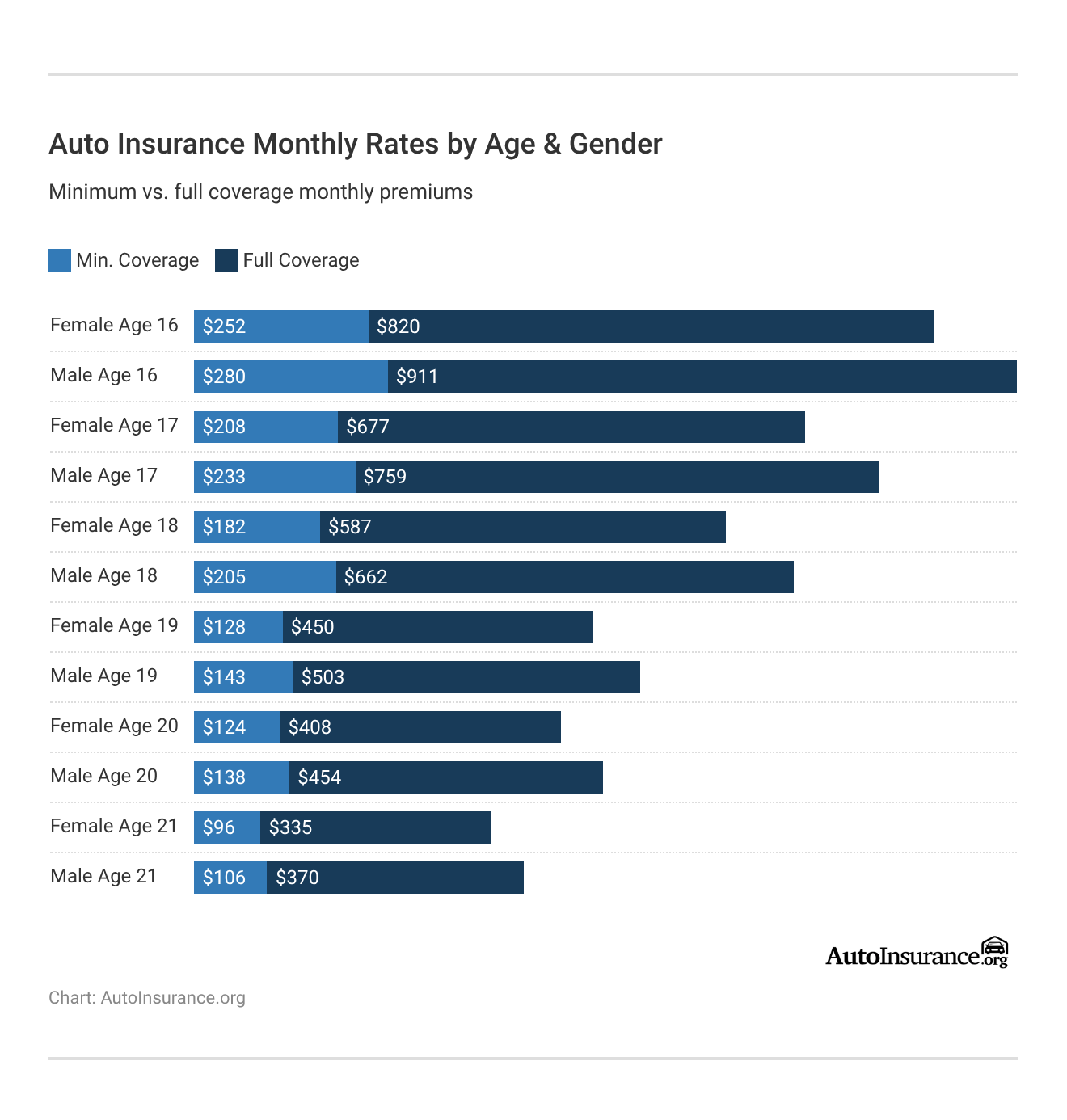
Drivers aged 16 to 19 represent the highest risk group for auto insurers. Statistical data consistently demonstrates that this demographic has the highest per-mile crash rate. This is not solely a matter of mechanical skill but also one of neurological development. Research from various traffic safety organizations indicates that the prefrontal cortex—the area of the brain responsible for impulse control and risk assessment—is often not fully developed until a driver is in their mid-20s.
Furthermore, insurers factor in "inexperience surcharges." A new driver, regardless of their actual proficiency, lacks a verifiable track record of safe driving. Until a driver accumulates a history of claims-free driving, they are viewed as a statistical unknown. While premiums are expensive during these years, they are intended to cover the elevated probability of severe incidents, which often involve multiple passengers and high-speed maneuvers.
The Mid-Life Plateau and Stability
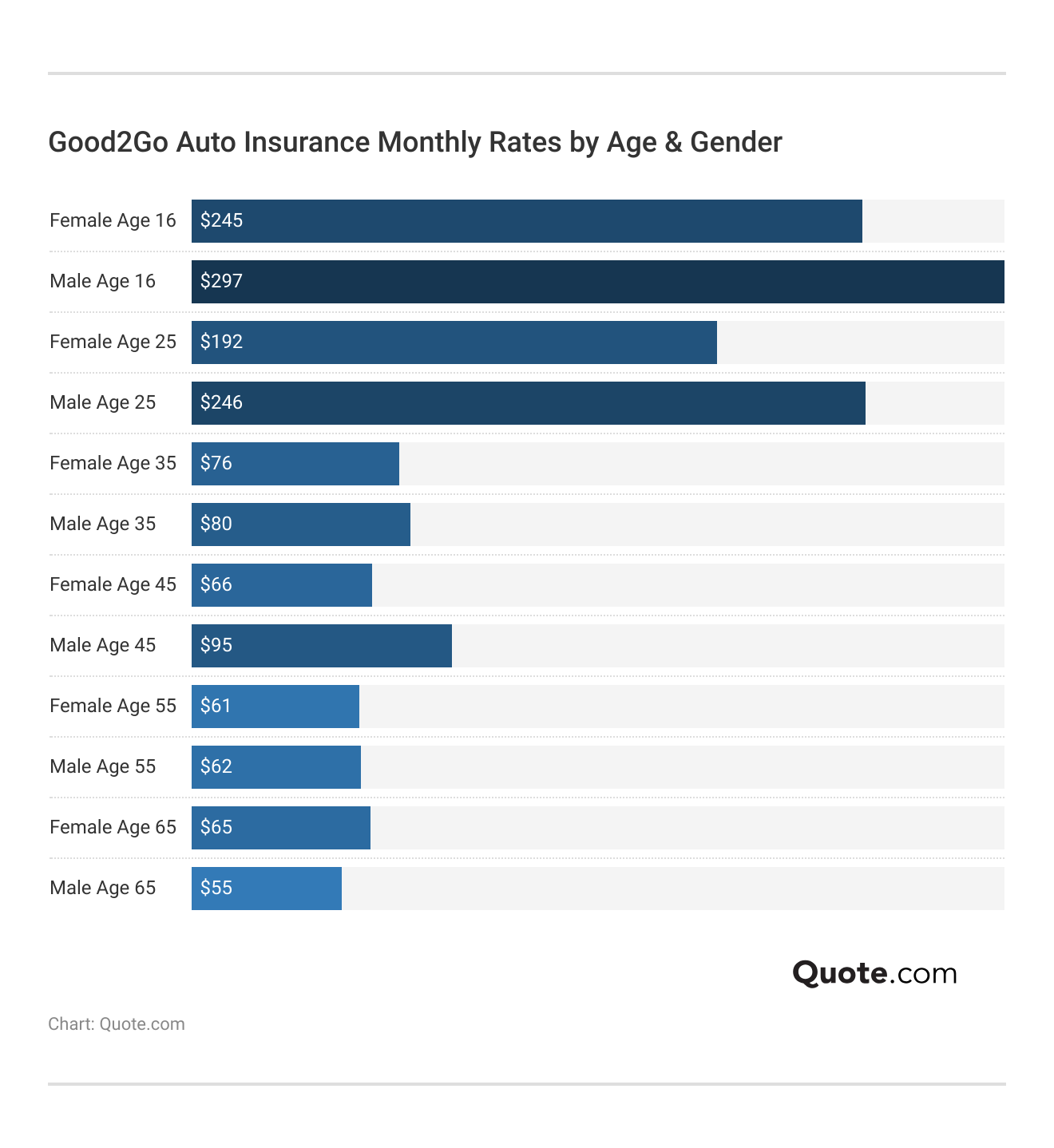
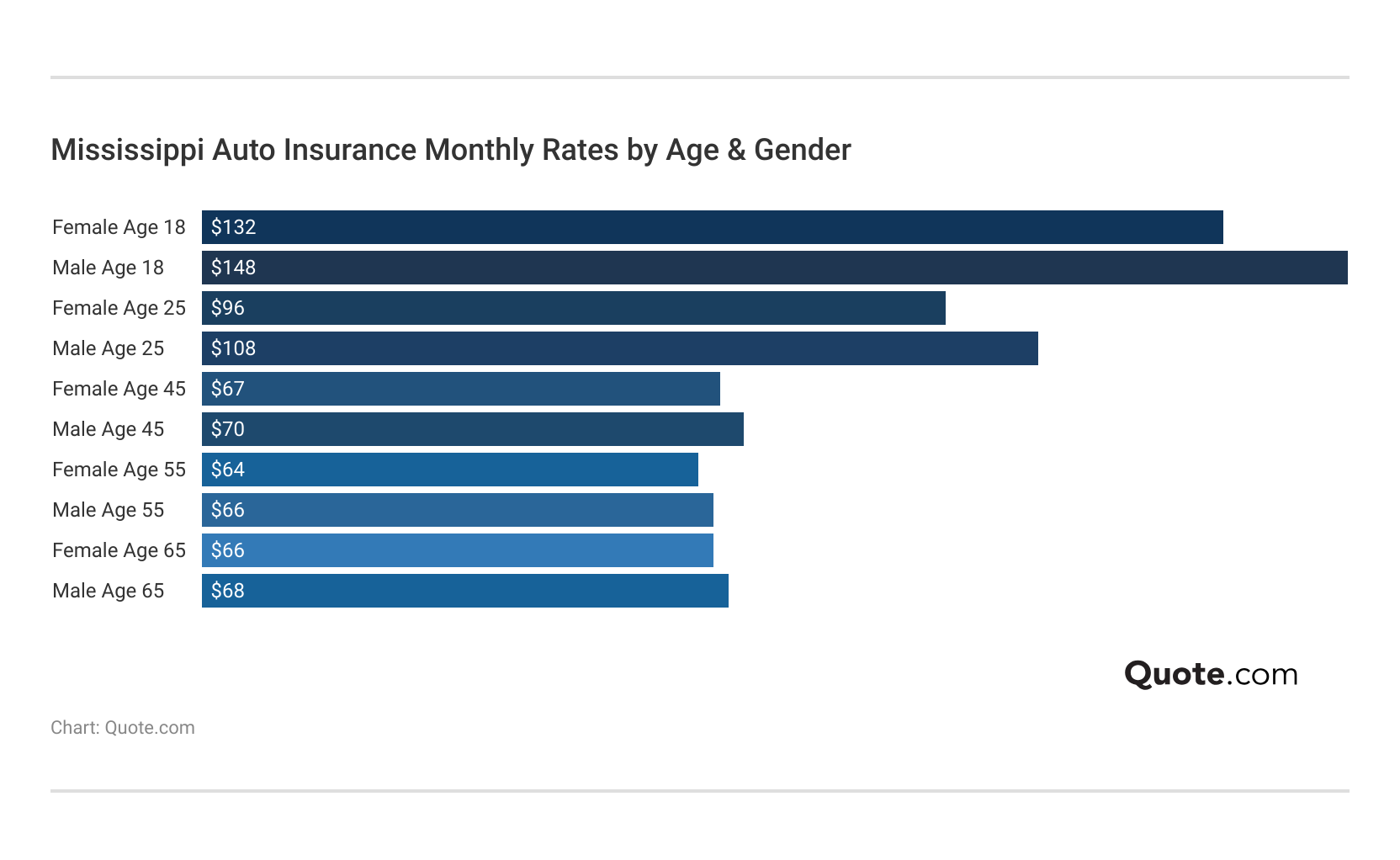
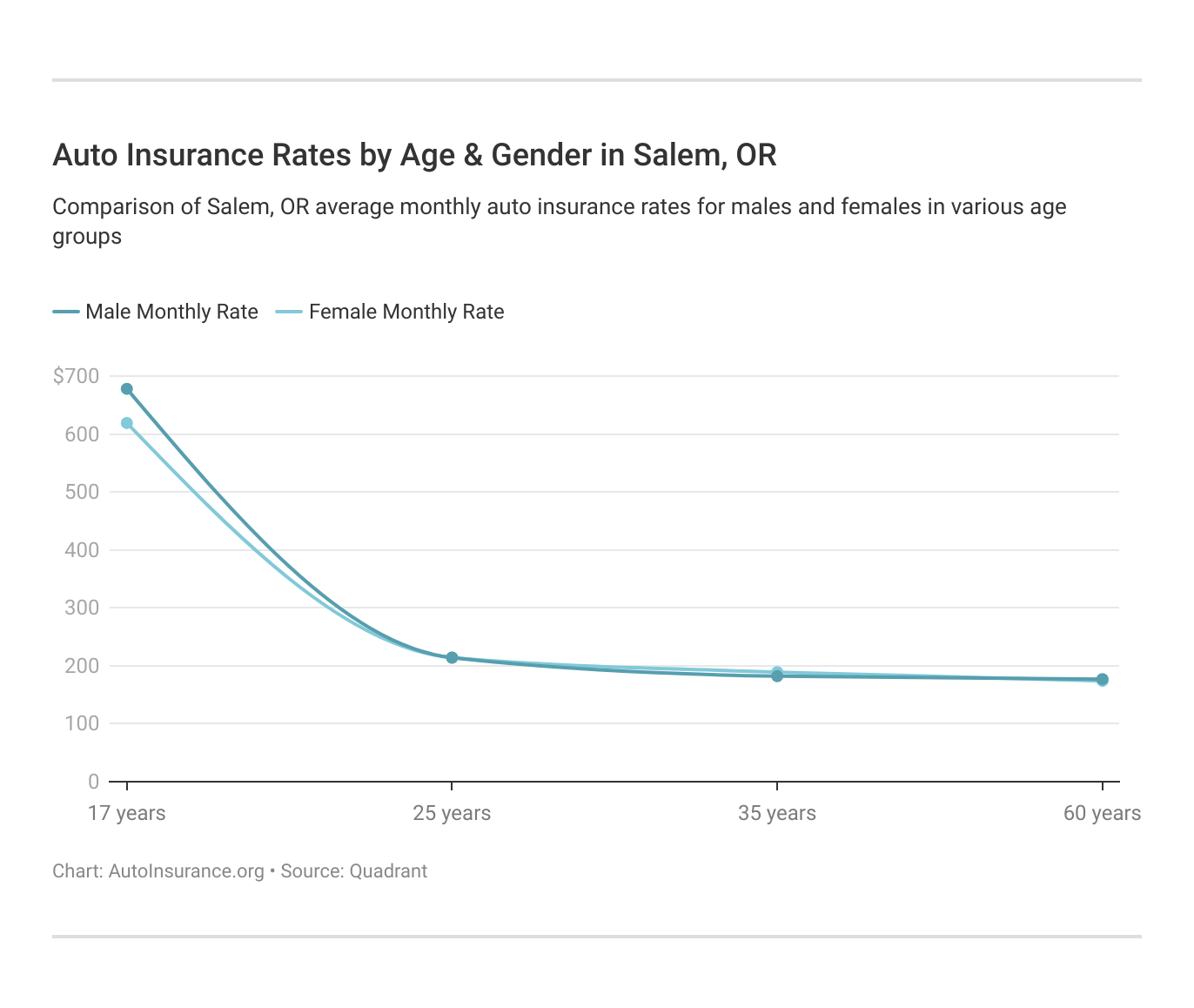
Once a driver reaches their late 20s and moves into their 30s, 40s, and 50s, the "risk curve" significantly flattens. This period of life is often marked by lower premiums, assuming the driver maintains a clean record. Insurers categorize this stage as the "stable years."
Several factors contribute to this stabilization:
- Driving Experience: By the time a driver reaches age 35, they have likely spent nearly two decades on the road, developing defensive driving habits.
- Lifestyle Changes: This demographic is more likely to commute during predictable hours and utilize vehicles equipped with modern safety features, such as collision avoidance systems and blind-spot monitoring.
- Credit Stability: In many jurisdictions, insurers incorporate credit-based insurance scores into their pricing models. Older adults are more likely to have established credit histories, which insurers correlate with higher levels of personal responsibility.
Insurance Pricing Trends for Seniors
The trend of declining premiums often reverses once a driver reaches their late 60s or 70s. While older drivers generally exhibit more caution than teenagers, physiological changes—such as diminished visual acuity, reduced reaction times, and the increased likelihood of chronic health conditions—can impact driving safety.
Insurers monitor these trends closely. In 2026, many providers offer specialized programs for older adults, such as defensive driving courses that can qualify them for rate discounts. While senior citizens may experience a gradual increase in their premiums, they are rarely penalized as severely as adolescent drivers, provided they maintain their physical and cognitive health to operate a vehicle safely.
Factors Influencing Your Premium Beyond Age
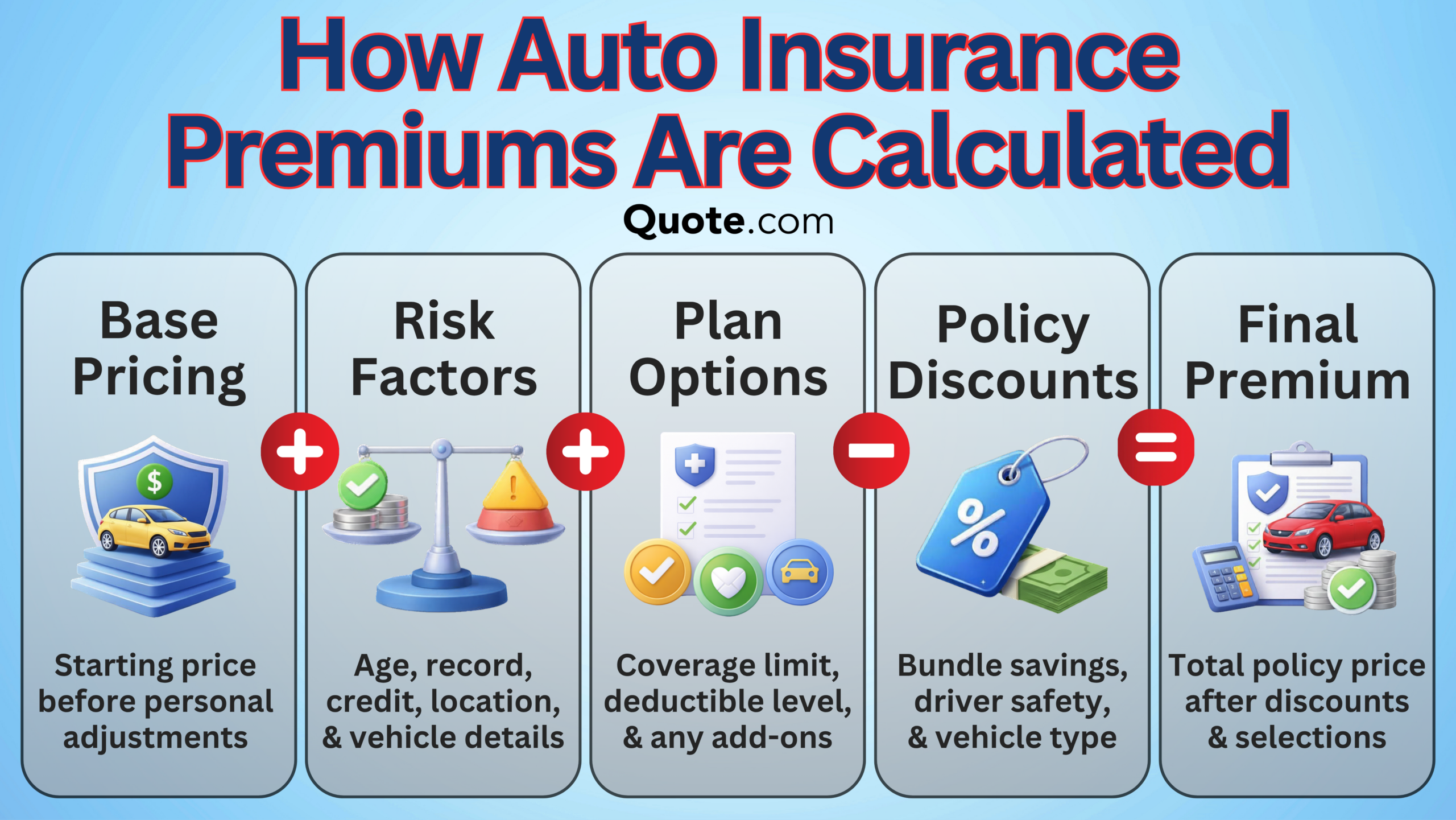
While age is a significant determinant, it is rarely the only one. Your total premium is a composite of several variables that insurers adjust alongside your age bracket.
| Factor | Influence on Pricing |
|---|---|
| Driving Record | Accidents and moving violations increase rates regardless of age. |
| Vehicle Type | High-performance or luxury vehicles cost more to repair and insure. |
| Location | Urban areas with high traffic density and theft rates raise premiums. |
| Credit History | In many states, a higher credit score correlates to lower premium offers. |
| Annual Mileage | More time on the road increases the statistical exposure to accidents. |
Strategic Steps to Manage Costs
Regardless of your age, you can manage your auto insurance expenditure by implementing proactive measures.
- Request Multi-Policy Discounts: Bundling your auto insurance with homeowners or renters insurance often results in a lower aggregate cost.
- Adjust Deductibles: Choosing a higher deductible lowers your monthly premium, though it requires you to be financially prepared for out-of-pocket costs in the event of a claim.
- Review Coverage Annually: As vehicles age, their market value drops. Carrying collision and comprehensive coverage on an older vehicle may no longer be cost-effective if the premiums exceed a significant percentage of the vehicle's actual cash value.
- Telematics Programs: Many insurers now offer "usage-based" insurance. By installing a telematics device or mobile app, you allow the insurer to track your actual driving habits—such as hard braking and acceleration—which can lead to significant savings for safe drivers.
Frequently Asked Questions
At what age do auto insurance rates typically start to drop? Rates generally begin to decrease significantly at age 25. By this milestone, the majority of drivers have accumulated enough experience to be viewed as lower-risk by most insurance algorithms.
Do married couples pay less for insurance than single individuals? Yes. Statistical models frequently show that married individuals have fewer accidents than their single counterparts. Consequently, many insurers offer marital discounts to reflect this lower risk profile.
Can a parent add a teenager to their policy to save money? Yes. While adding a teenager to a parent's policy will still result in a premium increase, it is almost always more affordable than purchasing a standalone policy for a minor or a young adult.
Are there specific states where age cannot be used to price insurance? Regulations vary significantly by jurisdiction. While most states allow age to be used as a rating factor, some states, such as Hawaii and Massachusetts, have strict regulations regarding how age and credit history can be applied to insurance premiums. Always consult your state’s department of insurance for local rules.
How can I verify if I am being charged fairly based on my age? Request quotes from at least three different carriers periodically. If your current rate is substantially higher than the market average for your age and demographic, it may be an indication that your current insurer is over-weighting your age or miscalculating your risk profile.
Recommendation for Policyholders
The most effective way to secure competitive pricing is to maintain a clean driving record and a stable credit profile, as these factors mitigate the risk premiums associated with your age. Review your policy coverage every 12 months to ensure your limits remain appropriate for your current vehicle value and financial situation. If you are a parent of a teen, prioritize enrollment in state-certified defensive driving courses, as these are frequently rewarded with specific premium credits by major insurers.
Image Gallery