Inspirational Quotes for Alcohol Recovery: Harnessing Cognitive Reframing for Long-Term Sobriety
Inspirational quotes for alcohol recovery serve as powerful cognitive tools that help individuals reframe negative thought patterns and maintain focus during the demanding process of long-term sobriety. By grounding daily experiences i...
Inspirational quotes for alcohol recovery serve as powerful cognitive tools that help individuals reframe negative thought patterns and maintain focus during the demanding process of long-term sobriety. By grounding daily experiences in psychological resilience and shared wisdom, these affirmations provide a structured approach to managing cravings, mitigating emotional exhaustion, and reinforcing the commitment to a life free from alcohol dependency.
Contents
The Psychological Function of Affirmations in Recovery
Recovery from alcohol use disorder (AUD) is not merely a physical process of detoxification; it is a profound psychological restructuring. When individuals transition from active consumption to sobriety, the brain’s reward pathways—specifically those related to dopamine—require time to recalibrate. During this period, cognitive behavioral techniques, such as the use of affirmations and inspirational quotes, act as external scaffolding for the individual’s internal resolve.
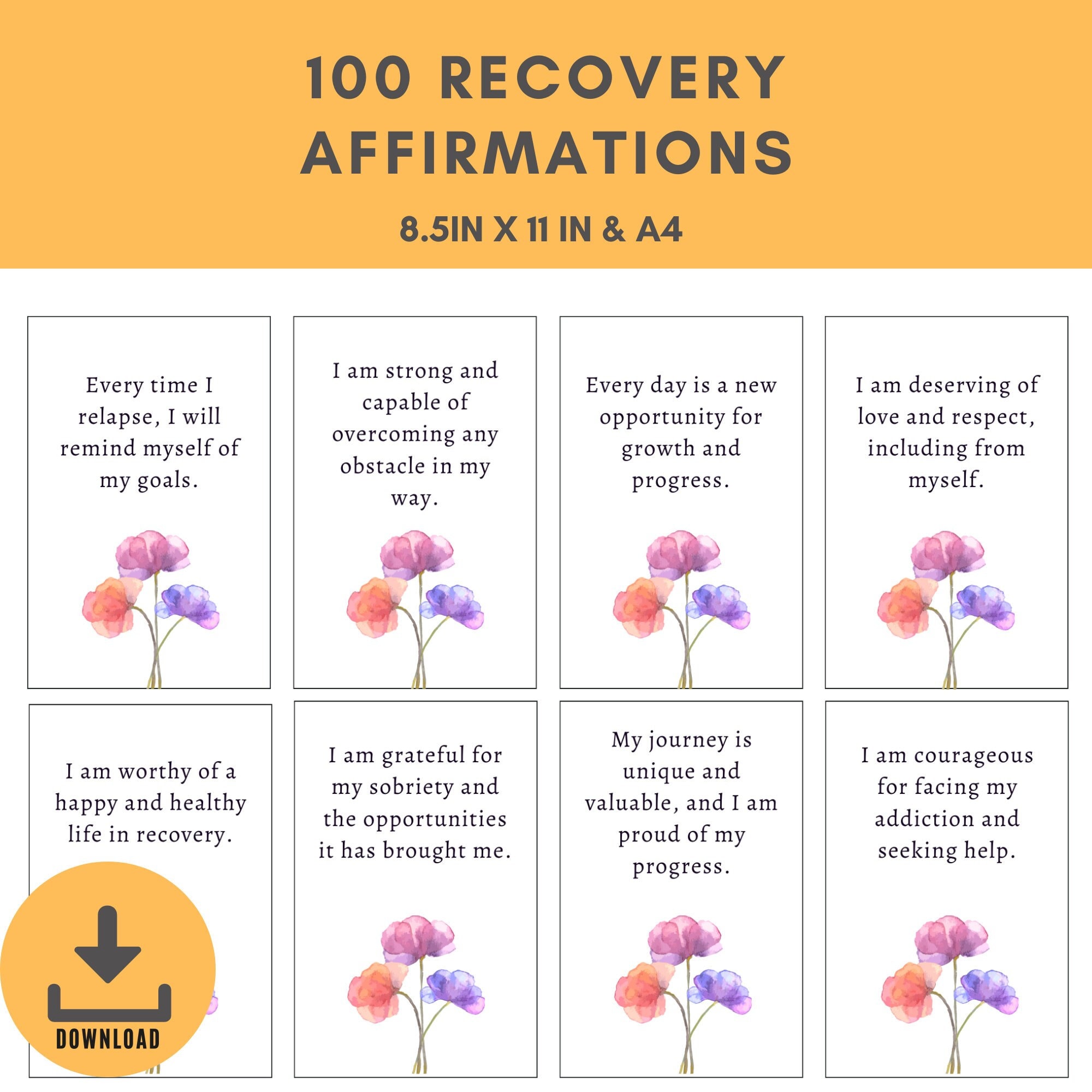
The efficacy of these quotes relies on the concept of "cognitive reframing." By replacing self-deprecating or impulsive thoughts with structured, positive, or perspective-shifting language, an individual can interrupt the automaticity of cravings. A well-chosen quote acts as a mental "circuit breaker." When an individual experiences stress or a trigger, reciting a familiar, grounding phrase can shift the focus from the immediate impulse to the long-term objective of sobriety.
Curated Wisdom for Different Stages of Recovery
Recovery is non-linear, and the needs of a person in early withdrawal differ significantly from those in long-term maintenance. Understanding which quotes to utilize at different intervals can optimize their effectiveness.
Early Sobriety: Focus on Persistence
In the initial stages, the goal is survival and the prevention of relapse. Quotes at this stage should emphasize the power of the present moment and the reality that feelings, however intense, are temporary.
- The "One Day at a Time" Mantra: This classic recovery concept—rooted in the philosophy of Alcoholics Anonymous (AA)—remains one of the most effective tools for reducing the overwhelming pressure of "forever." It limits the scope of the challenge to a manageable 24-hour cycle.
- Embracing Discomfort: Phrases that emphasize that growth occurs outside the comfort zone are essential here. Sobriety is uncomfortable; reframing that discomfort as "healing" rather than "suffering" is a critical psychological shift.
Intermediate Recovery: Focus on Identity
As physical symptoms subside, the focus often shifts to identity reconstruction. Who is the person without alcohol? Quotes regarding self-worth, authenticity, and the shedding of the past become more prominent.
- Forgiveness and Self-Compassion: Many in recovery grapple with guilt over past behaviors. Quotes that focus on the concept that "the past is a teacher, not a prison" help in releasing the shame that often triggers relapse.
Maintenance Phase: Focus on Growth
For those with extended periods of sobriety, the focus shifts from "not drinking" to "thriving." Quotes that encourage purpose, service, and continuous self-improvement support the ongoing evolution of a sober identity.
Practical Methods for Integrating Quotes into Daily Life
To move beyond passive reading, individuals in recovery should integrate inspirational quotes into their operational routine. Consistency is the primary factor in turning a quote into a useful psychological trigger.
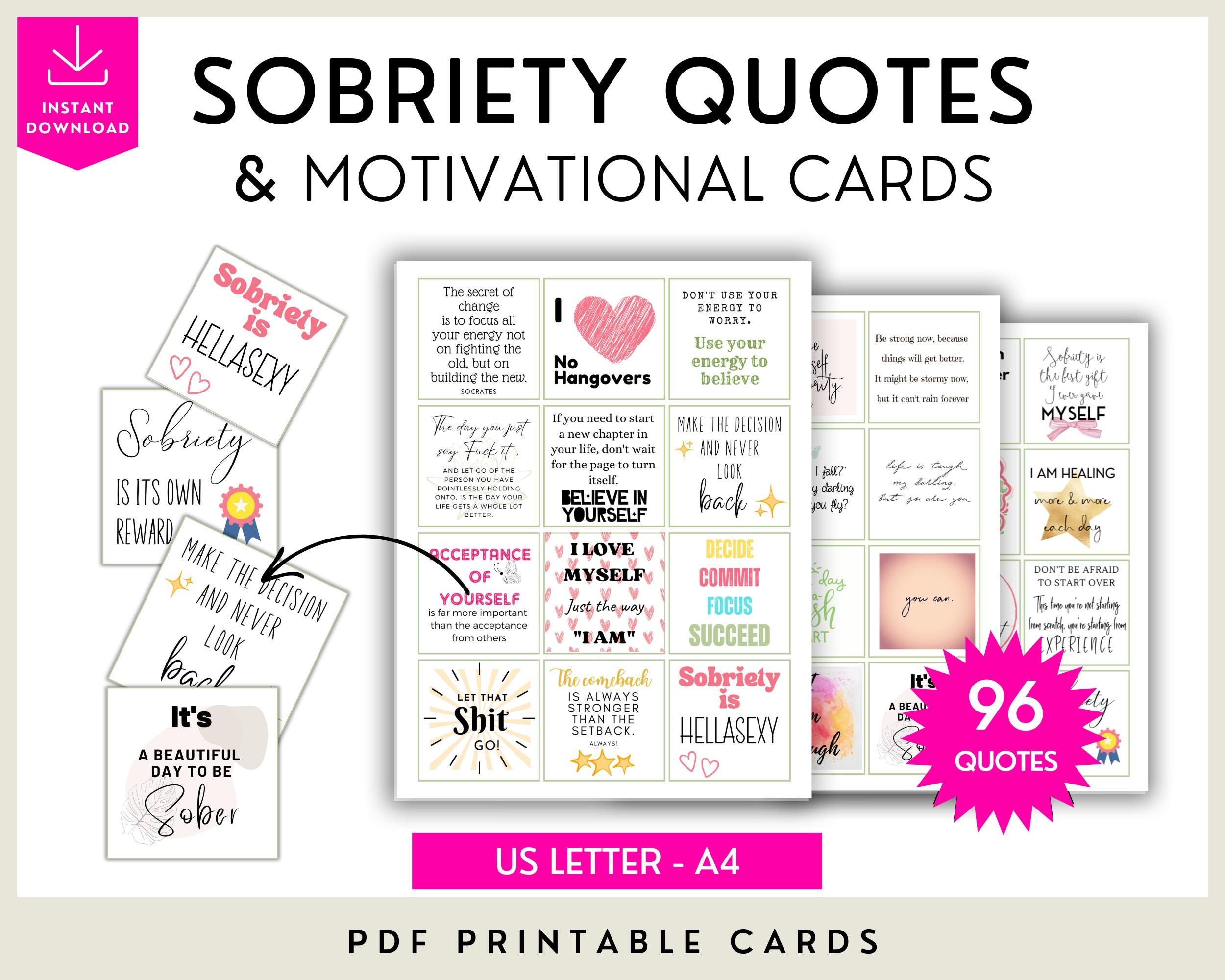
- Visual Anchors: Place written quotes in locations associated with high stress or old habits. Common placements include the bathroom mirror, the refrigerator, or as a background on a smartphone.
- Auditory Reinforcement: If reading is difficult during moments of high anxiety, reciting a specific quote aloud can be more effective. The physical act of speaking engages different neural pathways than silent reading.
- Journaling Intersections: Use a quote as a prompt for morning or evening journaling. Analyzing how a specific quote applies to one's current emotions helps move the information from a temporary thought to a permanent belief.
- Digital Integration: Use reminder applications to deliver one specific quote at a designated time each day, ensuring the practice is not forgotten during busy periods.
Comparative Utility of Recovery Wisdom
| Type of Quote | Primary Goal | Best Used During | Psychological Mechanism |
|---|---|---|---|
| Tactical | Immediate craving management | Acute stress/triggers | Impulse interruption |
| Philosophical | Long-term identity shift | Daily reflection | Cognitive restructuring |
| Supportive | Combating loneliness | Group sessions/Isolation | Social cohesion/Validation |
| Motivational | Sustaining momentum | Long-term maintenance | Goal alignment |
Addressing the Limitations of Inspiration
It is vital to recognize that inspirational quotes are a supportive tool, not a primary clinical treatment. For individuals with severe AUD, these quotes should supplement—not replace—professional medical interventions, therapy (such as Cognitive Behavioral Therapy or Dialectical Behavior Therapy), and, where appropriate, medical management of withdrawal.
Inspirational quotes do not address the biological mechanisms of chemical dependency or the complex comorbid mental health conditions that often accompany addiction. Relying solely on affirmations without addressing the underlying clinical needs can lead to a false sense of security. Always seek guidance from healthcare providers or addiction specialists when navigating the symptoms of recovery. If you or a loved one is currently in crisis, please utilize professional, 24/7 services such as the SAMHSA National Helpline, which provides confidential, free information and treatment referral.
Frequently Asked Questions
Do inspirational quotes really help with physical cravings?
They do not stop the biological urge directly, but they help by occupying the cognitive space that cravings require to flourish. By focusing on a quote, you force your brain to switch from an impulsive state to an analytical or reflective state, which can dampen the intensity of the craving.
How often should I change the quotes I use?
There is no set schedule, but many find success in using one primary "anchor" quote for a month, allowing the meaning to fully integrate into their worldview, while using "supplementary" quotes daily to address shifting emotional needs.
Are quotes from 12-step programs the only effective ones?
No. While 12-step literature provides a deep reservoir of recovery wisdom, many individuals find greater success with Stoic philosophy, secular psychology, or personal affirmations written in their own words. The effectiveness is determined by your personal resonance with the message.
Can these quotes replace therapy?
No. Quotes are a form of self-help and emotional management. They are designed to support a comprehensive recovery plan that may include psychotherapy, medication-assisted treatment, and peer support groups.
What should I do if a quote makes me feel worse?
If a quote triggers feelings of inadequacy or shame, discard it. Recovery is a deeply personal process, and a quote that works for someone else may not align with your specific journey. Focus on language that promotes empowerment and agency rather than judgment.
Next Steps for Sustainable Sobriety
If you are beginning or continuing your journey, select one "Anchor Quote" that resonates with your current specific struggle. Write it down by hand and keep it in your pocket or wallet today. Beyond this practice, ensure you have a verified, professional support system in place. Sobriety is best maintained through a combination of intentional self-reflection, robust clinical support, and community engagement. Use these inspirational tools to reinforce your daily choices, but continue to build your foundation on professional care and healthy, supportive relationships.
Image Gallery