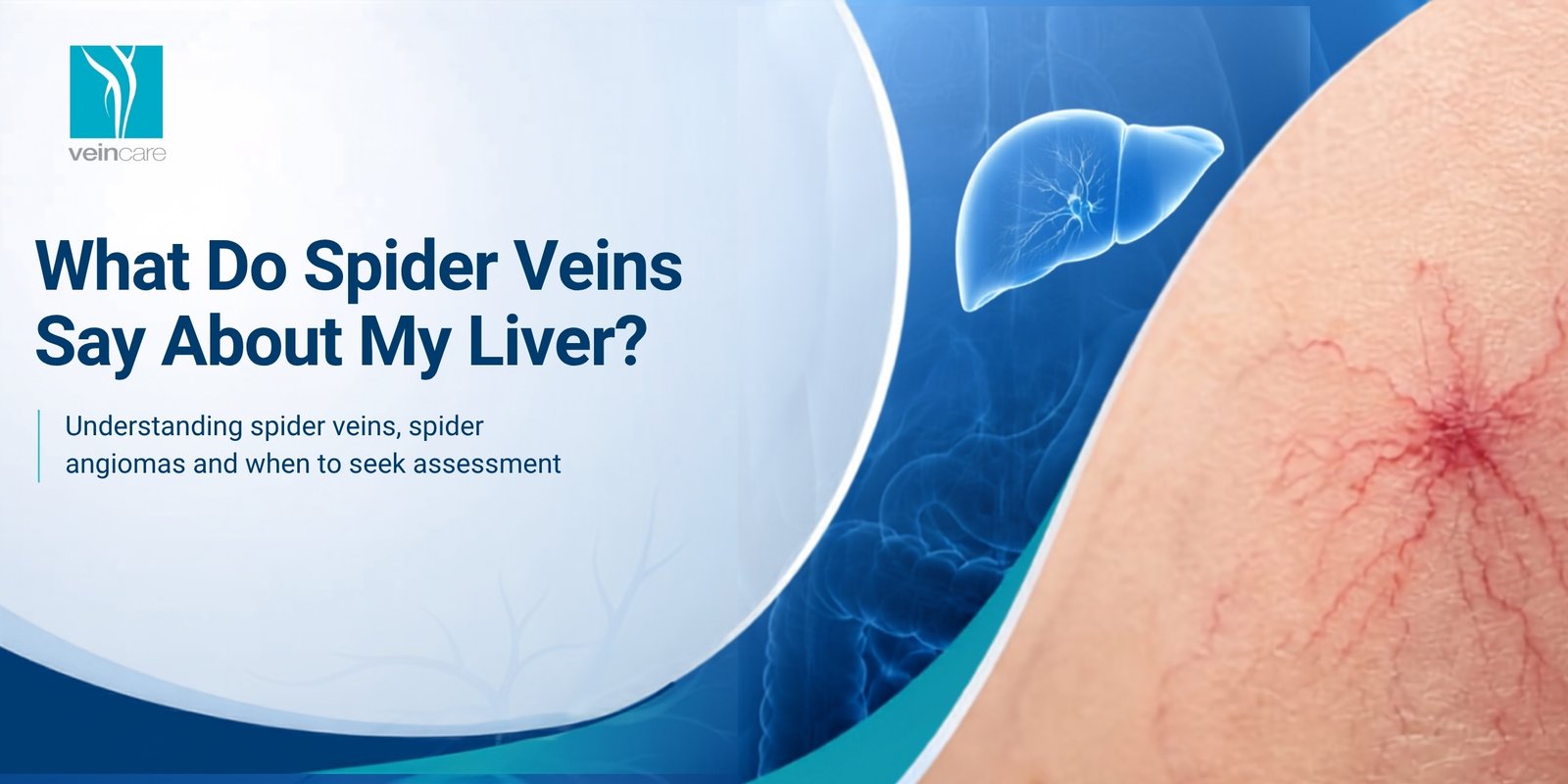
What Do Spider Veins Mean: Understanding Causes and Clinical Implications
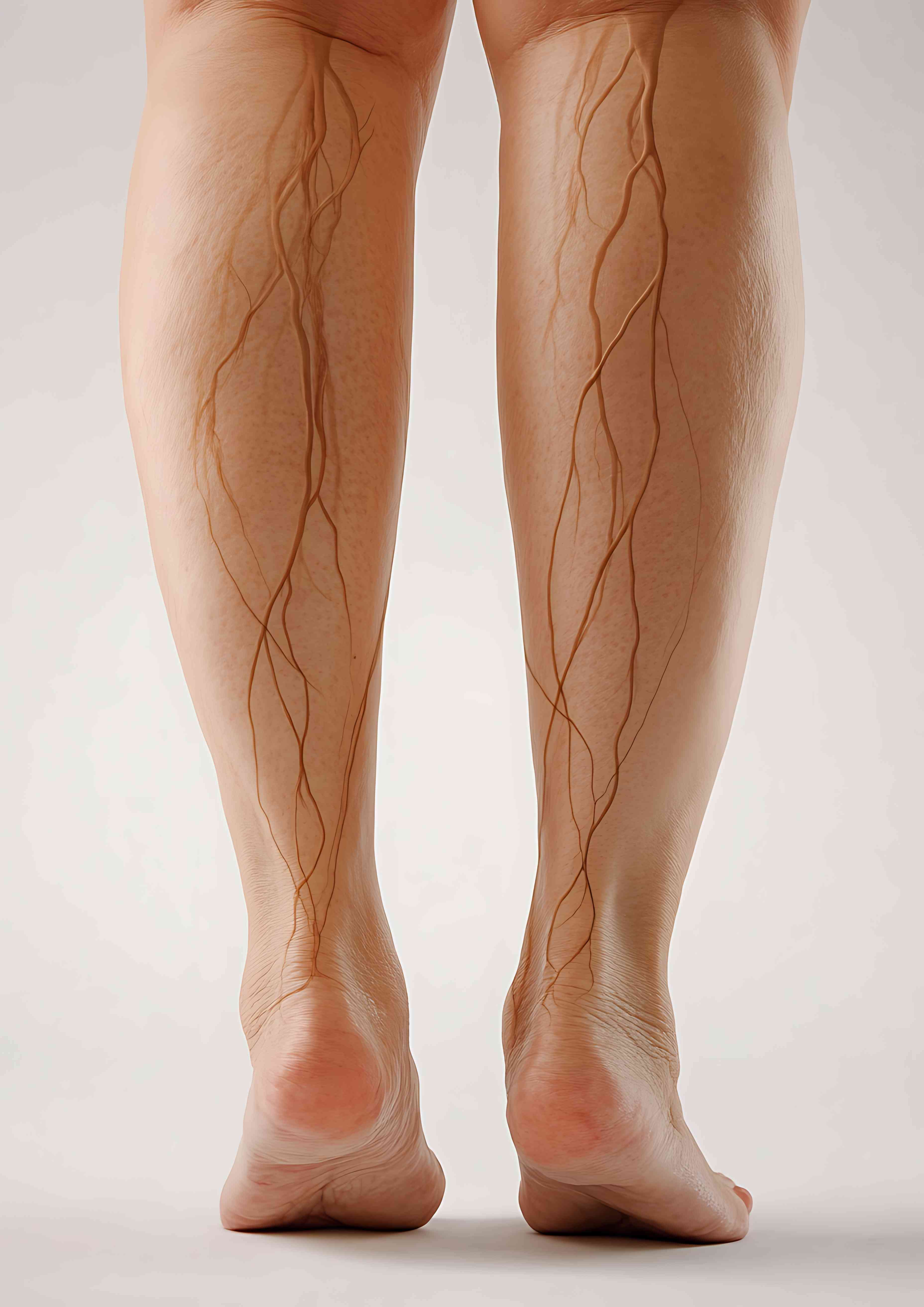
Spider veins, medically known as telangiectasias, are small, dilated blood vessels located near the surface of the skin. They appear as thin, web-like patterns of blue, purple, or red lines, most commonly found on the legs and face. Wh...
Spider veins, medically known as telangiectasias, are small, dilated blood vessels located near the surface of the skin. They appear as thin, web-like patterns of blue, purple, or red lines, most commonly found on the legs and face. While they are primarily considered a cosmetic concern, their presence can sometimes signal underlying venous insufficiency or broader systemic conditions that may require evaluation by a healthcare professional.
Contents
Defining Spider Veins
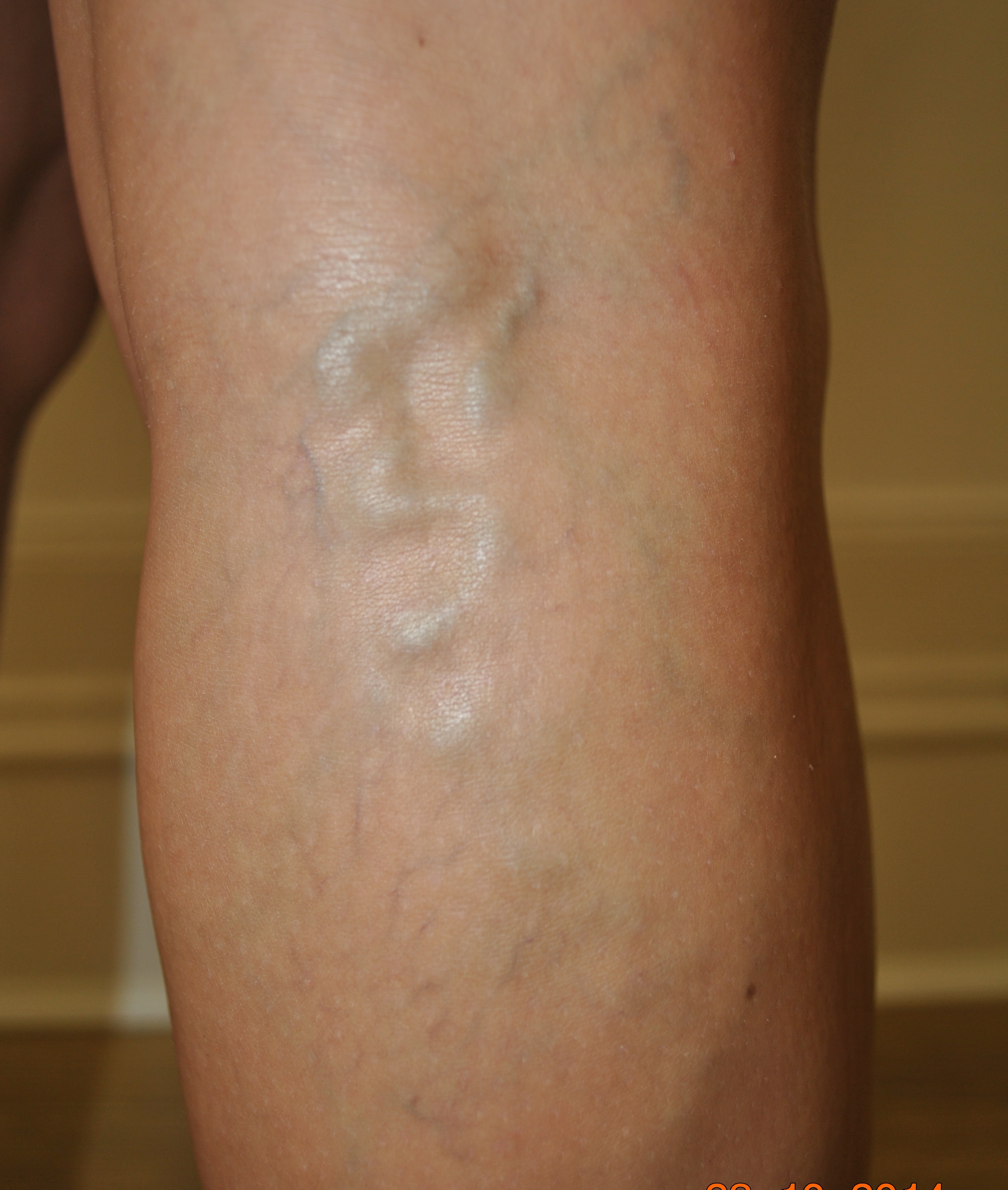
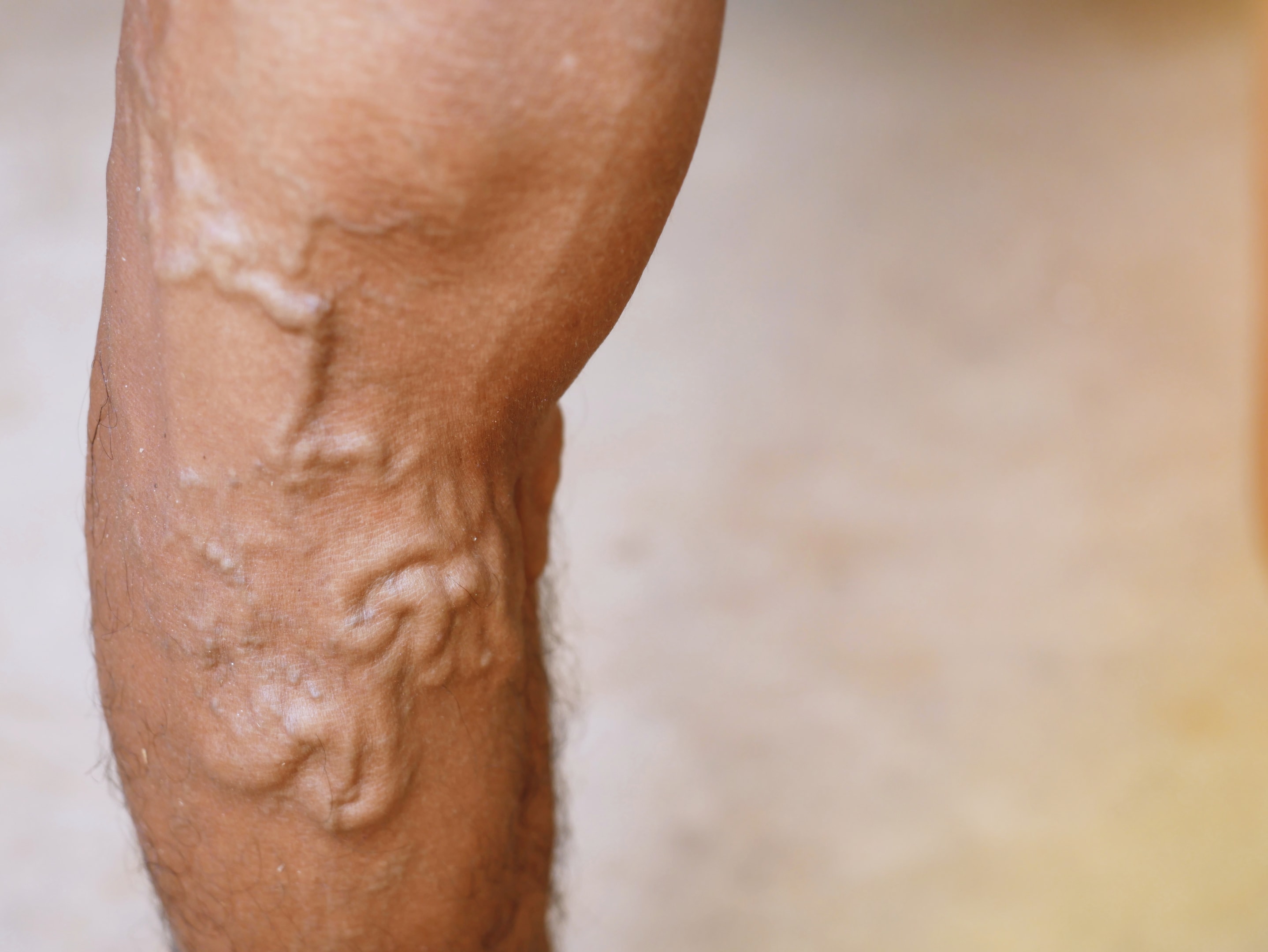
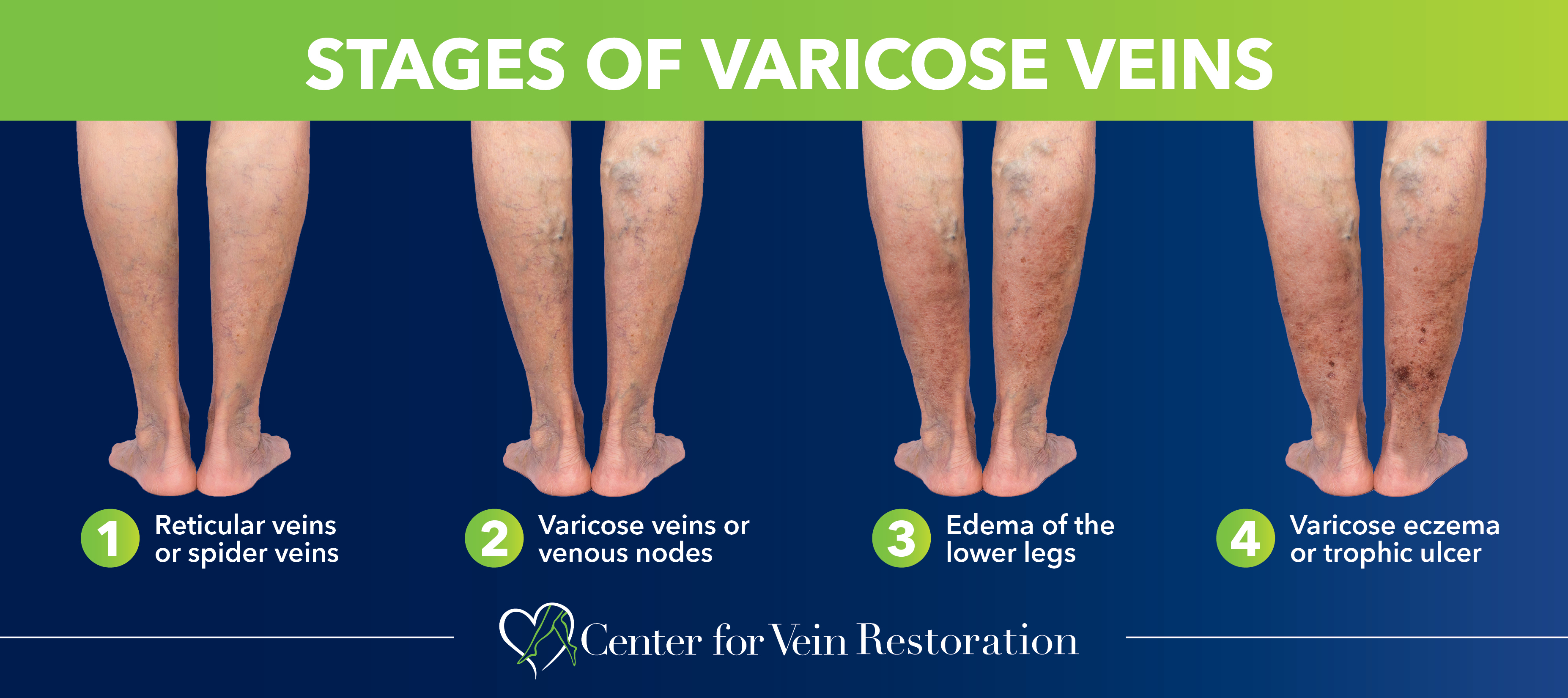
Spider veins are technically characterized by the permanent dilation of small venules. Unlike varicose veins, which are enlarged, twisted, and often raised above the skin's surface, spider veins are typically flat and do not usually pose a significant health threat. They occur when the one-way valves inside the veins—which are responsible for keeping blood flowing toward the heart—become weakened or damaged. When these valves fail, blood can pool in the vessel, causing it to stretch and become visible beneath the translucent layers of the skin.
While the visual appearance is often the primary reason individuals seek information, understanding what these vessels signify requires distinguishing between benign cosmetic development and indicators of circulatory health. In many instances, they are simply a result of aging or genetics, but they can occasionally be associated with deeper venous conditions.
Primary Drivers and Risk Factors
The development of spider veins is multifactorial. By understanding the common catalysts, you can better determine if your situation is standard or if it warrants a professional consultation.
- Genetic Predisposition: Genetics is the most significant factor. If your parents or siblings have spider veins, there is a high probability that you will develop them as well. The structure of your vein walls and the integrity of your valves are largely inherited traits.
- Hormonal Fluctuations: Significant changes in hormone levels can influence vein health. Puberty, pregnancy, and menopause are common periods during which spider veins may emerge or worsen. The use of hormonal birth control or hormone replacement therapy (HRT) may also contribute to the development of these vessels.
- Age and Skin Integrity: As the body ages, the skin loses elasticity and becomes thinner, making underlying structures like small blood vessels more apparent. Simultaneously, the venous system undergoes wear and tear, reducing the efficiency of valves.
- Occupational and Lifestyle Factors: Jobs that require long periods of standing or sitting significantly increase pressure on the leg veins. Gravity works against the upward flow of blood; over time, this chronic pressure can weaken the vessel walls.
- Sun Exposure: For spider veins on the face, specifically on the nose or cheeks, excessive sun exposure is a primary culprit. Ultraviolet radiation can damage the skin and weaken the structural support of superficial capillaries.
When to Seek Medical Attention
For the vast majority of people, spider veins are a benign condition. However, medical intervention is often recommended when the veins are accompanied by symptoms that suggest Chronic Venous Insufficiency (CVI). If you experience aching, throbbing, cramping, or a feeling of heaviness in the legs, these are clinical indicators that the superficial vessels may be linked to deeper circulatory issues.
Patients should consult a vascular specialist or a dermatologist if they notice:
- Bleeding: If a spider vein begins to bleed after a minor injury.
- Skin Changes: Discoloration, thickening, or hardening of the skin around the area.
- Chronic Pain: Consistent discomfort that interferes with daily activities.
- Ulceration: The appearance of sores near the affected area, which requires immediate attention to prevent infection.
Clinical Evaluation and Diagnostic Methods
If you choose to address your spider veins, a physician will typically perform a physical examination to rule out more serious underlying conditions. A common diagnostic tool is the Duplex Ultrasound. This non-invasive imaging technique allows the doctor to visualize the flow of blood through your veins and detect any backward flow (reflux), which indicates that the valves are not functioning properly.
By identifying the source of the pressure, a practitioner can determine whether treating the spider veins will provide lasting results or if the underlying "feeder" veins need to be addressed first. Treating only the surface veins without addressing the source of the pressure often leads to rapid recurrence.
Comparison of Vascular Conditions
Understanding the distinction between various vascular presentations is essential for proper management.
| Feature | Spider Veins | Varicose Veins | Reticular Veins |
|---|---|---|---|
| Appearance | Fine, red/blue threads | Large, twisted, bulging | Flat, blue/green vessels |
| Diameter | < 1mm | > 3mm | 1mm to 3mm |
| Location | Superficial (skin surface) | Subcutaneous (deeper) | Beneath the skin |
| Common Symptoms | Usually none | Aching, heaviness, pain | Minor discomfort |
| Clinical Concern | Primarily cosmetic | Potential for CVI/clots | Cosmetic/mild pain |
Current Treatment Options
As of 2026, several effective, minimally invasive procedures are available for the reduction or removal of spider veins. These treatments are generally performed in an outpatient setting.
Sclerotherapy
Sclerotherapy remains the gold standard for treating spider veins on the legs. During this procedure, a physician injects a sclerosant solution directly into the affected vein. This solution irritates the vessel lining, causing it to collapse and stick together. Over several weeks, the body naturally absorbs the treated vessel, and it fades from view.
Laser and Light-Based Therapies
For facial spider veins or smaller vessels on the body, laser therapy or Intense Pulsed Light (IPL) can be highly effective. These treatments deliver focused light energy to the vein, causing it to coagulate and eventually be reabsorbed by the body. This method is often preferred for those who prefer to avoid needles, though it may require multiple sessions for optimal clearance.
Compression Therapy
While compression stockings do not remove existing spider veins, they are frequently recommended as a preventive measure or as a way to manage symptoms. By applying controlled pressure to the lower legs, these stockings help support the vein walls and improve the efficiency of blood return to the heart, potentially slowing the development of new veins.
Preventive Measures and Lifestyle Management
While you cannot entirely eliminate your genetic predisposition, certain lifestyle modifications can help maintain venous health and delay the progression of spider vein development.
- Physical Activity: Regular exercise, particularly activities that work the calf muscles (like walking, running, or swimming), acts as a pump for your veins, encouraging efficient circulation.
- Weight Management: Maintaining a healthy body weight reduces the amount of pressure placed on the veins in your lower extremities.
- Position Changes: If your work requires sitting or standing for hours, make a conscious effort to move your legs, stretch, or change positions every 30 to 60 minutes. Elevating your legs when resting can also assist in blood flow back toward the heart.
- Sun Protection: Using high-SPF sunscreen on the face is the most effective way to prevent the formation of facial spider veins caused by environmental damage.
Frequently Asked Questions
1. Can spider veins go away on their own? No, spider veins do not resolve spontaneously. Because they are the result of structural changes within the vein wall or valve failure, they require professional treatment to be effectively removed or diminished.
2. Is it safe to ignore them? In most cases, yes. If they are purely a cosmetic concern and you do not experience pain or swelling, there is no medical requirement to treat them. They are not typically a sign of an impending medical crisis.
3. Will my spider veins come back after treatment? While treated veins are permanently removed, the underlying conditions that caused them—such as genetics or hormonal influences—can lead to the development of new spider veins in the same or adjacent areas over time.
4. Does insurance cover the removal of spider veins? Generally, no. Because spider veins are categorized as a cosmetic issue by most insurance providers, they are typically not covered under standard health plans. If a physician determines they are symptomatic of a deeper medical condition like venous insufficiency, coverage may vary.
5. How long is the recovery time for sclerotherapy? Recovery is minimal. Most patients can return to normal daily activities immediately after the session. Physicians usually advise avoiding strenuous exercise and direct sun exposure for a few days to a week following the procedure.
Final Recommendation
If you are concerned about the appearance of spider veins, the most practical first step is a consultation with a board-certified dermatologist or a vascular surgeon. They can perform a physical assessment to determine if your veins are merely a surface-level aesthetic issue or a symptom of a larger circulatory problem. By establishing a baseline through a professional evaluation, you can avoid unnecessary procedures and focus on the most effective, evidence-based management strategy for your specific needs.
Image Gallery