Why Amazon Uses USPS: A Strategic Logistics Partnership Explained
Amazon utilizes the United States Postal Service (USPS) primarily because it offers unparalleled "last-mile" coverage, reaching every residential and business address in the United States, including rural and remote locations where pri...
Amazon utilizes the United States Postal Service (USPS) primarily because it offers unparalleled "last-mile" coverage, reaching every residential and business address in the United States, including rural and remote locations where private carriers may be less cost-effective. This symbiotic relationship balances Amazon’s need for massive delivery volume capacity with the USPS’s established infrastructure, ensuring cost-efficient, daily delivery schedules for millions of packages.
Contents
The Logic Behind the Partnership
While Amazon has built an extensive proprietary logistics network—including its own fleet of aircraft, trailers, and delivery vans—the company relies on a hybrid delivery model to maintain its "Prime" delivery promises. The partnership with the USPS is not a sign of logistical weakness but a strategic optimization of resources.
The fundamental reason is universal service. The USPS is legally mandated to provide universal service to every address in the country. Private carriers, such as UPS and FedEx, often rely on residential surcharges or complex zoning to manage the costs of delivering to remote areas. By leveraging the existing route density of the postal service, Amazon avoids the prohibitive capital expenditure of establishing its own delivery infrastructure in every single ZIP code across the United States.
Operational Synergies and Cost Efficiency
For Amazon, the primary benefit of the USPS integration is the "Last Mile" advantage. In logistics, the final leg of a shipment—the journey from a local sorting facility to the customer’s doorstep—is typically the most expensive and time-consuming.
Leveraging Existing Infrastructure
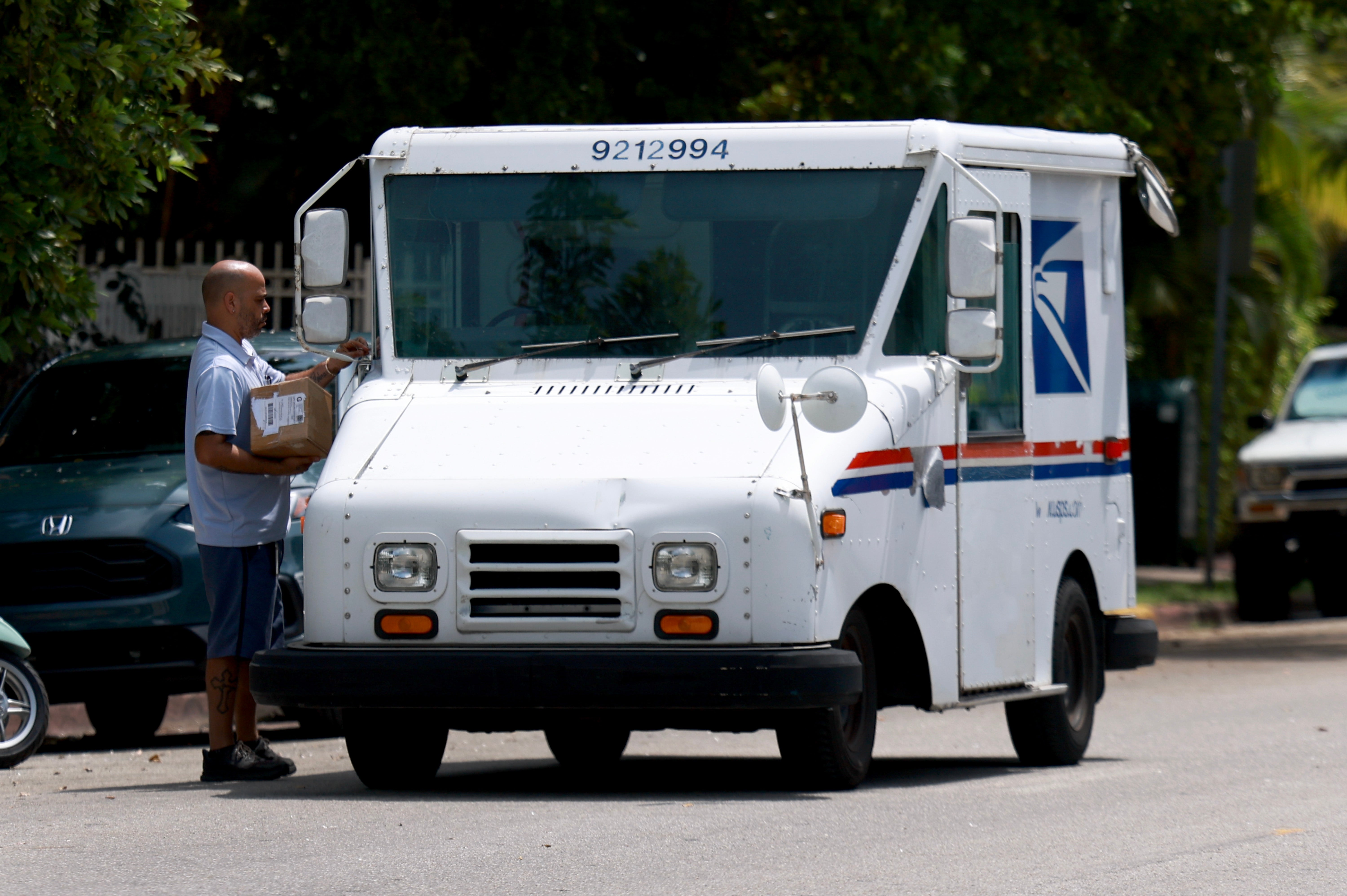
The USPS already visits nearly every home and business six, and often seven, days a week. When Amazon hands off a package to the USPS for final delivery (a service often referred to as "Parcel Select"), the package enters the postal stream at a local facility. Because the carrier is already scheduled to drive that specific route to deliver mail, the marginal cost of adding a package to that load is significantly lower than dispatching a dedicated Amazon van to a rural or low-density neighborhood.
Scaling During Peak Periods
Amazon’s business model experiences extreme volatility, most notably during the holiday season or major events like Prime Day. Scaling a private fleet to handle 300% or 400% of average daily volume is economically inefficient, as those resources would sit idle for the remainder of the year. The USPS provides a flexible, scalable backbone that absorbs this excess volume, preventing the "bottlenecking" that would occur if Amazon relied solely on its own internal delivery assets.
Comparison of Delivery Dynamics
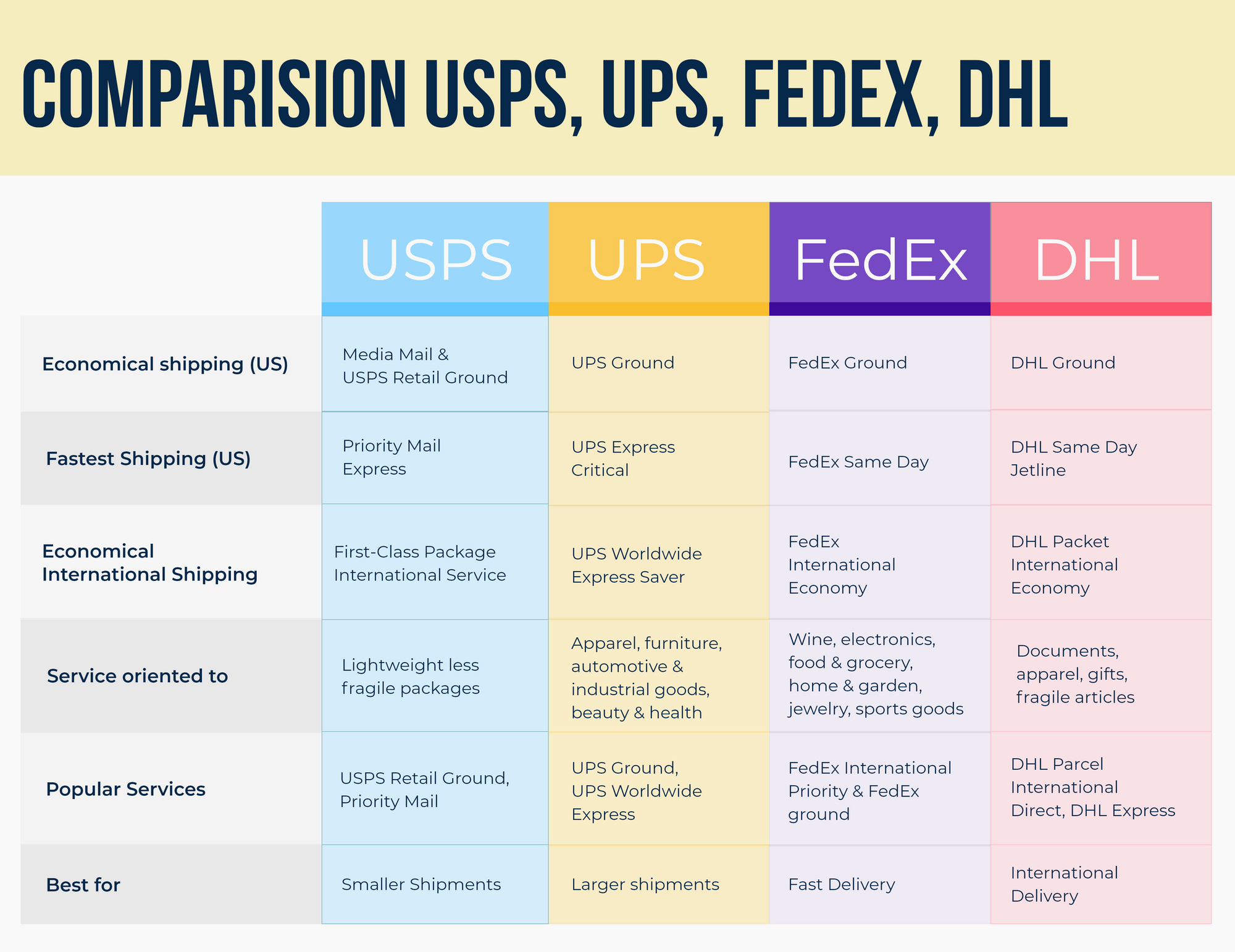
The following table outlines the structural differences in how Amazon integrates with various logistics partners to maintain its delivery network.
| Logistics Channel | Primary Advantage | Operational Depth | Delivery Frequency |
|---|---|---|---|
| Amazon Logistics | End-to-end control | High (City/Suburban) | Daily |
| USPS (Parcel Select) | Universal reach | High (Rural/Remote) | Daily/Weekly |
| UPS / FedEx | B2B specialization | Medium (Commercial) | Daily |
| Regional Carriers | Local efficiency | Low (Specific regions) | Daily |
The Role of "Parcel Select" and Consolidators
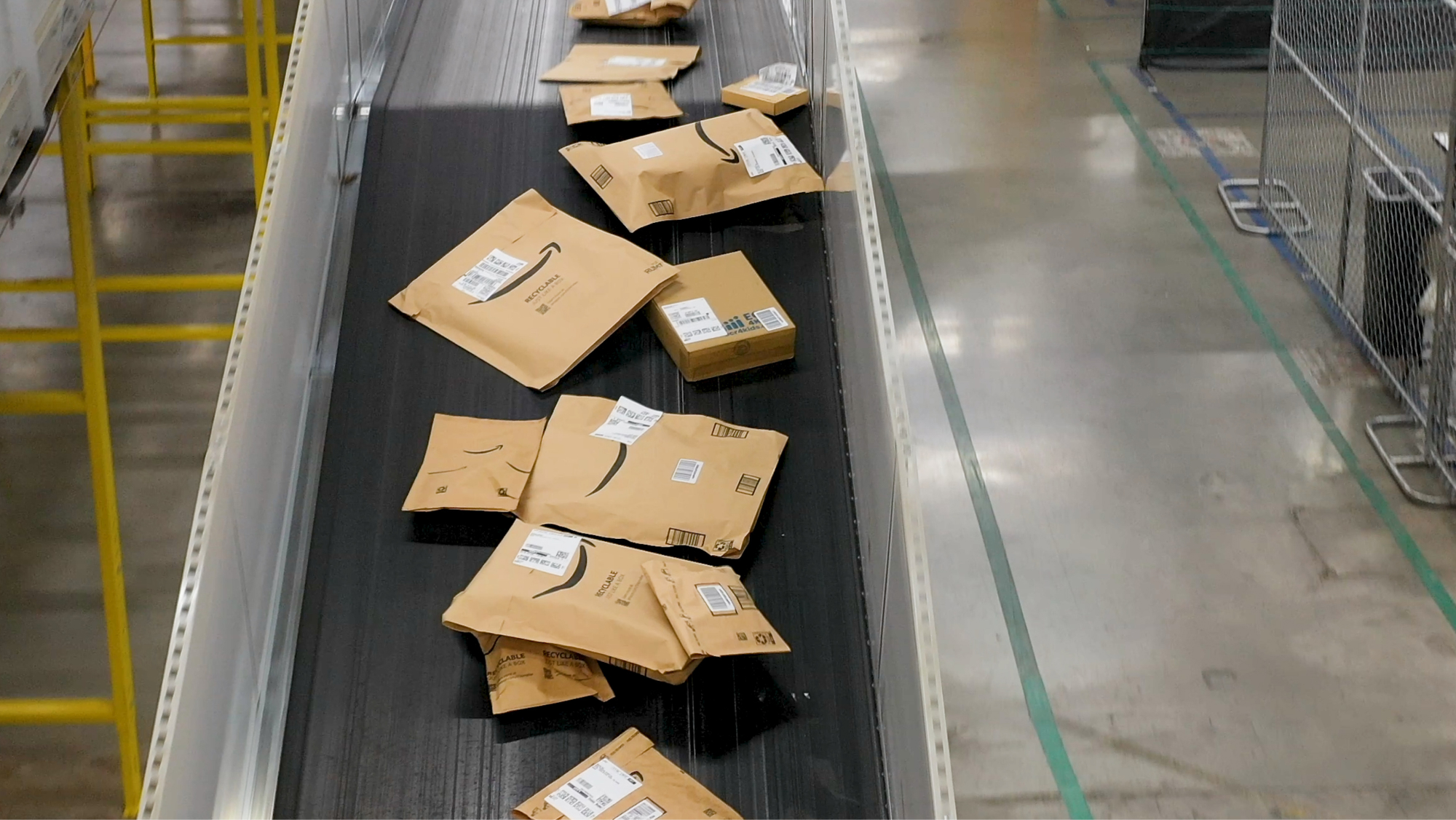
Amazon does not simply drop packages at a local post office. The process is a highly technical, automated flow. Amazon utilizes a strategy known as "work-sharing." By sorting and palletizing packages by ZIP code before handing them off to the USPS, Amazon performs a significant portion of the "pre-sort" labor that the postal service would otherwise have to do itself.
In exchange for this labor, Amazon receives discounted postage rates. This is a critical component of Amazon's operational cost-reduction strategy. The company acts, in effect, as its own sorting facility, allowing it to bypass early-stage postal processing centers and inject shipments directly into the "last-mile" stream.
Why Amazon Is Investing in Its Own Network
Despite the reliance on the USPS, Amazon continues to expand its own delivery fleet. The rationale behind this is "network resilience." By controlling a larger percentage of its own deliveries, Amazon can:
- Control the Customer Experience: Managing the delivery experience directly allows for better tracking, branded vehicle presence, and refined delivery notifications.
- Mitigate Third-Party Risk: Over-reliance on a single partner—even a large one—creates a single point of failure. If the postal service faces labor shortages, severe weather impacts, or systemic delays, Amazon’s internal network provides a buffer.
- Data Ownership: Direct delivery provides richer data regarding delivery success, package handling, and customer feedback loops, which is used to optimize delivery routes through machine learning algorithms.
Addressing Common Questions
To better understand how this partnership functions, consider these common inquiries regarding the interaction between these entities.
Does the USPS get paid fairly for these deliveries?
The USPS and Amazon operate under negotiated service agreements. These are private contracts that allow the USPS to set competitive rates for high-volume shippers. These agreements are subject to regulatory oversight by the Postal Regulatory Commission (PRC) to ensure that such contracts cover their attributable costs and contribute to the institutional costs of the postal system.
Why do I sometimes see an Amazon van and a mail carrier on the same day?
This occurs because Amazon uses a multi-modal approach. If a package is destined for a dense urban area, Amazon’s proprietary fleet is often more cost-effective. If you live in a rural area or if the package is part of a specific load directed toward the postal network, you may receive items from both, as their routing algorithms assign the package based on the most efficient cost and time metrics available at the moment of dispatch.
Is the USPS struggling to keep up with Amazon’s volume?
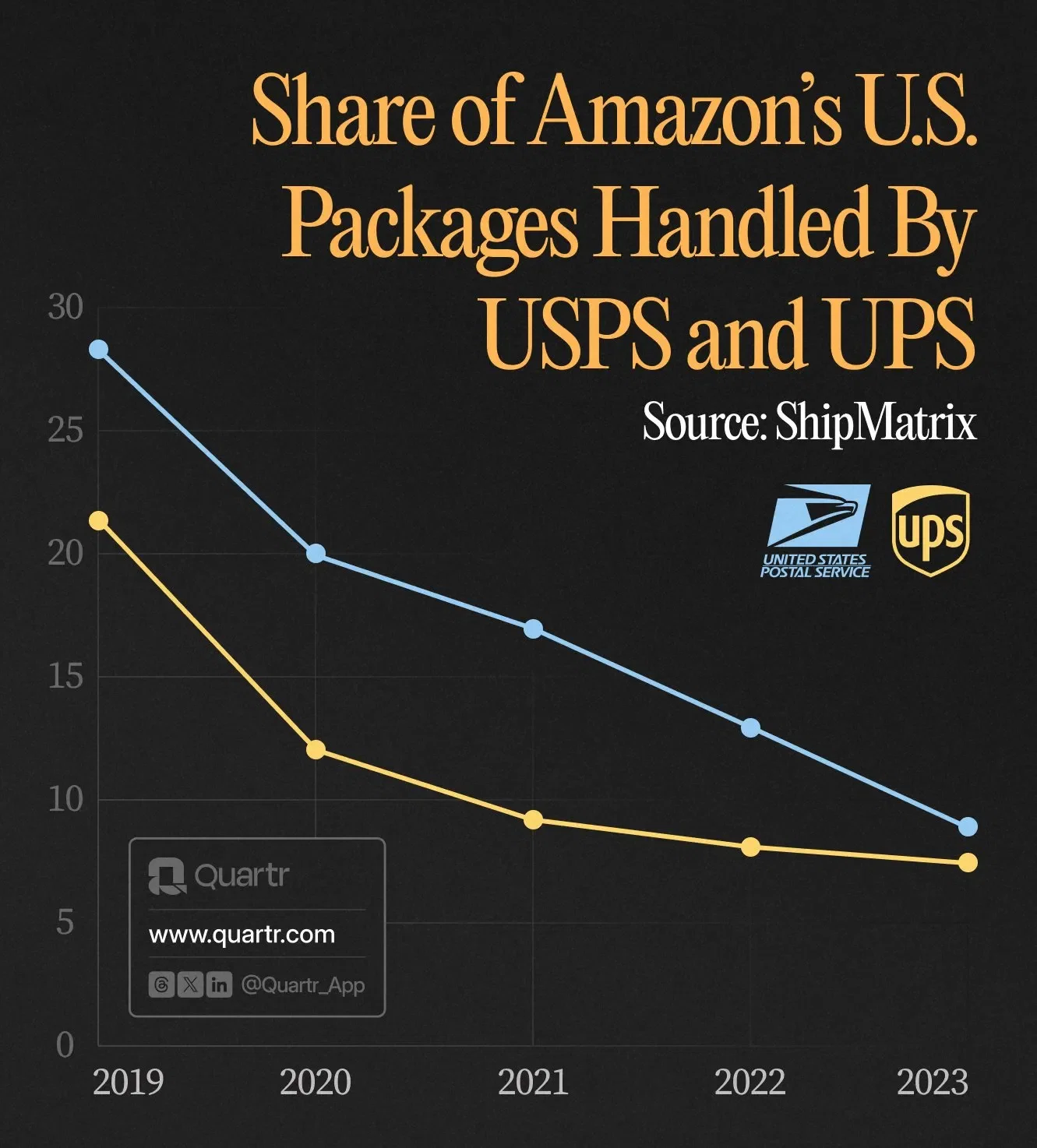
While the volume is massive, the USPS has invested significantly in new, high-speed sorting machines and flexible transport systems to manage the shift from traditional letter mail to e-commerce parcels. The partnership remains a core part of the USPS revenue model, as parcel delivery helps offset the long-term decline in first-class mail volume.
Can I choose to have my Amazon package delivered by a specific carrier?
Generally, no. Amazon’s logistics system is automated to select the most efficient carrier based on the package size, weight, destination, and current network capacity. Customer preference is usually secondary to the logistical optimization required to meet the estimated delivery date.
How does this affect my "Prime" delivery guarantee?
The "Prime" badge represents a promise of a specific delivery window. Amazon uses historical data from all its partners—including the USPS—to determine if a specific address can realistically receive a package within one or two days. If the USPS has shown consistent delays in a specific region, Amazon’s routing engine will automatically switch that shipment to a private carrier or its own fleet to ensure the guarantee is met.
Recommendation for Recipients
If you reside in an area that is predominantly serviced by the USPS, ensure your delivery address is formatted according to official standards. Use the exact "Line 2" information (such as apartment or suite numbers) and the correct ZIP+4 code. This maximizes the efficiency of the USPS automated sorting systems, reducing the likelihood of your package being routed to the wrong facility or experiencing delays during the final handoff from Amazon to your local carrier.
Image Gallery