How to Write Effective Email Blast Subject Lines
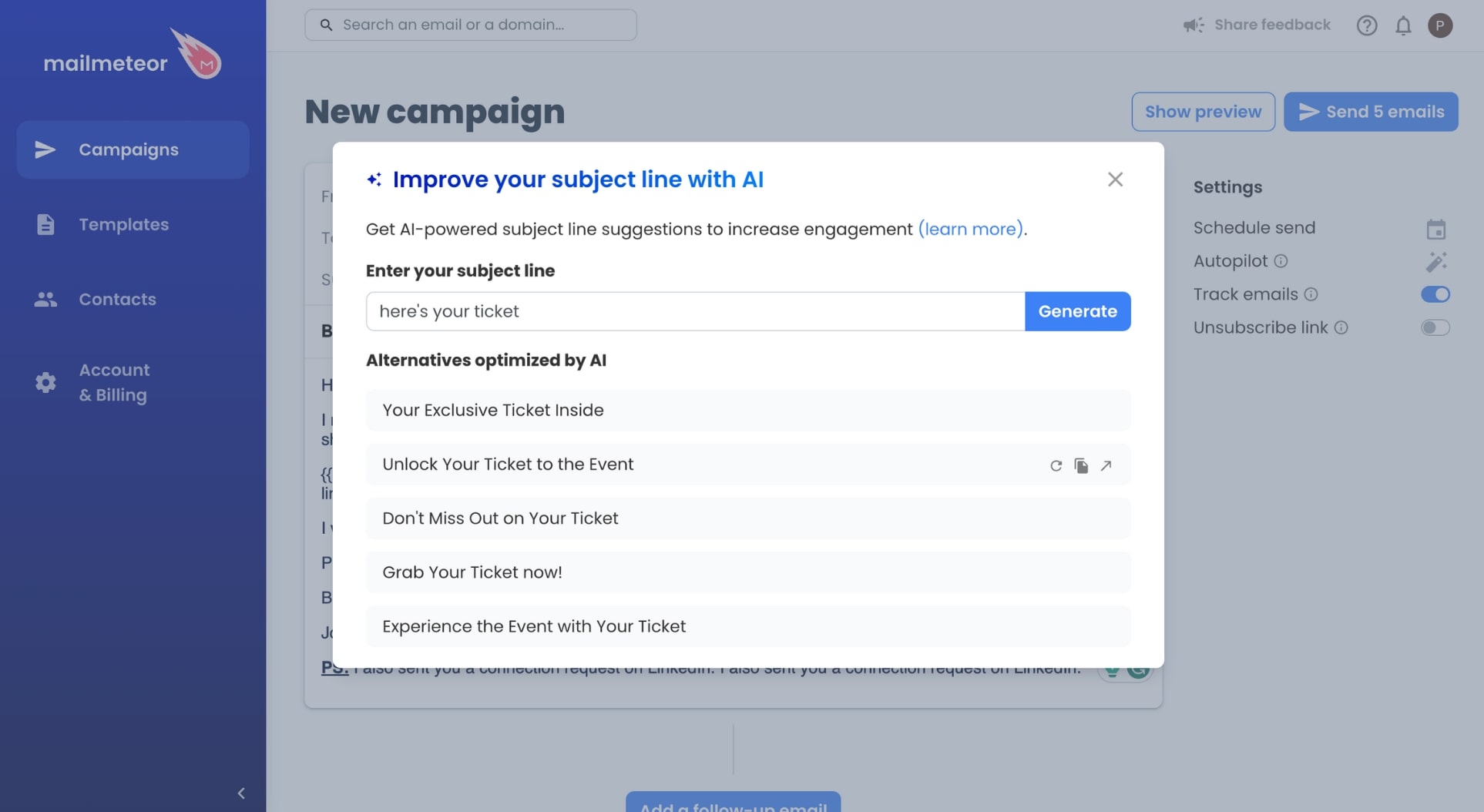
Writing an effective email blast subject line requires balancing psychological triggers, technical constraints, and brand identity to ensure your message is opened rather than ignored or flagged as spam. The objective is to provide imm...
Writing an effective email blast subject line requires balancing psychological triggers, technical constraints, and brand identity to ensure your message is opened rather than ignored or flagged as spam. The objective is to provide immediate value or piqued curiosity within a restricted character count, compelling the recipient to engage with your content before they move on to the next item in their inbox.
Contents
Understanding the Mechanics of an Inbox
To write successful subject lines, you must first acknowledge the technical reality of the modern inbox. In 2026, email clients like Gmail, Outlook, and Apple Mail utilize sophisticated machine learning to filter incoming messages. If your subject line looks like promotional clutter—commonly associated with excessive punctuation, all-caps, or common "spam trigger" words—it is more likely to be relegated to a "Promotions" or "Spam" folder.
The average mobile device displays between 30 and 50 characters of a subject line before truncating the text. This makes the first four to five words the most critical real estate in your entire marketing campaign. If your primary value proposition or hook is located after the fiftieth character, you have effectively hidden your message from a significant portion of your target audience.
Psychological Drivers of High Open Rates
Human behavior in an inbox is driven by a few predictable psychological levers. Understanding these allows you to craft subject lines that bypass the initial "delete" reflex.
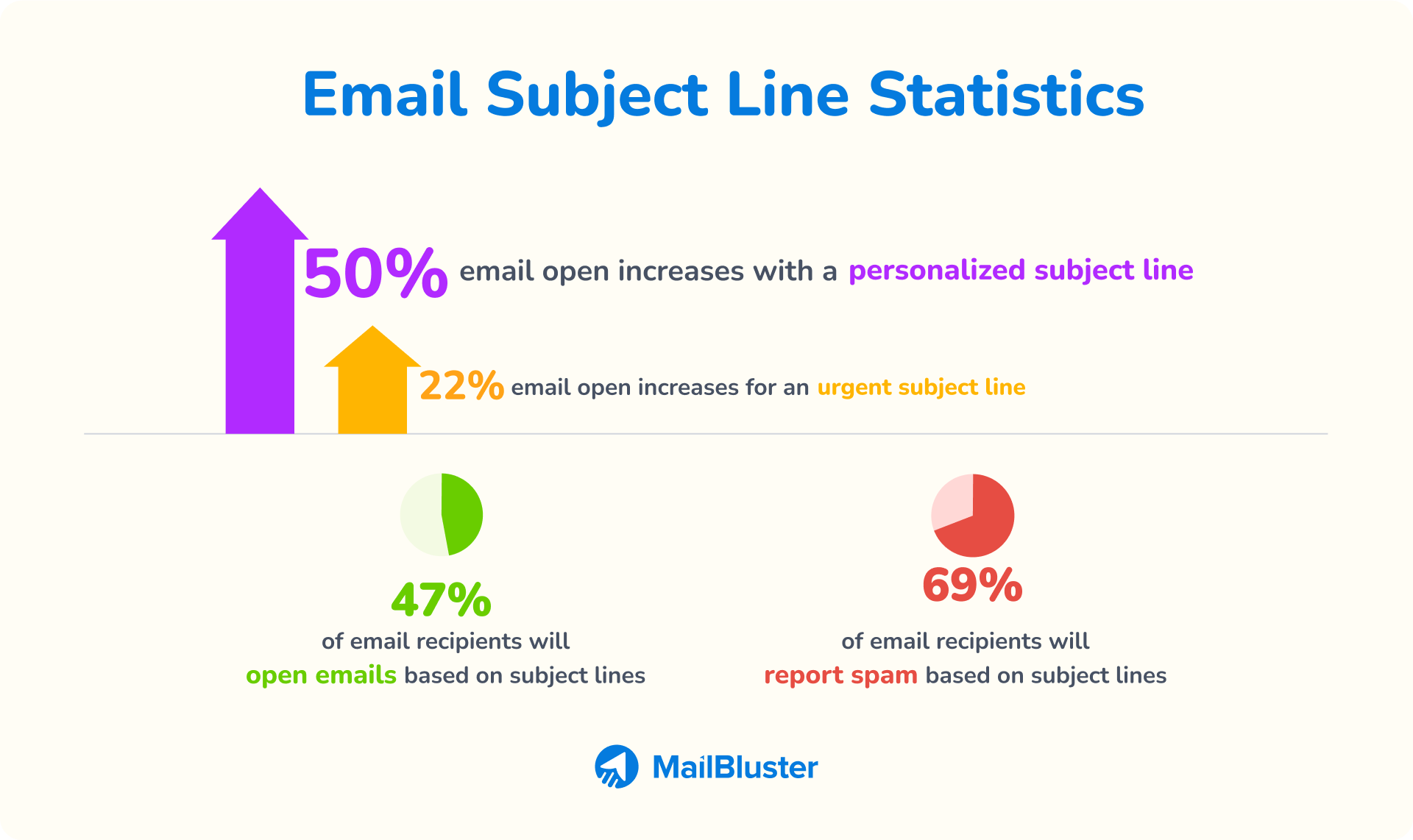
- Urgency and Scarcity: These triggers work by creating a fear of missing out (FOMO). Phrases like "Last chance," "Ending soon," or "Limited inventory" force a decision. However, these must be used sparingly; if every email is "urgent," the recipient eventually becomes desensitized, and your credibility diminishes.
- Curiosity and the Information Gap: Humans are naturally inclined to close gaps in their knowledge. A subject line that asks a question or hints at a secret—such as "The one mistake preventing your growth"—is significantly more compelling than a direct advertisement for a product.
- Relevance and Personalization: Using a name or referencing a past purchase is the baseline. High-level personalization involves segmenting your list by behavior. For instance, sending a subject line like "A better way to manage your [Specific Software] workflow" to a user who recently engaged with a blog post on that topic is far more effective than a generic blast.
Structuring Your Subject Line for Impact
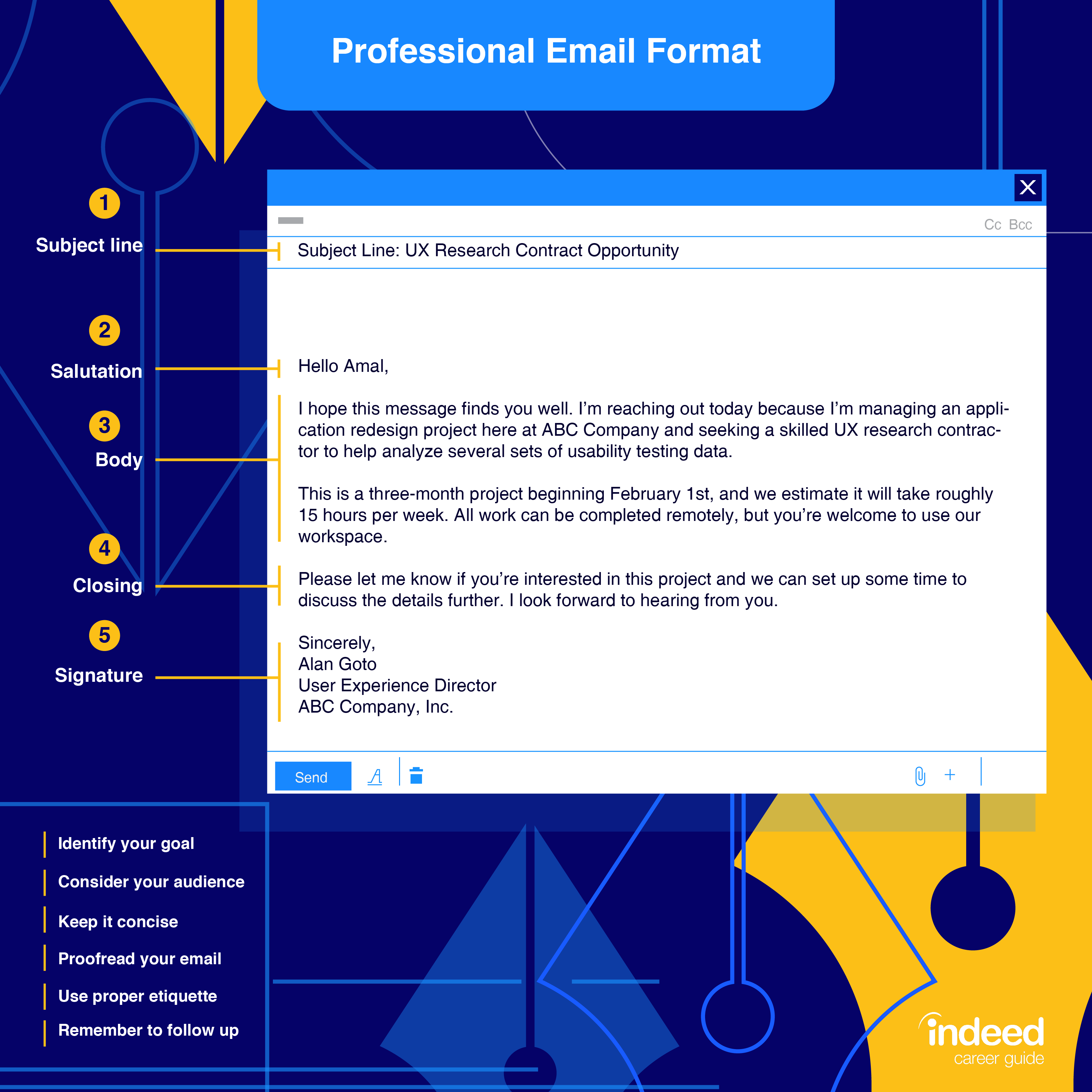
An effective subject line should be viewed as a micro-headline. It serves one purpose: to get the email opened. It is not the place to sell the full service or explain a complex feature. Use the following framework to build your lines:
- The Hook: Start with a verb or a question to grab attention.
- The Benefit: Clearly state what the user gets out of clicking (e.g., "Save 20%," "Learn how to," or "Get early access").
- The Constraint (Optional): Add a time limit or a quantity limit to encourage action.
Common Pitfalls to Avoid
Even with a strong value proposition, certain technical and stylistic errors can tank your performance.
- Over-reliance on Emojis: While emojis can stand out in a sea of text, using multiple emojis or ones that don't align with your brand voice can make your message appear unprofessional or like a phishing attempt. Use them only if they add context or genuine visual appeal.
- Deceptive Subject Lines: Never use "Re:" or "Fwd:" to trick recipients into thinking you are continuing a personal conversation. This builds distrust and leads to high unsubscribe rates, which negatively impacts your sender reputation with ISPs (Internet Service Providers).
- Ignoring the Preheader: The preheader is the snippet of text that appears after the subject line in most email clients. Treat this as an extension of your subject line. If your subject line is "Big news inside," your preheader should explain exactly what that news is.
Performance Comparison of Subject Line Tactics
The table below outlines common strategies and their typical impacts on email engagement.
| Strategy | Primary Benefit | Risk Factor | Best For |
|---|---|---|---|
| Personalized | Higher engagement | Privacy concerns | Customer retention |
| Urgent/Scarcity | Quick conversions | List fatigue | Flash sales |
| Question-based | High open rates | Misleading if vague | Nurture sequences |
| Descriptive | Transparency | Lower curiosity | Updates/Newsletters |
| Minimalist | Stands out | Can seem impersonal | B2B outreach |
Developing a Testing Strategy (A/B Testing)
You cannot know for certain what works for your specific audience until you test it. In 2026, most professional email service providers (ESPs) make A/B testing trivial. When testing subject lines, focus on one variable at a time. Do not change the subject line and the sender name simultaneously, or you will not know which factor caused the difference in open rates.
Test versions against each other using a small percentage of your list (e.g., 10% each) before sending the winning version to the remainder of your audience. Track "Open Rate" as your primary metric for subject line effectiveness, but keep an eye on "Click-Through Rate" (CTR). An effective subject line that leads to zero clicks indicates a disconnect between your subject line and the body content, which is a common source of reader frustration.
Frequently Asked Questions
Does the length of a subject line really matter? Yes. While longer subject lines can work for specific segments that prefer long-form content, shorter subject lines generally perform better on mobile. Always place the most critical information in the first 40 characters.
Should I use all-caps for emphasis? No. Using all-caps is widely recognized as "shouting" in digital communication. It is a frequent trigger for spam filters and is generally off-putting to the reader. Focus on strong, active vocabulary instead.
How often should I change my subject line style? Consistency is key to brand identity, but evolution is necessary for growth. If your open rates are stagnating, experiment with a different style—such as moving from direct and descriptive to curiosity-driven—for a period of 30 days to collect meaningful data.
Are spam trigger words still a thing? Yes. While filters are more intelligent now, words like "Free," "Cash," "Guaranteed," or "Winner" still receive increased scrutiny. Use them with caution and balance them with high-quality, relevant content within the email.
What is the best way to avoid the Promotions tab? Focus on building a relationship. Encouraging subscribers to add your email address to their "Contacts" or "Primary" inbox folder is the most effective way to ensure deliverability. Furthermore, high engagement (opens and replies) signals to ESPs that your content is valuable.
Final Recommendation: Implement a "Subject Line Bank"
To maintain consistency and avoid "writer's block" when preparing email blasts, start an internal document or "Subject Line Bank." Categorize successful past subject lines by campaign goal (e.g., Sales, Educational, Re-engagement). Before launching a new campaign, review your highest-performing historical lines to identify patterns—such as certain sentence structures or specific power words—that your audience consistently responds to. By refining these patterns over time, you create a sustainable, data-backed process for writing email blasts that perform well in any environment.
Image Gallery