A Comprehensive Guide to Securing Auto Insurance in Georgetown, Kentucky
Navigating auto insurance in Georgetown, Kentucky, requires balancing state-mandated coverage requirements with the specific risk factors associated with the Scott County region. Residents must maintain proof of financial responsibilit...
Navigating auto insurance in Georgetown, Kentucky, requires balancing state-mandated coverage requirements with the specific risk factors associated with the Scott County region. Residents must maintain proof of financial responsibility, typically through a liability policy, while weighing options for comprehensive and collision coverage to protect against localized risks such as weather-related damage or wildlife collisions.
Contents
Kentucky’s Legal Framework for Auto Insurance
Kentucky operates as a choice no-fault state, which significantly influences how claims are handled after an accident. This system allows drivers to decide whether they want to retain the right to sue for non-economic damages or opt into a limited-tort system that restricts lawsuits in exchange for potentially lower premiums.
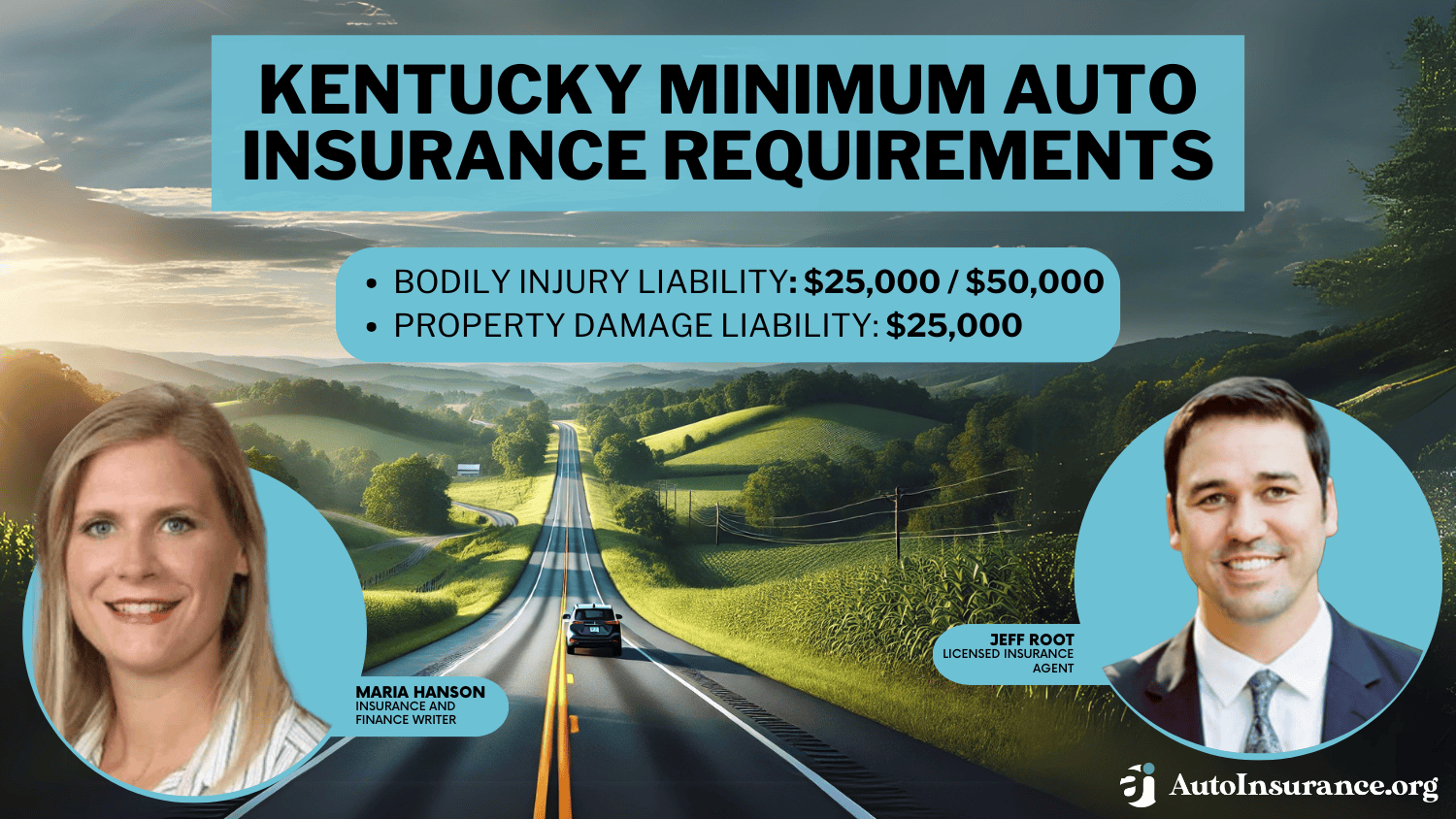
Under Kentucky law, all motor vehicle owners must maintain minimum liability insurance. As of 2026, the statutory minimums are:
- $25,000 for bodily injury or death per person.
- $50,000 for total bodily injury or death per accident.
- $25,000 for property damage per accident.
In addition to these liability requirements, Kentucky mandates Personal Injury Protection (PIP) coverage. Unless you have filed a formal rejection form with the Kentucky Department of Insurance, you are required to carry at least $10,000 in PIP benefits. This coverage pays for medical expenses, lost wages, and other related costs for you and your passengers, regardless of who caused the accident.
Regional Factors Affecting Premiums in Georgetown
When insurance companies calculate premiums for Georgetown residents, they utilize actuarial data that considers both statewide trends and localized risks. Georgetown’s position as a hub in the Bluegrass region introduces specific variables:
- Traffic Density and Commute Patterns: As a growing community with proximity to Lexington, many Georgetown residents engage in daily regional commuting. Higher vehicle density on routes such as I-75 and US-25 increases the statistical likelihood of minor accidents, which insurance providers incorporate into local risk assessment models.
- Weather and Environmental Hazards: The Kentucky climate presents seasonal risks, including severe thunderstorms in the spring and potential ice or snow accumulation in the winter. Comprehensive insurance is often recommended in Georgetown to cover non-collision events, such as wind damage, hail, or fallen trees.
- Wildlife Activity: The outskirts of Scott County are home to significant deer populations. Animal strikes are a frequent cause of insurance claims in Kentucky. Drivers who frequent rural roads during dawn or dusk may find that collision coverage—which covers these incidents—is a vital component of their risk management strategy.
Understanding Coverage Types
Beyond the mandatory liability and PIP, policyholders have access to a variety of elective coverages. Choosing the right mix requires an honest assessment of your vehicle’s value, your financial reserves, and your risk tolerance.
| Coverage Type | Purpose | Recommendation |
|---|---|---|
| Liability | Covers injuries and property damage you cause to others. | Required by law; consider higher limits if you have significant assets. |
| PIP (No-Fault) | Covers medical bills and lost wages for you and passengers. | Required unless specifically rejected; essential for immediate post-accident care. |
| Collision | Covers repairs to your car regardless of fault. | Highly recommended if your vehicle is financed or has high market value. |
| Comprehensive | Covers theft, fire, vandalism, and weather damage. | Crucial for protection against natural elements and common regional hazards. |
| Uninsured Motorist | Covers you if you are hit by a driver without insurance. | Strongly advised given the statistical frequency of uninsured drivers in the region. |
Selecting an Insurance Provider
When searching for a provider in Georgetown, residents should balance price with claims-handling reputation. Because Kentucky’s insurance market is competitive, consumers have access to national carriers as well as regional mutual companies.
To identify the best policy, follow this structured evaluation process:
- Verify Licensing: Ensure the insurance company is licensed to operate in Kentucky by checking the official records of the Kentucky Department of Insurance.
- Request Multiple Quotes: Obtain at least three quotes for identical coverage levels. Comparing apples-to-apples is critical; ensure the deductible amounts and liability limits are consistent across all quotes.
- Assess Discounts: Ask providers about specific discounts. Common reductions include bundling auto policies with homeowners or renters insurance, safe driver discounts, and discounts for vehicle safety features.
- Evaluate Financial Stability: Review the financial strength ratings of providers through agencies like A.M. Best or S&P Global. A carrier’s ability to pay out large claims is as important as the monthly premium.
Common Pitfalls and Troubleshooting
Drivers often make errors that complicate the insurance process. Avoiding these mistakes can save significant time and money:
- Lapses in Coverage: Kentucky requires continuous insurance. If your policy lapses, you may face fines from the state, and your future premiums may increase significantly when you eventually reinstate coverage.
- Insufficient Limits: Minimum legal limits ($25k/$50k/$25k) are rarely enough to cover a serious accident involving multiple vehicles or severe injuries. If you cause an accident exceeding your limits, you remain personally liable for the remaining balance.
- Failing to Update Information: If you move to a new zip code within Georgetown or change your annual mileage, notify your provider. Misrepresentation of your garaging location can lead to claim denials.
If you encounter issues—such as a denied claim or an unresolved dispute—the Kentucky Department of Insurance provides a consumer complaint division. They can assist with investigating whether an insurer is acting in accordance with state regulations and the terms of your policy.
Frequently Asked Questions
Does Kentucky require proof of insurance in my vehicle? Yes. Kentucky law requires you to maintain evidence of financial responsibility in your vehicle at all times. This can be a paper card provided by your insurer or a digital version accessible via a mobile application or electronic device.
How does my credit score affect my insurance rate in Georgetown? Under current Kentucky regulations, insurance providers are permitted to use credit-based insurance scores as one of many factors when determining premiums. A higher score often correlates with lower premiums, as statistical models view these individuals as lower-risk policyholders.
What should I do if I am involved in an accident in Georgetown? First, ensure the safety of all involved parties and call the Georgetown Police Department or the Scott County Sheriff's Office to file an official report. Exchange insurance information with the other driver, document the scene with photographs, and contact your insurance provider as soon as possible to initiate the claims process.
Can I reject PIP coverage in Kentucky? Yes, but you must complete a specific rejection form designated by the state. Before rejecting PIP, consider that it covers your immediate medical needs without the requirement of proving fault. Rejection is generally only advisable if you have robust, independent health insurance that specifically covers automobile accident injuries.
Are there specific discounts for safe driving in Scott County? Many insurers offer telematics programs where a device or mobile app tracks your driving habits, such as speed, braking, and time of day. If you demonstrate consistently safe driving, you may qualify for discounts that go beyond standard age or experience-based reductions.
Final Next Actions
To finalize your auto insurance strategy for 2026, begin by gathering your current policy declarations page and your vehicle’s Vehicle Identification Number (VIN). Review your current limits against your current personal asset profile. If you have significant savings or home equity, consider increasing your liability coverage to at least $100,000/$300,000 to insulate your personal wealth. Finally, use the Kentucky Department of Insurance website to cross-reference your potential providers and ensure they have a clean regulatory record in the Commonwealth.
Image Gallery