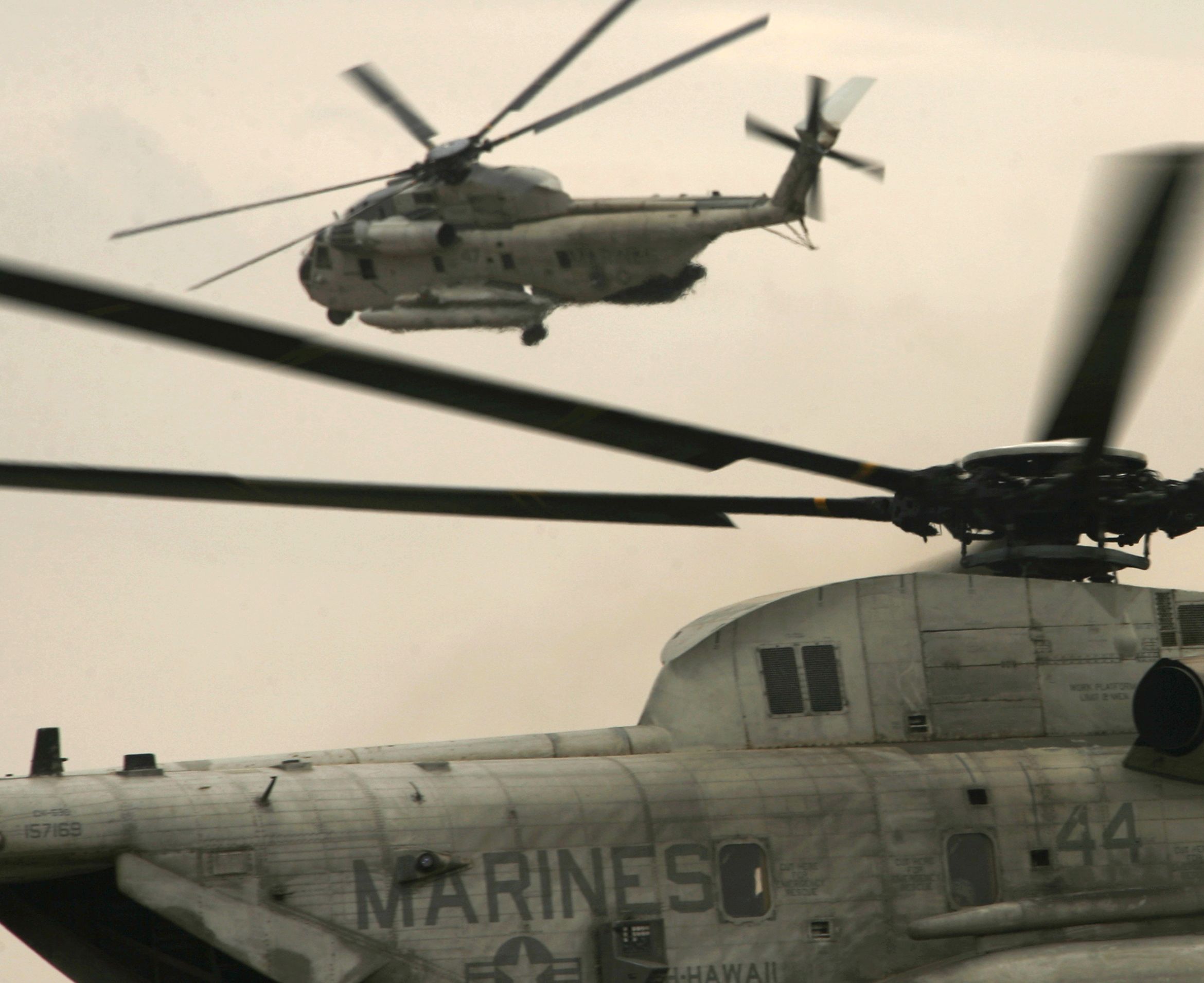
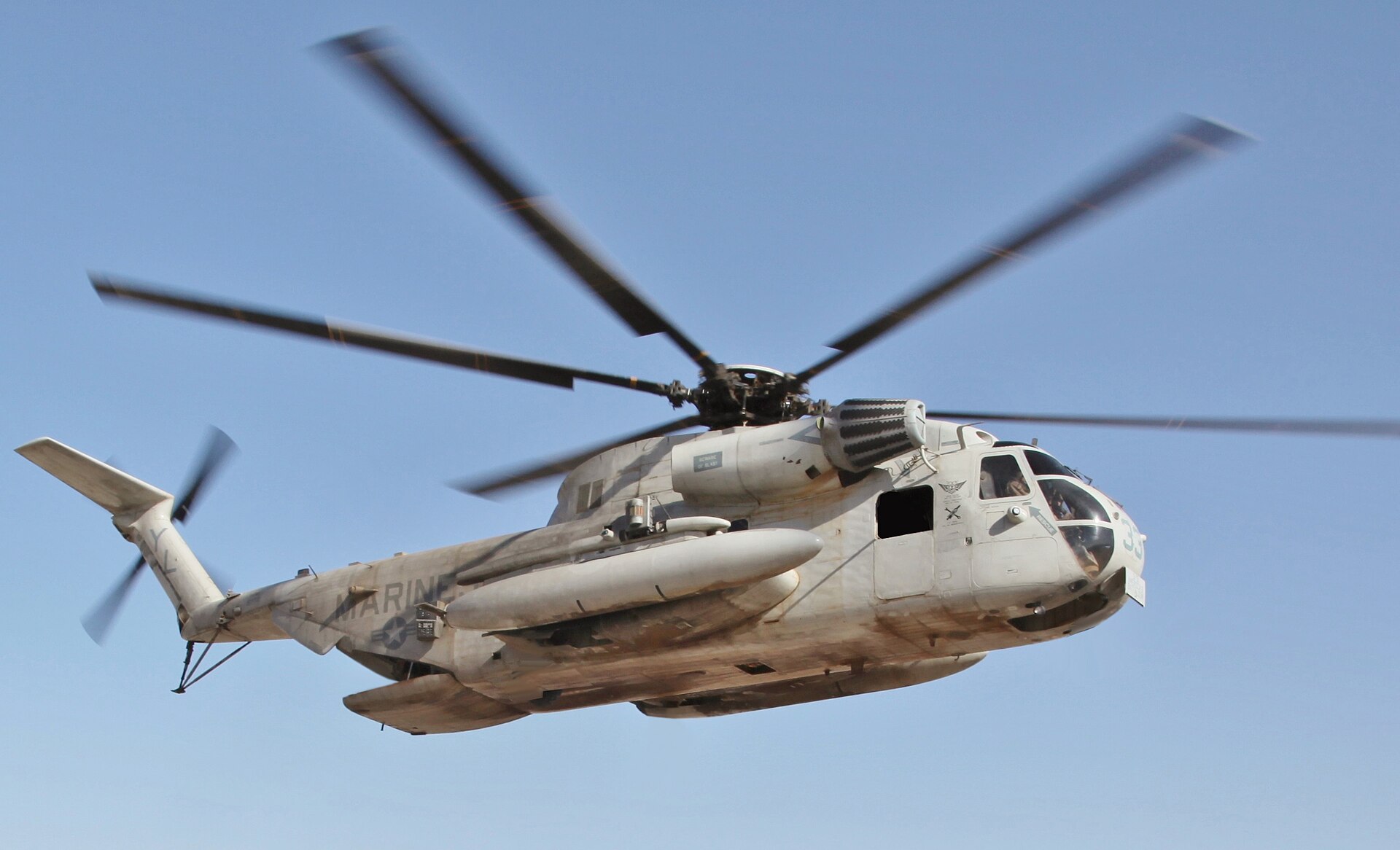
When Marines Killed in Helicopter Crash Highlight Operational Risks
The loss of Marines in helicopter crashes serves as a somber reminder of the inherent dangers associated with military aviation, where complex mechanical systems intersect with unforgiving environmental conditions. These tragic inciden...
The loss of Marines in helicopter crashes serves as a somber reminder of the inherent dangers associated with military aviation, where complex mechanical systems intersect with unforgiving environmental conditions. These tragic incidents often trigger rigorous investigations, identifying specific failures or systemic trends that prompt immediate shifts in training, maintenance protocols, and risk assessment methodologies to safeguard personnel during future training and combat operations.
Contents
Understanding the Scope of Military Aviation Risk
Military aviation is fundamentally different from civilian air transport. While both rely on the principles of aeronautics, Marine Corps helicopter operations are frequently conducted in high-stakes environments that include nap-of-the-earth flight, night-vision goggle (NVG) navigation, landing on unprepared surfaces, and operating in extreme weather conditions. The intersection of these variables creates a unique profile of "operational risk."
Operational risk in this context is defined as the potential for loss resulting from inadequate or failed internal processes, people, and systems, or from external events. When a helicopter crash occurs, it is rarely the result of a single catastrophic failure. Instead, it is typically a "chain of events" model, where several minor issues—such as a slightly degraded component, a momentary lapse in pilot fatigue management, or an unforecasted weather cell—align to create a fatal outcome.
The Role of Investigative Processes
Following a fatal crash involving Marines, the Department of the Navy initiates a series of investigations. The most prominent is the Command Investigation (CI), which is an administrative fact-finding body. Concurrently, a Safety Investigation Board (SIB) is often convened. Unlike the CI, which seeks to establish accountability and potential negligence, the SIB is designed to be a non-punitive, protected process. Its sole purpose is to determine the "root cause" of the accident so that the findings can be used to prevent recurrence across the entire fleet.
Technical Factors Influencing Operational Safety
The mechanical complexity of platforms used by the Marine Corps, such as the CH-53K King Stallion or the MV-22B Osprey, requires a constant balance between performance capabilities and maintenance requirements. These aircraft are marvels of engineering, but their technical complexity necessitates a high "maintenance-to-flight" ratio.
Maintenance and Logistics Hurdles
The availability of spare parts and the expertise of maintenance personnel are critical pillars of operational safety. When a fleet experiences a higher-than-expected rate of wear, the resulting "cannibalization" of parts—taking functional parts from one aircraft to keep another in the air—can lead to unintended consequences. Rigorous adherence to Technical Directives (TDs) and Time Compliance Technical Orders (TCTOs) is mandatory to ensure that potential mechanical fatigue is identified before it reaches a point of failure.
Environmental Constraints
Marine aviation often operates in littoral environments, which present specific hazards such as salt-air corrosion and "brownout" conditions. Brownouts occur during takeoff or landing on dusty terrain, where rotor wash creates a dense cloud of debris that obscures the pilot’s vision. While sensor-fusion technology and advanced flight control systems have mitigated these risks significantly, they remain a factor in mission planning and execution.
Comparative Risk Assessment Table
The following table illustrates the categories of risk management typically applied when evaluating military aviation mission readiness.
| Risk Category | Primary Mitigation Tool | Impact on Operational Planning |
|---|---|---|
| Mechanical Failure | Preventive Maintenance Inspection (PMI) | Limits aircraft availability; forces grounding. |
| Human Error | Crew Resource Management (CRM) | Enhances communication and situational awareness. |
| Environmental | Meteorological/Oceanographic (METOC) Data | Influences mission timing and route selection. |
| Systemic/Organizational | Operational Risk Management (ORM) | Determines whether a mission "Go/No-Go" proceeds. |
Human Factors and Crew Resource Management
Technology is only one half of the safety equation. The other half is the human component. Crew Resource Management (CRM) is a comprehensive training program used to optimize the communication, situational awareness, and decision-making of flight crews. The core philosophy of CRM is that even in a hierarchical environment like the Marine Corps, any crew member—regardless of rank—must be empowered to speak up if they identify a risk or a deviation from safety protocols.
Fatigue and Operational Tempo
One of the most persistent operational risks is the impact of a high operational tempo (OPTEMPO) on pilot performance. Chronic fatigue can impair cognitive functions, leading to reduced spatial awareness. By 2026, the integration of advanced biometric monitoring and strictly enforced "crew rest" cycles has become a cornerstone of Marine aviation safety, ensuring that aircrews are physically and mentally prepared for the demands of their flight sorties.
Managing Risks in Training Versus Combat
It is a common misconception that crashes are more likely during combat. Historically, a significant portion of aviation accidents occur during training exercises. This is due to the nature of training: pilots are often pushing the limits of the aircraft and their own capabilities to prepare for the worst-case scenarios.
To manage this, the Marine Corps utilizes the ORM process (Operational Risk Management), a cyclical six-step process that involves:
- Identifying hazards.
- Assessing hazards for severity and probability.
- Making risk decisions.
- Implementing controls.
- Supervising the process.
This process ensures that the "risk versus reward" ratio is calculated before any rotor turns. If the mission objective is purely for training, the risk threshold is set much lower than it would be in a high-stakes combat operation.
Frequently Asked Questions
Why do investigations into Marine aviation crashes take so long?
Investigations are complex because they must account for flight data recorder analysis, wreckage recovery, forensic meteorology, and human factors. To ensure absolute accuracy and to prevent similar accidents, investigators must perform a "deep dive" into the entire lifecycle of the specific aircraft involved, which can span thousands of pages of maintenance logs and communication records.
How does the Marine Corps ensure aircraft are safe to fly after an accident?
The Marine Corps utilizes a "return to service" process that involves a full fleet-wide inspection of aircraft sharing the same component or design feature implicated in an accident. If a systemic fault is found, the fleet may be grounded while engineers implement a fix or update flight software, ensuring that the entire platform is cleared for operation.
What is the most common cause of helicopter accidents?
There is no single "most common" cause, as accidents usually stem from a combination of factors. However, "controlled flight into terrain" (CFIT) and mechanical malfunctions related to drive-train components are historically significant contributors. Modern advancements in terrain avoidance radar and vibration monitoring systems have significantly reduced these occurrences.
How does military aviation safety differ from civilian commercial aviation?
Civilian aviation operates in a highly controlled environment with standardized flight paths, constant radar coverage, and a focus on predictability. Military aviation operates in unpredictable, hostile, or austere environments where the mission requirement often necessitates flying in conditions that would cause a civilian flight to be cancelled.
Recommendations for Operational Integrity
To mitigate operational risks effectively, the focus must remain on the trifecta of engineering, training, and institutional culture. The "Safety First" culture is not merely a slogan but a requirement for the longevity of the force. Leaders should ensure that maintenance teams are not pressured to bypass standard procedures to meet arbitrary mission goals, and that aircrews are provided with the most current data regarding aircraft performance and environmental hazards.
For those tracking the status of aviation safety, official reports from the Naval Safety Command serve as the most accurate source of verified data. These records provide transparency into the challenges the Corps faces and the corrective actions taken to maintain air superiority without compromising the lives of the Marines who operate these complex machines.
Image Gallery