The Zion Death in 2025 Explained: Understanding the Impact on Zion National Park’s Infrastructure and Policy
In 2025, the term "Zion death" emerged as a colloquial, often misinterpreted search query regarding tragic fatalities within Zion National Park. These incidents—primarily involving hikers, canyoneers, and rock climbers—highlight the in...
In 2025, the term "Zion death" emerged as a colloquial, often misinterpreted search query regarding tragic fatalities within Zion National Park. These incidents—primarily involving hikers, canyoneers, and rock climbers—highlight the inherent risks of extreme terrain and the evolving safety protocols implemented by the National Park Service (NPS) to address rising visitor numbers and environmental hazards.
Contents
The Context of Safety in Zion National Park
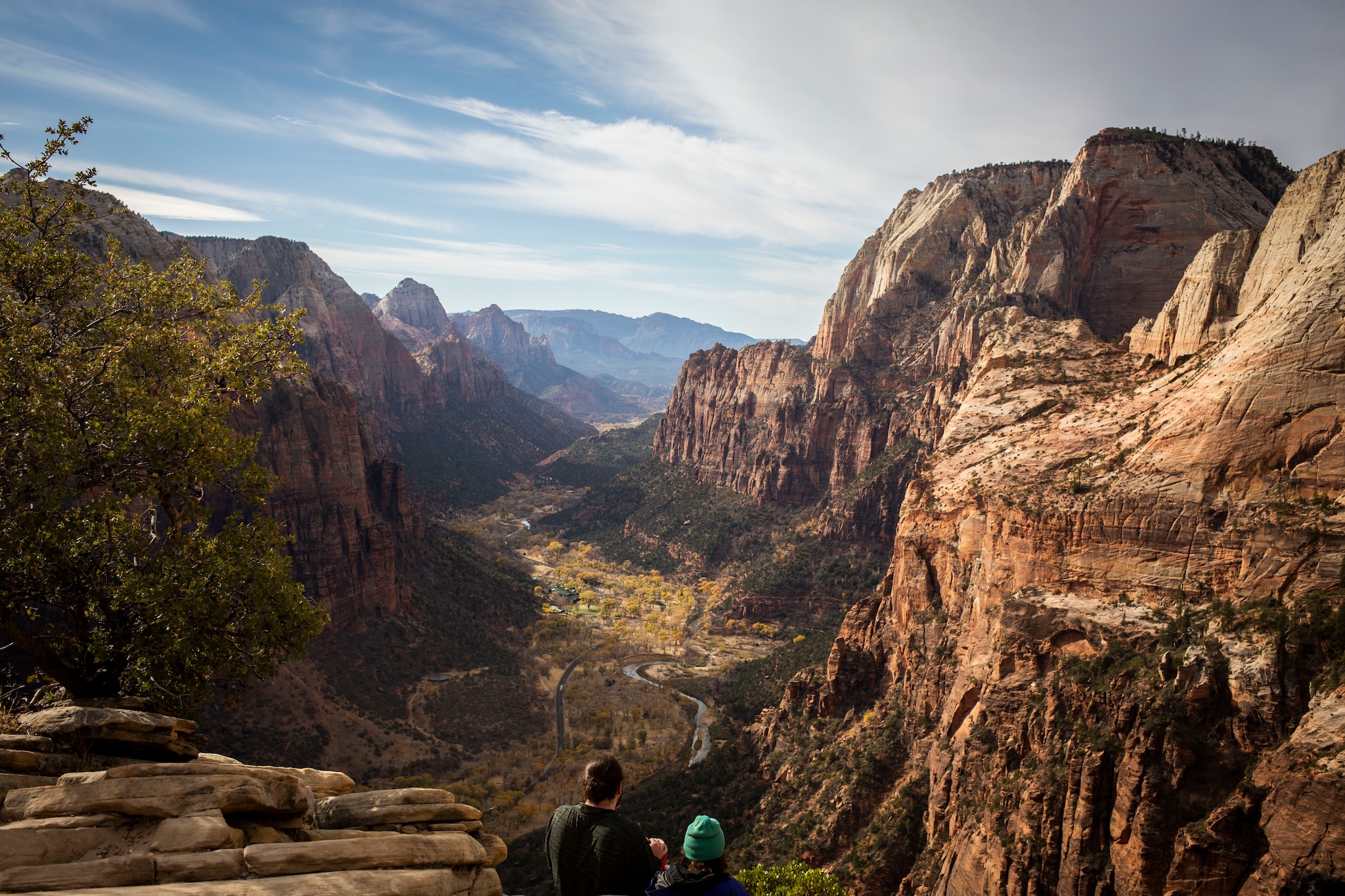
Zion National Park, located in southwestern Utah, is renowned for its sheer sandstone cliffs, deep slot canyons, and iconic trails such as Angels Landing and The Narrows. As one of the most visited national parks in the United States, Zion experiences a high volume of foot traffic. This concentration of visitors, many of whom may lack experience in technical terrain, creates a challenging environment for park management.
The term "Zion death" is not an official designation but rather a search term used by the public to aggregate news regarding fatal accidents that occurred within the park's boundaries during the 2025 calendar year. These fatalities often stem from environmental factors rather than equipment failure, including flash flooding, heat exhaustion, and long-distance falls from technical routes.
Environmental Hazards: The Primary Drivers of Fatalities
Understanding why fatalities occur requires an analysis of the specific geological and climatic challenges Zion presents. Unlike forested parks, Zion is defined by verticality and unpredictable water movement.
1. The Flash Flood Danger
Slot canyons, such as The Narrows and the various routes in the Zion backcountry, are susceptible to flash flooding. Even if it is not raining within the canyon itself, rain miles away can cause a wall of water to rush through narrow passages with little warning. In 2025, management continued to emphasize that weather forecasts for the park are not always indicative of conditions in the high-elevation drainages that feed these canyons.
2. Heat and Dehydration
During the summer months, temperatures in Zion Canyon frequently exceed 100°F (38°C). Hikers who are unprepared for the lack of shade and the physical exertion required for steep climbs, such as the West Rim Trail, are at risk of exertional heatstroke and severe dehydration. These medical emergencies can rapidly turn fatal if the individual is in a remote area, making rescue operations difficult and time-consuming.
3. Technical Terrain and Falls
Many of the park’s most famous features require navigating exposed ridges. While the NPS has introduced permit systems for high-traffic areas like Angels Landing to manage congestion, falls remain a risk for those who do not maintain situational awareness or who attempt routes beyond their skill level.
Comparative Analysis of Park Hazards
To understand the nature of these incidents, it is helpful to look at how different activities in the park carry different risk profiles. The following table summarizes the primary safety considerations for common activities in Zion as observed through 2025 incident reports.
| Activity | Primary Risk Factor | Mitigation Strategy |
|---|---|---|
| Canyoneering | Flash floods, rappelling failure | Monitor upstream weather; use redundant anchors |
| High-Ridge Hiking | Falls from heights, exposure | Adhere to designated paths; use handrails where provided |
| Long-Distance Trekking | Dehydration, heat exhaustion | Carry 3+ liters of water; hike during early morning hours |
| Rock Climbing | Loose sandstone, fall accidents | Use professional-grade gear; verify rock stability |
The NPS Approach to Visitor Management
In response to the volume of incidents, the National Park Service has adopted a proactive, data-driven approach to safety. By 2026, the policies implemented during the preceding year have become standard operating procedure for park rangers and safety coordinators.
The Permit System
The introduction and enforcement of permit systems for high-risk, high-traffic hikes serve a dual purpose: crowd control and safety education. By requiring hikers to secure a permit, the park ensures that visitors have access to pre-hike briefings, which outline current trail conditions, weather alerts, and mandatory gear lists. This creates a "gatekeeper" effect that filters out individuals who may not be adequately prepared for the physical toll of the terrain.
Search and Rescue (SAR) Logistics
Zion’s Search and Rescue teams are among the most active in the national park system. The challenges they face in 2025 and 2026 involve the logistics of "vertical rescue"—using helicopters and technical rope systems to extract injured parties from narrow, steep canyons. The cost and resource intensity of these operations are a major driver of the park's ongoing emphasis on preventative safety messaging.
Understanding Risk Mitigation
For those planning a trip to Zion, the "death" narrative serves as a stark reminder of personal responsibility. National parks are wilderness areas, and while the NPS provides infrastructure, they cannot eliminate natural dangers.
- Weather Literacy: Never enter a slot canyon if there is even a remote chance of rain in the drainage basin. Use the Zion National Park website’s official weather monitoring tools.
- Physical Preparation: Understand the elevation gain of your intended route. Many incidents occur simply because hikers are too exhausted to make safe decisions on the descent.
- Emergency Communication: While cell service is unreliable in the canyon, carrying a satellite messenger (such as a Garmin inReach) is increasingly recommended by park rangers for backcountry excursions.
Frequently Asked Questions (FAQ)
Is hiking in Zion dangerous? Hiking in Zion involves inherent risks common to high-desert and canyon environments. While the park is a popular tourist destination, it is also a rugged wilderness. Most risks can be mitigated through thorough planning, carrying adequate water, and respecting weather warnings.
Did the fatality rate increase in 2025? Fatality statistics fluctuate year to year based on visitor volume and weather patterns. The focus in 2025 remained on managing the high number of inexperienced hikers who underestimate the difficulty of the park's more strenuous trails.
What should I do if I see someone in distress on a trail? If it is safe to do so, remain with the individual and send another member of your party to find park personnel or a location with cell service. If you have a radio, channel 16 is often monitored, but in a true emergency, call 911 if service is available.
Are children allowed on high-risk trails? While not prohibited on many trails, parents are strongly discouraged from taking young children on steep, exposed routes like Angels Landing. The physical demands and the need for constant focus make these areas unsuitable for many minors.
Why are there permit requirements now? Permits for specific high-traffic trails were implemented to prevent overcrowding, which directly correlates to safety. By limiting the number of people on a trail at one time, the park reduces the likelihood of congestion-related accidents and improves the ability of rescue teams to navigate the area if an emergency occurs.
Where can I find current trail conditions? Always consult the official National Park Service website for Zion. Conditions change daily based on rockfalls, flooding, and seasonal trail maintenance. Do not rely on third-party hiking apps for real-time safety closures.
Recommendation for Visitors
If you are planning to visit Zion, prioritize preparation over spontaneity. Before arriving, check the official Zion National Park page for current alerts. If you intend to engage in technical canyoneering or strenuous hiking, ensure your group has the necessary experience and equipment. The most effective way to avoid becoming part of an incident report is to respect the power of the environment—when in doubt, turn back, choose a less hazardous trail, or consult with a park ranger at the Visitor Center regarding current trail safety.
Image Gallery