Understanding Otrivin Side Effects: A Comprehensive Guide to Usage and Safety
Otrivin, a widely utilized brand of nasal decongestants containing the active ingredient xylometazoline, provides rapid relief from nasal congestion caused by colds, sinusitis, or allergies. While highly effective at narrowing blood ve...
Otrivin, a widely utilized brand of nasal decongestants containing the active ingredient xylometazoline, provides rapid relief from nasal congestion caused by colds, sinusitis, or allergies. While highly effective at narrowing blood vessels in the nasal passages to reduce swelling and improve airflow, it is essential for users to understand its potential side effects, usage limitations, and safety profiles to avoid complications like rebound congestion or systemic absorption issues.
Contents
Understanding Otrivin and Its Mechanism
Otrivin functions as a sympathomimetic amine. When sprayed into the nostrils, the xylometazoline acts directly on the alpha-adrenergic receptors in the nasal mucosa. By stimulating these receptors, it causes vasoconstriction—the narrowing of the blood vessels. This immediate reduction in blood flow decreases the swelling of the nasal lining, which is the primary cause of a "stuffy nose." Because the effect is almost instantaneous, users often experience significant relief within minutes.
However, the efficacy of this drug is intended for short-term management. Because it is a potent pharmaceutical agent, it carries a specific risk profile that differentiates it from saline sprays or natural alternatives. Understanding that Otrivin treats the symptom (congestion) rather than the underlying cause (such as a viral infection or allergic reaction) is crucial for safe integration into a health management routine.
Common and Expected Side Effects
Most users tolerate Otrivin well when used according to the label instructions. However, because it is applied directly to sensitive mucosal tissue, mild local reactions are common. These side effects typically dissipate shortly after the medication is discontinued.
- Nasal Irritation: A stinging or burning sensation in the nose is frequently reported immediately following administration. This is usually mild and transitory.
- Dryness: Prolonged use can lead to excessive drying of the nasal mucosa, which may feel like crusting or an uncomfortable "tight" sensation inside the nostrils.
- Sneezing: Some individuals may experience a reflex sneezing fit immediately after the spray, which is generally a mechanical response to the delivery method rather than an allergic reaction.
- Increased Mucus Production: Occasionally, the nose may run more than usual as the tissues react to the application of the medicine.
The Risk of Rebound Congestion (Rhinitis Medicamentosa)
The most significant clinical concern associated with the misuse of Otrivin is rhinitis medicamentosa, commonly known as "rebound congestion." This occurs when the nasal tissues become dependent on the drug to maintain normal blood vessel tone.
If Otrivin is used for more than three to seven consecutive days, the nasal blood vessels may lose their natural ability to constrict on their own. When the medication wears off, the vessels dilate more aggressively than they did before the treatment, resulting in even worse congestion than the original condition. This creates a cycle where the user sprays more medication to alleviate the rebound effect, leading to permanent structural changes in the nasal mucosa if continued for extended periods.
Systemic Effects and Potential Risks
Although Otrivin is applied locally, systemic absorption into the bloodstream can occur, particularly if the product is overused or swallowed. While rare in healthy adults, these systemic effects can manifest as:
- Cardiovascular Changes: Increased heart rate (tachycardia) or palpitations, as xylometazoline can stimulate adrenergic receptors elsewhere in the body.
- Blood Pressure Fluctuations: Temporary elevation in blood pressure.
- Neurological Sensations: Dizziness, headache, or a feeling of nervousness.
- Sleep Disturbances: Insomnia or restlessness, especially if the spray is used late in the evening.
Individuals with pre-existing conditions such as hypertension, cardiovascular disease, hyperthyroidism, or diabetes should consult a healthcare provider before using xylometazoline-based products. These groups are at a higher risk of experiencing adverse systemic reactions.
Comparison of Nasal Decongestant Safety Profiles
| Feature | Otrivin (Xylometazoline) | Saline Nasal Sprays | Corticosteroid Sprays |
|---|---|---|---|
| Primary Use | Acute, short-term relief | Daily hygiene, moisture | Long-term allergy management |
| Mechanism | Vasoconstriction | Mechanical flushing | Anti-inflammatory |
| Max Duration | 3-7 days | No limit | Long-term (as prescribed) |
| Rebound Risk | High (if misused) | None | None |
| Onset | Minutes | N/A | Several days |
Guidelines for Safe Administration
To minimize the risk of side effects, adhering to strict usage protocols is necessary.
- Duration Limit: Never use Otrivin for longer than seven consecutive days. If symptoms persist beyond this window, the underlying issue likely requires a different medical intervention, such as an antihistamine or a corticosteroid nasal spray.
- Dosage Control: Do not exceed the recommended number of sprays per nostril. More is not better; increasing the dose only elevates the risk of systemic absorption and rebound congestion.
- Individual Use: Never share a nasal spray bottle with others. Sharing can lead to the spread of bacteria or viruses between users, contaminating the medication and causing secondary infections.
- Device Maintenance: Wipe the nozzle with a clean tissue after each use and replace the cap to prevent environmental contamination of the applicator tip.
Addressing Pediatric and Elderly Considerations
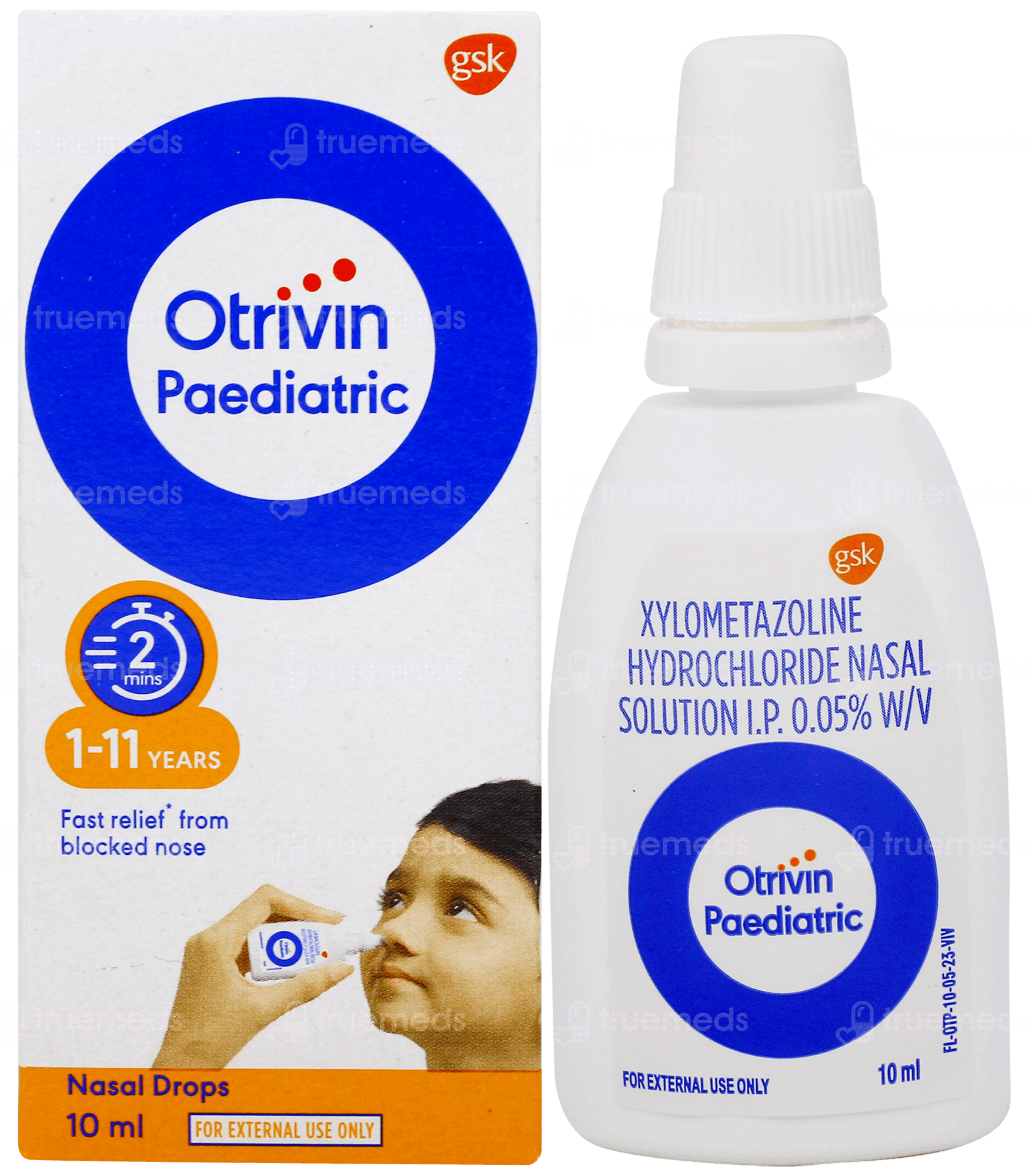
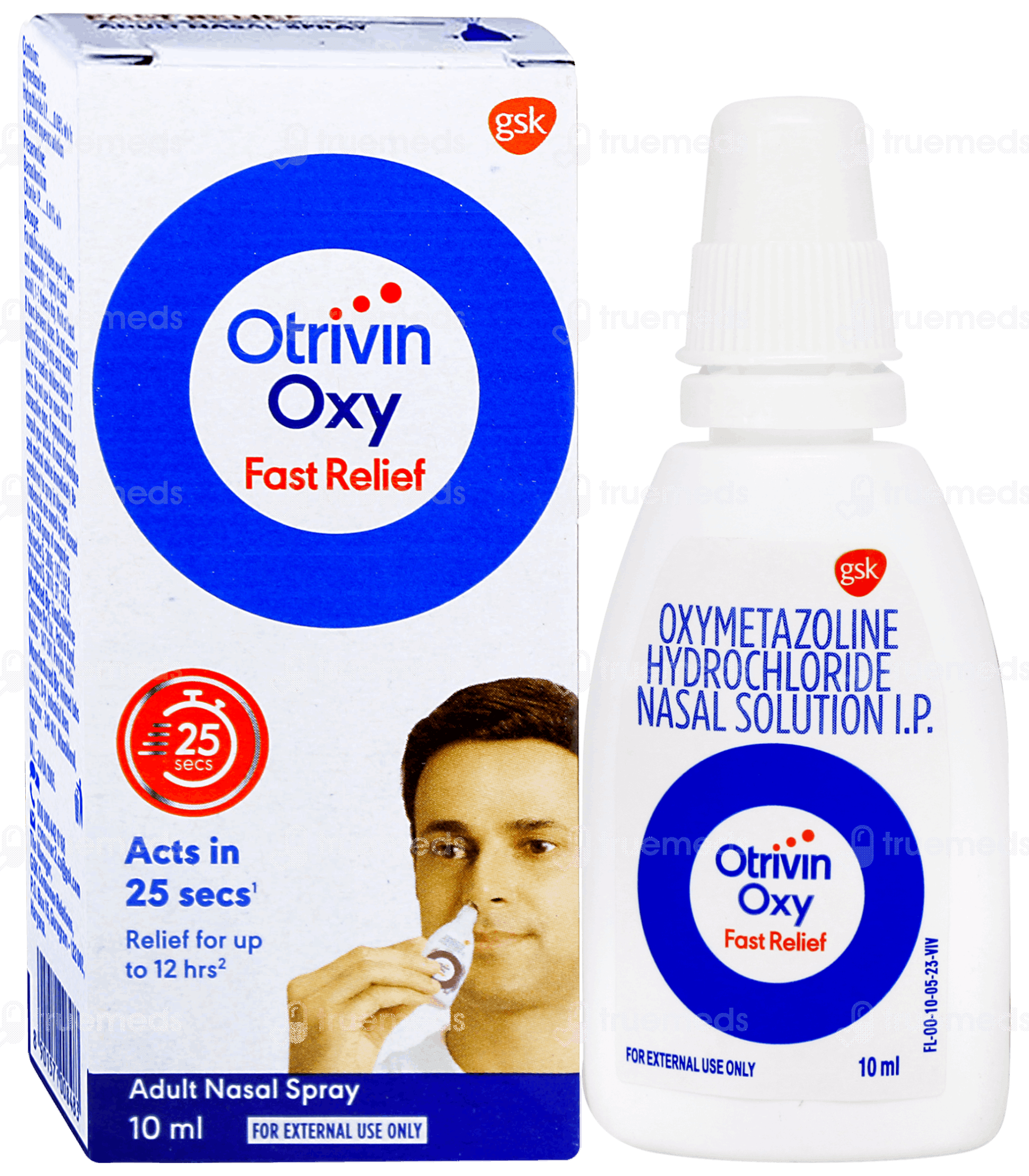
Children and the elderly require heightened caution. Pediatric formulations of Otrivin exist with lower concentrations of xylometazoline; never use an adult-strength product on a child, as the risk of systemic toxicity is significantly higher due to their smaller body mass.
For the elderly, the risk of cardiovascular side effects is heightened. If an older adult has underlying heart rhythm issues or high blood pressure, even short-term use of decongestants can complicate these conditions. A consultation with a physician is the standard of care for these vulnerable populations before initiating treatment.
Frequently Asked Questions
1. Can I use Otrivin every day for my chronic allergies? No. Otrivin is designed for temporary relief from acute congestion. Using it daily for chronic allergies will almost certainly result in rebound congestion. Consult your doctor for allergy-specific medications like antihistamines or steroid sprays, which are safer for long-term use.
2. What should I do if I am already experiencing rebound congestion? The most effective way to treat rebound congestion is to stop the use of the decongestant spray immediately. This may cause several days of intense discomfort, but the nasal tissues will eventually recover their natural tone. Some physicians may suggest weaning off the spray by using it in only one nostril at a time or transitioning to a saline spray.
3. Is Otrivin safe to use during pregnancy? Generally, medical advice cautions against using decongestant sprays during pregnancy unless explicitly cleared by an obstetrician. Systemic absorption of vasoconstrictors may theoretically affect blood flow, so alternatives are usually preferred.
4. Why does my heart race after I use this nasal spray? This is a systemic side effect. Xylometazoline can cross into the bloodstream and act on the heart’s receptors. If you experience a racing heart or palpitations, discontinue use and speak to your pharmacist or doctor immediately.
5. How long does it take for the rebound effect to wear off? Recovery time varies by individual and the duration of prior misuse. Typically, it takes between one to two weeks for the nasal lining to return to its normal state after cessation of the drug.
Recommendation for Next Steps
If you have been using Otrivin for more than a week and find yourself unable to breathe through your nose without it, you are likely suffering from rebound congestion. The recommended next step is to cease use of the product entirely. While the first 48 to 72 hours will be difficult, your nasal passages will naturally regain their function. If your congestion persists or is accompanied by fever, facial pain, or thick, discolored discharge, seek medical evaluation to rule out a secondary bacterial sinus infection that may require antibiotics or a different therapeutic approach.
Image Gallery