Delta Worker Dies in Orlando: Workplace Safety and Regulatory Oversight in Aviation
The tragic death of a Delta Air Lines employee at Orlando International Airport (MCO) has brought renewed focus to the complexities of aviation ground operations and the stringent safety standards required in high-traffic airfield envi...
The tragic death of a Delta Air Lines employee at Orlando International Airport (MCO) has brought renewed focus to the complexities of aviation ground operations and the stringent safety standards required in high-traffic airfield environments. As investigations into the incident continue, the focus remains on established Occupational Safety and Health Administration (OSHA) protocols, the mechanical hazards inherent to ramp operations, and the evolving culture of workplace safety within the aviation industry.
Contents
The Context of Aviation Ground Safety
Aviation ground operations represent one of the most hazardous work environments in the commercial transport sector. Ramp agents and ground support personnel operate in a dynamic, high-noise environment characterized by heavy machinery, moving aircraft, and volatile weather conditions. When a fatality occurs in such a setting, the incident triggers a multi-agency review process designed to identify whether the cause was a failure of equipment, a lapse in procedural compliance, or an unforeseen environmental factor.
In the case of the incident involving a Delta worker in Orlando, the regulatory framework governing the investigation involves the Federal Aviation Administration (FAA), which oversees airspace and airport operational safety, and OSHA, which holds jurisdiction over worker safety and occupational hazards. Understanding these roles is essential for grasping why such investigations are both thorough and time-consuming. OSHA mandates specific training for ground handlers, including requirements for personal protective equipment (PPE), communication protocols during "pushback" maneuvers, and the maintenance of clear "safety zones" around aircraft engines and landing gear.
Anatomy of Ramp Operations and Inherent Risks
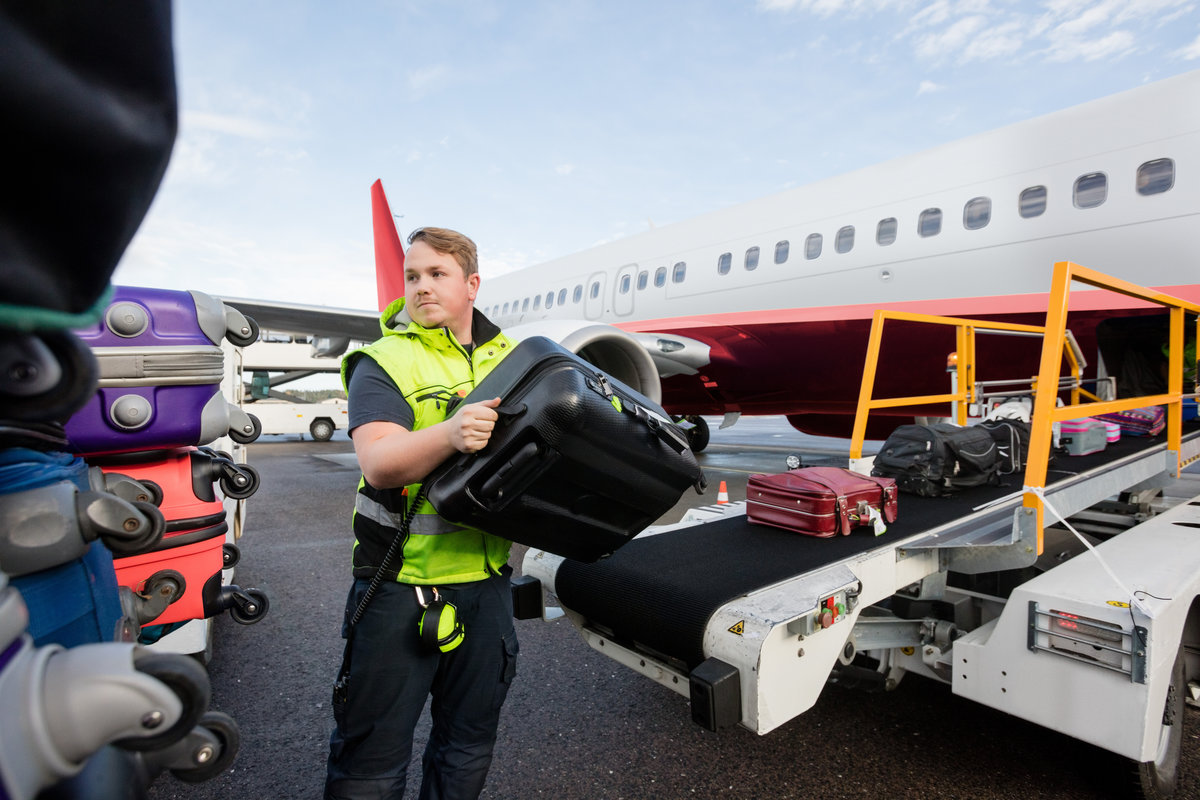
To understand the challenges of maintaining workplace safety on the tarmac, one must look at the specific responsibilities of ground crews. Ground handling involves a intricate choreography of activities that occur in close proximity to aircraft that are often still in active operational states.
- Pushback Procedures: The process of moving an aircraft from the gate to the taxiway is a high-risk operation. Ground crews utilize specialized tugs, and the coordination between the cockpit and the ground is governed by strict, standardized hand signals and electronic communication protocols.
- Ground Support Equipment (GSE) Maintenance: The machinery involved—belt loaders, catering trucks, fuel tankers, and lavatory service carts—must be maintained to specific manufacturer standards. Equipment failure in a confined space often leads to catastrophic injury.
- Environmental Factors: Orlando’s climate, prone to high temperatures and sudden, intense lightning storms, adds a layer of operational stress. Heat-related fatigue can reduce reaction times, and restricted visibility during storms complicates the adherence to safety protocols.
Regulatory Oversight and Compliance
Workplace safety in aviation is not merely a matter of company policy; it is mandated by federal law. OSHA’s General Duty Clause requires employers to provide a workplace "free from recognized hazards that are causing or are likely to cause death or serious physical harm."
When an aviation fatality occurs, regulators perform an inspection that includes, but is not limited to:
- Training Logs: Verification that the employee and their team had completed all mandatory safety certifications and recurrent training modules.
- Equipment Inspection: Detailed forensic analysis of any machinery involved in the incident to determine if a mechanical malfunction or a design flaw contributed to the outcome.
- Human Factors Analysis: An investigation into the shift length, rest periods, and psychological stressors present at the time of the event to ensure compliance with duty-time regulations.
Comparison of Aviation Ground Safety Requirements
The following table outlines the key areas of focus for safety oversight in airport ground operations, distinguishing between operational and regulatory responsibilities.
| Safety Domain | Primary Responsibility | Key Focus Areas |
|---|---|---|
| Operational Training | Airline/Contractor | Certification in GSE, communication, and hazardous materials handling. |
| Equipment Maintenance | Airline/Maintenance Provider | Routine inspection cycles and immediate repair of hydraulic/towing systems. |
| Incident Investigation | OSHA / FAA | Root cause analysis, compliance with CFR Part 1910 standards. |
| Environmental Safety | Airport Authority / Airline | Lightning protocols, heat stress management, and visibility minimums. |
The Evolving Culture of Workplace Safety
In 2026, the aviation industry continues to integrate "Safety Management Systems" (SMS) into all aspects of its business, including ground operations. SMS is a proactive approach to managing safety, moving away from a reactive model that only addresses issues after a fatality or injury occurs.
Proactive safety management encourages employees to report "near-misses"—situations where an accident could have occurred but was avoided. By analyzing these data points, airlines can identify trends, such as recurring communication gaps between specific gate configurations or consistent mechanical issues with a specific model of baggage loader, before they escalate into tragic events. The tragic loss of a Delta worker serves as a somber catalyst for accelerating these safety culture initiatives, ensuring that the lessons learned at Orlando are disseminated across the wider aviation network.
Steps for Ensuring Continued Operational Safety
For organizations and individuals working within the aviation ground service sector, adhering to the following guidelines is essential to mitigating risk:
- Strict Adherence to SOPs: Standard Operating Procedures are written in response to past accidents. Ignoring a step—even one deemed "minor"—can create a chain of events leading to failure.
- Situational Awareness Training: Workers must be trained to constantly monitor their surroundings, particularly in areas where aircraft movement is occurring. This includes maintaining physical distance from intake zones and active taxi lines.
- Reporting Without Retribution: Companies must maintain a "just culture" where staff members feel empowered to pause operations if they observe an unsafe condition without fear of professional repercussions.
- Technology Integration: Investing in advanced collision-avoidance systems for ground support equipment can provide a vital layer of redundancy when human error or environmental visibility issues arise.
Frequently Asked Questions (FAQ)
What is the role of OSHA in an airport fatality investigation? OSHA is responsible for investigating the working conditions and ensuring that the employer followed federal safety standards. They focus on whether proper training, equipment maintenance, and safe work practices were in place to protect the employee.
Does the FAA handle all aviation deaths? No. The FAA primarily focuses on flight safety, aircraft airworthiness, and air traffic control. While they coordinate with OSHA, deaths involving ground personnel in non-flight capacities typically fall under the primary investigative jurisdiction of OSHA.
What is the "General Duty Clause" in workplace safety? It is a section of the Occupational Safety and Health Act that requires employers to provide a workplace free from recognized hazards. Even if no specific regulation covers a particular situation, employers can still be held liable if they fail to address known, significant risks.
How does an airport manage safety in extreme weather? Most airports operate under a "lightning protocol" where ramp operations are suspended when lightning is detected within a specific radius. This minimizes the risk to ground personnel who would otherwise be exposed to energized equipment or metal machinery during a storm.
What is a Safety Management System (SMS) in aviation? SMS is a formalized approach to safety that includes a systematic process for hazard identification and risk management. It requires organizations to document their safety processes and demonstrate a commitment to continuous improvement.
Next Actions for Industry Stakeholders
The most effective way to honor the memory of those lost in workplace accidents is through systemic improvement. Airlines and ground handling contractors should immediately conduct a safety audit of their current ramp procedures, focusing specifically on communication loops and equipment safety interlocks. Furthermore, stakeholders should participate in industry-wide data-sharing programs, allowing for the cross-pollination of safety best practices across the entire commercial aviation sector. By prioritizing safety over schedule and efficiency, the industry can better protect the personnel who are the backbone of global travel.
Image Gallery