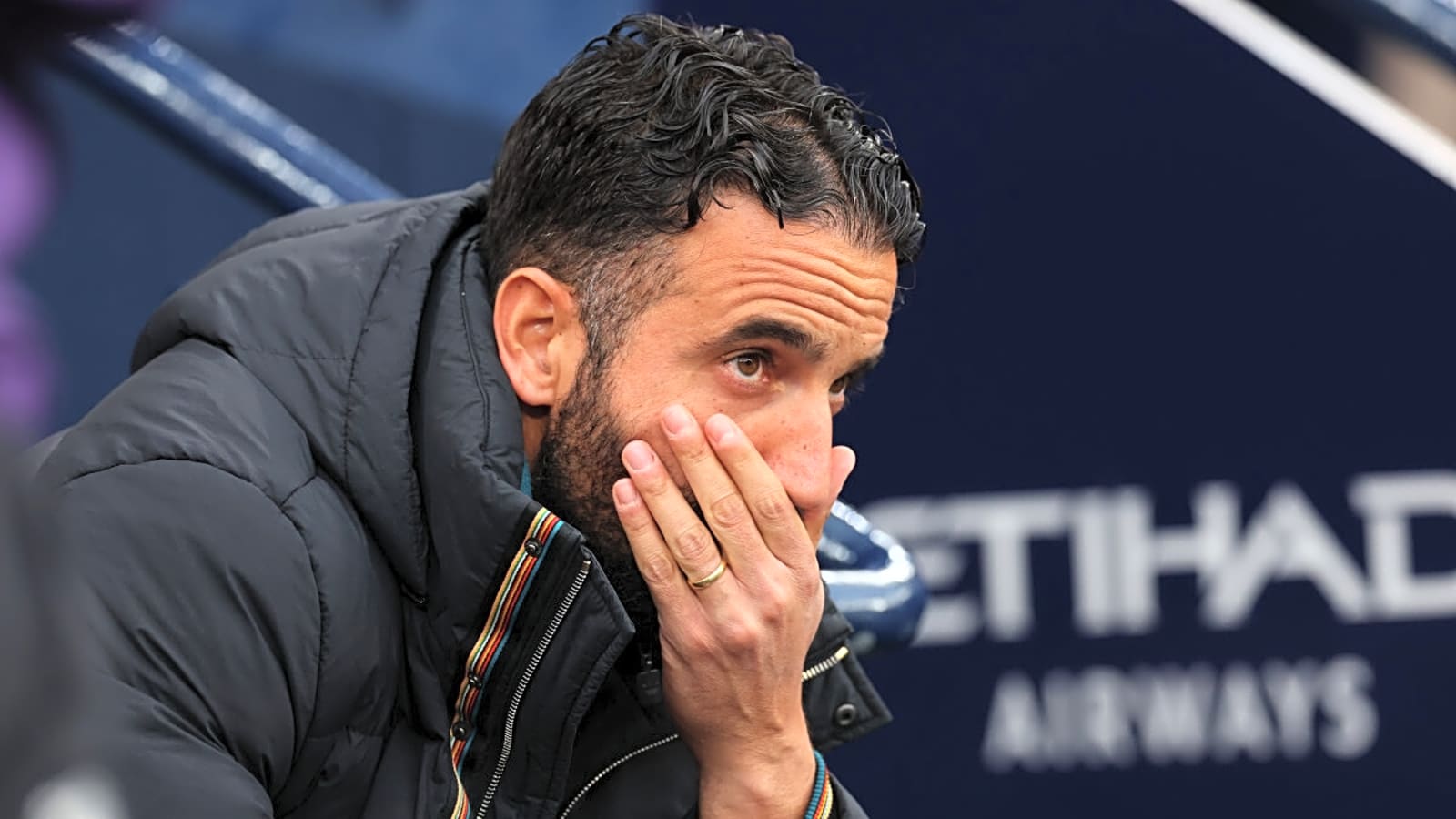
Why the Celebrity Hard Life Feels Inevitable: A Structural Analysis
The perception that a celebrity’s life is inherently difficult—defined by isolation, intense scrutiny, and psychological fatigue—stems from the systemic misalignment between human social needs and the extreme economic requirements of m...
The perception that a celebrity’s life is inherently difficult—defined by isolation, intense scrutiny, and psychological fatigue—stems from the systemic misalignment between human social needs and the extreme economic requirements of modern fame. This "inevitability" is not a mystical burden but a predictable outcome of the high-stakes environment in which public figures operate, where privacy, professional autonomy, and personal identity are commodified.
Contents
The Economics of Hyper-Visibility
The modern celebrity functions less as an individual and more as a high-value intellectual property asset. In an economy driven by attention, the brand identity of a famous person must be curated, protected, and monetized 24/7. This creates a functional barrier between the private self and the public persona.
For an A-list actor or professional athlete, the "job" never terminates. Unlike traditional professions where an employee clocks out, the celebrity brand requires constant maintenance to remain relevant in a competitive market. When a person’s existence is tied to market valuation, the pressure to perform becomes inescapable. This is compounded by the loss of agency; every public appearance is negotiated, every social interaction is subject to potential documentation, and every personal mistake is amplified by mass media feedback loops.
Psychological Costs and Social Isolation
The isolation experienced by celebrities is frequently structural. Trust becomes a luxury, as the disparity in power and wealth creates a "us vs. them" dynamic between the individual and their circle of associates.
The Trust Paradox
When an individual’s livelihood relies on public favor, the circle of "safe" contacts shrinks. Professionals, agents, and staff often prioritize the maintenance of the celebrity brand over the emotional well-being of the person behind it. This creates a dependency loop where the individual is surrounded by people who are paid to agree with them or facilitate their success, leading to profound loneliness.
Surveillance and the Panopticon Effect
Sociological research often compares the celebrity experience to a permanent panopticon. Because of ubiquitous mobile technology and social media, the celebrity feels that they are being watched by an invisible audience at all times. This constant self-censorship—the need to act "as if" one is being observed—prevents the natural social restoration required for human mental health. The inevitability of this struggle arises because the technology that facilitates fame also destroys the boundary of the private sphere.
The Infrastructure of Celebrity Management
The machinery behind major talent—public relations firms, legal teams, and security details—creates an artificial environment that is both protective and stifling. While these systems are designed to maximize success and minimize risk, they also reinforce the celebrity’s alienation from reality.
| Operational Factor | Effect on Individual | Resulting Burden |
|---|---|---|
| Media Saturation | Reduced privacy; constant criticism | Heightened anxiety and social withdrawal |
| Brand Management | Controlled public persona | Identity fragmentation |
| Security Protocols | Physical separation from public | Persistent hyper-vigilance |
| Monetary Pressure | Asset and wealth protection | Transactional human relationships |
These factors ensure that the individual is never "off." The infrastructure required to manage a billion-dollar brand necessitates that the celebrity live within a controlled ecosystem, which effectively acts as a gilded cage.
Common Misconceptions Regarding Wealth
A frequent, yet reductive, argument suggests that wealth should insulate celebrities from the "hard life" narrative. This perspective ignores the concept of diminishing marginal utility in psychological satisfaction. Once basic security and comfort are achieved, the stressors unique to fame—such as the loss of anonymity and the volatility of public opinion—do not scale downward with increased income. In many cases, wealth amplifies these stressors, as the individual becomes a target for litigation, fraud, and parasocial harassment. The "hard life" is not a financial state, but a structural one.
The Role of Parasocial Relationships
The 2026 digital landscape is defined by parasocial relationships, where followers feel a deep, one-sided emotional connection to a public figure. This phenomenon places an impossible emotional demand on the celebrity. Fans expect authenticity and accessibility, yet the reality of a global brand requires distancing. This tension results in a "damned if you do, damned if you don't" scenario: if the celebrity withdraws, they are perceived as elitist; if they engage, they are consumed by the sheer volume of projections cast upon them by millions of strangers.
Managing the Inevitability: Mitigation Strategies
While the systemic pressures are near-constant, many figures in the public eye implement specific strategies to reclaim agency. These are not cures, but methods of harm reduction:
- Compartmentalization: Successful celebrities often create distinct legal and personal boundaries between their professional output and their private lives, often by living in jurisdictions with stricter privacy laws or utilizing private aviation and security to bypass public transit hubs.
- Strict Digital Detoxification: Relying on third-party management for social media accounts prevents the individual from engaging directly with the feedback loop of the general public.
- Intentional Community Building: Curating a support network of long-term, pre-fame friends helps maintain a grounding reality that is independent of professional success.
Frequently Asked Questions
Does every celebrity experience these hardships equally?
No. The intensity of these challenges correlates with the level of fame. A niche content creator faces different pressures than a global cultural icon. However, the mechanism of structural isolation and surveillance remains a common denominator as one ascends in public status.
Is the loss of privacy a legal issue?
Privacy laws vary significantly by jurisdiction. In many regions, the standard for "public interest" is broad, leaving celebrities with limited legal recourse against paparazzi or tabloid coverage, which further contributes to the sense of an unavoidable, intrusive lifestyle.
How do celebrities cope with the pressure of public opinion?
Most rely on a combination of professional therapy, tight-knit personal networks, and the active avoidance of digital feedback. Professional guidance is a prerequisite for long-term survival in high-profile roles, as it helps separate individual identity from the commodified public image.
Is it possible to be famous and maintain a "normal" life?
The evidence suggests that maintaining a truly "normal" life is functionally impossible for global figures. The level of adaptation required means that the person’s lifestyle is fundamentally changed by their status, making "normalcy" an aspirational concept rather than a lived reality.
Are these challenges inevitable for all types of public figures?
While politicians, influencers, and actors all deal with public scrutiny, the nature of the inevitability varies. For politicians, it is a matter of policy accountability; for entertainers, it is a matter of personal identity and image, which often proves more psychologically corrosive.
Conclusion and Next Actions
The "hard life" of a celebrity is the systemic by-product of a culture that demands constant access to the lives of those who provide its entertainment. It is an industrial consequence of the attention economy. For those observing from the outside, understanding this structural reality—rather than focusing on wealth or luxury—reveals that the struggle is not merely about the individual’s personality, but the inherent requirements of their professional infrastructure. To better navigate this awareness, look into the privacy statutes of your own local jurisdiction to understand the limitations of protection for public figures, and recognize that the image projected on screen is a highly managed, curated utility, not a direct reflection of a person’s private experience.
Image Gallery