Understanding the Meaning of Upstream and Downstream in Business and Operations
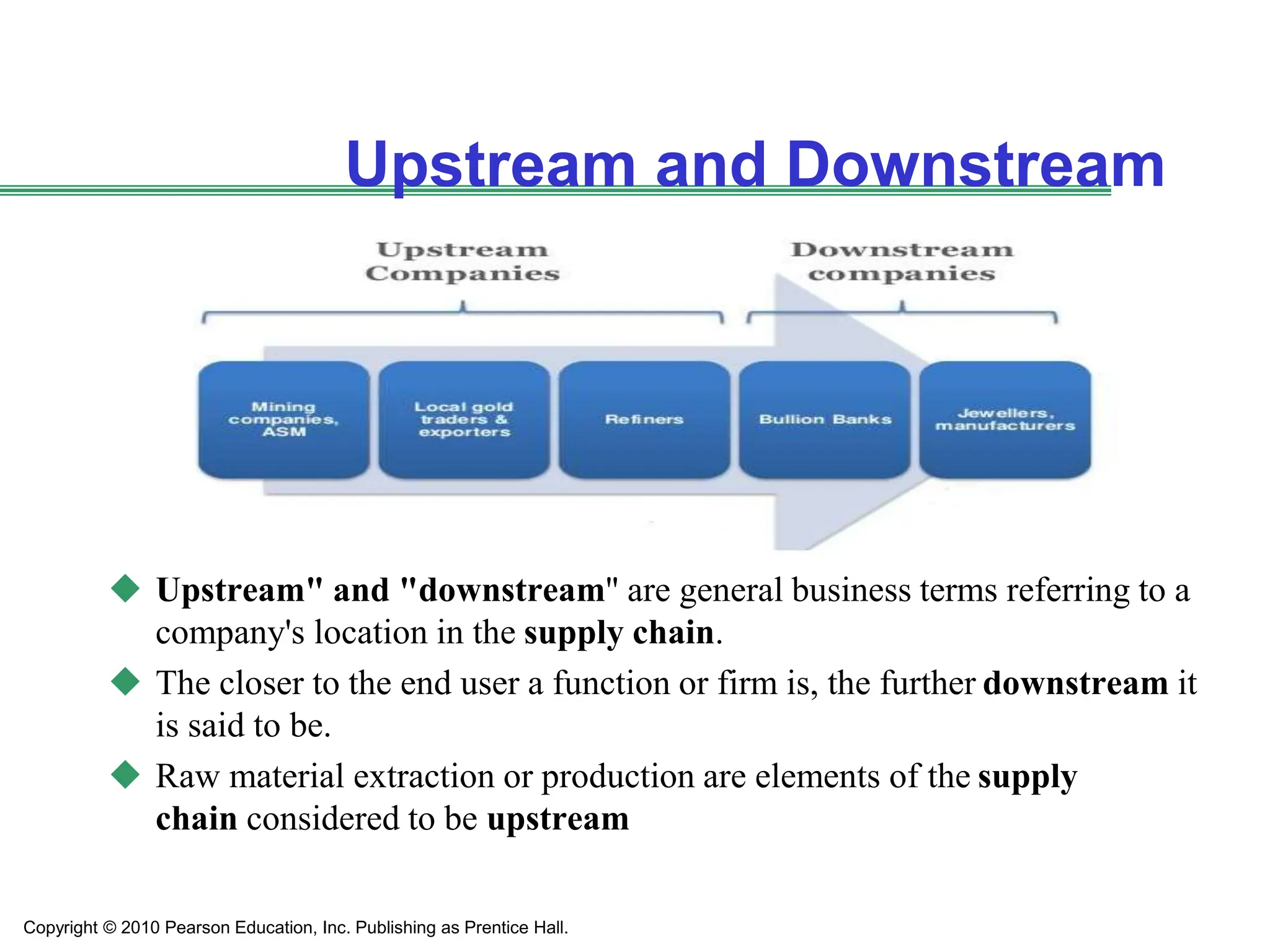
Upstream and downstream describe the sequential stages of a production process, supply chain, or value stream. Upstream refers to the early phases, such as raw material sourcing and extraction, while downstream represents the later sta...
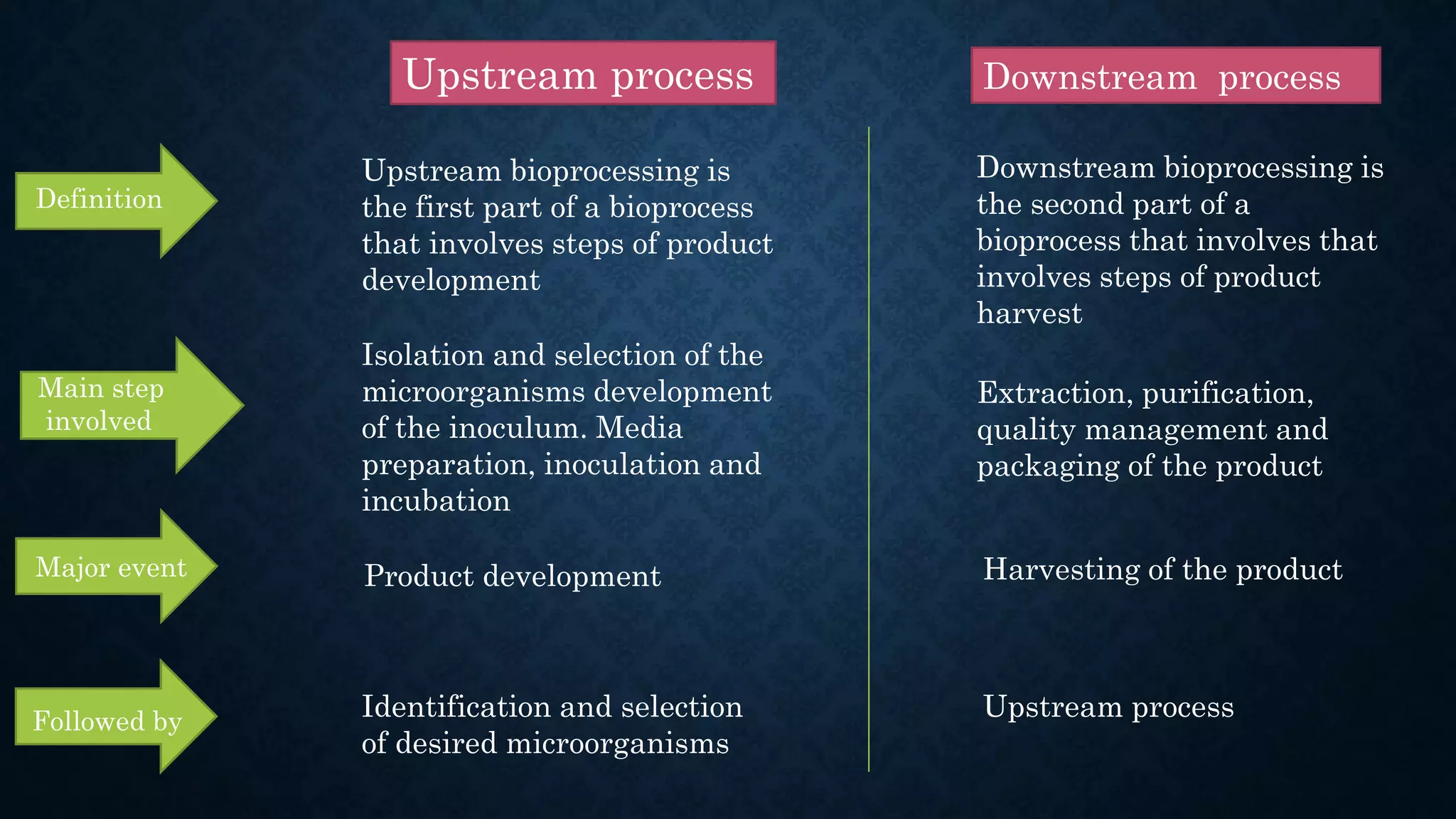
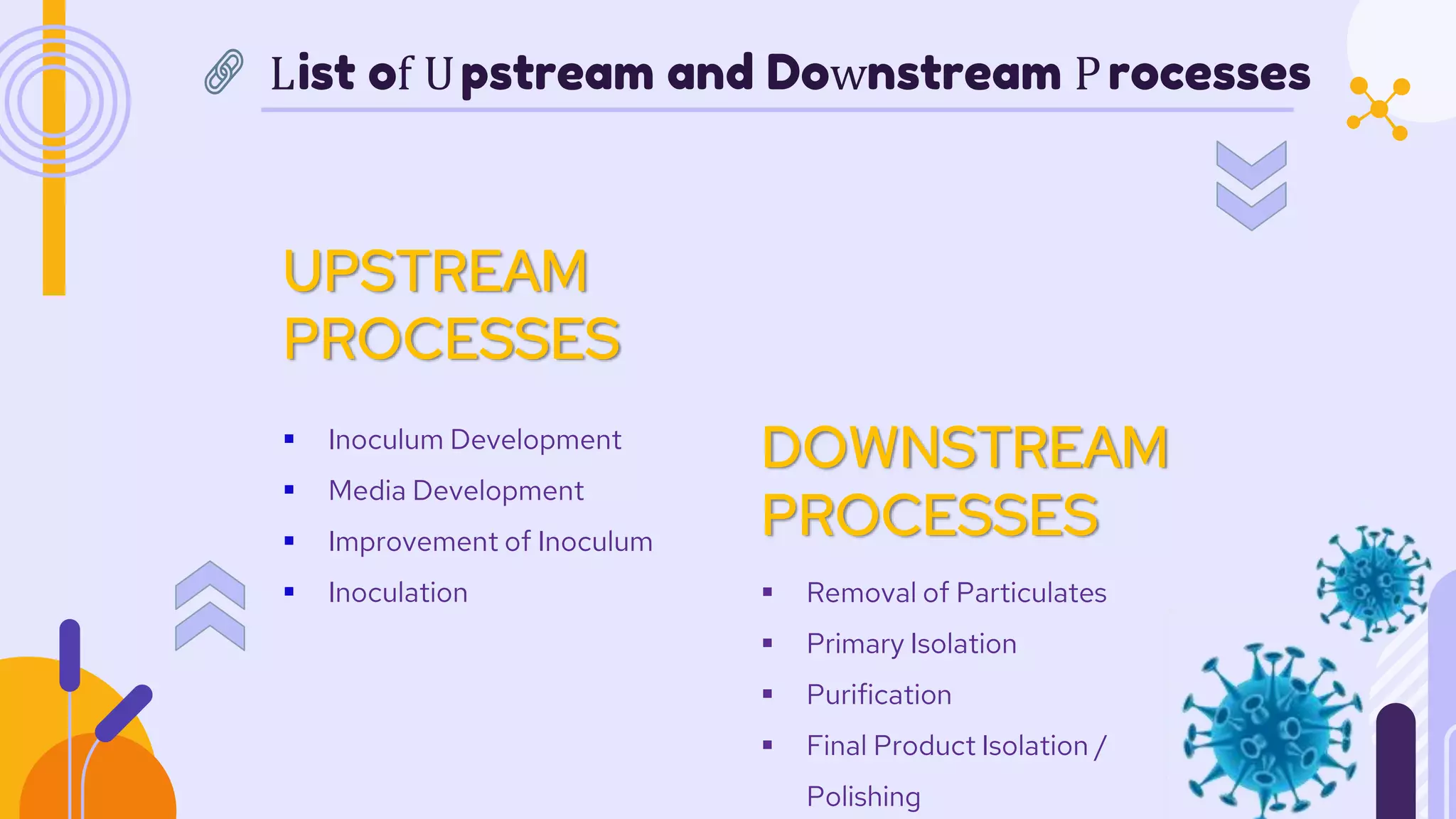
Upstream and downstream describe the sequential stages of a production process, supply chain, or value stream. Upstream refers to the early phases, such as raw material sourcing and extraction, while downstream represents the later stages, including manufacturing, distribution, and the final delivery of products or services to the end consumer.
Contents
The distinction between upstream and downstream is fundamental to understanding how value is created, how risks are mitigated, and how operational efficiency is maintained across various industries, including oil and gas, manufacturing, software development, and digital marketing. While the terminology originates from the flow of a river—where the source is upstream and the mouth is downstream—its application in commerce provides a clear framework for mapping the lifecycle of goods and information.
The Origin and Core Concept
At its simplest, the river analogy holds the key to the definition. In a river, water flows from a higher elevation (the source) toward the lower elevation (the sea). In business, "flow" refers to the movement of value. The entity providing the base inputs is located at the start of the flow, while the entity interacting with the ultimate customer is located at the end.
When you analyze a process "upstream," you are looking backward toward the origin of raw materials, initial components, or foundational data. When you analyze a process "downstream," you are looking forward toward the finished product, the distribution network, and the ultimate customer experience.
Sector-Specific Interpretations
The meaning of these terms shifts slightly depending on the industry, yet the underlying logic remains constant.
Oil and Gas Industry
This is the most common industry where these terms are used with precise technical definitions:
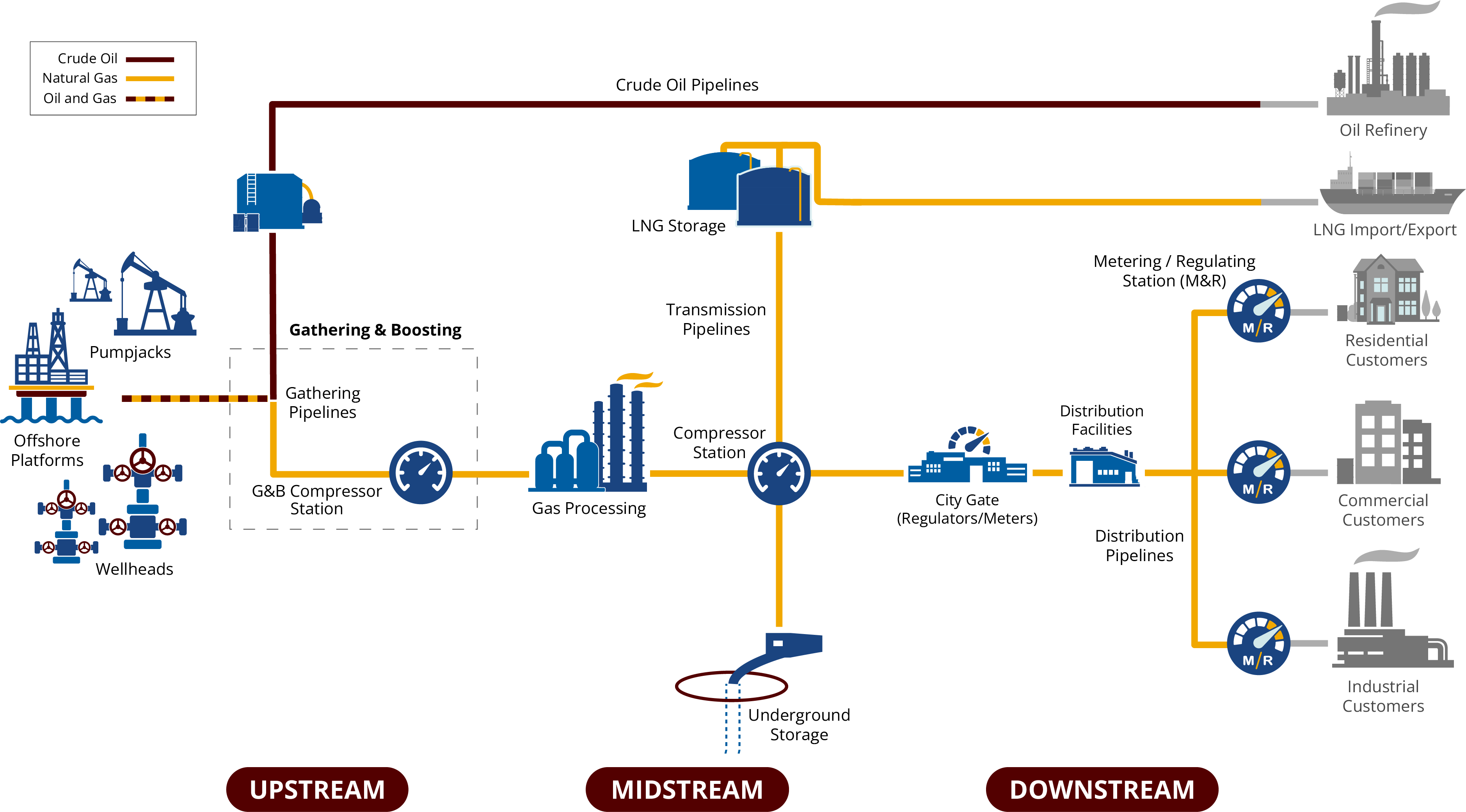
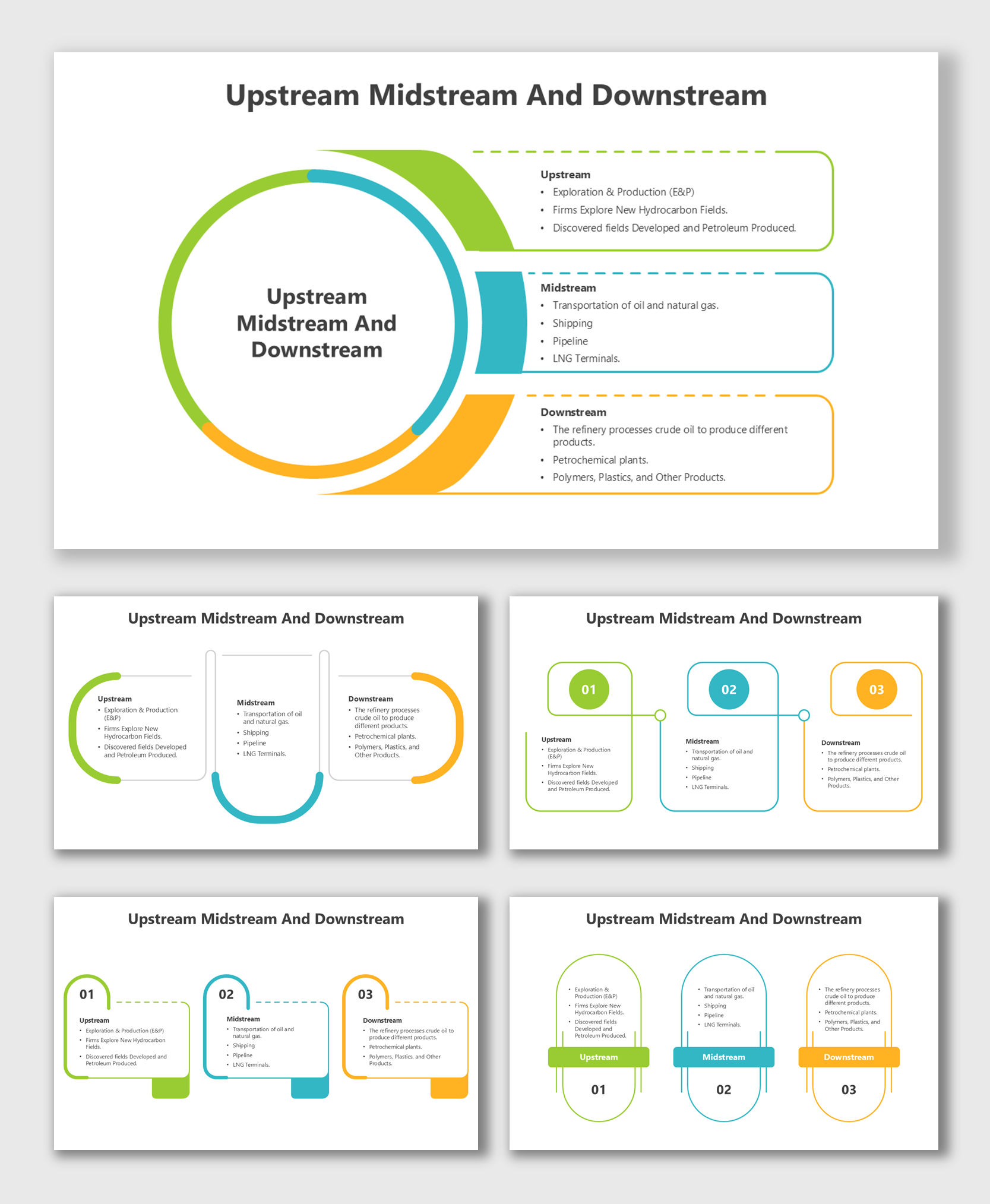
- Upstream: This sector, often referred to as Exploration and Production (E&P), focuses on searching for underwater and underground oil and natural gas fields, drilling exploratory wells, and operating the wells that bring crude oil and raw natural gas to the surface.
- Midstream: A transition sector that involves the transportation (by pipeline, rail, or barge) and storage of crude oil and natural gas.
- Downstream: This sector encompasses the refining of petroleum crude oil and the processing of raw natural gas. It also includes the marketing and distribution of products derived from these resources, such as gasoline, kerosene, jet fuel, diesel oil, asphalt, and heating oil.
Manufacturing and Supply Chain
In general manufacturing, the supply chain is categorized by how close a participant is to the end consumer:
- Upstream: Involves suppliers of raw materials, components, and sub-assemblies. An upstream manufacturer provides the parts necessary for the main assembly plant.
- Downstream: Involves wholesalers, retailers, and logistics providers who take the finished product and ensure it reaches the consumer.
Software and Information Technology
In the software development lifecycle (SDLC) and data management, the terms have evolved:
- Upstream: Refers to the source code, early architectural decisions, or the initial data entry points. If a software bug is fixed "upstream" in the main codebase, it prevents the bug from propagating to downstream versions.
- Downstream: Refers to the deployed environment, end-user applications, or the reporting tools that consume the processed data.
Comparison of Upstream vs. Downstream Operational Impacts
Understanding where a company sits in the value chain is critical for strategic planning. The following table highlights the functional differences in operational focus.
| Feature | Upstream Focus | Downstream Focus |
|---|---|---|
| Primary Objective | Resource acquisition and preparation | Product delivery and customer satisfaction |
| Key Risks | Supply volatility, commodity price shifts | Market demand changes, reputation risk |
| Capital Intensity | Typically high (e.g., drilling, mining) | Variable (e.g., marketing, distribution) |
| Value Addition | Converting natural resources to materials | Refining, assembly, and branding |
| Performance Driver | Operational efficiency and volume | Customer insight and market reach |
The Strategic Importance of Upstream and Downstream Integration
Companies often aim for "vertical integration" to control both upstream and downstream processes. By doing so, a firm can insulate itself from supply chain disruptions and capture a larger share of the total profit margin.
For example, a smartphone manufacturer that designs its own chips (moving upstream) and operates its own retail stores (moving downstream) has more control over its costs and the quality of the customer’s interaction with the brand. However, this strategy requires significantly higher capital investment and management oversight compared to outsourcing these segments.
Common Risks and Considerations
Navigating upstream and downstream relationships requires managing different types of risks:
- Supply Chain Dependence: Relying heavily on one upstream supplier can lead to catastrophic production halts if that supplier faces labor strikes, political instability, or bankruptcy.
- Market Feedback Loops: A downstream company that is too far removed from its upstream suppliers often struggles to communicate quality requirements effectively. If the upstream provider does not understand the final consumer's needs, the finished product may fail to meet market expectations.
- Regulatory Compliance: Environmental and ethical regulations often apply differently. Upstream operations are frequently subject to extraction and environmental impact laws, while downstream operations are more often subject to consumer protection and product safety regulations.
Frequently Asked Questions
1. Is a distributor considered upstream or downstream? A distributor is almost always considered downstream relative to the manufacturer. Because they receive the finished product and move it closer to the final consumer, they are positioned further down the value chain.
2. Can a company be both upstream and downstream? Yes. Through vertical integration, companies often perform both roles. A coffee company that owns the farms where the beans are grown (upstream) and also owns the retail shops where the coffee is served (downstream) is operating at both ends of the supply chain.
3. Why do software developers use the term upstream? In open-source software, "upstream" refers to the original creators or the main project repository. When a developer submits a patch "upstream," they are sending it back to the original authors to be integrated into the main version of the software, rather than just keeping it in their own "downstream" fork.
4. Does upstream always mean more expensive? Not necessarily. While upstream activities like mineral exploration are capital-intensive, the value of the final product is often higher due to the cumulative labor, technology, and branding added during the downstream stages.
5. How do I identify if my business is upstream or downstream? Look at your revenue model. If your primary customer is another business that uses your product to create something else, you are likely upstream. If your primary customer is the individual consumer or the end-user of a product, you are likely downstream.
Next Actions for Strategic Management
To effectively manage your place in the value chain, conduct a supply chain audit in 2026 to verify the following:
- Map your dependencies: Identify which critical suppliers (upstream) are at risk of disruption and evaluate whether you need secondary sourcing.
- Evaluate distribution channels: Assess whether your current downstream partners are providing adequate market feedback to help you iterate on your product features.
- Assess integration potential: Determine if moving upstream or downstream would result in cost savings that outweigh the increased complexity of managing those additional operations.
By distinguishing between these two domains, you can better allocate resources, mitigate risks, and optimize your overall operational performance.
Image Gallery