Navigating Foundation Repair Services in Concord, CA
When seeking a foundation repair company in Concord, CA, homeowners must prioritize firms that demonstrate mastery of the region's specific seismic risks, expansive clay soil conditions, and strict municipal building codes. Selecting a...
When seeking a foundation repair company in Concord, CA, homeowners must prioritize firms that demonstrate mastery of the region's specific seismic risks, expansive clay soil conditions, and strict municipal building codes. Selecting a qualified contractor involves vetting for structural engineering credentials, appropriate state licensing, and proven methods for stabilizing foundations against both moisture-induced shifting and seismic activity.
Contents
Understanding the Concord Geologic Environment
Concord, located in Contra Costa County, features a diverse landscape that presents unique challenges for residential foundations. Many neighborhoods are built on expansive soils, specifically clays that undergo significant volumetric changes when moisture levels fluctuate. During the wet winters, these soils expand, exerting upward pressure on concrete slabs and footings; conversely, during the dry summer months, the soil shrinks, leaving voids beneath the foundation.
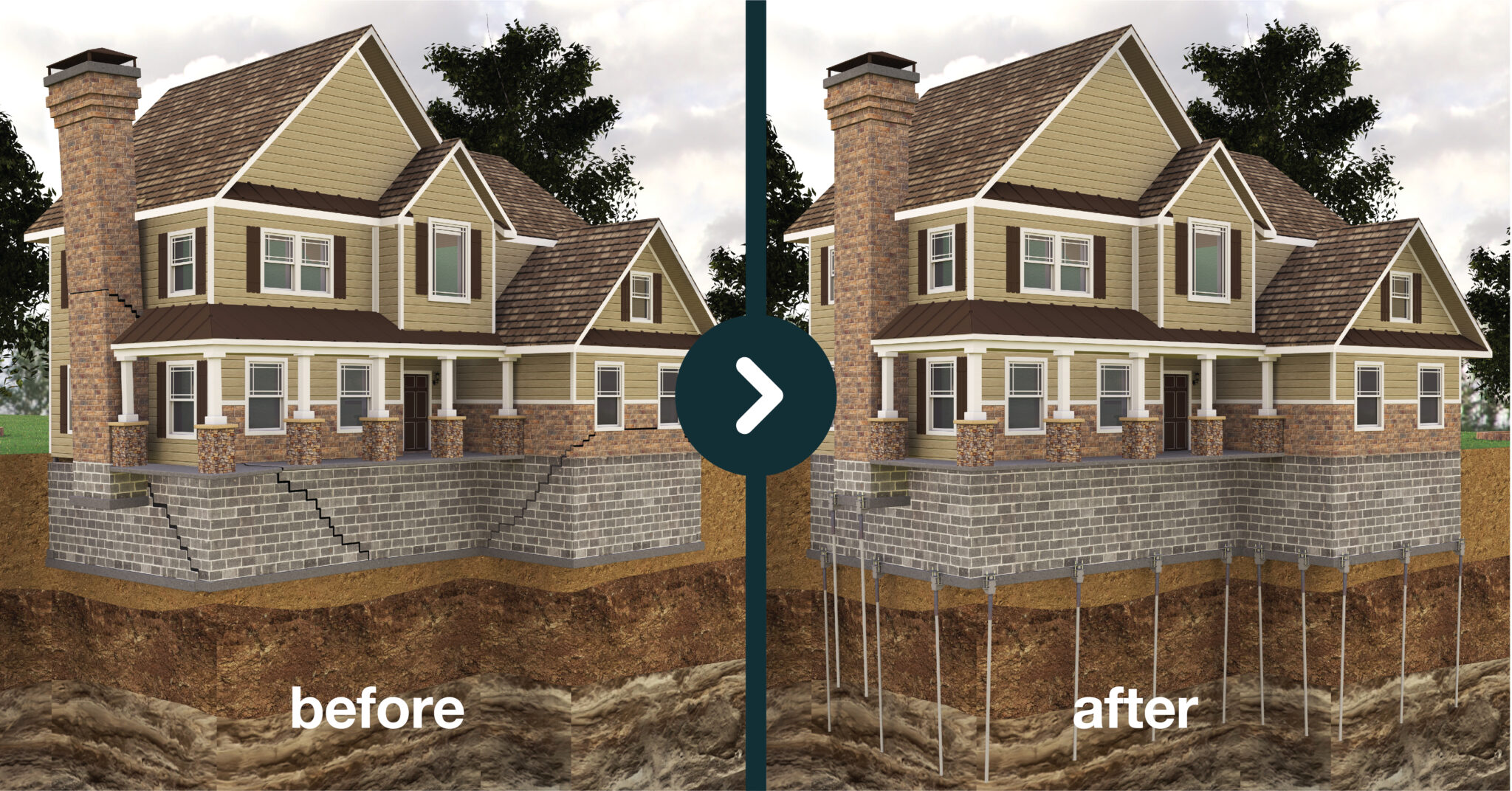
Over time, this "heave and shrink" cycle leads to uneven settlement, diagonal cracks in drywall, sticking doors, and uneven floors. Furthermore, Concord sits in a region with significant seismic exposure. Foundation repair in this area is not merely about cosmetic patching; it is about ensuring the structural integrity of the home against both long-term soil fatigue and potential earthquake events. A professional foundation repair company in Concord must understand how to install piering systems—such as helical or push piers—that bypass the unstable upper soil layers to reach competent, load-bearing strata or bedrock.
Licensing, Certification, and Regulatory Compliance
Before entering into any contract with a foundation repair provider, you must verify their legal eligibility to perform structural work in California. In this state, foundation repair is considered a significant undertaking, and any contractor performing work exceeding $500 in total cost (labor and materials) must be licensed by the Contractors State License Board (CSLB).
- Verify the CSLB License: Use the CSLB website to confirm the contractor holds a valid C-8 (Concrete Contractor) or A (General Engineering Contractor) license. Check that the license is active and that the company maintains workers' compensation insurance.
- Engineering Oversight: For significant structural repairs, a licensed structural engineer should perform an assessment. While some repair companies employ in-house engineers, it is often advisable to hire an independent structural engineer to provide a report and scope of work. This provides an unbiased perspective and ensures the repairs recommended by the contractor are strictly necessary.
- Permitting: Any foundation repair involving structural modifications requires a permit from the City of Concord Building Division. A reputable company will handle the permit application, coordinate the necessary inspections, and ensure the work is signed off by municipal officials upon completion.
Common Foundation Repair Methods
Choosing the right repair strategy depends on the underlying cause of the failure. Experienced firms in Concord typically utilize one or more of the following methodologies:
Piering and Underpinning
For homes experiencing differential settlement, steel piers are driven deep into the earth to transfer the weight of the structure to more stable, non-expansive soil. Helical piers—corkscrew-shaped steel shafts—are commonly used for lighter structures, while push piers are preferred for heavy, multi-story foundations.
Slab Jacking and Polyurethane Injection
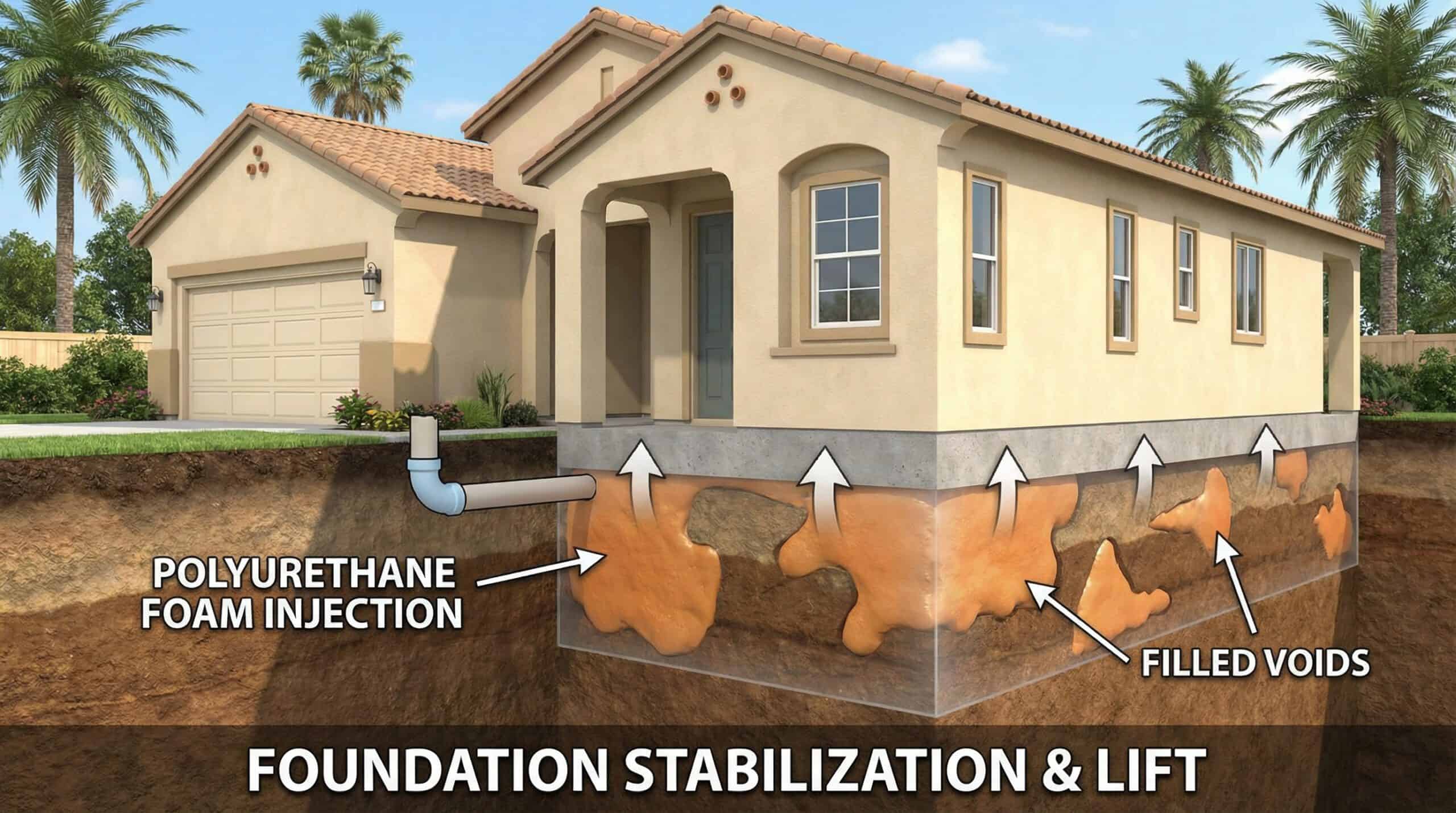
If the concrete slab has developed voids underneath, polyurethane foam injection is a frequent modern solution. The foam is injected through small holes in the slab, where it expands to fill voids and lift the concrete back to a level position. This method is faster and less invasive than traditional mudjacking.
Foundation Crack Repair
Minor, non-structural cracks resulting from standard concrete curing or localized temperature changes may be repaired with epoxy or polyurethane resins. These materials prevent water infiltration, which is critical for preventing the oxidation of internal steel rebar (rebar rust causes concrete to spall and deteriorate).
Comparative Analysis of Repair Approaches
| Method | Best Used For | Primary Benefit | Level of Invasiveness |
|---|---|---|---|
| Helical Piers | Settlement, soft soil | Deep support in stable strata | Moderate (requires excavation) |
| Poly-Injection | Slab voids, minor settling | Rapid stabilization and leveling | Low (small diameter holes) |
| Push Piers | Heavy foundation failure | Massive load-bearing capacity | High (significant excavation) |
| Carbon Fiber Straps | Bowing basement walls | High tensile reinforcement | Low (surface application) |
Evaluating Quotes and Proposals
A professional foundation repair company should provide a transparent, written estimate that details the specific issues identified, the proposed remediation technique, the materials to be used, and the total cost. Avoid companies that provide "over-the-phone" estimates, as a thorough inspection—which may include interior and exterior floor-level surveys and crack monitoring—is essential for an accurate diagnosis.
When comparing quotes:
- Scope of Work: Ensure every quote addresses the same root cause. A company proposing a surface-level patch will naturally be cheaper than one proposing a long-term piering solution, but the former may not solve the underlying settlement issue.
- Warranty Terms: Foundation repairs are long-term investments. Inquire about the transferability of the warranty, whether it covers materials and labor, and what specific triggers are required to invoke it.
- Timeline: Ask for a realistic completion schedule, including the time required for curing or engineering inspections.
Common Signs of Foundation Failure
Homeowners often notice symptoms long before the structure becomes unsafe. Monitoring these signs early can save significant costs:
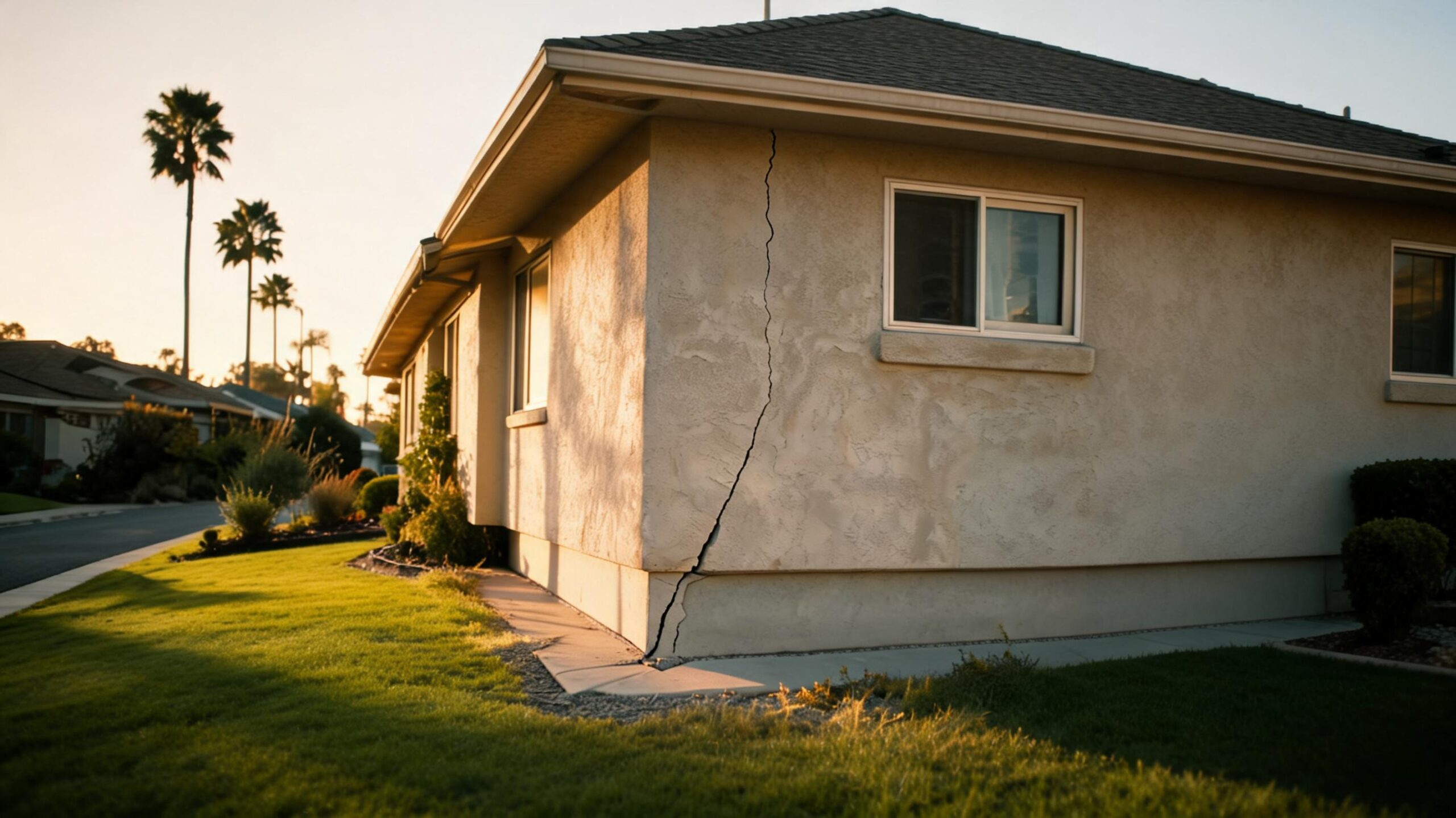
- Step Cracking: Cracks in brickwork or exterior stucco that follow a zigzag pattern along mortar lines.
- Interior Misalignment: Doors that swing open or shut on their own, or windows that become difficult to operate.
- Floor Slope: Visible gaps between the floor and baseboards, or a noticeable incline when walking across a room.
- Moisture Intrusion: Persistent dampness or efflorescence (white mineral deposits) on interior foundation walls, suggesting a compromised vapor barrier or structural crack.
FAQ: Foundation Repair in Concord
How long does foundation repair typically take? Most minor repairs, such as localized polyurethane injection, can be completed in one to two days. More complex foundation underpinning projects involving pier installation may take one to three weeks depending on the number of piers required and municipal inspection schedules.
Is foundation repair covered by homeowners' insurance? Generally, standard homeowners' insurance policies in California do not cover foundation repair resulting from soil movement, settling, or earth expansion. Coverage is typically limited to structural damage caused by specific "perils" like fire or explosion. Always review your policy and consult with your agent.
Can I fix foundation cracks myself? Small, cosmetic cracks can sometimes be addressed with DIY kits; however, you should never attempt to rectify structural movement, bowing, or significant settlement without professional oversight. Improper repairs can exacerbate structural issues, create drainage problems, and violate local building codes.
Why does soil in Concord cause foundation issues? Concord's soil composition includes expansive clays that swell significantly when wet and contract when dry. This repeated cycle of movement places immense stress on concrete foundations, often causing them to break or sink unevenly over several years.
What is the difference between a contractor and a structural engineer? A contractor is responsible for the physical execution of the repairs and holds the license to perform the construction work. An engineer provides the diagnostic analysis, determines the technical requirements, and signs off on the structural design to ensure it meets safety standards.
Next Steps for Homeowners
If you suspect foundation distress, your first step should be an independent evaluation. Begin by documenting all cracks, taking photographs of sticking windows, and creating a timeline of when you first noticed these issues. If the damage is significant, contact a licensed structural engineer in the Contra Costa area. Their assessment will serve as a neutral "blueprint" that you can then present to several qualified foundation repair contractors to solicit competitive, comparable bids. By separating the diagnostic process from the repair execution, you ensure that you receive the most effective solution for your property’s unique needs.
Image Gallery