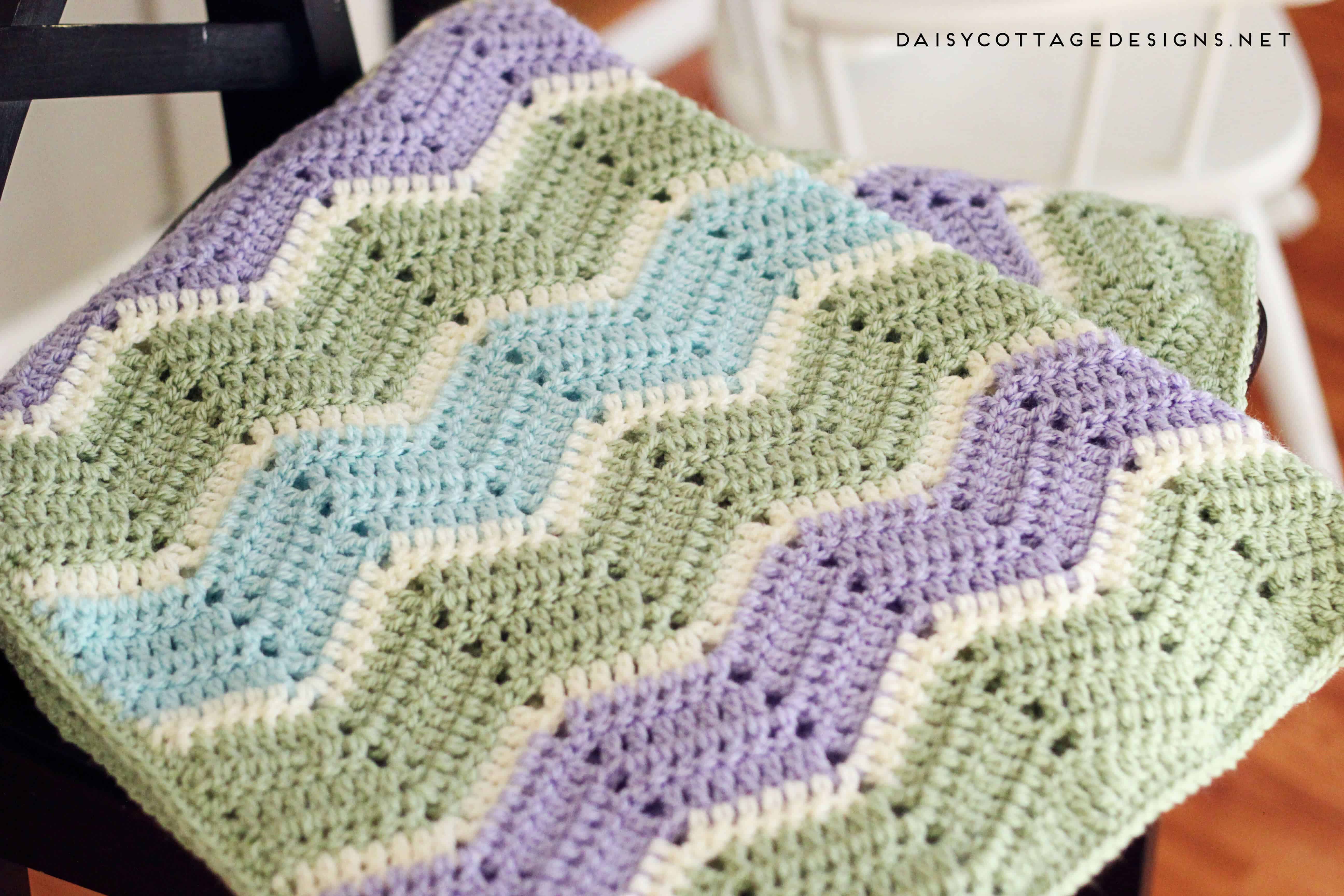
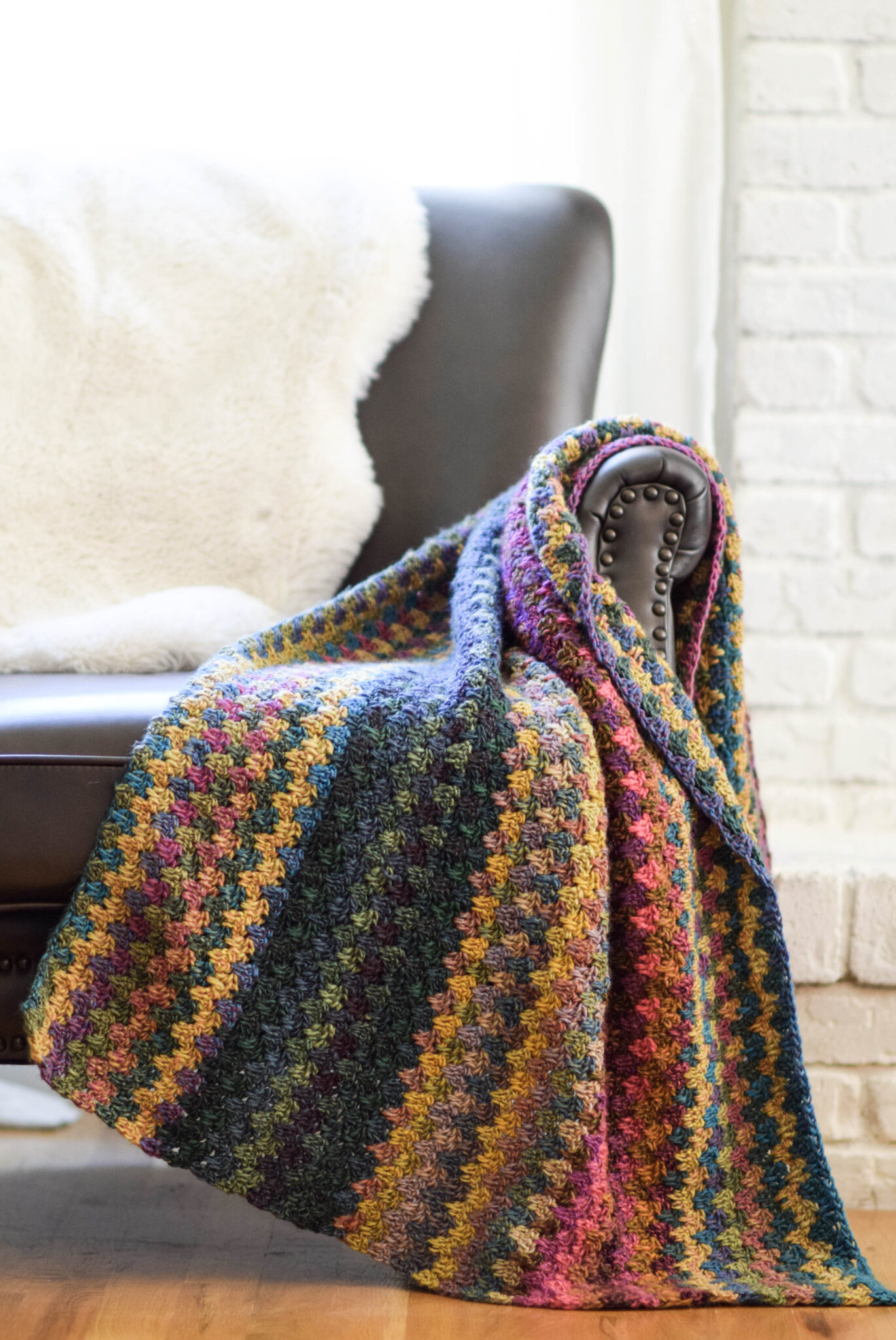
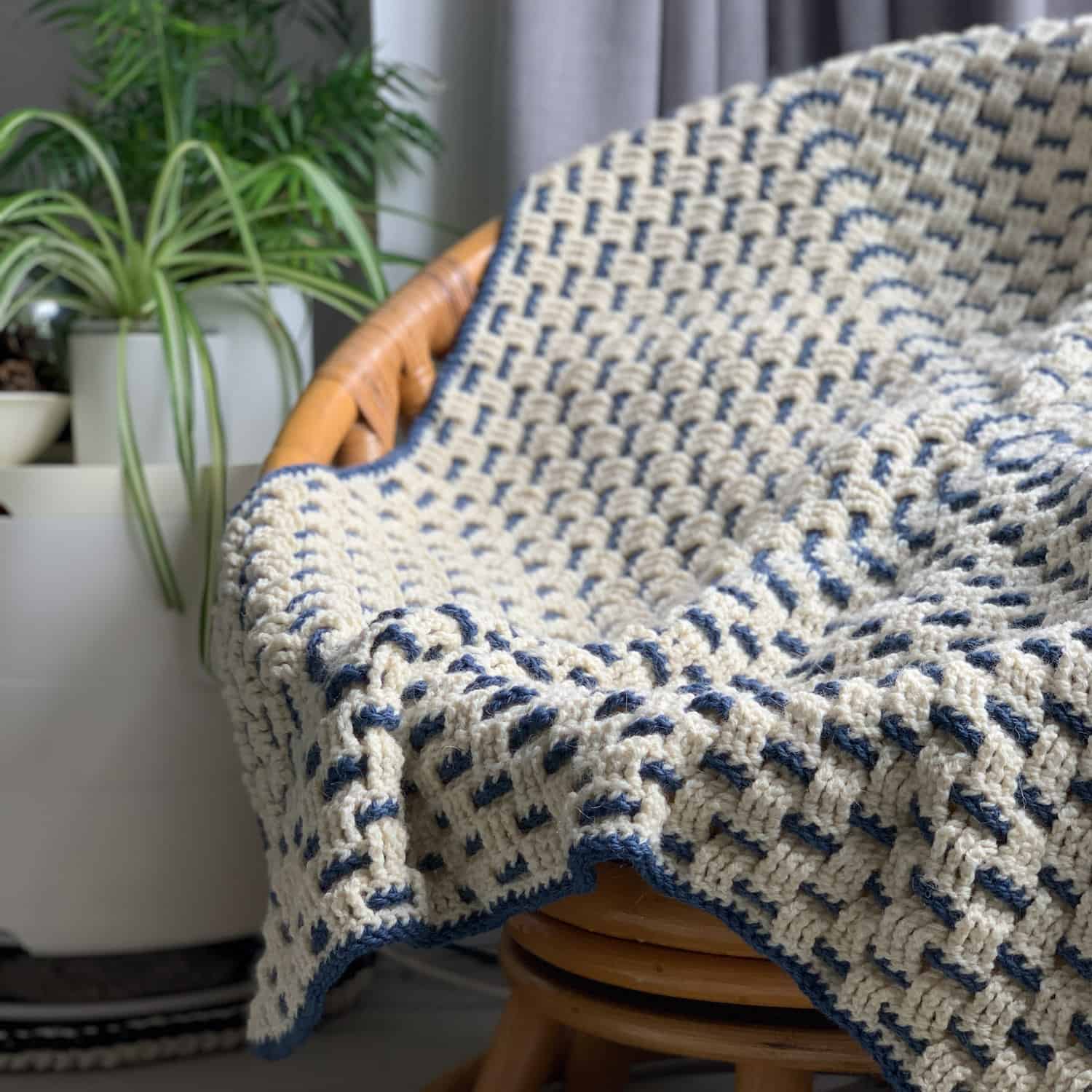
How to Find Unique Crochet Blanket Patterns Free PDF
Finding unique crochet blanket patterns in free PDF format requires a strategic approach to navigating independent designer websites, pattern repositories, and verified craft communities. By focusing on specific search operators, reput...
Finding unique crochet blanket patterns in free PDF format requires a strategic approach to navigating independent designer websites, pattern repositories, and verified craft communities. By focusing on specific search operators, reputable hosting platforms, and legitimate designer portfolios, you can bypass generic content mills and access high-quality, professionally formatted designs that are both creative and legally accessible for personal use.
Contents
Identifying Reliable Sources for Crochet Patterns
The internet is saturated with thousands of crochet patterns, but "unique" designs are typically found through specific, decentralized channels rather than mass-market craft blogs. Professional designers frequently use specific platforms to host their PDF patterns because these sites offer version control, clear instructions, and organized layouts.
Repositories and Aggregators
The most reliable way to find unique patterns is to utilize platforms that specialize in craft metadata. Ravelry remains the industry standard for this purpose. It allows you to filter by "free," "PDF," and specific design attributes such as "unique" or "unconventional construction." By using their advanced search filters, you can sort patterns by project count, star ratings, and the type of stitch used, which helps in filtering out basic, repetitive designs.
Designer-Direct Websites
Many independent designers host their own websites where they offer a "Free PDF" version of their work to build their brand or showcase their skill. Searching for a specific designer’s name alongside "free PDF pattern" is often more effective than generic search terms. These designers typically prioritize original aesthetics and provide detailed photo tutorials within the PDF that you won’t find in summarized blog posts.
Mastering Search Techniques for Unique Designs
To move beyond the top-ranking, common patterns found in mass-media listicles, you must refine your search queries. Using Boolean operators and specific keyword combinations can significantly narrow your results to unique, high-quality offerings.
Targeted Search Queries
Instead of searching for "free crochet blanket pattern," which will return thousands of basic granny square variations, use more descriptive, intent-specific queries. For instance, search for:
- "unique texture crochet blanket pattern free pdf"
- "geometric tapestry crochet blanket free download"
- "mosaic crochet blanket free pattern PDF"
- "intermediate unique crochet blanket tutorial PDF"
By including specific techniques—such as mosaic, brioche, or overlay crochet—you are more likely to find intricate, unique designs rather than beginner-level projects that appear on every high-traffic craft site.
Utilizing Search Filters
When using major search engines, limit your results to specific file types. Adding filetype:pdf to your query will instruct the search engine to return only direct links to PDF documents. This effectively filters out spammy, text-heavy blog pages that may require you to navigate through multiple intrusive advertisements before reaching the download link.
Evaluating Pattern Quality and Legitimacy
Not all "free" patterns are created equal. When downloading a pattern, evaluate the document for clarity, technical consistency, and the designer's credibility.
| Criteria | High-Quality Pattern | Low-Quality Pattern |
|---|---|---|
| Formatting | Professional layout with clear margins | Scanned image or unformatted text |
| Terminology | Standard US or UK terminology | Inconsistent or non-standard terms |
| Support | Includes designer contact/email | No contact information provided |
| Technical Data | Lists gauge, yardage, and material | Vague or missing supply list |
Always verify that the pattern is being distributed by the original designer. If you find a pattern on a "pattern collection" site that looks like a mirror of someone else's work without proper credit, it is likely unauthorized. Prioritizing designers who host their own PDFs ensures that the creator receives the intended traffic and recognition.
Common Obstacles and Troubleshooting
Even when searching correctly, you may encounter broken links or "hidden" patterns. Here is how to navigate these challenges.
Dead Links and Archive Sites
Designers sometimes remove free patterns or migrate their sites, leading to broken links. If you find a reference to a pattern that no longer exists, check the Internet Archive (Wayback Machine). Often, the cached version of the page will still contain the PDF link or the full instructions written out in the text, allowing you to copy them into a document for personal reference.
Regional and Technical Differences
Ensure you are aware of the difference between US and UK crochet terminology. A "unique" pattern from a British designer might use "treble crochet," which refers to a double crochet in US terms. If the PDF does not include a conversion chart, it can make a simple pattern appear confusing. Always check the first page of the PDF for a key of abbreviations before beginning your project.
Essential Prerequisites for Your Search
Before you start hunting for your next project, prepare your digital workspace to ensure you can store and access these files efficiently:
- PDF Reader: Ensure your device has an updated PDF viewer (such as Adobe Acrobat or a built-in browser viewer) to handle documents that may include complex charts or high-resolution imagery.
- Organization System: Create a dedicated folder on your cloud storage (e.g., Google Drive or iCloud) for your pattern library. Categorizing them by "Project Type," "Yardage Required," or "Skill Level" will save time when you are ready to start a project.
- Security Awareness: Ensure your computer’s antivirus is active. While most legitimate design sites are safe, always be wary of clicking "Download" buttons on websites that are not directly affiliated with known design portfolios.
Frequently Asked Questions
Can I sell items made from free PDF crochet patterns?
Usually, no. Unless the designer explicitly states that the pattern is for "commercial use" or "small-batch selling," the copyright remains with the designer. Always check the footer of the PDF for a usage license.
Why do some designers charge for patterns while others are free?
Designing a pattern is labor-intensive, requiring sample testing, grading for different sizes, and technical editing. Designers may offer free versions as a loss-leader to grow their audience, while charging for more complex or curated designs to sustain their business.
What should I do if a pattern feels mathematically incorrect?
If you encounter a row that does not add up correctly, stop and re-read the pattern notes. Sometimes, patterns have specific "set-up" rows that differ from the repeat rows. If you are certain there is an error, look for a contact email in the PDF to politely notify the designer.
Is it safe to download PDF patterns from Pinterest?
Pinterest is a discovery tool, not a host. Only download a PDF if the link leads directly to a reputable designer’s website or a verified platform like Ravelry or LoveCrafts. Avoid links that redirect through shortened URLs or "content farm" aggregators.
How do I know if a crochet pattern is "unique"?
Look for patterns that incorporate non-traditional construction, such as motifs joined-as-you-go, modular geometric shapes, or combinations of crochet with other mediums like fabric or macramé. If a pattern has hundreds of projects posted under its name on community sites, it is likely a "classic" rather than a "unique" design.
Next Steps for Your Project
Once you have located a unique pattern that matches your skill level and aesthetic preference, the next step is to perform a swatch test. Even if the pattern provides a gauge, your personal tension may differ. Crochet a 4x4 inch square using the recommended hook and yarn to ensure your blanket will result in the intended dimensions. If your swatch differs from the pattern's gauge, adjust your hook size accordingly before beginning your primary project.
Image Gallery