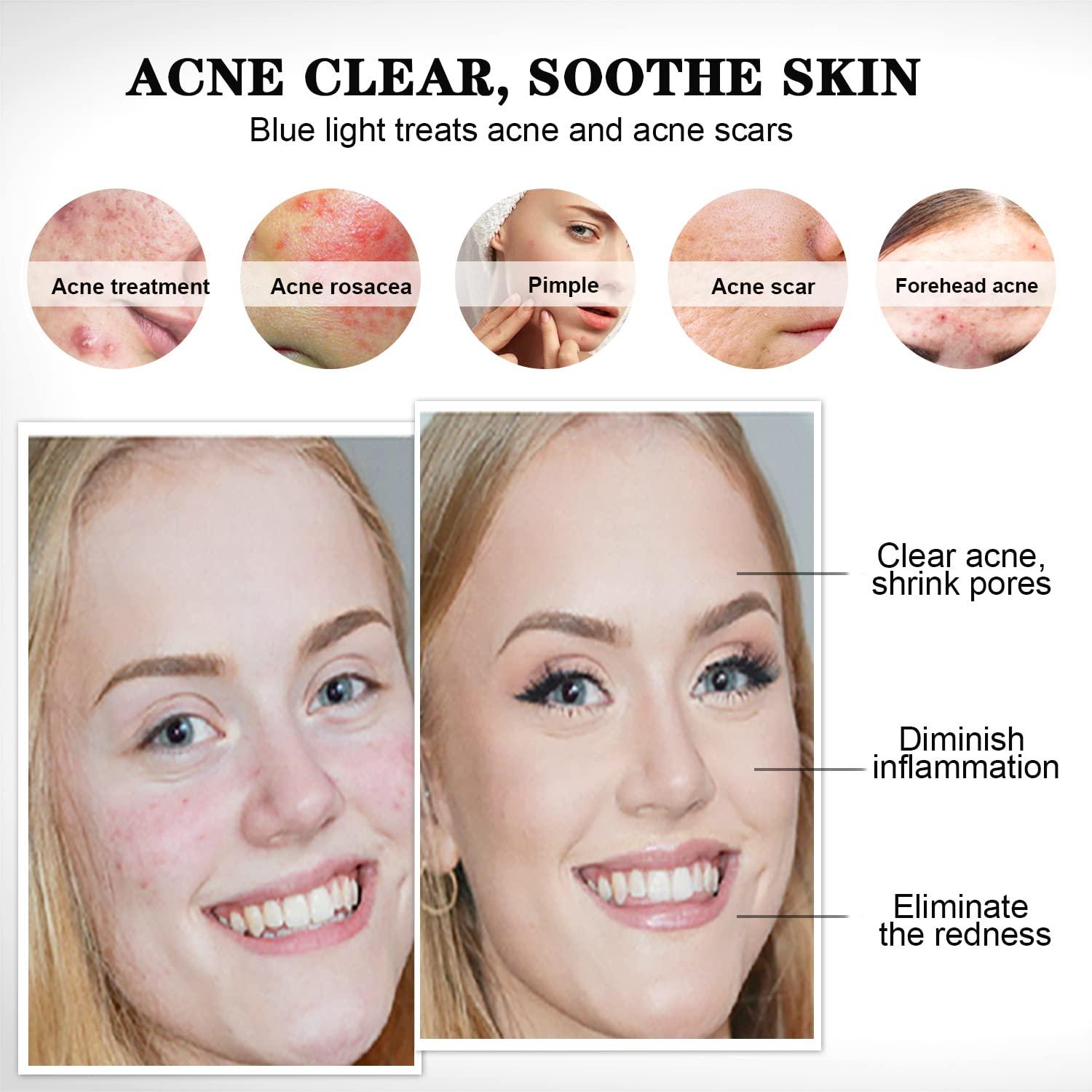
Understanding Acne Light Therapy: Wavelengths, Efficacy, and Clinical Protocols
Acne light therapy is a non-invasive dermatological treatment that uses specific light wavelengths—primarily blue (405–420 nm) and red (630–660 nm)—to eliminate acne-causing bacteria and reduce tissue inflammation. By targeting Cutibac...
Acne light therapy is a non-invasive dermatological treatment that uses specific light wavelengths—primarily blue (405–420 nm) and red (630–660 nm)—to eliminate acne-causing bacteria and reduce tissue inflammation. By targeting Cutibacterium acnes and soothing dermal layers without systemic drugs, phototherapy provides an effective solution for mild-to-moderate inflammatory acne.
Contents
Medical Disclaimer: The information provided in this guide is for educational purposes only and does not constitute medical advice. Consult a board-certified dermatologist before starting any light-based treatment, especially if taking photosensitizing medications.
The Biological Science Behind Acne Light Therapy
Acne light therapy, clinically referred to as phototherapy or light-emitting diode (LED) therapy, relies on photobiomodulation. Unlike ultraviolet (UV) radiation, which damages cellular DNA and causes premature aging, visible light wavelengths do not contain UV radiation. Instead, light therapy delivers narrow-spectrum energy to target the biological mechanisms of acne breakouts.
Visible Spectrum Light Wavelengths for Acne:
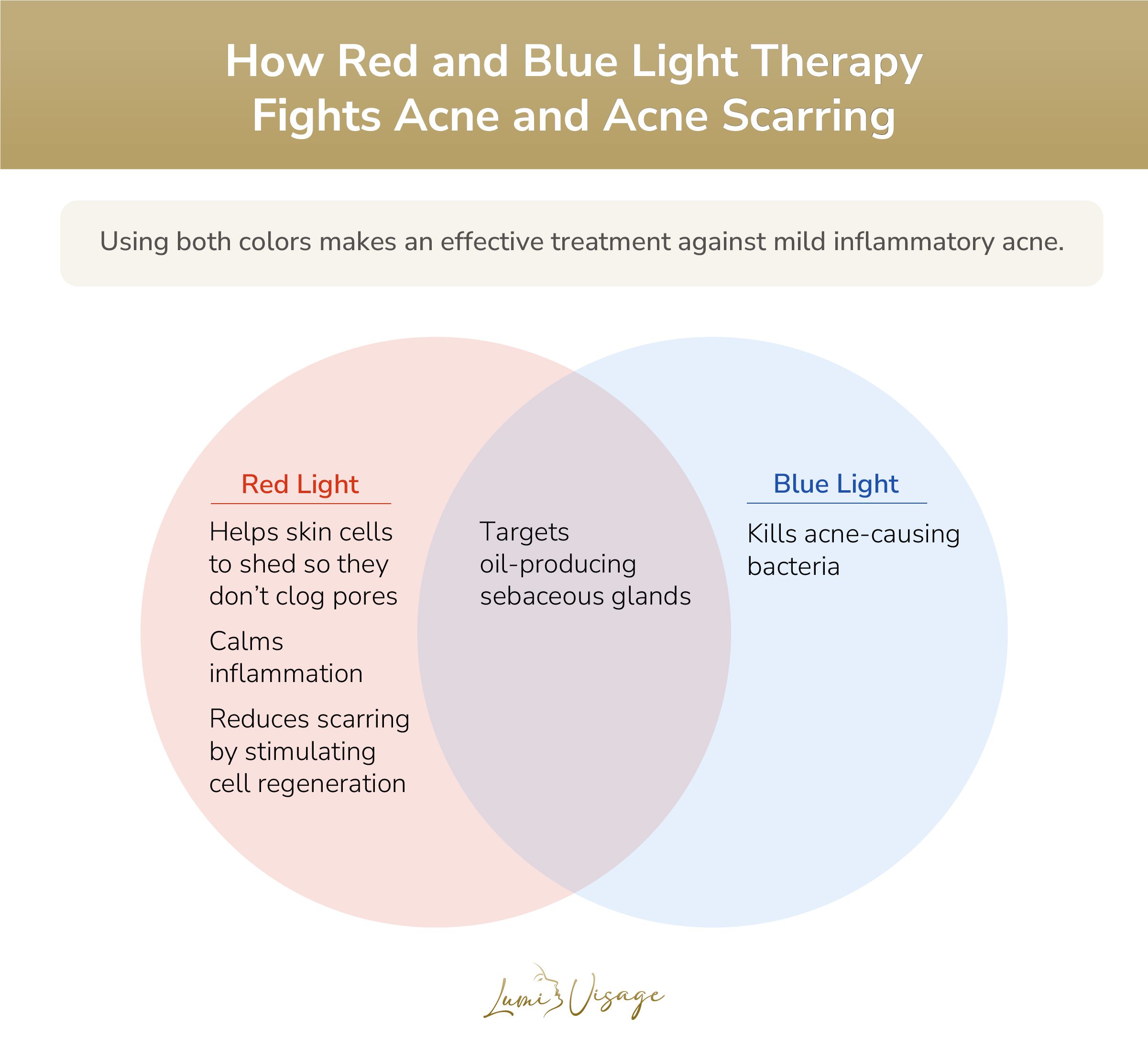
- Blue Light (405–420 nm)
- Targets Porphyrins inside C. acnes
- Bacterial Lysis
- Red Light (630–660 nm)
- Penetrates Dermis to Mitochondria
- Downregulates Inflammation
Acne vulgaris develops from four primary factors: follicular hyperkeratinization, excess sebum production, colonization by the bacterium Cutibacterium acnes (C. acnes, formerly Propionibacterium acnes), and cellular inflammation. Light therapy targets two of these pathways directly: bacterial proliferation and cutaneous inflammation.
Blue Light Wavelengths (405–420 nm): Bacterial Neutralization
Cutibacterium acnes naturally produces metabolic byproducts known as porphyrins, primarily coproporphyrin III and protoporphyrin IX. When blue light within the 405 to 420-nanometer range hits these porphyrins, it triggers a photochemical reaction.
The absorbed light energy excites the porphyrin molecules, producing singlet oxygen and reactive oxygen species (ROS). These ROS molecules destroy the cell membrane of the C. acnes bacteria from within, causing bacterial cell death without harming surrounding human skin cells.
Red Light Wavelengths (630–660 nm): Anti-Inflammatory Tissue Repair
Red light penetrates deeper into the skin layers than blue light, reaching the mid-to-deep dermis. At a wavelength of 630 to 660 nanometers, red light is absorbed by cytochrome c oxidase, a critical enzyme within cellular mitochondria.
This stimulation increases adenosine triphosphate (ATP) production, enhancing cellular repair and accelerating tissue healing. Red light therapy also downregulates pro-inflammatory cytokines, including interleukin-1 alpha (IL-1α) and tumor necrosis factor-alpha (TNF-α), while stimulating collagen synthesis. This process calms swollen, erythematous papules and pustules and reduces post-inflammatory hyperpigmentation (PIH).
Dual-Wavelength Combination Therapy
While blue and red light work through distinct biological mechanisms, clinical evidence demonstrates that combining them offers superior results compared to using either wavelength alone. Blue light destroys active surface and follicular bacteria, while red light addresses deeper inflammatory cascades and promotes tissue recovery. Dual-spectrum arrays deliver these wavelengths simultaneously or sequentially to treat current breakouts while speeding up healing.
In-Office Clinical Phototherapy vs. At-Home LED Devices
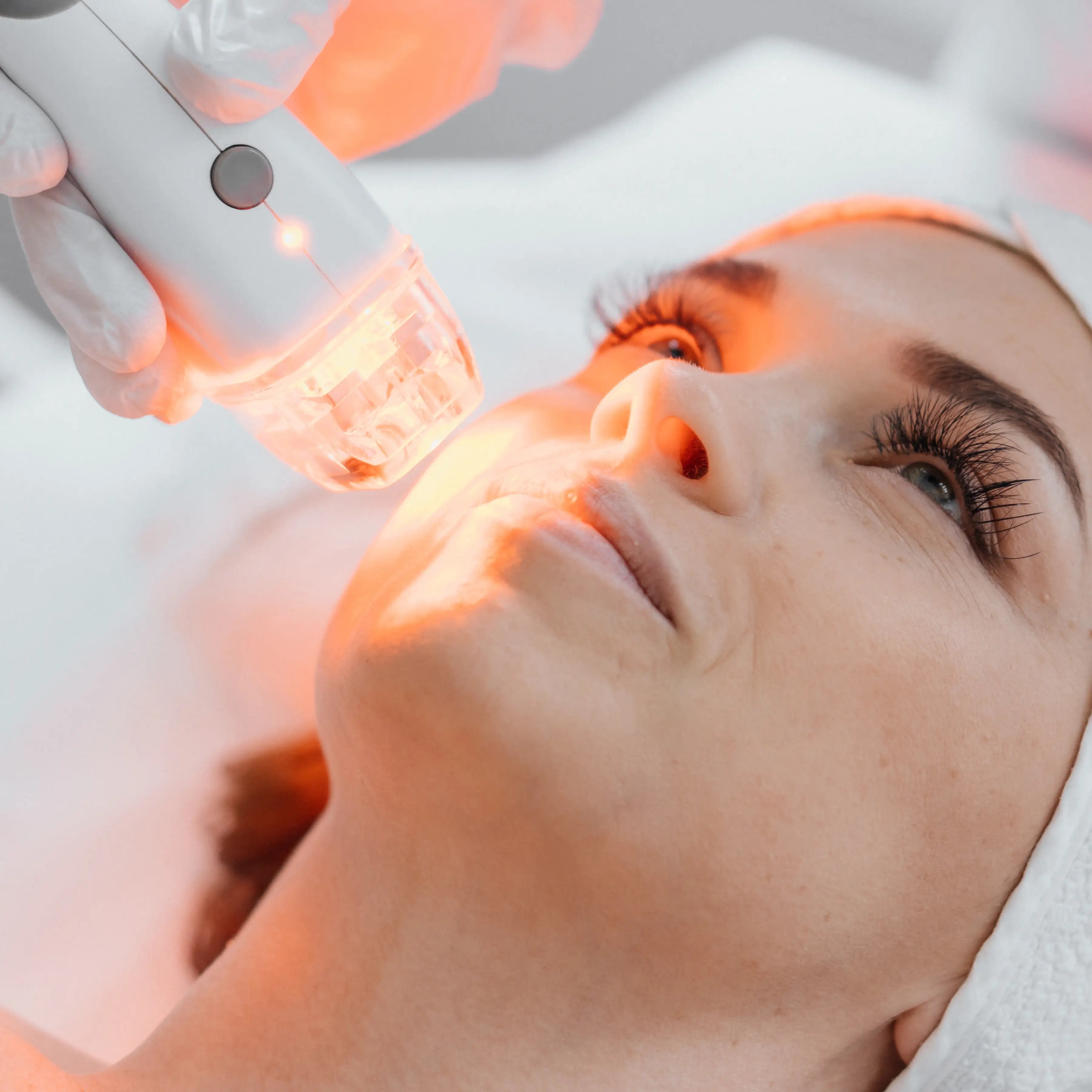
Light therapy options range from high-powered clinical devices used in dermatological offices to consumer-grade LED masks and wands designed for home use. Understanding the technical differences in irradiance, fluence, and safety standards is essential when choosing a treatment approach.
| Parameter | In-Office Clinical Systems | At-Home Consumer Devices |
|---|---|---|
| Irradiance (Power Density) | High (50 to >100 mW/cm²) | Low (10 to 30 mW/cm²) |
| Fluence (Total Energy) | High (J/cm² delivered fast) | Low (Requires long sessions) |
| Wavelength Precision | Narrow, medical-grade diodes | Broader, variable LED quality |
| Supervision Required | Dermatologist / Technician | Self-administered |
| Total Treatment Time | 15–30 minutes weekly | 10–20 minutes daily |
Technical Metrics: Irradiance and Fluence
- Irradiance (Power Density): Measured in milliwatts per square centimeter ($\text{mW/cm}^2$), irradiance indicates how much light power reaches a specific area of the skin. Clinical devices generate higher irradiance, allowing energy to penetrate deeper into tissue.
- Fluence (Energy Density): Measured in Joules per square centimeter ($\text{J/cm}^2$), fluence represents the total energy delivered over a specific period ($\text{Energy} = \text{Power} \times \text{Time}$). In-office equipment achieves therapeutic fluence in short 15-to-20-minute sessions, whereas home devices require daily application over weeks to deliver equivalent cumulative energy.
In-Office Clinical Systems
In-office phototherapy uses high-output LED arrays or Intense Pulsed Light (IPL) systems tailored by a clinical provider. Treatments are typically scheduled twice weekly for four to eight weeks.
Because clinical equipment delivers concentrated light output, patients wear protective opaque goggles to protect their eyes from retinal injury. Professional systems allow dermatologists to adjust light intensity and session duration to match individual skin types and acne severity.
At-Home LED Devices
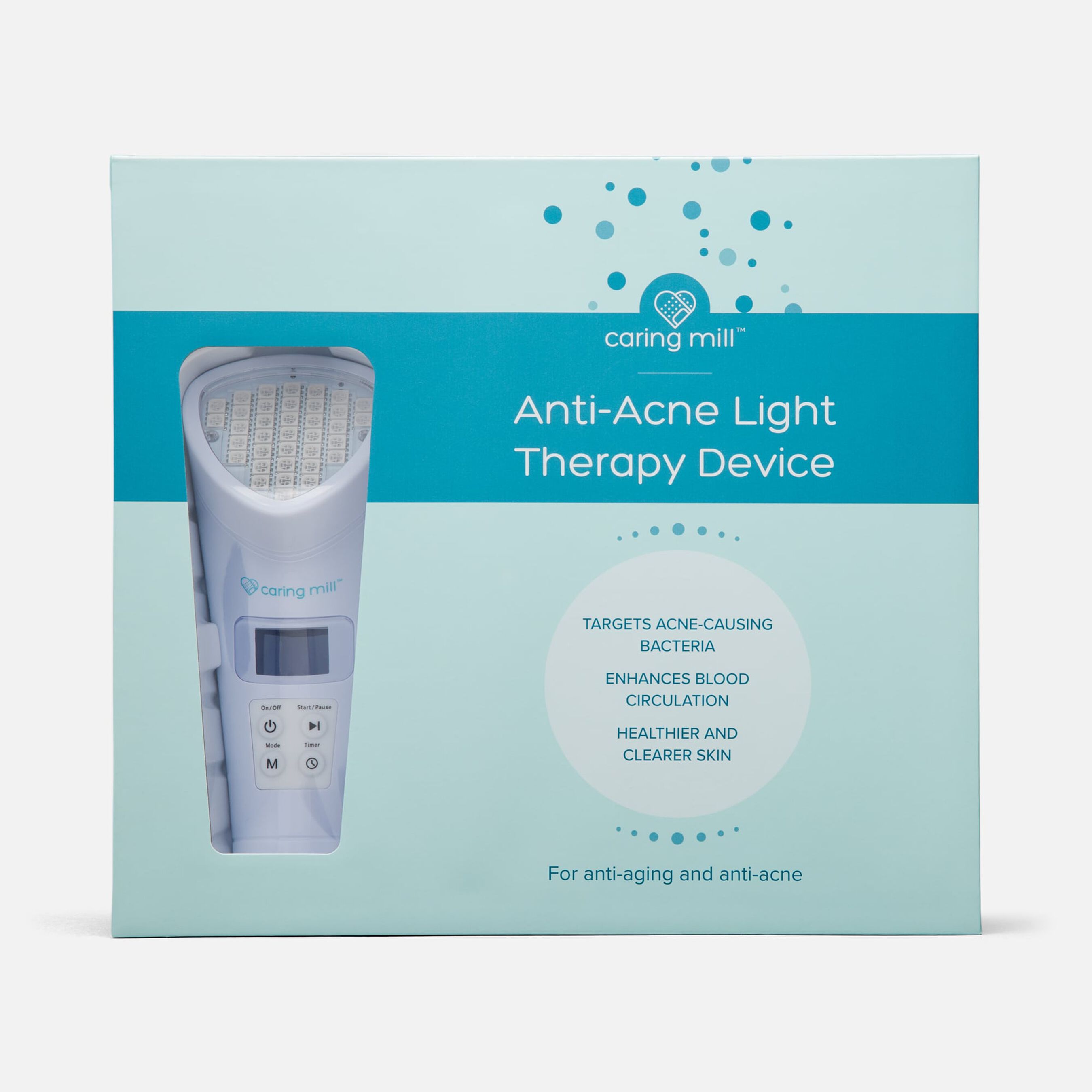
Consumer devices—including LED face masks, handheld wands, and flexible panels—offer lower power outputs to ensure safe, self-administered use. While home devices cannot match the rapid energy delivery of professional systems, regular daily or near-daily use can help maintain clear skin, control mild breakouts, and prevent new inflammatory papules. Users must ensure that home devices carry clearance from regulatory bodies, such as FDA 510(k) clearance in the United States, to verify spectral accuracy and electrical safety.
Photodynamic Therapy (PDT): Advanced Clinical Light Treatment
For moderate-to-severe acne that does not respond to standard light therapy or topical treatments, dermatologists may recommend Photodynamic Therapy (PDT). PDT is a specialized medical procedure that combines a topical photosensitizer with controlled light exposure to achieve targeted tissue destruction.
- Step 1: Application of Topical Photosensitizer (ALA or MAL)
- Step 2: Incubation Period (30 to 120 Minutes)
- Step 3: Photosensitizer Converts to Protoporphyrin IX (PpIX)
- Step 4: Light Source Activation (Blue, Red, or Daylight)
- Result: Targeted Destruction of Hyperactive Sebaceous Glands & C. acnes
The PDT Procedure Step-by-Step
- Preparation and Cleansing: The skin is thoroughly cleansed and exfoliated, often using a mild microdermabrasion or acetone wash, to enhance medication absorption.
- Photosensitizer Application: A topical photosensitizing agent—typically 5-aminolevulinic acid (ALA) or methyl aminolevulinic acid (MAL)—is applied to the treatment area.
- Incubation Phase: The patient waits in a darkened room for an incubation period ranging from 30 minutes to two hours. During this phase, hyperactive sebaceous (oil) glands and C. acnes bacteria absorb the compound and convert it into Protoporphyrin IX (PpIX), a light-sensitive molecule.
- Light Activation: The target area is exposed to a high-intensity red or blue light source, or an IPL device. The light reacts with the accumulated PpIX, producing a targeted photodynamic reaction.
- Sebaceous Gland Alteration: PDT temporarily damages hyperactive sebaceous glands, reducing oil production for months while eliminating bacterial colonies.
Post-PDT Recovery and Precautions
PDT is significantly more intense than standard LED light therapy. Following treatment, patients experience phototoxicity, which presents as mild to moderate sunburn-like erythema, peeling, swelling, and temporary skin sensitivity.
Strict avoidance of direct sun and bright indoor light is required for 24 to 48 hours post-treatment. While PDT requires downtime, a series of one to three sessions can offer long-term improvement for treatment-resistant inflammatory acne.
Comparing Acne Light Therapy to Alternative Treatments
Evaluating phototherapy alongside conventional acne treatments helps clarify where light-based options fit into a overall treatment plan.
| Treatment Modality | Primary Mechanism | Best Suited For | Typical Time to Results | Common Side Effects | Downtime / Restrictions |
|---|---|---|---|---|---|
| Blue/Red LED Light Therapy | Bacterial photo-destruction & anti-inflammatory signaling | Mild-to-moderate inflammatory papules & pustules | 4–8 weeks | Mild, temporary erythema, dry skin | None; routine eye protection required |
| Photodynamic Therapy (PDT) | Photochemical destruction of sebocytes & C. acnes | Moderate-to-severe nodulocystic acne | 1–3 weeks post-procedure | Erythema, scaling, swelling, burning sensation | 24–48 hours strict light avoidance required |
| Topical Retinoids | Normalizes follicular keratinization & cell turnover | Comedonal & inflammatory acne | 8–12 weeks | Peeling, dryness, irritation, initial purging | Sun sensitivity; requires daily SPF |
| Topical Benzoyl Peroxide | Oxidative bactericidal action against C. acnes | Mild inflammatory lesions | 3–6 weeks | Dryness, redness, skin flaking, fabric bleaching | Contact dermatitis risk; minor sun sensitivity |
| Oral Antibiotics (e.g., Doxycycline) | Systemic reduction of bacteria & inflammation | Moderate-to-severe inflammatory acne | 4–8 weeks | GI distress, yeast overgrowth, photosensitivity | Photosensitizing; risk of bacterial resistance |
| Oral Isotretinoin | Systemic inhibition of sebaceous gland size & sebum | Severe, recalcitrant nodular/cystic acne | 16–24 weeks | Cheilitis, severe dryness, elevated lipids, teratogenicity | Strict laboratory monitoring & birth control requirements |
Safety Profile, Side Effects, and Contraindications
Acne light therapy has a strong safety record when administered correctly. Because visible light does not contain ultraviolet (UV) radiation, it does not cause thermal DNA damage or increase skin cancer risk. However, specific precautions must be observed to avoid adverse reactions.
Potential Side Effects
- Transient Erythema: Mild redness may occur immediately after treatment, typically resolving within a few hours.
- Localized Dryness and Flaking: Increased cell turnover can lead to minor skin dryness, which is easily managed with non-comedogenic moisturizers.
- Hyperpigmentation Risk: Individuals with deeper skin tones (Fitzpatrick phototypes IV–VI) may experience temporary post-inflammatory hyperpigmentation, particularly if high-intensity blue light or high thermal outputs are used. Using lower irradiance over longer exposure times mitigates this risk.
Fitzpatrick Skin Type Risk Matrix for Blue Light Therapy:
- [Type I & II] Low Risk of Post-Treatment Hyperpigmentation
- [Type III] Moderate Risk; Monitor Energy Density
- [Type IV - VI] Higher Risk of PIH; Prefer Red-Dominant Wavelengths
Absolute and Relative Contraindications
- Photosensitizing Medications: Patients taking systemic medications that induce photosensitivity—such as oral doxycycline, tetracycline, hydrochlorothiazide, or isotretinoin—must refrain from high-output phototherapy and PDT unless cleared by a physician. Combined phototoxic stress can lead to skin blistering, severe burns, or long-term hyperpigmentation.
- Photodermatoses: Individuals diagnosed with light-sensitive medical conditions, including Systemic Lupus Erythematosus (SLE), porphyria, or polymorphic light eruption, should avoid light therapy.
- Ocular Exposure Concerns: Direct exposure to high-intensity blue light can damage retinal pigment epithelial cells. Patient eye protection (opaque goggles or light-blocking eye shields) is mandatory during clinical phototherapy. Users of home LED masks should keep their eyes closed or select devices equipped with built-in protective silicone eye seals.
Steps to Optimize Your Light Therapy Protocol
To achieve consistent results with either in-office phototherapy or at-home LED devices, follow a structured clinical regimen.
- Pre-Treatment
- Cleanse skin
- Remove makeup/sunscreen
- Ensure skin is dry
- Treatment Phase
- Position panel/mask
- Wear eye protection
- Run designated cycle
- Post-Treatment
- Apply hydrating serum
- Use non-comedogenic moisturizer & SPF
Step 1: Pre-Treatment Skin Preparation
Thoroughly cleanse the face with a gentle, pH-balanced cleanser to remove sebum, makeup, environment pollutants, and physical sunscreens. Ingredients like zinc oxide and titanium dioxide block light penetration, reducing treatment effectiveness. Skin should be clean and dry before activating the light source. Avoid applying dense topical active ingredients—such as retinoids, AHA/BHA acids, or benzoyl peroxide—immediately before a light session to prevent localized irritation.
Step 2: Treatment Execution and Frequency
- For In-Office Systems: Attend treatments twice weekly for four to six weeks, or as directed by a dermatologist. Ensure protective eyewear remains securely fitted throughout the session.
- For At-Home Devices: Consistency is key. Use the device three to five times per week for 10 to 20 minutes per session. Position panels 2 to 6 inches from the face, or ensure flexible masks fit evenly against the skin.
Step 3: Post-Treatment Skincare Integration
Immediately following light exposure, apply a soothing, non-comedogenic serum containing ingredients like hyaluronic acid, niacinamide, or centella asiatica to hydrate the skin barrier. Follow with a non-comedogenic moisturizer. During daytime hours, apply a broad-spectrum sunscreen with SPF 30 or higher to protect against ambient UV damage.
Frequently Asked Questions
Does light therapy work for non-inflammatory comedonal acne (blackheads and whiteheads)?
Light therapy is less effective for non-inflammatory comedonal acne than for inflammatory breakouts. Blue light targets porphyrins in C. acnes bacteria, and red light calms tissue inflammation, but neither directly dissolves the sebum and dead skin cells that plug pores. Comedonal acne responds better to topical keratolytic agents like salicylic acid, azelaic acid, or topical retinoids (such as adapalene), which increase cellular turnover and clear follicular blockages.
How long does it take to see visible results from light therapy?
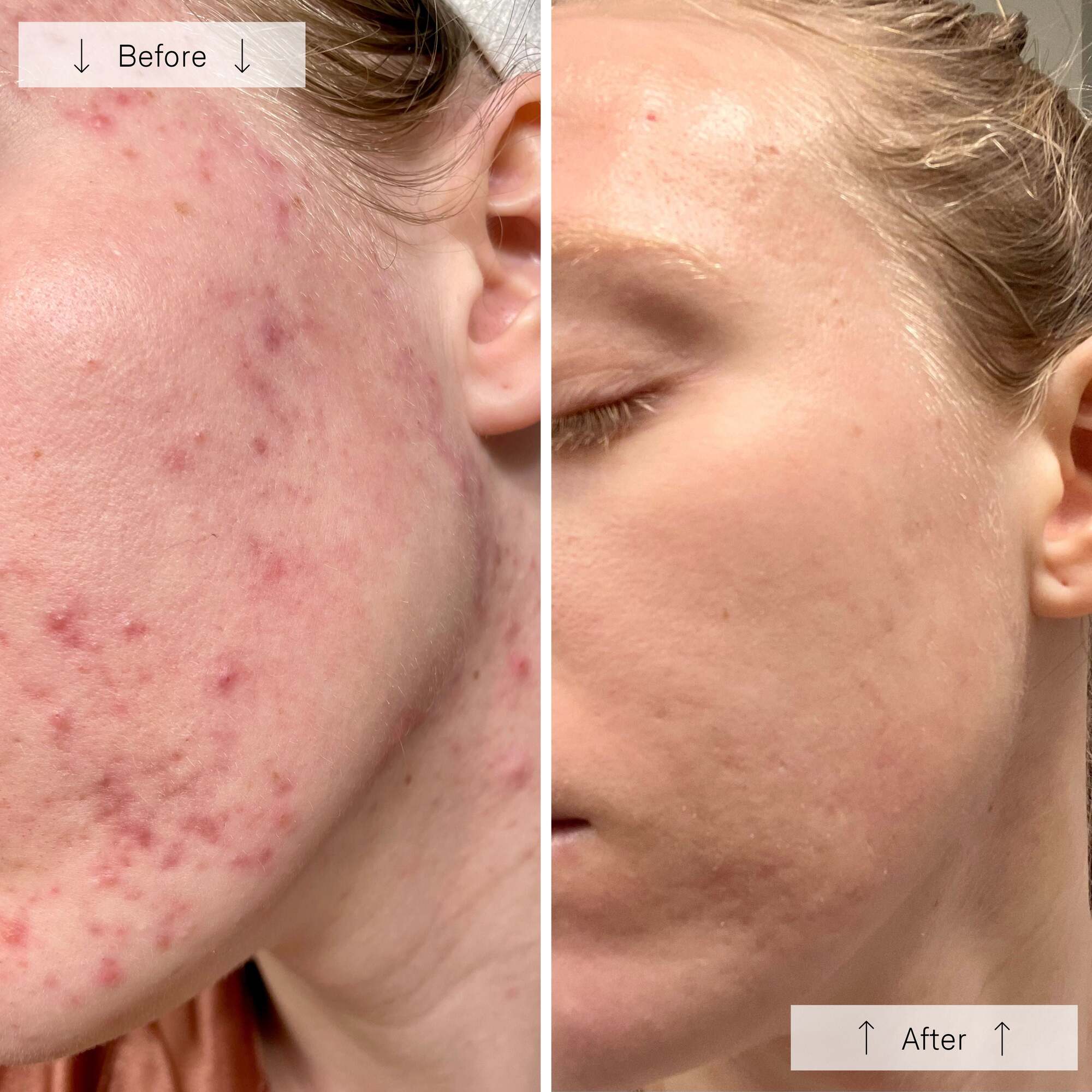
Clinical trials show that visible improvements typically appear after three to four weeks of consistent use. Initial changes include reduced redness and flatter inflammatory lesions. Maximum reduction in active acne lesions generally occurs around week eight. Because phototherapy suppresses bacteria and inflammation without curing the underlying factors that cause acne, ongoing maintenance sessions are usually required to sustain clear skin.
Can light therapy cause skin cancer or premature aging?
No. Light therapy devices use specific, visible light wavelengths (primarily blue light around 415 nm and red light around 630-660 nm) that exclude harmful ultraviolet (UV-A and UV-B) rays. Ultraviolet light causes DNA photoproduct formation, skin cancer, and photoaging. Visible light therapy does not induce these alterations; in fact, red light photobiomodulation is frequently used in aesthetic medicine to encourage collagen production and tissue repair.
Can light therapy replace oral acne medications like isotretinoin or antibiotics?
For mild-to-moderate inflammatory acne, phototherapy can serve as an effective alternative to oral antibiotics, helping patients clear breakouts without risking antibiotic resistance or gastrointestinal side effects. However, for severe, scarring nodulocystic acne, standard light therapy is generally not potent enough to replace systemic treatments like oral isotretinoin. Patients should consult a dermatologist to determine whether light therapy is suitable as a primary treatment or an adjunct to prescription therapies.
Key Recommendations and Next Actions
Acne light therapy is a scientifically validated, non-systemic treatment that targets acne-causing bacteria and calms skin inflammation. To safely integrate light therapy into your skincare routine, take the following steps:
- Consult a Professional: Schedule an assessment with a board-certified dermatologist to determine your skin phototype, classify your acne type, and verify that you are not taking photosensitizing medications.
- Choose the Right Modality: Select in-office phototherapy or Photodynamic Therapy (PDT) if you need fast, high-fluence treatment for persistent breakouts. Choose an FDA-cleared home LED device for convenient ongoing maintenance.
- Ensure Proper Wavelengths: Verify that your chosen device uses clinically supported wavelengths—ideally a combination of 405–420 nm blue light and 630–660 nm red light.
- Protect Your Eyes: Always wear dedicated protective eyewear during treatment sessions to shield your eyes from bright light exposure.
- Maintain Consistency: Follow a consistent treatment schedule for at least eight weeks, supporting your light therapy regimen with a gentle cleanser, non-comedogenic moisturizer, and daily broad-spectrum sunscreen.
Image Gallery