Little MI: Exploring Detroit’s Hidden Neighborhood Gems
Exploring Detroit's lesser-known pockets reveals a rich tapestry of localized culture, historic architecture, independent commerce, and tight-knit residential enclaves that exist far beyond the major downtown corridors. While Midtown,...
Exploring Detroit's lesser-known pockets reveals a rich tapestry of localized culture, historic architecture, independent commerce, and tight-knit residential enclaves that exist far beyond the major downtown corridors. While Midtown, Corktown, and Downtown command significant visitor attention, "Little MI"—referring affectionately to the hyper-local, micro-neighborhoods scattered across Detroit's expansive urban grid—harbors some of the city's most authentic cultural touchstones, hidden culinary spots, and architectural anomalies.
Contents
This guide provides a comprehensive roadmap for navigating Detroit’s off-the-beaten-path neighborhood gems, detailing how to access them safely, what to look out for, and how to appreciate the deep history embedded within these unique residential and commercial districts.
Understanding Detroit’s Micro-Neighborhood Ecosystem
Detroit is geographically vast, covering roughly 139 square miles. Because of this scale, the city is not a monolith; rather, it functions as a collection of distinct villages and townships that were annexed over the decades, each retaining a distinct architectural footprint and cultural identity.
When urban explorers or residents refer to hidden neighborhood gems, they are typically pointing to commercial nodes or historic residential clusters nestled deep within outer-ring neighborhoods. These areas are characterized by independent storefronts, century-old community anchors, and a lack of corporate chain saturation.
Why Neighborhood Gems Matter
- Economic Resilience: Independent businesses in these areas often reflect the generational resilience and multi-ethnic makeup of Detroit’s contemporary population.
- Architectural Preservation: Many of these pockets feature residential and commercial blocks designed by prominent 20th-century architects that escaped urban renewal clearance projects.
- Authentic Culinary Traditions: Away from trendy dining districts, neighborhood bakeries, soul food spots, and specialty grocers preserve recipes and traditions passed down through decades.
Key Hidden Neighborhood Pockets to Explore
Navigating Detroit's lesser-known districts requires a strategic approach. Below are some of the most notable neighborhood pockets that offer deep historical context and unique community spaces.
| Neighborhood Pocket | Primary Character | Notable Highlight / Attraction |
|---|---|---|
| Livernois Avenue Corridor | Historic fashion & arts | Avenue of Fashion boutiques & galleries |
| Jefferson-Chalmers | Canal-adjacent residential | Historic canals & riverside architecture |
| Southwest Detroit (Mexicantown periphery) | Industrial & cultural fusion | Independent bakeries & neighborhood murals |
| North End | Creative revival & history | Historic performance spaces & studios |
The Outer Reaches of Livernois: The Avenue of Fashion
While the central stretch of the Avenue of Fashion is relatively well-known, exploring the micro-neighborhoods branching off Livernois Avenue reveals residential streets lined with mid-century custom brick homes, historic churches, and quiet neighborhood parks. The area historically served as a middle-class enclave for Black professionals, musicians, and entrepreneurs during the mid-20th century. Today, visitors can explore independent bookstores, specialized design shops, and long-standing culinary staples that prioritize community engagement over tourist volume.
Jefferson-Chalmers: The Waterway Enclave
Located on Detroit’s far east side, Jefferson-Chalmers is uniquely defined by its network of canals connecting directly to the Detroit River and Lake St. Clair. Often called Detroit's "Venice," this neighborhood features early 20th-century residential architecture, including Dutch colonials and Craftsman bungalows.
- Access Note: Visitors should respect private residential docks and utilize public viewing points along the canal edges.
- Commercial Anchor: Historic commercial strips along East Jefferson Avenue host cooperative markets and neighborhood cafes that anchor the local revitalization efforts.
The North End: Historic Roots and Creative Spaces
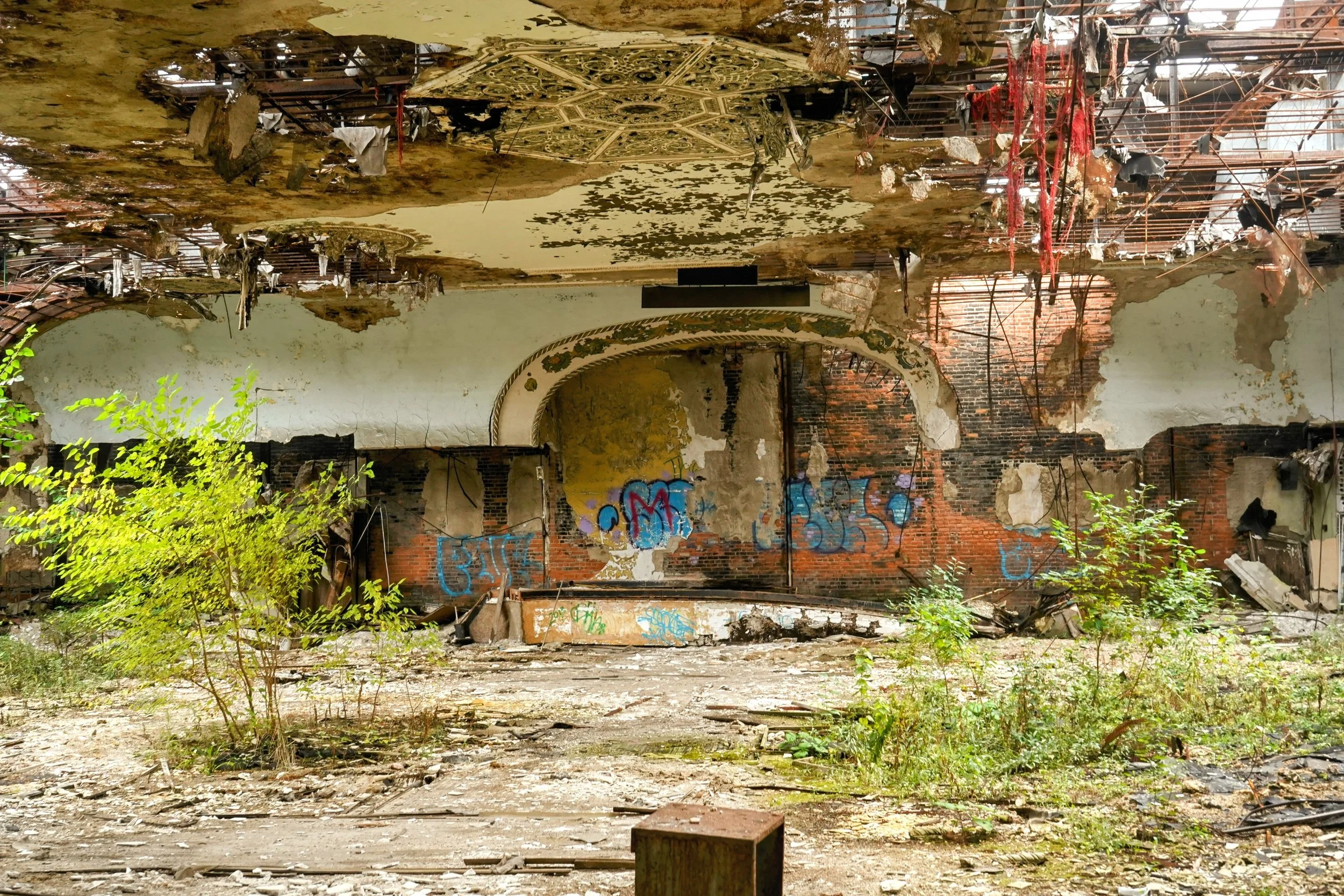
Sandwiched between Highland Park and Detroit's New Center, the North End is an epicenter of historic resilience. Once a vital hub for early Black-owned businesses and a frequent stomping ground for Motown legends before their mainstream success, the North End retains a gritty, authentic charm. The neighborhood features community-run gardens, experimental art spaces housed in former industrial buildings, and quiet residential blocks that tell the story of Detroit's grassroots urban farming movement.
Practical Logistics for Neighborhood Exploration
Visiting Detroit’s hidden gems requires preparation, situational awareness, and respect for local residents. Unlike heavily policed commercial districts, these are primarily residential areas where daily life takes precedence over tourism.
Transportation and Navigation
- Vehicular Travel: Having a reliable vehicle or utilizing a rideshare service is essential, as public transit intervals on outer routes can be wide. Parking is generally street-based; check signage for any local restrictions.
- Digital Mapping: Cell service is robust across the city, but it is wise to map routes ahead of time in case of temporary dead zones near heavy industrial architecture or underpasses.
- Walkability: While individual commercial nodes are walkable, walking between different neighborhood pockets across Detroit’s expansive street grid is generally impractical for a single afternoon. Group your visits by geographic sector (e.g., East Side versus West Side).
Etiquette and Community Engagement
- Support Local: When visiting neighborhood businesses, buy directly from independent vendors. Cash is still preferred by many micro-businesses, though most accept cards.
- Respect Privacy: Many residential streets feature homes directly abutting the sidewalk. Exercise discretion with photography, avoiding private residences and focusing instead on public architecture, street art, and commercial storefronts.
- Engage with Locals: Business owners and long-term residents are often the best archives of local history. A polite conversation will frequently yield recommendations for unlisted neighborhood landmarks.
Frequently Asked Questions
Are Detroit’s hidden neighborhood gems safe to visit?
Most residential and commercial corridors in Detroit are safe during daylight hours, provided visitors exercise standard urban awareness. Stick to well-traveled commercial strips, park in visible areas, and remain mindful of your surroundings just as you would in any major metropolitan center.
Do I need a guided tour to explore these neighborhoods?
No, self-guided exploration is entirely feasible if you plan your route in advance. However, local historic preservation groups and community development organizations occasionally offer guided architectural and historical walking tours of areas like Jefferson-Chalmers and the North End.
What is the best time of year to explore Detroit’s neighborhoods?
Late spring through early autumn offers the most pleasant weather for walking outdoor corridors, visiting community gardens, and experiencing neighborhood street life. Summer also features various block parties and neighborhood-specific festivals.
Are these areas accessible via public transit?
While the Detroit Department of Transportation (DDOT) and SMART bus systems service these corridors, schedules can be infrequent. Relying on personal vehicles, car rentals, or rideshare services provides a much more efficient experience for multi-stop itineraries.
How can I verify if a specific independent business is open?
Many micro-businesses in Detroit operate on independent schedules that may not update automatically on major mapping platforms. It is always recommended to check their official social media pages or call ahead before making a long trip to a specific storefront.
Conclusion and Next Actions
Uncovering Little MI’s hidden neighborhood gems offers a rewarding departure from standard tourist itineraries, providing a genuine look into the fabric of Detroit's residential communities. To begin your exploration, select one specific micro-district—such as the canal-adjacent streets of Jefferson-Chalmers or the creative spaces of the North End—map out two or three independent businesses to support, and dedicate an afternoon to observing the architecture, commerce, and community life that sustain the city's neighborhoods.
Image Gallery