Understanding Guaranteed Acceptance Life Insurance With No Medical Questions
Guaranteed acceptance life insurance provides coverage without the requirement of a medical exam or health questionnaires. Because insurers assume the risk of insuring individuals with pre-existing conditions or advanced age, these pol...
Guaranteed acceptance life insurance provides coverage without the requirement of a medical exam or health questionnaires. Because insurers assume the risk of insuring individuals with pre-existing conditions or advanced age, these policies typically feature graded death benefits, meaning full coverage may only apply after a mandatory waiting period of two to three years.
Contents
What Is Guaranteed Acceptance Life Insurance?
Guaranteed acceptance life insurance—often categorized under the broader umbrella of final expense or simplified issue whole life insurance—is designed specifically for individuals who may not qualify for traditional life insurance policies due to health history, lifestyle factors, or age. In 2026, many insurance carriers continue to offer these products as a way to cover end-of-life expenses such as funeral costs, medical bills, or small outstanding debts.
The defining characteristic of this product is the absence of underwriting hurdles. Unlike term life insurance or traditional whole life insurance, which typically require paramedical exams, blood work, or a deep dive into medical records, guaranteed acceptance policies operate on the principle of universal eligibility. If you meet the age requirements—usually between 50 and 85 years old—your application is accepted regardless of your current health status or past diagnoses.
How the Underwriting Process Works
Underwriting is the mechanism insurance companies use to evaluate risk. In a standard life insurance policy, an underwriter reviews your medical records to determine your life expectancy and assign a premium rate. If you have a serious illness, your application might be declined, or your premiums might be prohibitively expensive.
With guaranteed acceptance life insurance, this entire process is bypassed. There are no health questions on the application form. You do not need to provide a medical history, nor are you required to consult with a nurse or provide body fluid samples. Because the insurer cannot filter out high-risk applicants, they manage their financial liability through two specific methods: lower death benefit limits and graded death benefit clauses.
The Graded Death Benefit Explained
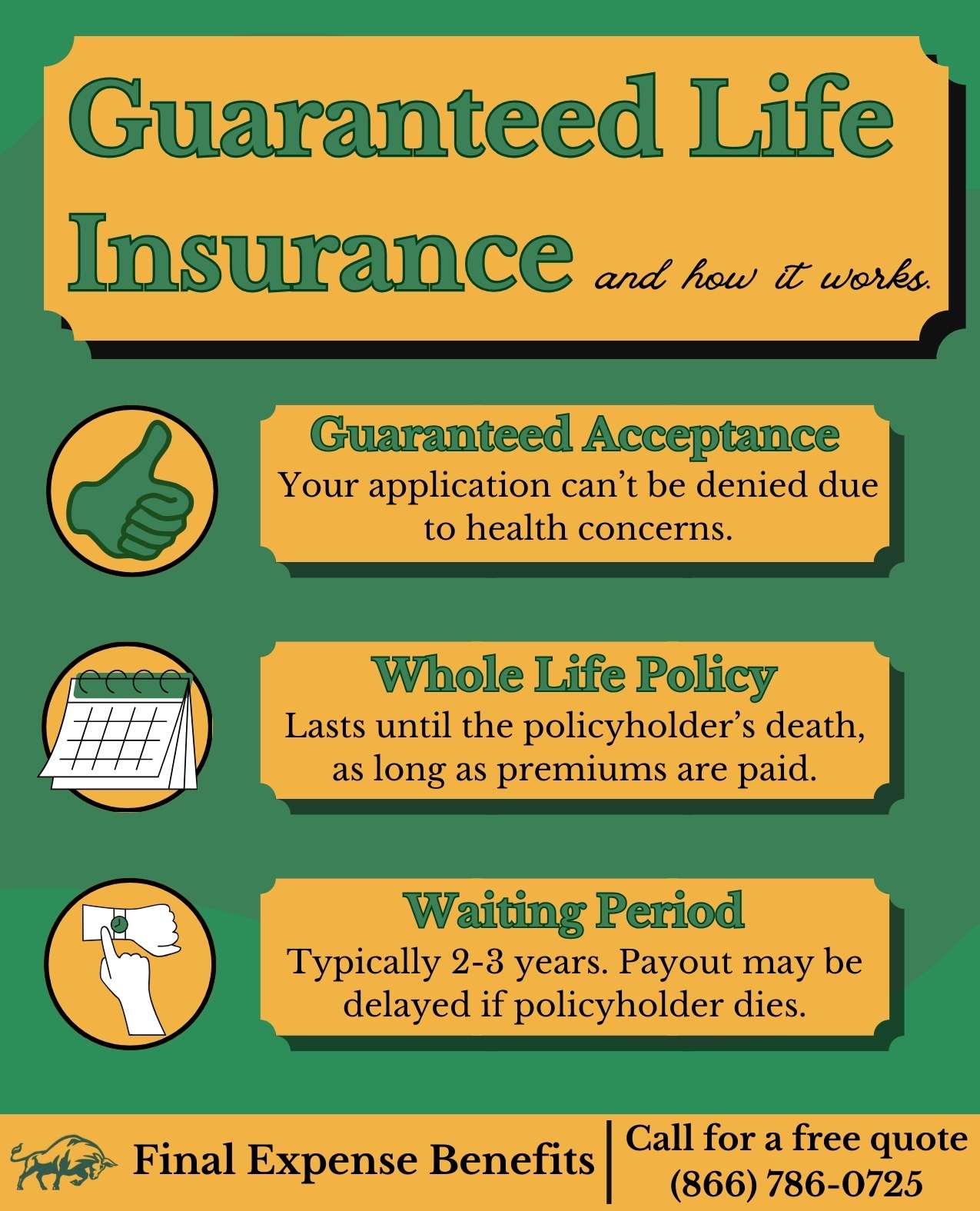
The most critical component to understand when purchasing a policy without medical questions is the "graded death benefit." This is a contractual provision that dictates how much the insurance company pays out depending on when the death occurs.
In the first two or three years of the policy—often called the "contestability period"—if the insured passes away due to natural causes (illness or health-related issues), the insurer typically does not pay the full face value of the policy. Instead, they will return the premiums paid by the policyholder, often plus a small percentage of interest.
However, if the death is caused by an accident during that initial period, most carriers will pay the full death benefit immediately. After the graded period ends (typically after 24 to 36 months), the policy transitions to full coverage. At that point, if the insured passes away for any reason, the insurer pays the full face value to the named beneficiaries. It is vital to verify the specific terms of the graded benefit in the policy contract, as these vary by provider.
Comparing Life Insurance Options
| Feature | Guaranteed Acceptance | Simplified Issue | Traditional Underwritten |
|---|---|---|---|
| Medical Exam | No | No | Often Required |
| Health Questions | None | Yes | Yes |
| Eligibility | Guaranteed (if age-eligible) | Conditional | Based on Health |
| Coverage Limit | Low ($5k–$25k) | Moderate ($10k–$50k) | High ($100k+) |
| Waiting Period | 2–3 Years (Graded) | None | None |
Financial Considerations and Costs
Guaranteed acceptance life insurance is generally more expensive per unit of coverage than medically underwritten insurance. Since the insurer is accepting an "unknown" risk, they build a premium structure that ensures they can meet future claims.
In 2026, premiums for these policies are typically level, meaning the amount you pay remains the same throughout the life of the policy. This provides budget certainty for seniors living on fixed incomes. When evaluating the cost, look for policies that offer "guaranteed cash value." This feature allows the policy to accumulate a small amount of equity over time, which the policyholder can borrow against or use to pay future premiums if necessary.
Who Should Consider This Type of Insurance?
This product is not intended to replace high-value income replacement insurance. Instead, it serves a niche audience with specific financial needs:
- Individuals with Pre-existing Conditions: Those who have been declined for traditional coverage due to chronic conditions such as diabetes, heart disease, or cancer.
- Seniors Seeking Funeral Coverage: Individuals who want to ensure they do not leave a financial burden on their surviving family members to cover burial or cremation costs.
- Applicants Seeking Speed: If you require coverage immediately and do not have the time to undergo a lengthy underwriting process, this provides an instant approval path.
- Limited Budget Alternatives: For those who cannot afford traditional premiums but still want some form of legacy benefit for heirs.
Common Pitfalls and Troubleshooting
The most common mistake applicants make is failing to read the policy document regarding the graded death benefit. Some families are surprised to discover that a death occurring 18 months into the policy only results in a refund of premiums rather than the full face value. Always ensure that the death benefit is sufficient for your goals, accounting for inflation in funeral costs over the next few years.
Another issue is policy stacking. Some individuals attempt to purchase multiple small policies from different carriers to achieve a higher total death benefit. While this is technically possible, ensure that the total monthly premiums do not exceed your long-term financial capacity. If you miss premium payments, the policy will lapse, and you will lose all the coverage you have been paying for.
Expert Guidance on Application
Before applying, follow these steps to ensure you select the right policy:
- Confirm Licensing: Always verify that the insurance carrier or the broker you are working with is licensed in your state of residence. State insurance departments maintain databases of licensed entities that you can check through their official websites.
- Request an Outline of Coverage: This document will explain exactly how the graded benefit works and the specific terms of the policy.
- Review Beneficiary Designations: Ensure your beneficiaries are correctly named and that your plans for the policy proceeds are clear.
- Set Up Automatic Payments: To avoid an accidental lapse in coverage, consider setting up an automatic bank draft for premium payments.
Frequently Asked Questions
Does the payout amount ever change? Once the policy is issued, the face value and the premiums remain fixed. The only thing that changes is your eligibility for the full benefit once the graded waiting period has passed.
Can a guaranteed acceptance policy be canceled by the insurer? No. As long as you pay your premiums on time, the insurer cannot cancel your policy, regardless of any changes in your health status after the policy is issued.
Is the death benefit taxable? Generally, life insurance death benefits are received income-tax-free by the beneficiaries in the United States. However, it is advisable to consult with a tax professional regarding your specific estate situation.
Can I get this insurance if I am over 80 years old? Yes, most guaranteed acceptance plans cater specifically to the senior market, with many carriers accepting applicants up to age 85. Eligibility beyond that age is possible but may be more limited.
Is there any scenario where I would not get a refund of premiums? If the policy lapses because premiums were not paid, you would generally forfeit the coverage and any premiums paid to date. It is essential to maintain the policy status.
Next Steps for Coverage
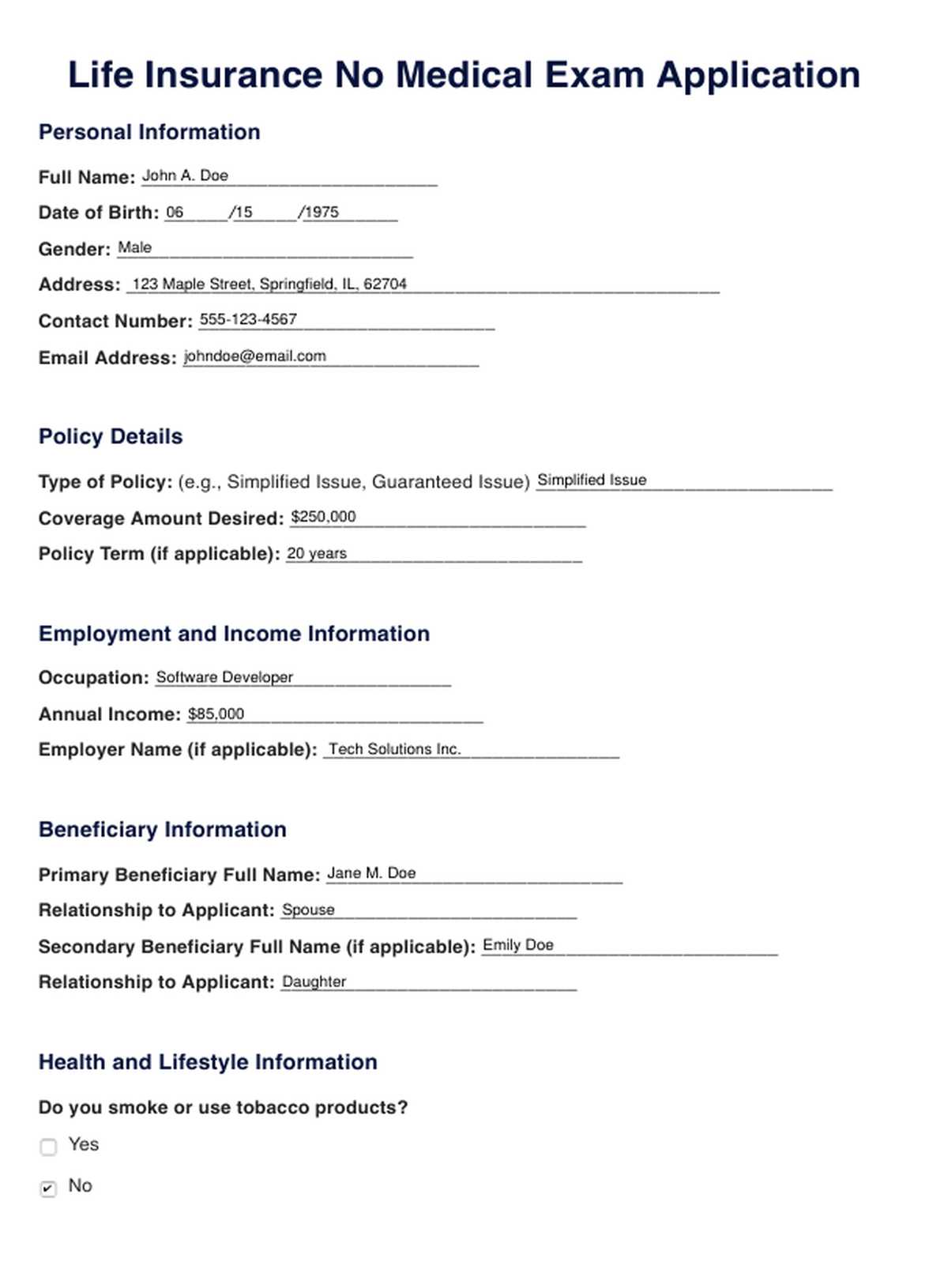
If you have determined that guaranteed acceptance life insurance is your best path, begin by comparing quotes from at least three reputable carriers. Look specifically at the "graded death benefit" language in their sample contracts to understand how long the waiting period lasts. Once you have selected a provider, complete the application—which usually requires only basic contact information and age verification—and secure your coverage to provide peace of mind for your estate.
Image Gallery