How Solar Panel and Battery Installation in Amersham Works
Solar panel and battery installation in Amersham involves a structured process of site assessment, navigating local Chiltern planning regulations, and technical electrical integration. Homeowners first secure structural approval and DN...
Solar panel and battery installation in Amersham involves a structured process of site assessment, navigating local Chiltern planning regulations, and technical electrical integration. Homeowners first secure structural approval and DNO permissions before mounting photovoltaic panels and connecting lithium-ion storage systems to a hybrid inverter, enabling localized renewable energy management and grid independence.
Contents
The transition to renewable energy in Buckinghamshire has accelerated significantly by 2026. For residents of Amersham, the decision to install solar panels (photovoltaics or PV) coupled with battery storage is no longer just an environmental statement but a strategic financial move. The geography of the Chilterns, combined with specific local conservation constraints, makes the installation process in Amersham unique compared to other regions in the UK. Understanding the technical workflow, from the initial roof survey to the final commissioning of the battery management system, is essential for a successful transition to self-generated power.
Navigating Amersham’s Planning and Conservation Landscape
Before a single bracket is fixed to a roof, the installation process in Amersham begins with a thorough check of planning constraints. Amersham is divided into distinct zones: the modern Amersham-on-the-Hill and the historic Old Amersham.
In many parts of Amersham-on-the-Hill, solar installations fall under Permitted Development (PD) rights. This means that as long as the panels do not protrude more than 200mm from the roof plane and are kept below the ridgeline, formal planning permission is often unnecessary. However, Old Amersham is a different matter. Large portions of the town are designated as Conservation Areas, and many buildings are Grade II listed.
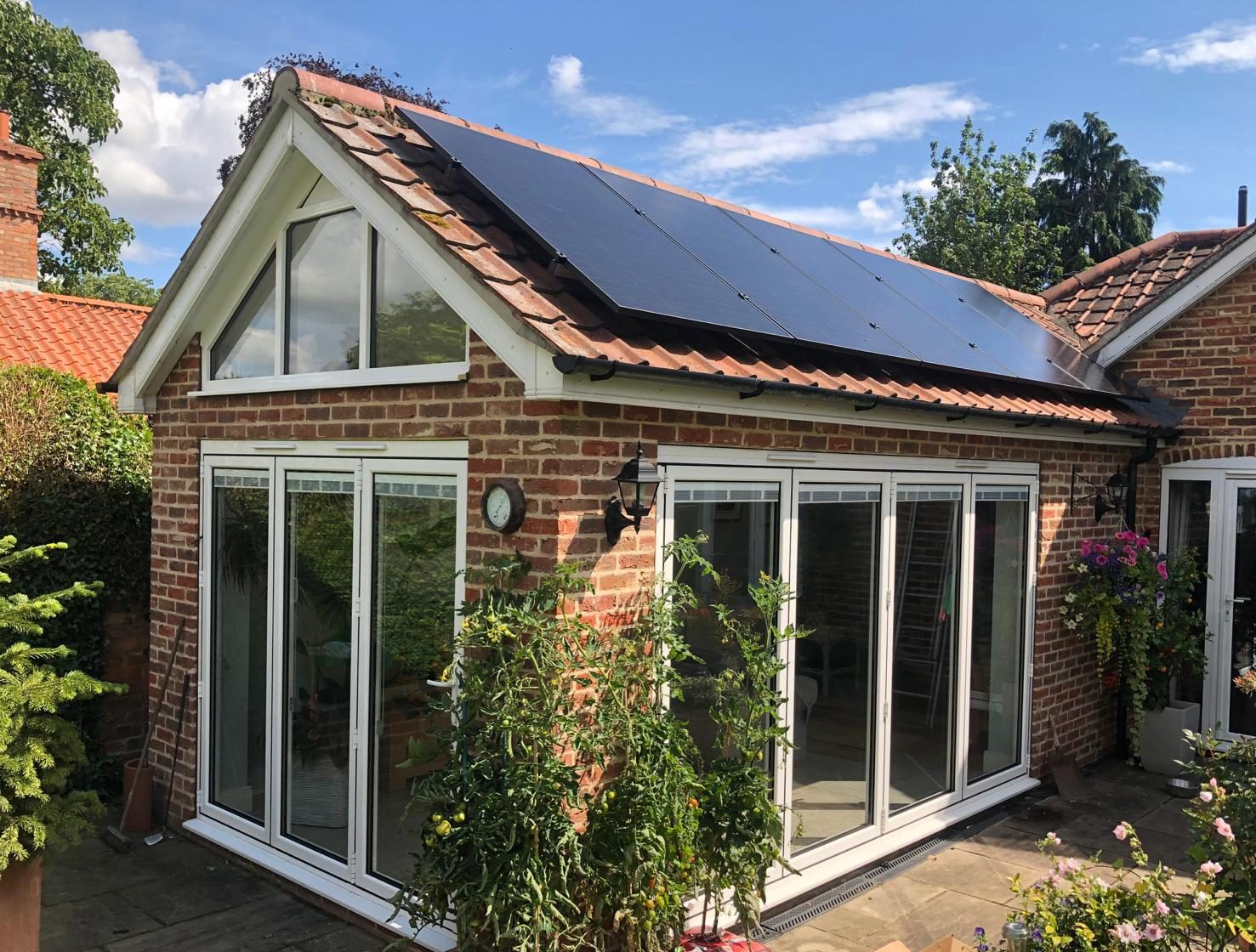
In these sensitive areas, the "how" of installation shifts toward aesthetic integration. Installers must often use "all-black" modules or even solar tiles that mimic traditional slate to satisfy the Chiltern District planning officers. If you live in a listed building, you will almost certainly require Listed Building Consent. This adds a layer of administrative "work" to the timeline, typically requiring a 6-to-10-week window for local authority review. Furthermore, Amersham falls within the Chilterns National Landscape (formerly AONB), which means installations visible from public highways are scrutinized more closely than those on hidden, rear-facing elevations.
The Technical Site Survey and Feasibility Study
Once the planning path is clear, a qualified engineer conducts a technical site survey. This is the foundation of the entire system's efficiency. In Amersham, many properties feature traditional timber-framed roofs or older clay tiles (especially in the HP7 postcode area).
The surveyor assesses three primary factors:
- Structural Integrity: Solar arrays add significant weight (approximately 12-15kg per square meter). The surveyor must ensure the rafters can support the "dead load" of the panels and the "wind load" caused by uplift during storms.
- Orientation and Shading: While south-facing roofs are optimal, east-west splits are increasingly common in 2026 to capture morning and evening generation. The surveyor uses LIDAR data or handheld sun-path scanners to identify shading from Amersham’s many mature beech trees or neighboring chimneys.
- Electrical Compatibility: The surveyor inspects the existing consumer unit (fuse box). In 2026, most Amersham homes require an upgrade to a "Smart" consumer unit or at least the installation of a dedicated solar circuit breaker and a secondary generation meter.
Obtaining DNO Approval (G98 vs. G99)
In Amersham, the local Distribution Network Operator (DNO) is Scottish and Southern Electricity Networks (SSEN). Before connecting a solar and battery system, the installer must notify or seek permission from SSEN.
For smaller systems (typically under 3.68kW per phase), a G98 notification is submitted after the installation. However, most modern installations in 2026 include high-capacity batteries and larger solar arrays, often exceeding 5kW. These require a G99 application prior to installation. SSEN reviews the local grid capacity in your specific Amersham street to ensure the transformer can handle the potential export of surplus energy. This "permission to connect" is a critical step that governs the maximum size of the inverter you can legally install.
The Installation Process: Step-by-Step
When the hardware arrives, the installation typically takes two to three days, depending on the complexity of the roof and the battery location.
Phase 1: Scaffolding and Roof Preparation
Safety is paramount. Full perimeter scaffolding is erected to comply with Health and Safety Executive (HSE) guidelines. For Amersham’s common Rosemary or clay tiles, installers use specific "roof hooks" that screw into the rafters. The tiles are notched or lifted, the hooks are attached, and the tiles are replaced to maintain a watertight seal.
Phase 2: Rail Mounting and Panel Attachment
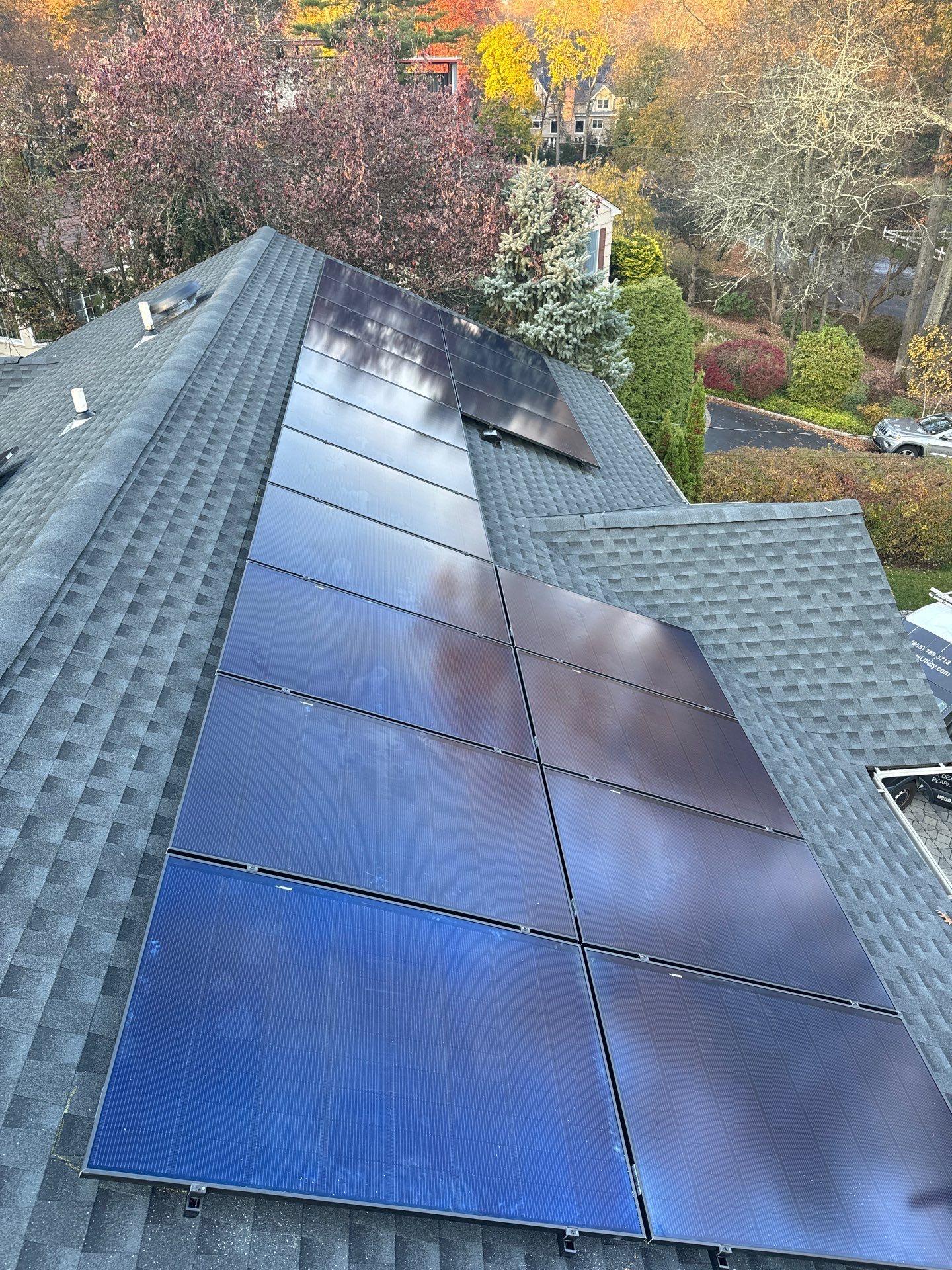
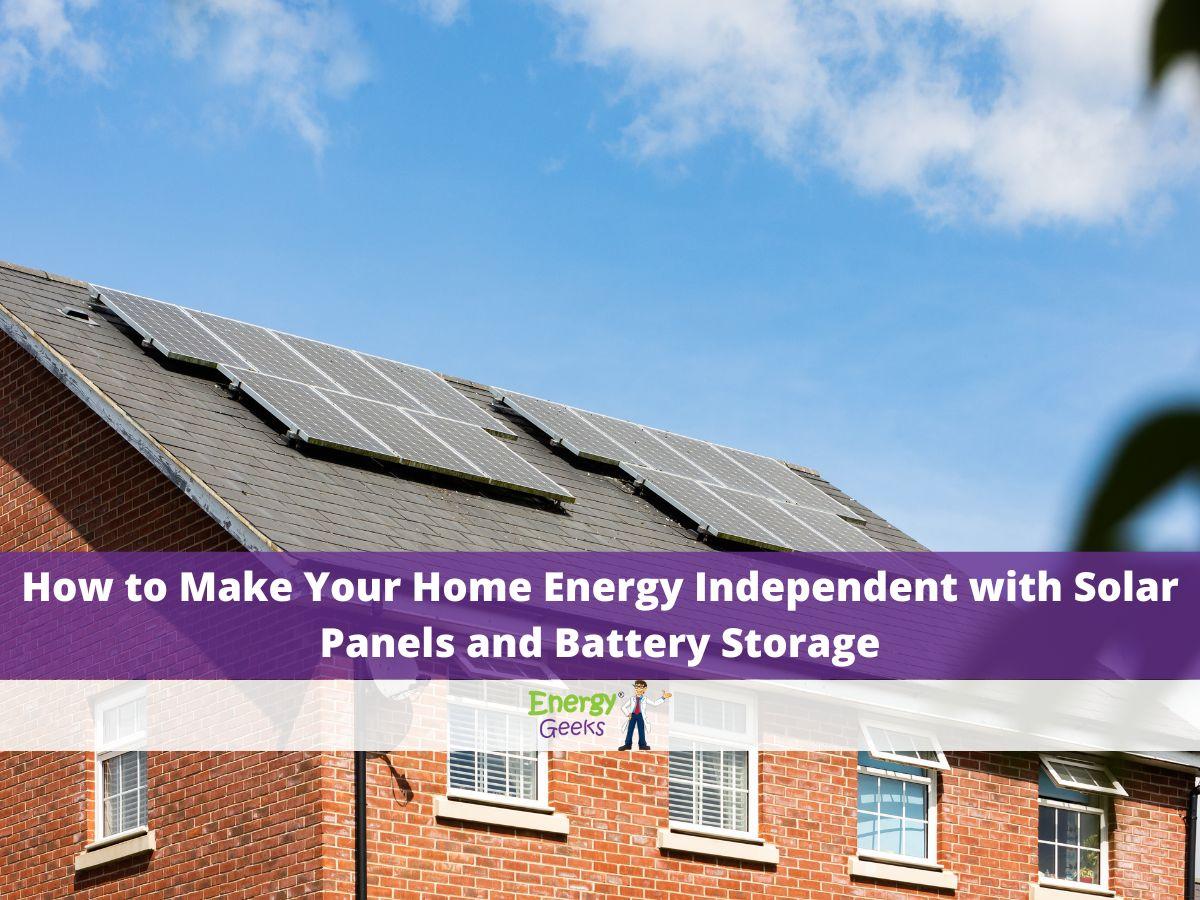
Aluminum mounting rails are bolted to the hooks. These rails provide the framework for the PV panels. In 2026, the standard panel technology is N-type TOPCon or Heterojunction (HJT), offering efficiencies of 22% or higher. The panels are secured using end-clamps and mid-clamps. Wiring (DC cables) is tucked neatly behind the panels, usually fed through a specialized weathered slate or tile vent into the loft space.
Phase 3: Battery and Inverter Integration
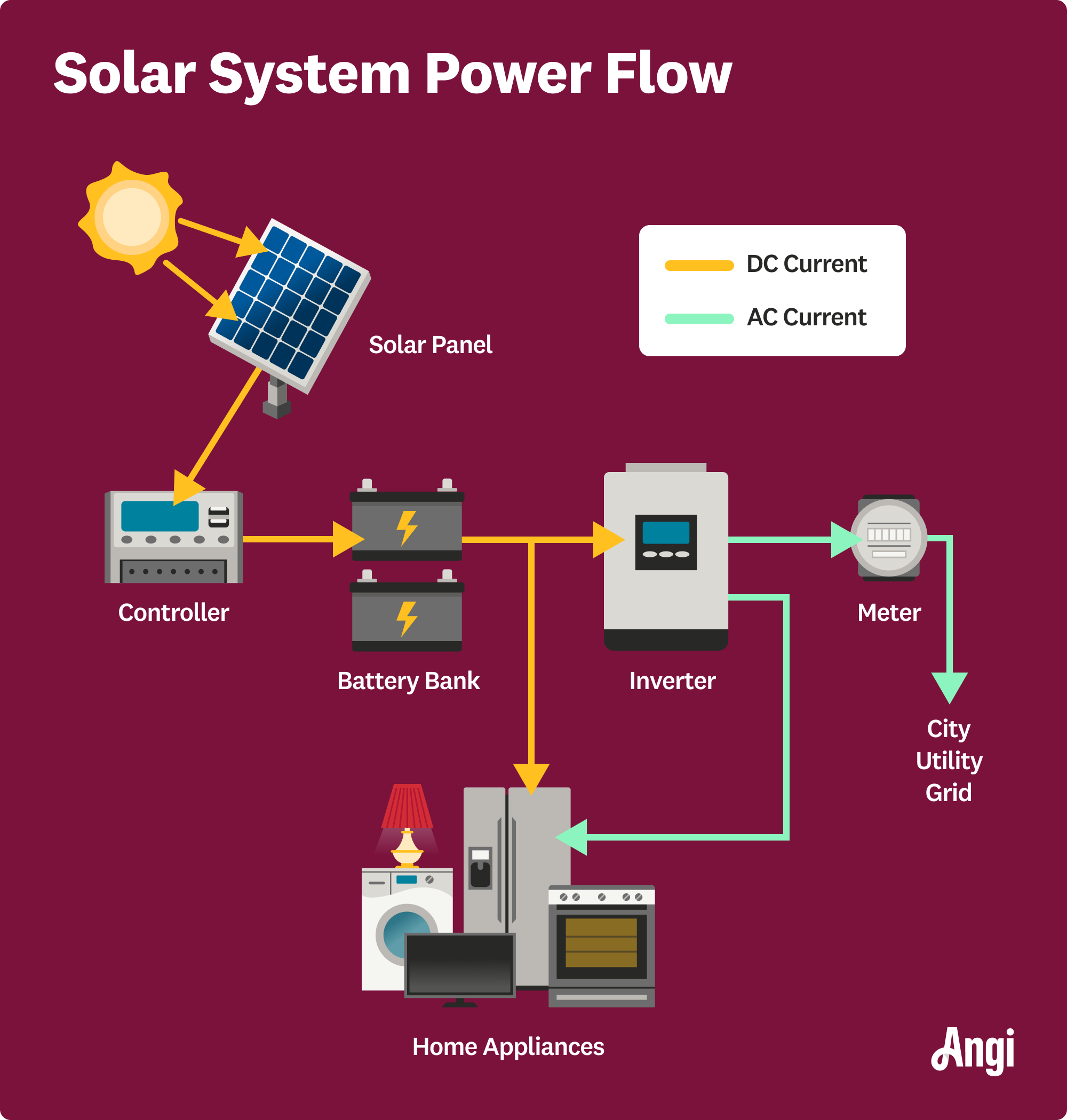
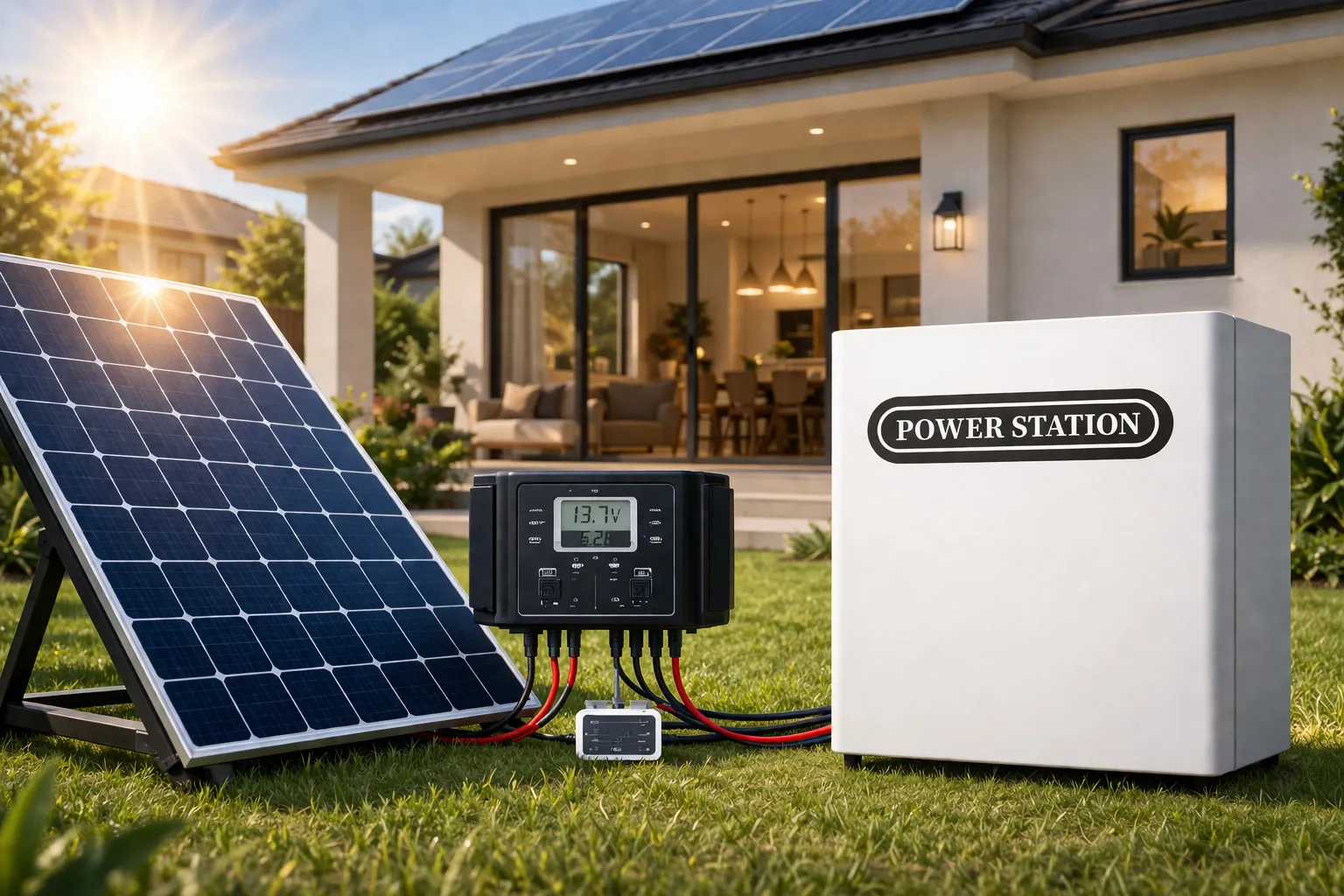
The "brain" of the system is the Hybrid Inverter. This device converts the Direct Current (DC) from the panels into the Alternating Current (AC) used by your home appliances. It also manages the flow of electricity to and from the battery storage unit.
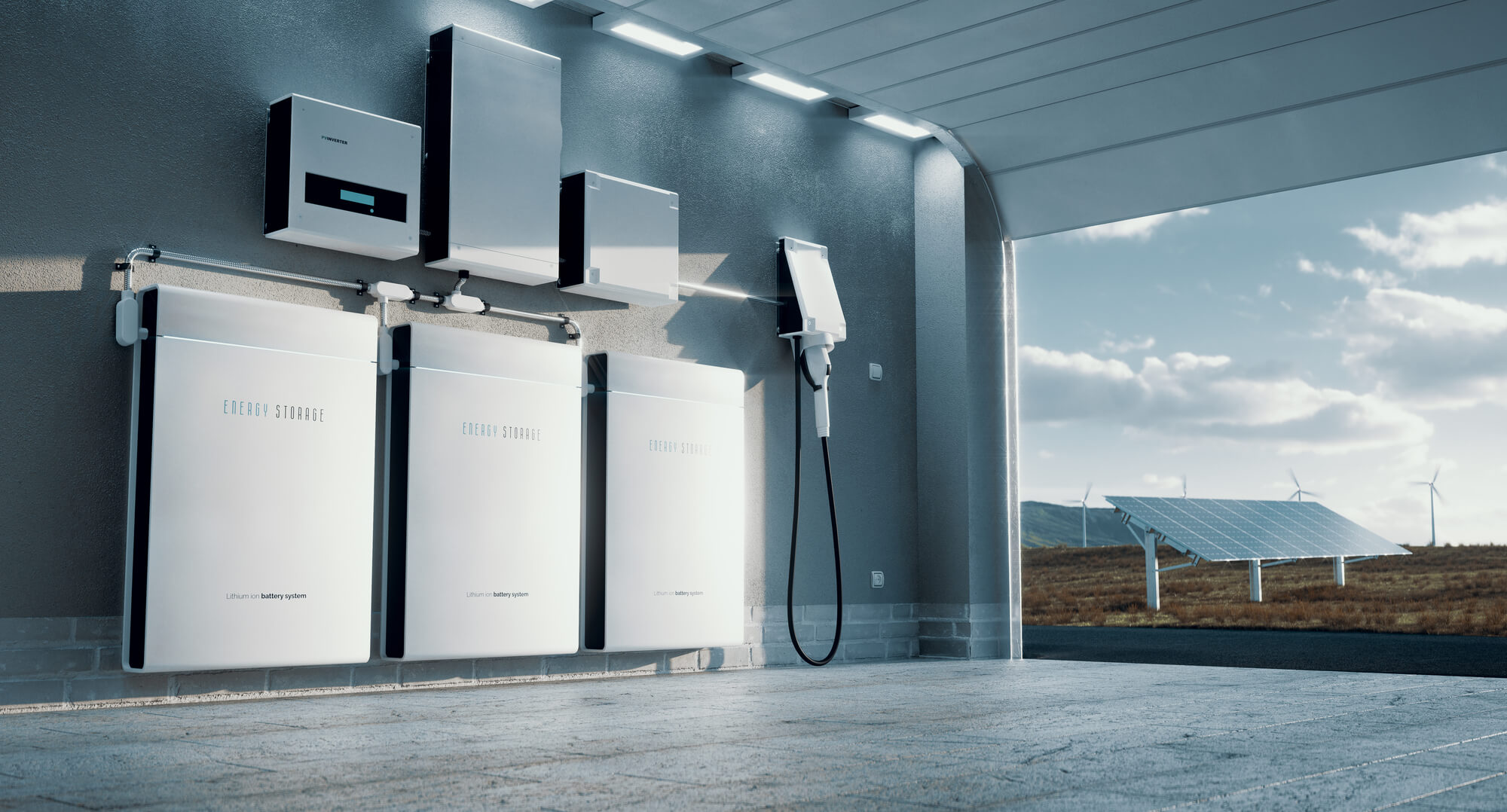
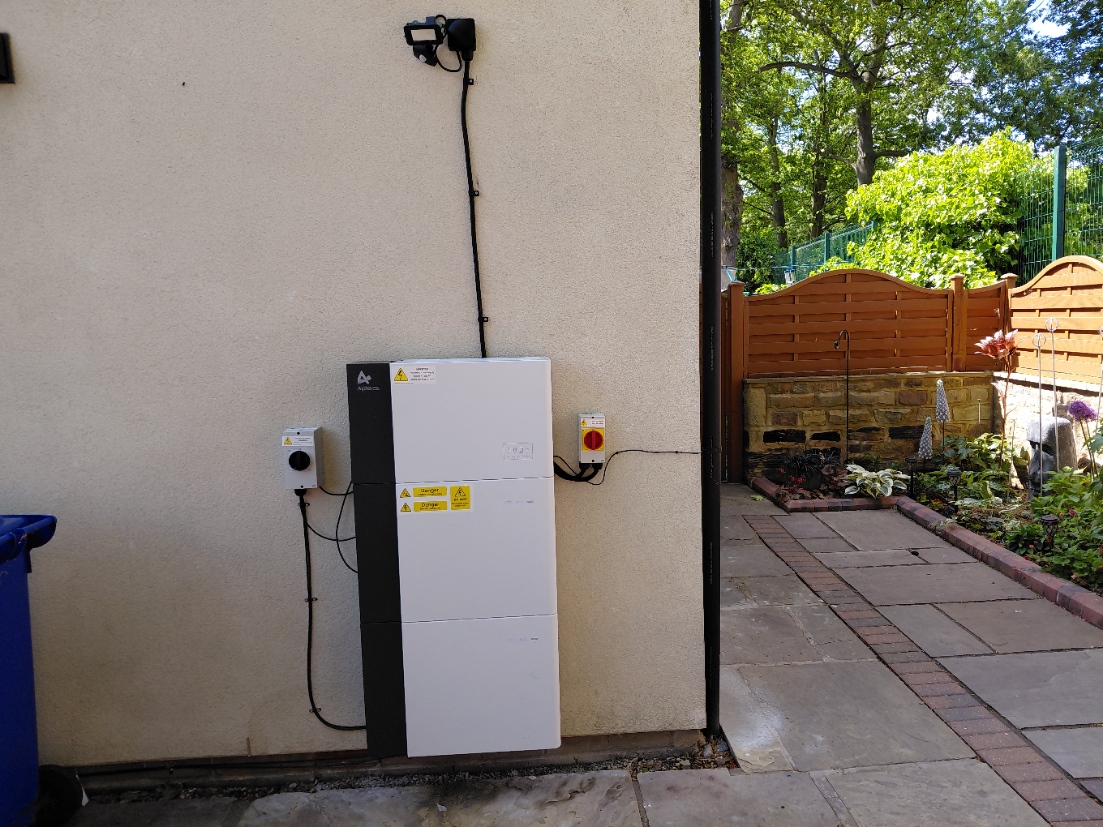
In Amersham homes, batteries are typically installed in garages, utility rooms, or, if the battery chemistry allows (such as certain Lithium Iron Phosphate or LFP models), in loft spaces. The battery is connected to the inverter via high-voltage DC cables or an AC-coupled link, depending on the system architecture.
Phase 4: Commissioning and Testing
Once wired, the system is powered up. The installer configures the software, setting the "battery logic." For example, the system can be programmed to:
- Prioritize powering the home.
- Direct excess energy to the battery.
- Export remaining surplus to the grid (earning money via the Smart Export Guarantee).
- Charge the battery from the grid during cheap overnight off-peak windows.
Battery Storage Mechanics in 2026
How the battery works within the Amersham context is largely defined by the "Smart Home" ecosystem. By 2026, most batteries are integrated with Agile Tariffs. The battery doesn't just sit there; it actively "trades" energy.
When the sun sets over the Misbourne Valley, the house automatically switches from solar power to battery power. If the forecast for the following day is cloudy, the system's AI will recognize this and trigger a "forced charge" from the grid at 2:00 AM when prices are at their lowest. This ensures that even without direct sunlight, your Amersham home is running on low-cost, stored energy during the expensive morning peak hours.
Technical Comparison of System Scales
The following table illustrates typical system configurations for different property types found in Amersham.
| Feature | Small Terraced (Amersham-on-the-Hill) | 4-Bed Detached (Chesham Bois area) | Large Estate (Old Amersham / Rural) |
|---|---|---|---|
| Solar Array Size | 3.2 kWp (8 Panels) | 6.4 kWp (16 Panels) | 12 kWp+ (30+ Panels) |
| Annual Yield (Est.) | 3,000 kWh | 6,100 kWh | 11,500 kWh |
| Battery Capacity | 5 kWh | 10 - 15 kWh | 20 kWh+ |
| Inverter Type | Single-Phase Hybrid | Single-Phase Hybrid | Three-Phase Hybrid |
| DNO Requirement | G98 (Notification) | G99 (Prior Approval) | G99 (Prior Approval) |
| Typical ROI | 7 - 9 Years | 6 - 8 Years | 5 - 7 Years |
Financial Incentives and the 2026 Market
In 2026, the financial landscape for solar in Amersham remains attractive due to the continued 0% VAT rate on energy-saving materials (subject to current government policy extensions).
Furthermore, the Smart Export Guarantee (SEG) has evolved. Several energy suppliers now offer "Dynamic SEG" rates, which pay premium prices for energy exported during peak demand (usually 4:00 PM to 7:00 PM). Because your battery can store energy and "dump" it back to the grid on command, Amersham residents can effectively become mini-power stations, significantly shortening the payback period of the initial investment.
Common Challenges and Troubleshooting
While the technology is robust, specific local issues can arise in Amersham:
- Grid Constraints: Some older parts of the Amersham grid are "congested." If SSEN denies a G99 application, you may be required to install an Export Limiter, which technically restricts how much energy you can send back to the grid while still allowing full use of solar for your own home and battery.
- Micro-climates: The Chiltern hills can trap dampness and mist. Ensuring that all external DC isolators and cabling are rated to IP65 or higher is vital to prevent moisture ingress.
- Wildlife: Amersham’s rural fringes are home to various birds and squirrels. "Pest guarding" (mesh skirts around the panels) is highly recommended to prevent debris buildup or damage to the wiring under the panels.
FAQ
Do I need planning permission for solar panels in Old Amersham?
Yes, in most cases. Because Old Amersham is a Conservation Area, Permitted Development rights are often restricted by Article 4 Directions. You will likely need to submit a full planning application, and the design must minimize the visual impact on the historic character of the street.
Can I install a battery without solar panels in Amersham?
Yes. This is known as a "standalone battery" or "grid-only" storage. You can charge the battery during off-peak hours (using a time-of-use tariff) and discharge it during the day. This is a popular option for Amersham homes with shaded roofs or north-facing orientations.
How long do the batteries last?
By 2026, the standard Lithium Iron Phosphate (LFP) batteries are typically warrantied for 10 years or 6,000 to 10,000 cycles. In a standard Amersham home, one cycle per day is common, meaning the battery should maintain over 80% of its original capacity for at least 15 years.
What happens during a power cut?
Standard solar systems shut down during a power cut for grid safety (anti-islanding). However, if your Amersham installation includes an EPS (Emergency Power Supply) or "Gateway" device, the battery can "island" your home, providing power to essential circuits like lighting and the fridge even when the rest of the street is in the dark.
Does the Amersham hard water affect the panels?
Hard water itself doesn't affect the panels unless you are cleaning them with a garden hose and letting them air-dry, which can leave limescale spots. In the Buckinghamshire area, it is recommended to use deionized water or simply rely on rainfall, which is naturally soft, to keep the panels clean.
Practical Next Steps
If you are considering solar and battery installation in Amersham, your first action should be to check your property’s status on the Buckinghamshire Council Planning Portal to confirm if you are in a Conservation Area. Following this, seek at least three quotes from MCS-certified (Microgeneration Certification Scheme) installers. Ensure these quotes include a detailed "shading analysis" and a clear explanation of whether they will handle the G99 DNO application on your behalf. Finally, investigate "Time of Use" (ToU) tariffs to ensure you maximize the financial return of your battery storage system.
Image Gallery