Frankenstein Rabbits: A Technical Overview of Viral Papillomavirus Research
"Frankenstein rabbits" is a popular, albeit scientifically inaccurate, colloquialism used to describe the Shope papillomavirus (SPV) and the subsequent cutaneous horns that develop in affected lagomorphs. This phenomenon, which gained...
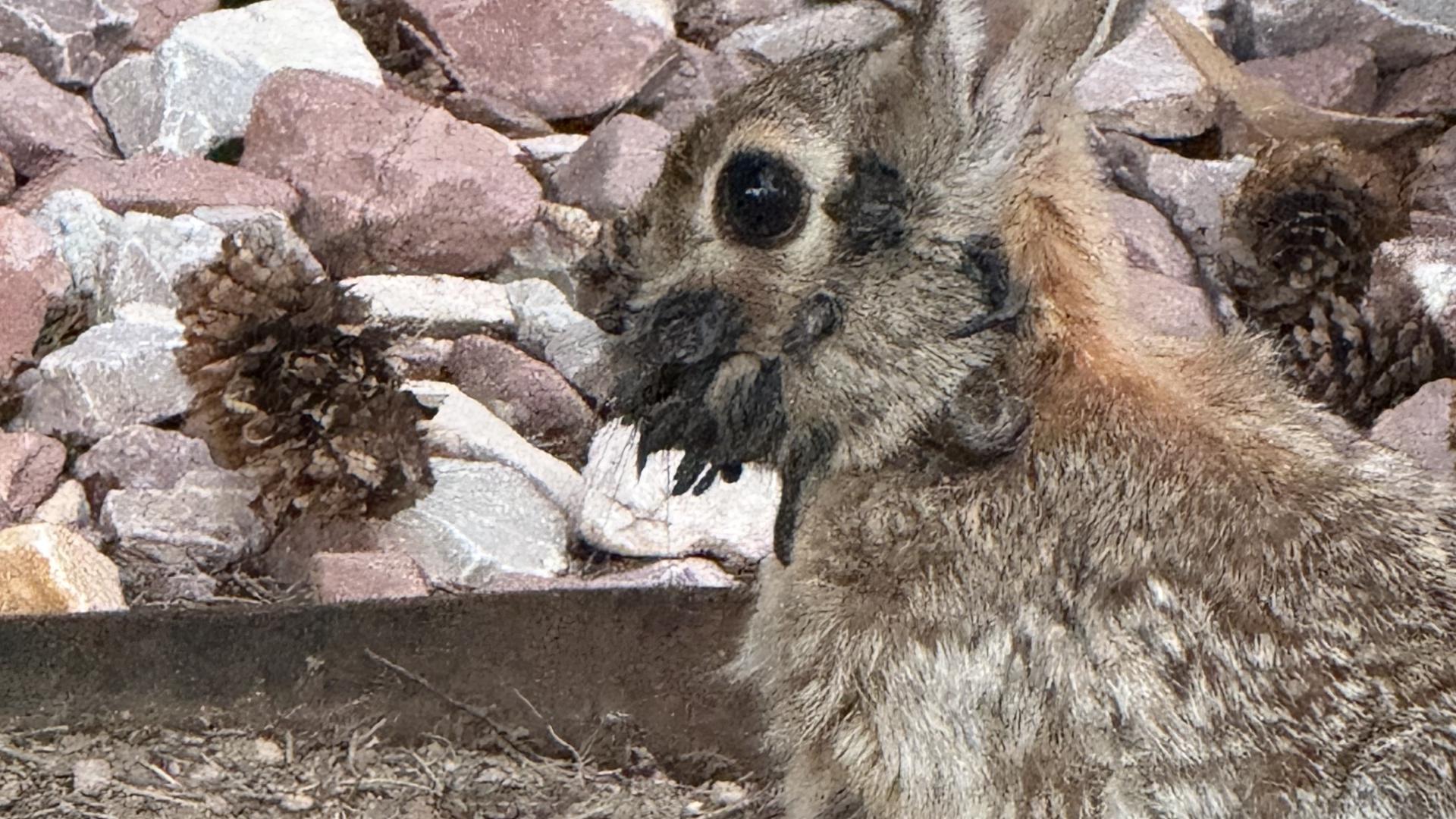
"Frankenstein rabbits" is a popular, albeit scientifically inaccurate, colloquialism used to describe the Shope papillomavirus (SPV) and the subsequent cutaneous horns that develop in affected lagomorphs. This phenomenon, which gained significant historical attention in virology, involves a virus that induces the growth of keratinous, horn-like tumors on the skin of wild rabbits. Understanding these growths requires a rigorous look at viral oncology, the mechanics of epithelial proliferation, and the historical role of these models in advancing modern cancer research.
Contents
The Etiology of Shope Papillomavirus
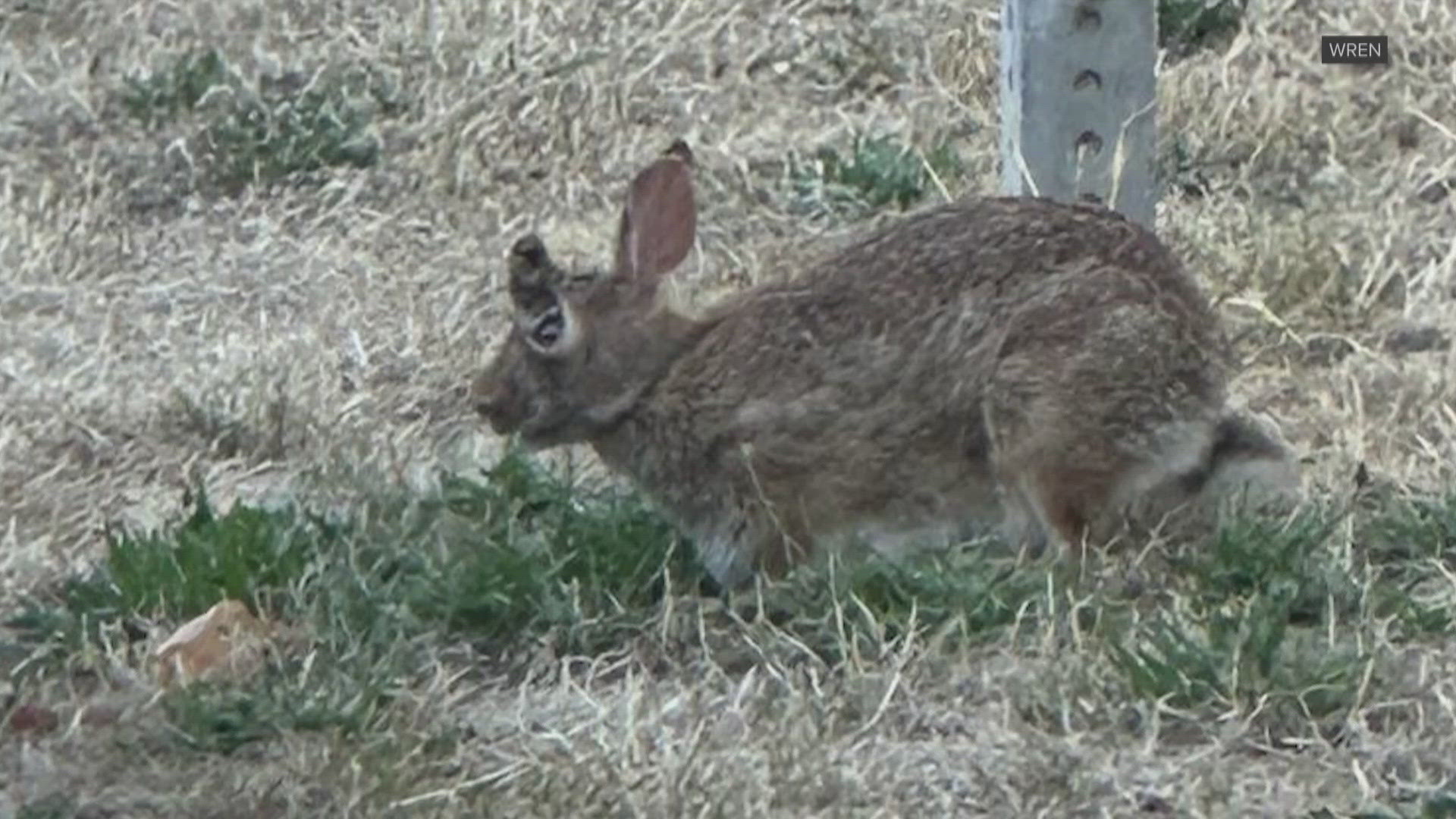
The "Frankenstein" appearance of these rabbits is rooted in the Shope papillomavirus, first described by Dr. Richard Shope in 1933. SPV is a double-stranded DNA virus that exclusively infects cottontail rabbits. Upon infection, the virus targets the basal epithelial cells, disrupting the normal cellular cycle. This disruption forces the overproduction of keratin, a structural protein found in hair, skin, and nails.
In its natural host, the cottontail rabbit, the virus typically manifests as benign, wart-like papillomas. However, when the virus is transmitted to domestic rabbits (Oryctolagus cuniculus), the biological reaction is distinct. The domestic rabbit’s immune system often fails to effectively neutralize the virus, leading to the rapid proliferation of these keratinous growths. As the tumors harden, they twist and extend, creating the dramatic "horn" structures that captured public imagination for decades.
Technical Mechanisms of Epithelial Proliferation
From a cellular perspective, the formation of these growths is a process of uncontrolled hyperkeratosis. The virus inserts its genome into the host cell, specifically modulating the E6 and E7 open reading frames. In human oncology, these proteins are known to inhibit tumor suppressor proteins like p53 and retinoblastoma (Rb).
- Viral Entry: The virus gains access to the basal layer of the skin, usually through minor abrasions.
- DNA Replication: The viral genome utilizes the host's machinery to replicate within the nucleus.
- Protein Expression: The expression of E6 and E7 proteins prevents the infected cell from undergoing apoptosis (programmed cell death).
- Hyper-proliferation: The infected cells continue to divide rapidly, pushing outward and thickening the stratum corneum, resulting in the iconic keratin horns.
Historical Significance in Cancer Research
The study of these rabbits provided a foundational blueprint for modern oncology. Before the Shope model, the link between viruses and cancer was largely theoretical. The ability to induce solid tumors in laboratory animals through a cell-free filtrate provided definitive proof that an infectious agent could drive oncogenesis.
This research trajectory eventually led to the development of the human papillomavirus (HPV) vaccine. By understanding how the SPV genome forces cellular differentiation and growth, researchers were able to decode similar mechanisms in human cervical, oral, and anal cancers. Consequently, while the "Frankenstein" label implies a monstrous or artificial creation, the biological reality is a natural, albeit aggressive, viral interaction that has proven indispensable to public health.
Comparative Pathophysiology
It is essential to distinguish between the Shope papillomavirus and other dermatological conditions that might produce similar physical structures in animals.
| Feature | Shope Papillomavirus (SPV) | Cutaneous Horn (General) |
|---|---|---|
| Origin | Viral (DNA) | Idiopathic or Reactive |
| Primary Host | Cottontail/Domestic Rabbit | Various Mammals/Humans |
| Growth Agent | Excessive Keratin Production | Accumulated Keratin Debris |
| Malignancy Risk | Potential for Carcinoma | Typically Benign |
| Transmission | Horizontal (Arthropod Vectors) | N/A (Non-infectious) |
Diagnostic Verification and Observations
For those studying lagomorph pathology, verification of SPV relies on histological examination of the tissue. Under a microscope, a pathologist looks for "koilocytes"—cells with a clear halo around a shrunken, pyknotic nucleus. These are hallmark indicators of HPV-family viral activity.
In clinical settings, it is important to note that secondary bacterial infections are common in these growths. Because the "horns" are often hard and immobile, they can trap debris and moisture, creating a perfect environment for opportunistic pathogens. Technical management of affected specimens usually involves surgical excision of the growths, provided the underlying viral infection has been addressed, and the animal is monitored for potential progression into squamous cell carcinoma.
Safety, Ethics, and Regulatory Context
Research involving SPV is strictly regulated. In 2026, any experimental use of this virus is governed by Institutional Animal Care and Use Committee (IACUC) guidelines regarding the welfare of animal models. Because these rabbits can suffer from secondary complications—such as obstruction of the visual field or difficulty feeding depending on the placement of the growths—humanitarian endpoints must be established before any research commences.
It is critical to clarify that there is no "Frankenstein" science occurring in the sense of genetic splicing between disparate species. The condition is a naturally occurring virus-host interaction. Ethical oversight ensures that if this virus is used in a laboratory setting, the distress to the animal is minimized through pain management and strict containment to prevent transmission to domestic rabbit populations.
Frequently Asked Questions
Are these rabbits the result of genetic engineering? No. These rabbits are infected by the Shope papillomavirus. They are not genetically modified organisms, nor are they the product of cross-species hybridization. The term "Frankenstein" is a cultural misnomer used to describe their appearance.
Can humans catch the Shope papillomavirus? There is no evidence to suggest that the Shope papillomavirus can infect humans. While it belongs to the Papillomaviridae family, it is highly host-specific to lagomorphs.
What is the prognosis for an infected rabbit? The prognosis depends on the severity of the infection and the location of the growths. While many papillomas regress spontaneously as the immune system mounts a response, others can progress to malignant squamous cell carcinomas that may be fatal if not managed.
How is the infection transmitted? In the wild, the virus is primarily transmitted through the bites of arthropod vectors, such as mosquitoes and ticks. Direct contact between rabbits can also facilitate the spread of the virus through broken skin.
Is there a vaccine available? Research has historically explored vaccination models for SPV to protect laboratory colonies, but there is no commercial vaccine available for general pet or wild rabbit populations.
Can the horns be trimmed off? While physical removal of the keratinous growth is possible, it does not treat the underlying viral infection. The growths are likely to return if the virus remains active in the basal epithelial cells. Any surgical intervention must be performed by a veterinarian to prevent hemorrhage and infection.
Next Steps for Researchers and Enthusiasts
If you are investigating the history of oncology or the mechanics of viral hyperkeratosis, the best point of entry is the foundational 1933 literature by Richard Shope. Modern researchers should consult the latest veterinary pathology journals for data on viral progression in leporids. For those encountering such cases in the field, prioritize documentation of the lesion morphology and consult with wildlife health authorities or specialized veterinary pathologists to ensure proper containment and, if necessary, humane treatment of the animal.
Image Gallery