How Commercial Professional Liability Insurance Protects Your Business
Commercial professional liability insurance protects your business by covering the legal costs and damages resulting from claims of negligence, errors, or omissions in the services you provide. It serves as a financial shield against l...
Commercial professional liability insurance protects your business by covering the legal costs and damages resulting from claims of negligence, errors, or omissions in the services you provide. It serves as a financial shield against lawsuits alleging that your professional advice or specialized services caused a client financial loss, covering defense fees and settlements.
Contents
Commercial professional liability insurance, often referred to as Errors and Omissions (E&O) insurance, is a critical component of a comprehensive risk management strategy for any business that provides advice, designs, or professional services. While general liability insurance covers physical risks like slip-and-fall accidents, professional liability addresses the abstract but equally damaging risks of intellectual or procedural failure. In 2026, as service-based industries increasingly rely on complex data, algorithmic decision-making, and specialized consultancy, the potential for a "professional error" has expanded significantly. This coverage ensures that a single mistake or a frivolous lawsuit does not lead to the financial insolvency of your firm.
The Legal Defense Shield: Financing Your Day in Court
The most immediate way professional liability insurance protects your business is through the provision of a legal defense. In the American legal system, the cost of defending against a professional malpractice or negligence claim can be staggering, regardless of whether your business actually made a mistake. Attorneys specializing in professional liability often charge high hourly rates, and complex cases can drag on for years.
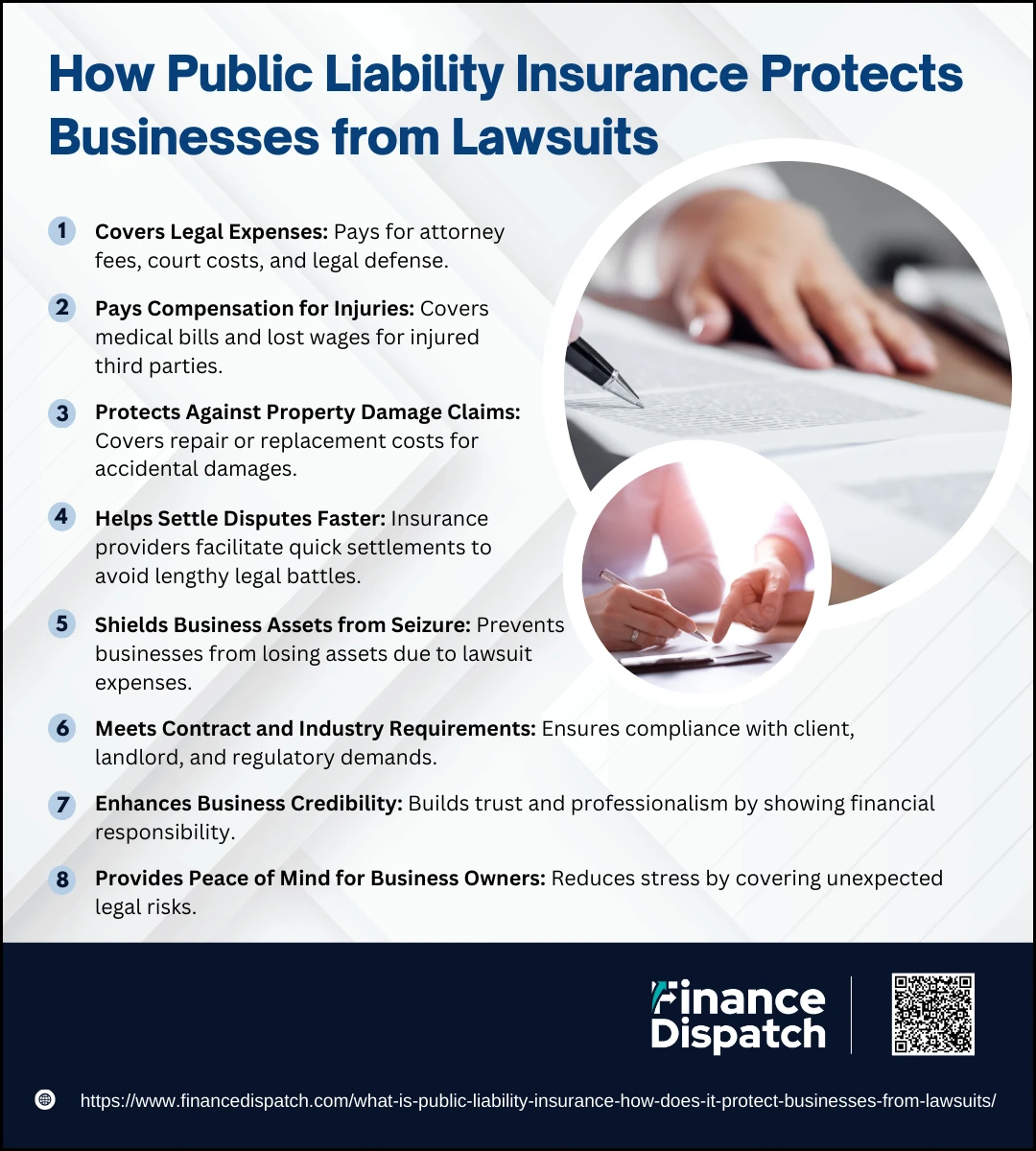
When a claim is filed, your insurance carrier typically takes on the "duty to defend." This means the insurer appoints and pays for legal counsel to represent your business. This protection is vital because it preserves your company’s cash flow. Without this coverage, a business might be forced to settle a meritless claim simply because it cannot afford the mounting legal fees required to prove its innocence. The policy covers not just the lawyer’s fees, but also court costs, expert witness fees, and administrative expenses associated with the litigation process.
Furthermore, the insurer’s expertise in handling such claims provides an added layer of protection. Insurance companies have deep networks of specialized defense firms that understand the nuances of specific industries, whether you are a structural engineer, a tech consultant, or a marketing strategist. This specialized representation often leads to better outcomes, such as having a case dismissed early through summary judgment or reaching a more favorable settlement.
Protection Against Claims of Negligence and Errors
At its core, professional liability insurance is designed to protect your business against claims that your work failed to meet the "standard of care" expected in your industry. Negligence in a professional context isn't just about a "mistake"; it's about failing to perform at the level a reasonably prudent professional in your field would.
For example, if an architect designs a building that requires significant structural remediation due to a calculation error, or if a software developer delivers a product that contains a critical security flaw leading to a data breach, the financial fallout for the client can be immense. In these scenarios, the professional liability policy steps in to cover the indemnity—the actual monetary damages awarded to the client to compensate for their loss.
This protection extends to several specific types of professional failures:
- Errors: Simple mistakes, such as a typographical error in a legal document or a miscalculation in a financial audit.
- Omissions: Failing to include a necessary step or piece of information, such as an insurance agent forgetting to add a requested rider to a client's policy.
- Misrepresentation: Providing inaccurate information about the capabilities of a service or the expected outcome of a project.
- Breach of Good Faith: Claims that the professional did not act in the best interest of the client as required by their professional relationship.
Navigating the Complexity of Claims-Made Policies
A unique aspect of how professional liability insurance protects your business lies in its structure as a "claims-made" policy. Unlike general liability insurance, which is often "occurrence-based," professional liability typically only covers claims that are both made against you and reported to the insurance company during the active policy period.
This structure necessitates two specific protective features: the Retroactive Date and the Extended Reporting Period (Tail Coverage). The retroactive date allows the policy to cover work performed in the past, provided the insurance has been maintained continuously since that date. This is crucial because professional errors often go undiscovered for months or years after the service was provided.
Conversely, tail coverage protects your business after you have closed your doors or switched insurers. If a client sues you in 2026 for work completed in 2024, an extended reporting period ensures that you still have a defense even if your original policy is no longer active. Understanding these timing mechanisms is essential for maintaining a seamless safety net, as any gap in coverage can leave a business entirely exposed to historic liabilities.
Professional Liability vs. General Liability: Closing the Protection Gap
Many business owners mistakenly believe that a General Liability (GL) policy is sufficient for all their needs. However, the protection offered by professional liability is distinct and fills a gap that GL cannot. The following table highlights the differences in how these two policies protect your business assets.
| Feature | General Liability (GL) | Professional Liability (E&O) |
|---|---|---|
| Primary Protection | Physical risks (Bodily injury & Property damage) | Economic risks (Financial loss due to service/advice) |
| Example Scenario | A client trips over a cable in your office. | An IT consultant’s advice causes a client's server to crash for three days. |
| Key Coverage | Medical expenses, repair costs, basic legal fees. | Specialized legal defense, settlements for financial damages. |
| Standard of Care | Not applicable; focuses on general safety. | Central; focuses on industry-specific professional standards. |
| Contractual Need | Often required by landlords. | Often required by corporate clients and government contracts. |
By holding both policies, a business ensures it is protected from the full spectrum of risk. For instance, a graphic designer needs GL if a client visits their studio and gets injured, but they need professional liability if they accidentally use copyrighted material in a client’s national ad campaign, leading to a massive lawsuit from the copyright holder.
Industry-Specific Protective Nuances in 2026
As we look at the landscape in 2026, professional liability insurance has evolved to protect businesses against modern technological and regulatory risks. In many sectors, the definition of "professional service" has expanded to include the oversight of automated systems and AI integrations.
For Technology Professionals, coverage now frequently includes "Network Security and Privacy Liability" as an endorsement. This protects the business if a flaw in their software code allows a third-party hack. While cyber insurance covers the business's own data loss, the professional liability component protects the business when the client sues for the damages they suffered because of the software's failure.
In the Medical and Allied Health fields, professional liability (malpractice) remains the cornerstone of protection against claims of diagnostic errors or treatment failures. In 2026, this also increasingly covers telehealth services and remote monitoring vulnerabilities. For Legal and Financial Professionals, the insurance protects against claims of fiduciary breach, which can involve multi-million dollar settlements if a client's investment or legal strategy results in a catastrophic loss due to overlooked regulations.
Practical Steps to Maximize Your Protection
Simply purchasing a policy is not enough; businesses must actively manage their coverage to ensure the protection is robust. Protecting your business effectively involves the following:
- Accurate Risk Assessment: Ensure your policy specifically names all the services you provide. If you are a consultant who has branched out into software implementation but your policy only lists "management consulting," you may not be protected for the implementation work.
- Maintaining "Prior Acts" Coverage: When switching insurance providers, always ensure the new policy honors your original retroactive date. Losing your "prior acts" coverage leaves years of past work uninsured.
- Reviewing Contractual Requirements: Many large clients in 2026 require specific limits (e.g., $2 million or $5 million) of professional liability insurance. Reviewing these requirements before signing contracts ensures you remain compliant and protected according to the client’s risk appetite.
- Implementing Quality Control: Insurance companies often provide premium discounts for businesses that demonstrate strong risk management protocols, such as using peer-reviewed contracts, maintaining rigorous documentation, and having clear dispute-resolution procedures.
Frequently Asked Questions
Is professional liability insurance mandatory for all businesses?
While not mandated by federal law in the same way as auto insurance, it is often a legal or regulatory requirement for certain licensed professions, such as doctors, lawyers, and accountants. Additionally, many commercial contracts require you to carry this insurance as a condition of doing business. Even if not required, it is highly recommended for any business providing expertise.
Does it cover intentional acts or fraudulent behavior?
No, professional liability insurance is designed to cover unintentional errors, mistakes, and negligence. It does not protect a business or professional against claims of purposeful dishonesty, criminal acts, or fraudulent activities. If a court determines that a professional intentionally deceived a client, the insurance company will typically deny coverage for any resulting damages.
What is a "Retroactive Date" and why is it important?
The retroactive date is a specific point in time listed in your policy. The insurance will only cover claims arising from work performed after this date. It is important because it prevents you from buying insurance today to cover a mistake you know you made yesterday. Continuous coverage is the only way to maintain a long-standing retroactive date.
How are premiums determined for professional liability?
In 2026, insurers look at several factors: the industry risk level (a surgeon pays more than a landscape architect), the business’s annual revenue, the location of operation, the history of past claims, and the specific limits and deductibles chosen. High-risk industries with a high potential for large financial losses naturally command higher premiums.
Can professional liability cover a data breach?
It can, but usually only in the context of your professional service to a client. For example, if you are a data security consultant and you fail to secure a client's database, your professional liability insurance would likely cover the client's lawsuit against you. However, it does not typically cover your business's own costs to recover from a breach; for that, you would need a standalone Cyber Liability policy.
Next Actions for Business Owners
To ensure your business is adequately protected, your next step should be a thorough review of your current professional service contracts. Identify the specific liabilities you have agreed to assume and compare them against the "Exclusions" section of your current professional liability policy. If you find gaps—such as services you provide that aren't listed or limits that are lower than your highest-value contract—consult with a specialized commercial insurance broker to adjust your coverage. Maintaining an alignment between your operational reality and your insurance policy is the most effective way to guarantee that the protection is there when you need it most.
For official guidance on business insurance requirements, you can visit the U.S. Small Business Administration (SBA) or consult the Insurance Information Institute for detailed industry standards.
Image Gallery